The Value Beyond Skin | Human Dermatology Clinic Seoul National University Branch

One of the things people are most curious about after receiving a dermatology treatment is when they can apply makeup. Redness or a feeling of heat may remain immediately after the treatment, and many people wonder whether it is okay to wear makeup because they need to go out or return to work. However, the skin may be more sensitive than usual after treatment, so excessive makeup can place a burden on the skin as it recovers.
The time when makeup can be applied may vary depending on the type of treatment and the skin’s response. Light care treatments may allow makeup relatively soon, but when the skin has been stimulated by a laser, peel, or injection treatment, it is best to give it enough time to stabilize. Therefore, rather than judging when to apply makeup solely by the amount of time that has passed, it is important to also consider the skin’s current condition.

Why Does the Skin Become Sensitive After a Treatment?
Dermatology treatments stimulate the skin in various ways, including through heat energy, medications, injections, and peeling ingredients, to improve skin concerns. During this process, the skin may temporarily become red or dry, and even slight friction may feel stinging. In particular, when the skin barrier is weakened, cosmetic ingredients or the cleansing process itself may cause irritation.
In addition, immediately after treatment, the skin enters a recovery process, so it is important to reduce unnecessary irritation. Applying heavy makeup or layering multiple products during this period may make the pores feel congested and cause the skin to react more sensitively. For this reason, it is best to begin applying light makeup only after the skin has calmed sufficiently.
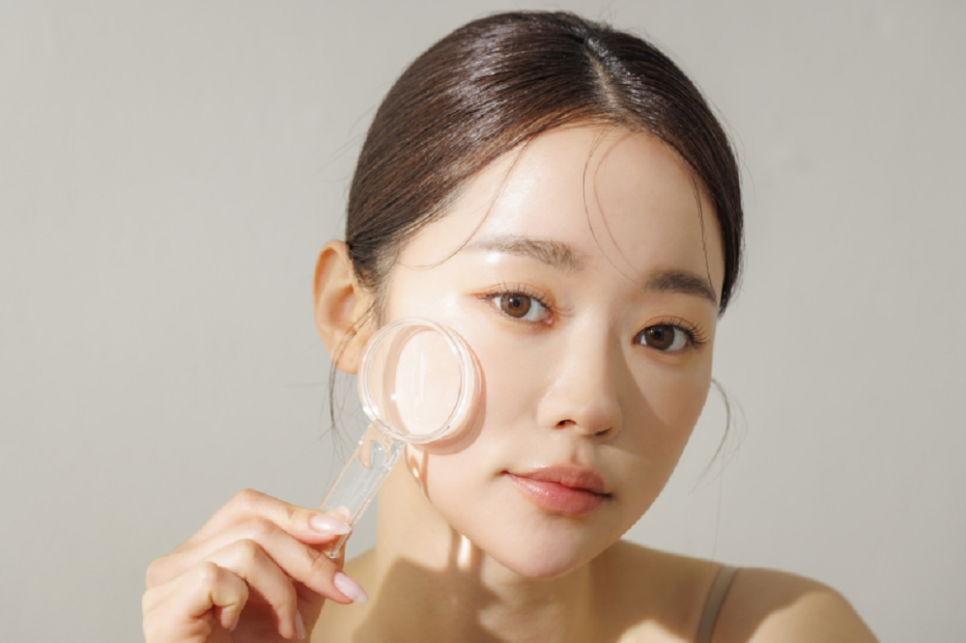
When Can Makeup Be Applied?
After treatments with little to no damage to the skin’s surface, such as light soothing or moisturizing care, light makeup may be possible on the same day or from the following day. However, if redness or stinging remains, it is better to focus on soothing and moisturizing the skin first rather than rushing to apply makeup. If makeup is necessary, use only a minimal amount of products with low irritation rather than applying thick coverage.
On the other hand, the time when makeup can be applied after laser treatments, peels, extractions, or injection treatments may vary depending on the condition of the skin. If scabs, tiny wounds, redness, swelling, or a feeling of heat remain, cosmetics may irritate the skin or the cleansing process may damage it. In such cases, it is best to avoid makeup for the period advised by the dermatology clinic and begin only after the skin has stabilized.

Points to Keep in Mind When Applying Makeup After a Treatment
When applying makeup for the first time after treatment, it is best to reduce the number of products and apply them lightly. Thick foundation or highly adhesive products may create more friction during cleansing and place a burden on the skin. If possible, choose products that are gentle and easy to wash off, and avoid forcibly applying additional coverage products to areas that are red or stinging.
Cleansing is also very important. On days when you wear makeup, remove it thoroughly so that no residue remains, but avoid rubbing vigorously or repeatedly washing your face two or three times. After cleansing, use a moisturizer and recovery cream to prevent the skin from becoming dry, and apply sunscreen carefully during the day. Skin may be more susceptible to hyperpigmentation after treatment, so it is important to pay close attention to sun protection.

The time when makeup can be applied after a dermatology treatment may vary depending on the type of treatment and the skin’s recovery status. Some care treatments allow makeup on the same day, but after laser treatments, peels, extractions, or injection treatments, the skin may be sensitive and need sufficient time to calm down. In particular, if redness, a feeling of heat, stinging, scabs, or swelling remains, it is better to prioritize the skin’s recovery rather than rush to apply makeup.
If you are unsure whether to wear makeup after treatment, it is important to consult a dermatologist and receive accurate guidance about your current skin condition and post-treatment precautions. Based on a specialist’s diagnosis, planning together when makeup can be applied, how to use recovery cream, sun protection, and additional soothing care can help support a more stable recovery and satisfactory treatment results.