Skin Beyond Skin | 휴먼피부과의원 서울대점
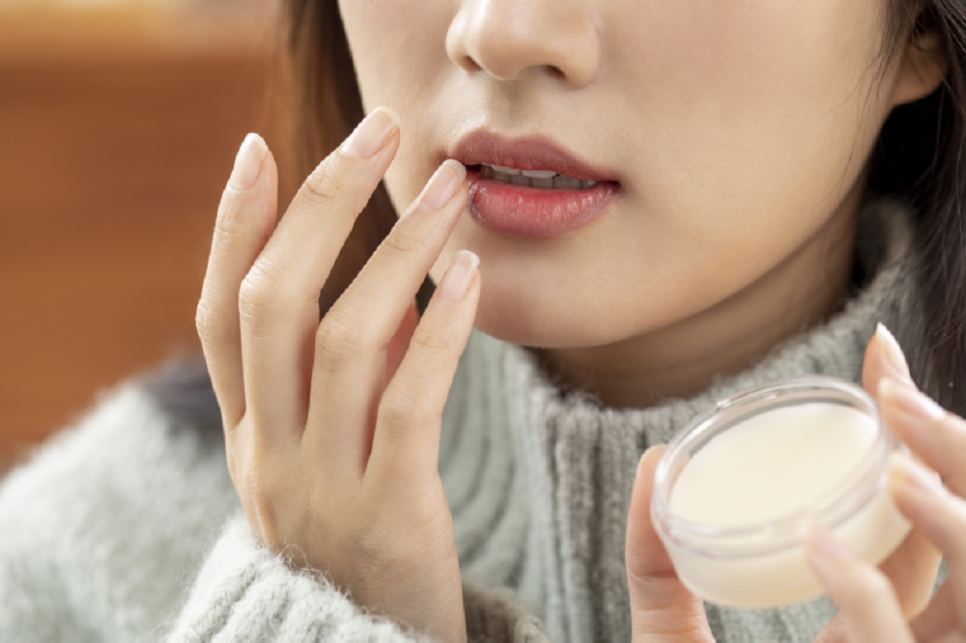
It is easy to think that skin around the lips that frequently cracks and stings is simply dry. Some people experience cracking, burning, or stinging around the mouth not only during seasonal transitions or winter, but also in summer. If the area quickly becomes dry again despite frequent lip balm application, or if redness and discomfort extend to the edges of the lips, the problem may involve skin irritation or inflammation beyond simple dryness.
The skin around the lips is thinner and more sensitive than other areas of the face. It can be easily affected by minor irritants such as food, saliva, lip products, toothpaste, mask friction, and habitual picking at the lips. If the area repeatedly cracks and stings, it is important to identify the cause and care for the skin according to its condition.
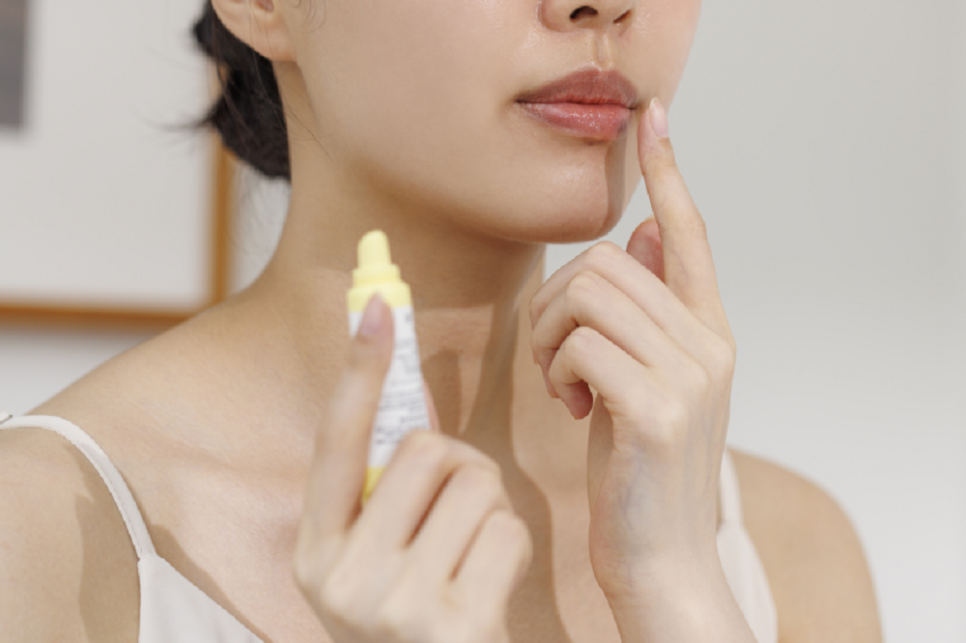
Why does the skin around the lips crack and sting so easily?
The lips and the skin around the mouth have few sebaceous glands and a weak protective barrier, so they can easily become dehydrated. Repeated exposure to dry environments, air conditioning, frequent cleansing, or sunlight can cause the skin around the lips to become dry and cracked. If you frequently lick your lips or have a habit of getting saliva on the skin around your mouth, the skin may become even drier and more irritated.
The area around the lips also frequently comes into contact with food and cosmetics. Spicy, salty, or acidic foods can worsen stinging, and redness and itching may occur when the ingredients in lipstick or lip balm do not suit you. Toothpaste, mouthwash, and friction from a mask can also make the skin around the mouth more sensitive.
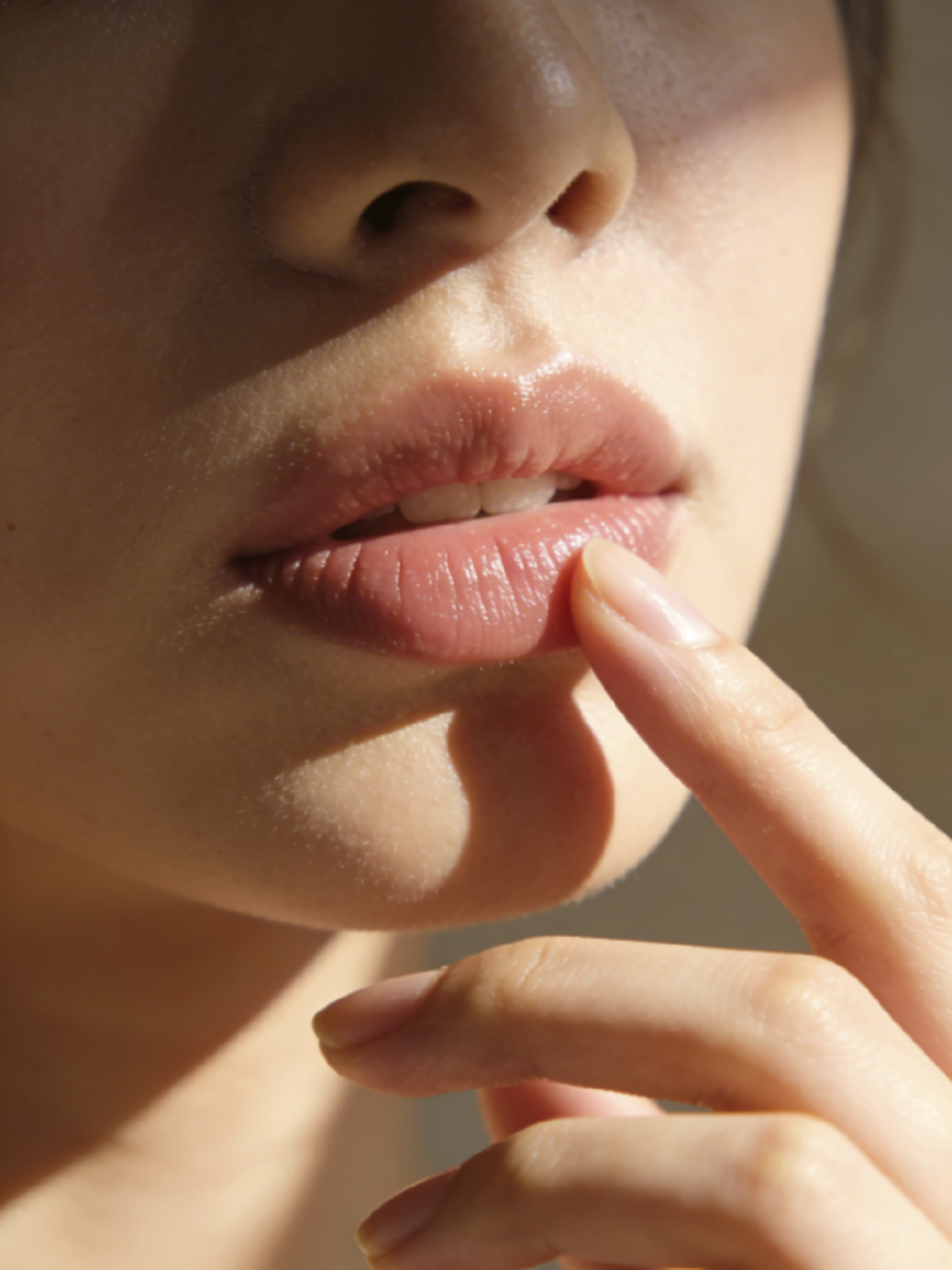
Is simple dryness different from cheilitis?
When the lips are temporarily dry, they may improve relatively quickly with sufficient moisturizing and reduced irritation. However, if the area around the lips repeatedly cracks and becomes red, or if stinging and itching persist, an inflammatory skin condition such as cheilitis may be suspected. In particular, if the corners of the mouth split, ooze, or develop scabs, it may be difficult to regard the problem as simple dryness.
Cheilitis can occur for various reasons, including irritant contact, allergic reactions, saliva irritation, bacterial or fungal infections, and a weakened skin barrier. Because the causes can differ, simply applying large amounts of lip balm or using an ointment on your own may not be sufficient. Continuing to use a product that does not suit you may instead cause the symptoms to recur.
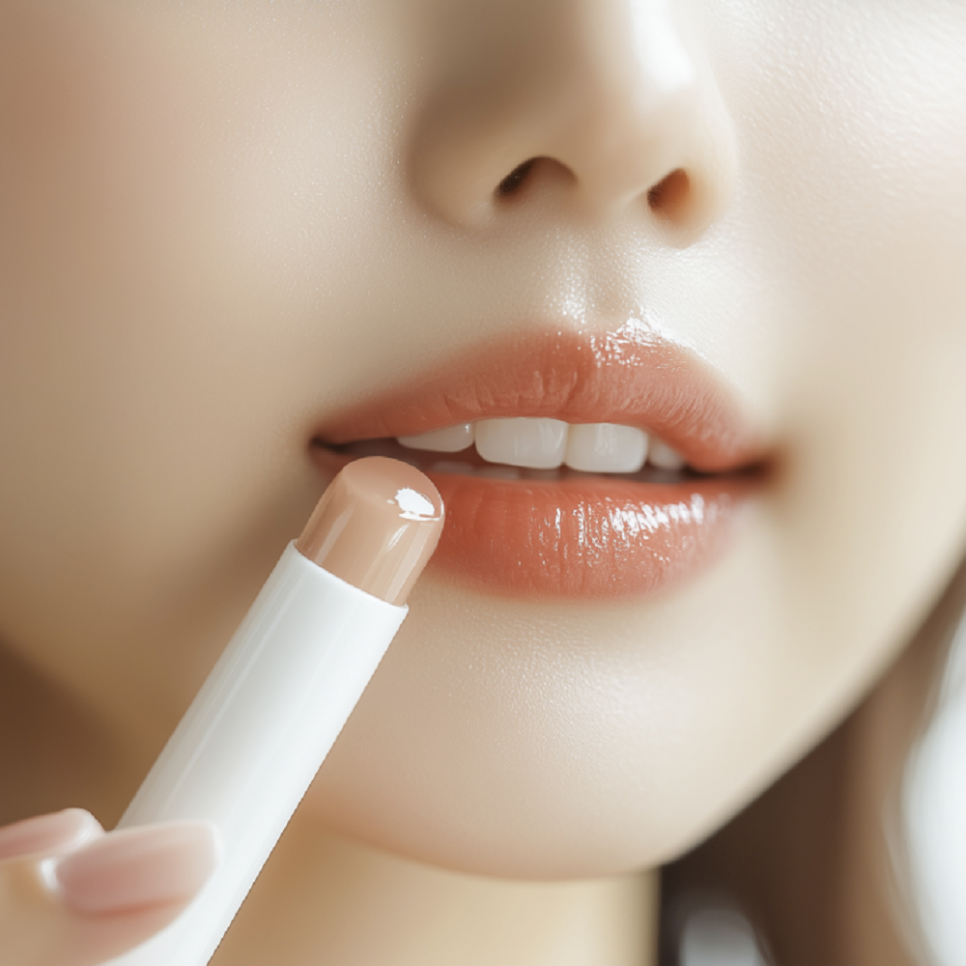
How should you care for the area when it frequently cracks?
First, it is important to reduce the habit of licking or picking at your lips. As saliva dries, it can remove even more moisture from the skin, while picking can cause wounds and inflammation. It is best to keep your lip care routine simple by using products with minimal fragrance, coloring, or irritating ingredients, and to avoid switching among several new products.
Gently wipe away any food or toothpaste foam left around the mouth, and be sure to moisturize the area around the lips after cleansing. However, if stinging or redness is severe, avoid scrubs, peels, and strongly active products. If the corners of your mouth frequently split or are accompanied by oozing, scabs, or swelling, it is better to seek medical attention rather than continue with self-care alone.
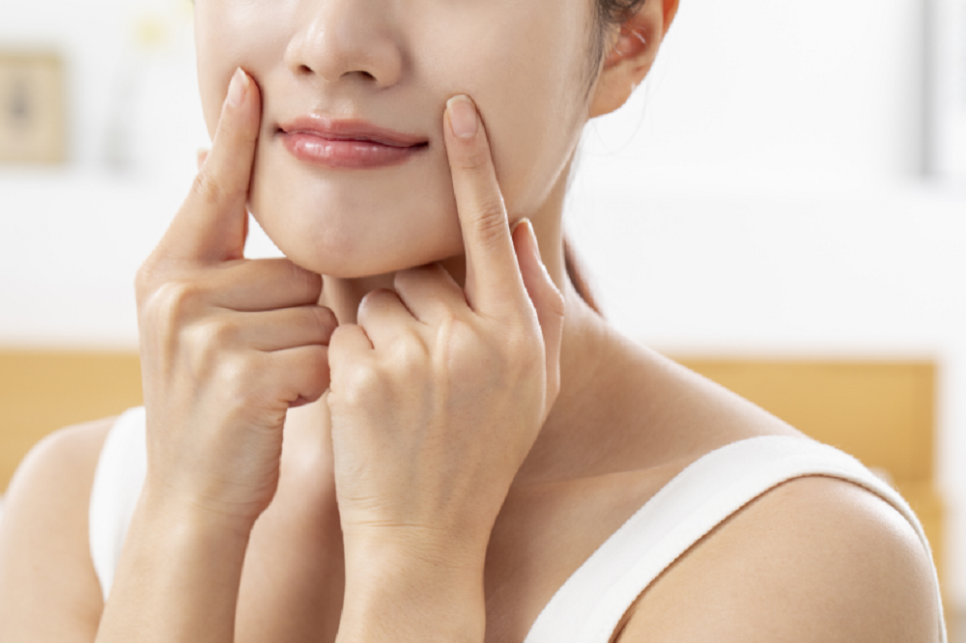
Frequent cracking and stinging around the lips can result from various causes, including not only simple dryness but also saliva irritation, lip products, toothpaste, food-related irritation, mask friction, and cheilitis. If cracking recurs or redness, itching, and stinging persist, the skin barrier may be weakened or an inflammatory response may be present.
If the symptoms persist for a long time or recur frequently, it is advisable to consult a dermatologist to accurately assess the current condition of the skin around your lips and identify the cause. Based on a specialist's diagnosis, a combination of moisturizing care, control of irritants, treatment to relieve inflammation, and, when necessary, evaluation for infection may help the skin around the lips recover more comfortably and healthily.