More Than Skin | Human Dermatology Clinic Seoul National University Branch
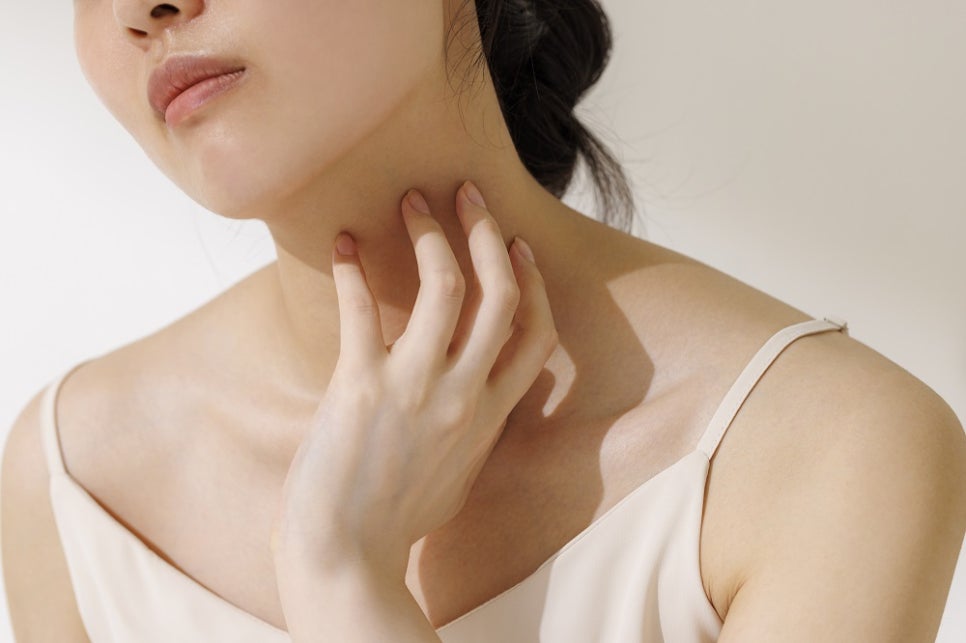
When your skin often feels itchy, it is easy to assume that dryness is the only cause. Of course, dryness is one of the most common causes of itching, but if the itching keeps recurring or persists in a specific area for a long time, it is important to consider various possible causes, including a weakened skin barrier, allergic reactions, contact dermatitis, hives, and eczema.
In particular, itching often causes discomfort before visible symptoms appear. The skin may sting or feel tingly before it becomes red, and repeated scratching can make the skin more sensitive and leave wounds or hyperpigmentation. Rather than dismissing itchy skin as a minor inconvenience, it is better to identify the cause and manage it appropriately.

What is the most common cause of itchy skin?
One of the most common causes of itchy skin is dryness. When the skin lacks moisture and the skin barrier that serves as a protective layer becomes weakened, external irritants can reach the skin more easily and cause itching. Frequent showers, hot water, strong cleansers, and heating or air-conditioning environments can make the skin even drier.
Seasonal changes and temperature differences can also affect itchy skin. On hot days, sweat and sebum can become irritants, while on cold days or in dry indoor environments, the skin can lose moisture quickly. In this way, itchy skin is often caused not by a single factor but by a combination of the living environment and the condition of the skin.
Allergies or contact irritation can also be causes
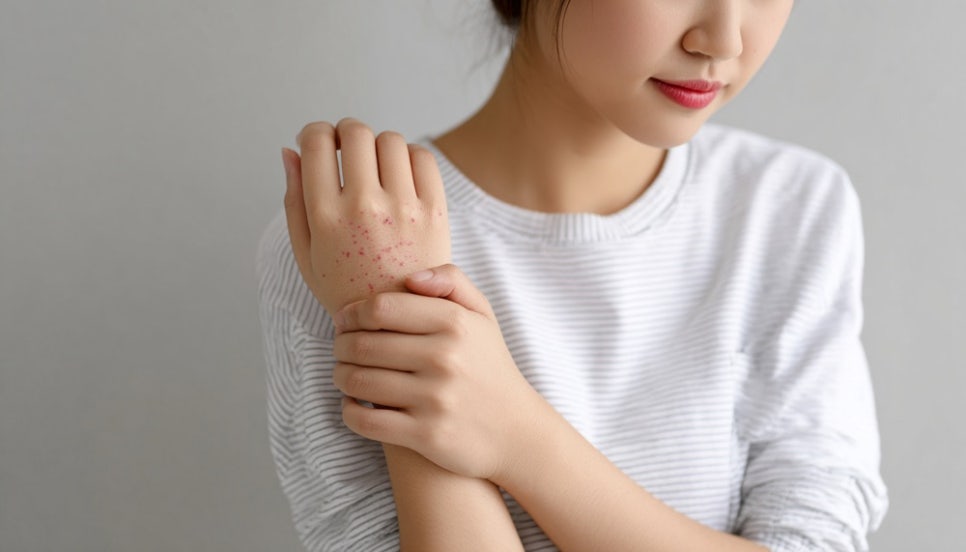
If your skin becomes itchy and red after using a new cosmetic product, facial cleanser, body wash, perfume, or laundry detergent, contact irritation or an allergic reaction may be suspected. If a particular ingredient does not agree with your skin, itching, stinging, red spots, or small breakouts may develop around the area where it was applied.
Materials that repeatedly come into contact with the skin, such as masks, collars, accessories, metals, and hair dye, can also cause itching. In particular, when the skin barrier is weakened, the skin may react sensitively to products or irritants that previously caused no problems. It can be helpful to consider when the itching began together with any newly changed products or lifestyle habits.

Why does itching become worse when you scratch?
Scratching itchy skin may feel relieving for a moment, but repeated scratching can further damage the skin barrier. Tiny wounds can form as the nails scratch the skin, and when inflammation develops in those areas, a vicious cycle can occur in which the itching becomes more severe again.
The scratched area may also become red or thickened, and brown hyperpigmentation may remain over time. Especially if you scratch unconsciously at night or have a habit of repeatedly touching the same area, skin recovery may be delayed. When your skin itches, it is better to soothe it with something cool and apply plenty of moisturizer to protect the skin rather than scratching.

Itchy skin can result from various causes—not only dryness, but also a weakened skin barrier, allergies, contact dermatitis, eczema, and hives. If the itching keeps recurring, continuing to scratch or using ointments without professional guidance may prolong the symptoms or make the skin more sensitive. Therefore, it is important to check the location of the itching, how long it has lasted, and any accompanying symptoms together.
If redness, oozing, scaling, swelling, or a rash that looks like hives appears along with the itching, or if the itching persists for a long time, it is important to receive an accurate diagnosis from a dermatology specialist along with appropriate procedures and treatment. At a dermatology clinic, in addition to basic moisturizing care, various procedures—including laser treatments, medication injections, and specialized prescription treatments—can be used depending on the state of inflammation to improve the condition of the skin more quickly and effectively. These professional treatments help directly manage the cause of the symptoms, reduce recurrence, and play an important role in restoring healthy skin condition.