More Than Skin | Human Dermatology Clinic Seoul National University Branch

�c
Some people see the changes they expected soon after receiving a dermatology treatment, while others feel that their skin is improving more slowly than anticipated. When the results seem different from those of people around you despite receiving the same treatment, you may wonder, “Why are the effects less noticeable for me?”
�c
However, the effects of dermatology treatments do not appear in exactly the same way for everyone. Responses may vary depending on skin thickness, elasticity, the depth of pigmentation, accompanying skin concerns such as acne or redness, lifestyle habits, and whether post-treatment care is provided. For this reason, rather than simply using the same device or method for everyone, it is important to accurately assess each person’s skin condition and create a customized plan.
�c
Because skin conditions and the depth of each concern differ
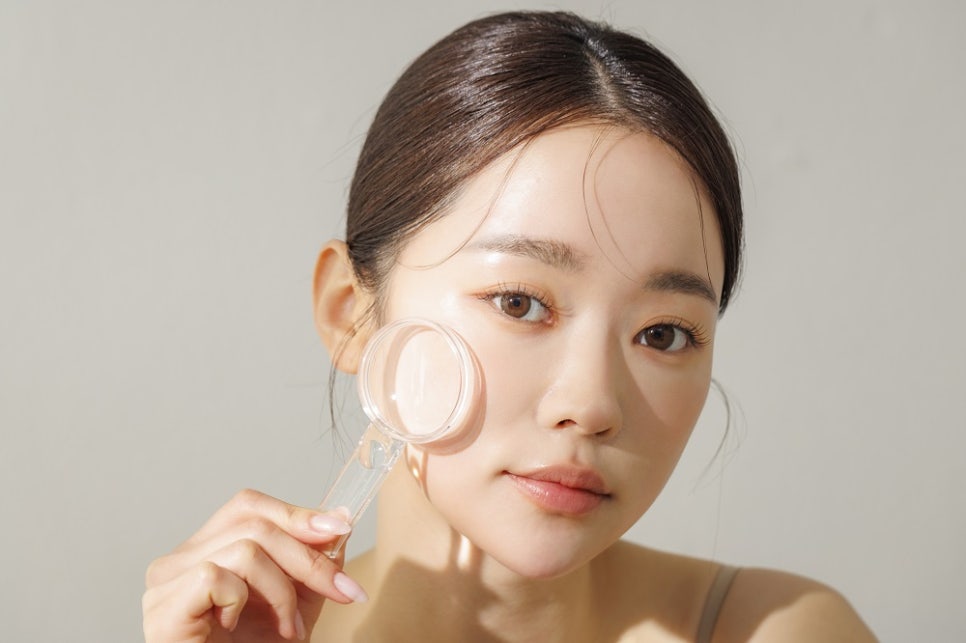
Even when people have the same pigmentation concern, the pigment may be located close to the skin’s surface in some cases, while it may be situated in the deeper layers of the skin in others. Acne scars can also differ, with some appearing as shallow marks and others involving deeper indentations in the skin. In this way, the actual condition beneath the skin may differ even when it looks similar on the surface.
�c
Skin thickness and sensitivity can also affect the response to treatment. When the skin is thin and sensitive, it may be necessary to proceed step by step while observing the skin’s reaction rather than using high energy all at once. Conversely, when the skin is thick and produces a lot of sebum, the number of sessions needed and the approach to care may differ even for the same treatment.
�c
Lifestyle habits and post-treatment care can also have an effect
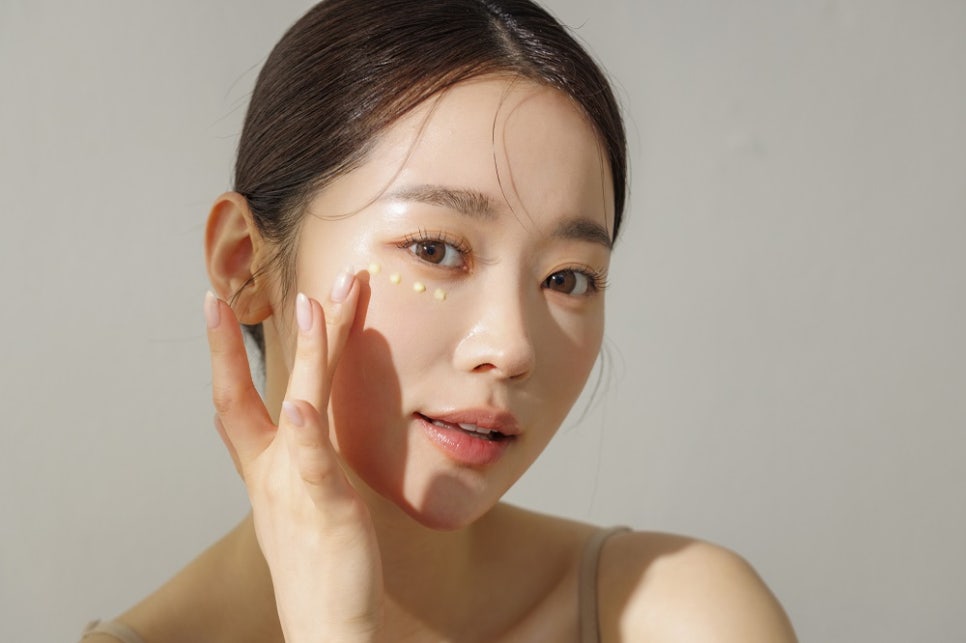
If post-treatment care is insufficient, the expected changes may seem slower to appear. For example, inadequate sun protection after a pigmentation treatment may cause the pigmentation to become darker again. Even after acne treatment, repeatedly squeezing blemishes, getting insufficient sleep, or experiencing stress can cause breakouts to return.
�c
In addition, activities that increase skin warmth, such as drinking alcohol, using a sauna, or engaging in strenuous exercise, can affect post-treatment redness, swelling, and inflammatory responses. During the skin’s recovery period, moisturizing, restorative care, sun protection, and lifestyle adjustments should be carried out together to help maintain the effects of treatment more consistently.
�c

The number of sessions and recovery speed also vary from person to person
In many cases, dermatology treatments need to be performed in stages over multiple sessions depending on the condition of the skin, rather than completely resolving every concern with a single treatment. In particular, concerns related to skin structure, such as pigmentation, scarring, enlarged pores, and loss of elasticity, require time for the skin to gradually recover and regenerate.
�c
Results can also differ depending on an individual’s regenerative capacity and recovery speed. Some people may see redness subside quickly and notice changes in skin texture sooner, while recovery may progress more slowly for others. Therefore, when evaluating the effects of a treatment, it is better to monitor the progress according to the treatment plan rather than looking only at short-term changes.
�c
�c
The reason dermatology treatment effects feel different from person to person is that everyone’s skin condition, the depth of their concerns, skin thickness, sensitivity, lifestyle habits, post-treatment care, and recovery speed are different. Even with the same treatment, the intensity and number of sessions required, as well as the care methods, may vary according to each person’s skin characteristics.
�c
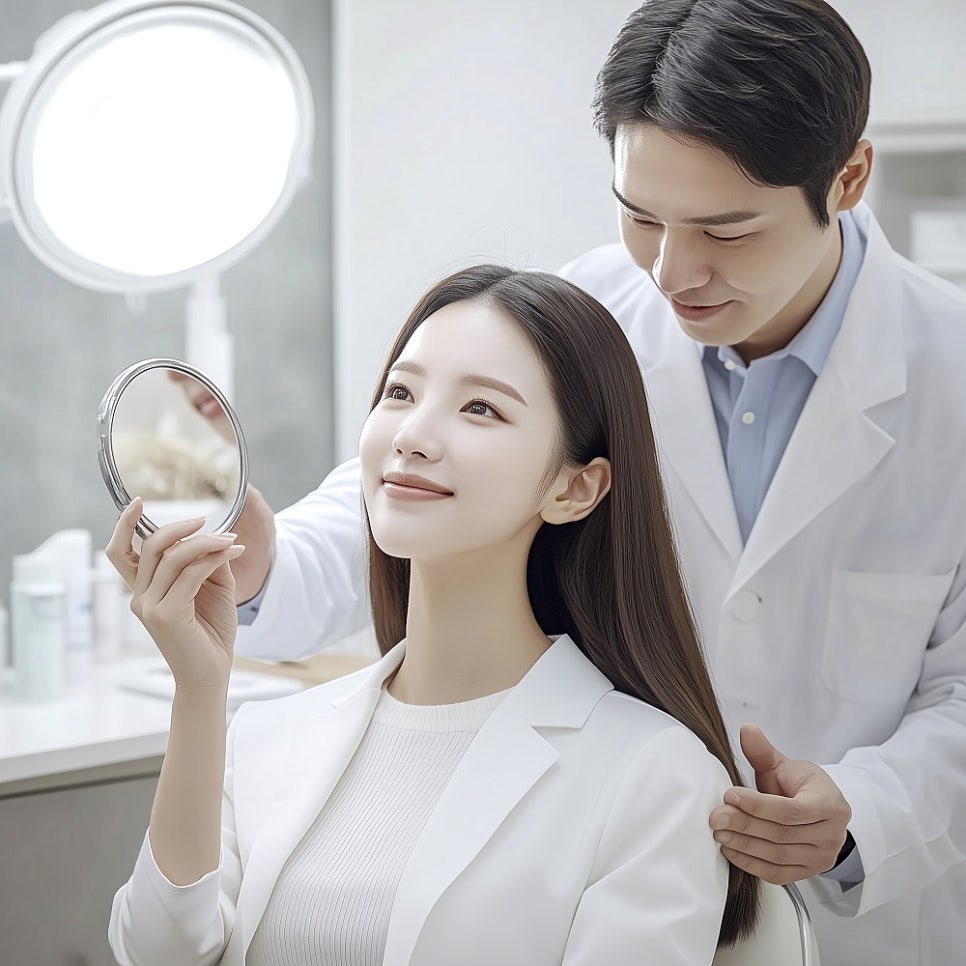
Therefore, to achieve satisfactory treatment results, it is important to receive an accurate assessment of your current skin condition through a consultation with a dermatologist. Choosing a treatment suited to your skin type and concerns based on the dermatologist’s assessment, and continuing with restorative care, sun protection, and lifestyle management after treatment, may help support more consistent and natural-looking changes in the skin.
�c




�c