Bang Chan-il, Director of 휴먼피부과 서울대점
Hello,
This is 휴먼피부과 서울대점.
Many people are concerned about brown patches spread across both cheeks or the forehead, but put off treatment because they believe they can simply cover them with makeup. However, melasma is often not a single pigment spot that suddenly appears one day. In many cases, it gradually becomes darker as the skin repeatedly reacts to ultraviolet rays and irritation. Its color may fade and then darken again depending on the season, lifestyle habits, and skin condition, so consistent observation is necessary.
When looking for a Nakseongdae melasma dermatology clinic, it is important to examine not only the visible pigmentation but also the extent and depth of the melasma and the skin’s sensitivity. Even pigmentation that looks like the same type of melasma may require different treatment and care depending on the condition of the skin, so an accurate diagnosis and treatment plan should be established from the beginning.

Nakseongdae Melasma Dermatology Clinic
Accurate Diagnosis Comes First
휴먼피부과의원 서울대점
Melasma Is Not Simply Surface Pigmentation
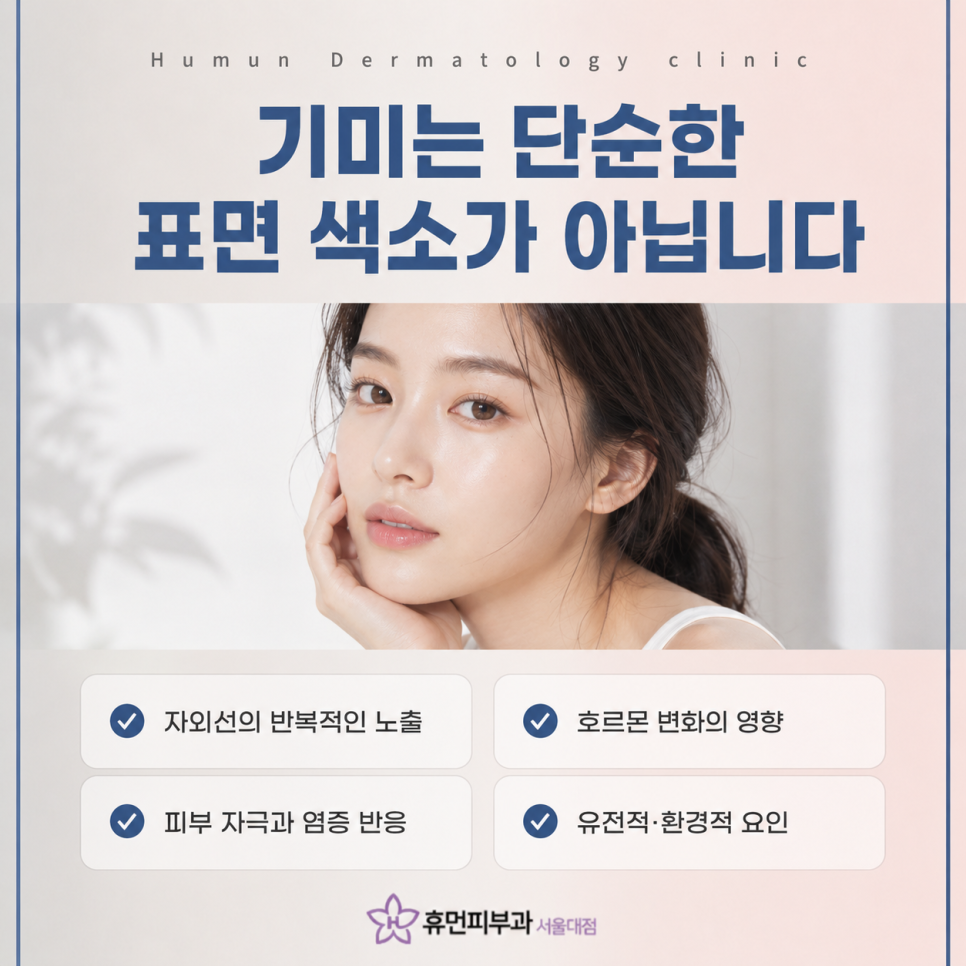
Melasma is not simply a problem caused by pigment sitting on the surface of the skin. Repeated exposure to ultraviolet rays can activate the cells that produce melanin, while changes in female hormones, pregnancy, and the use of oral contraceptives can also make pigmentation darker. Habits such as rubbing the skin strongly or using irritating cosmetics may trigger an inflammatory response and worsen melasma.
In addition, various environmental factors—including genetic predisposition, lack of sleep, stress, and high temperatures—can act together. Therefore, at a Nakseongdae melasma dermatology clinic, it is necessary to determine the treatment direction by considering not only the pigmentation but also the reasons the skin has recently become sensitive, the usual level of ultraviolet exposure, the cosmetics being used, and lifestyle habits.

Pigmentation Conditions That Look Similar May Be Different
Not all brown pigmentation that appears on the face is melasma. Melasma is generally characterized by relatively broad, symmetrical patches spreading across both cheeks, the forehead, and around the bridge of the nose. Freckles, on the other hand, often appear as multiple small spots scattered across the skin, while blemishes may have more distinct borders than melasma. Lentigines appear as brown spots, and their size or color may change over time.
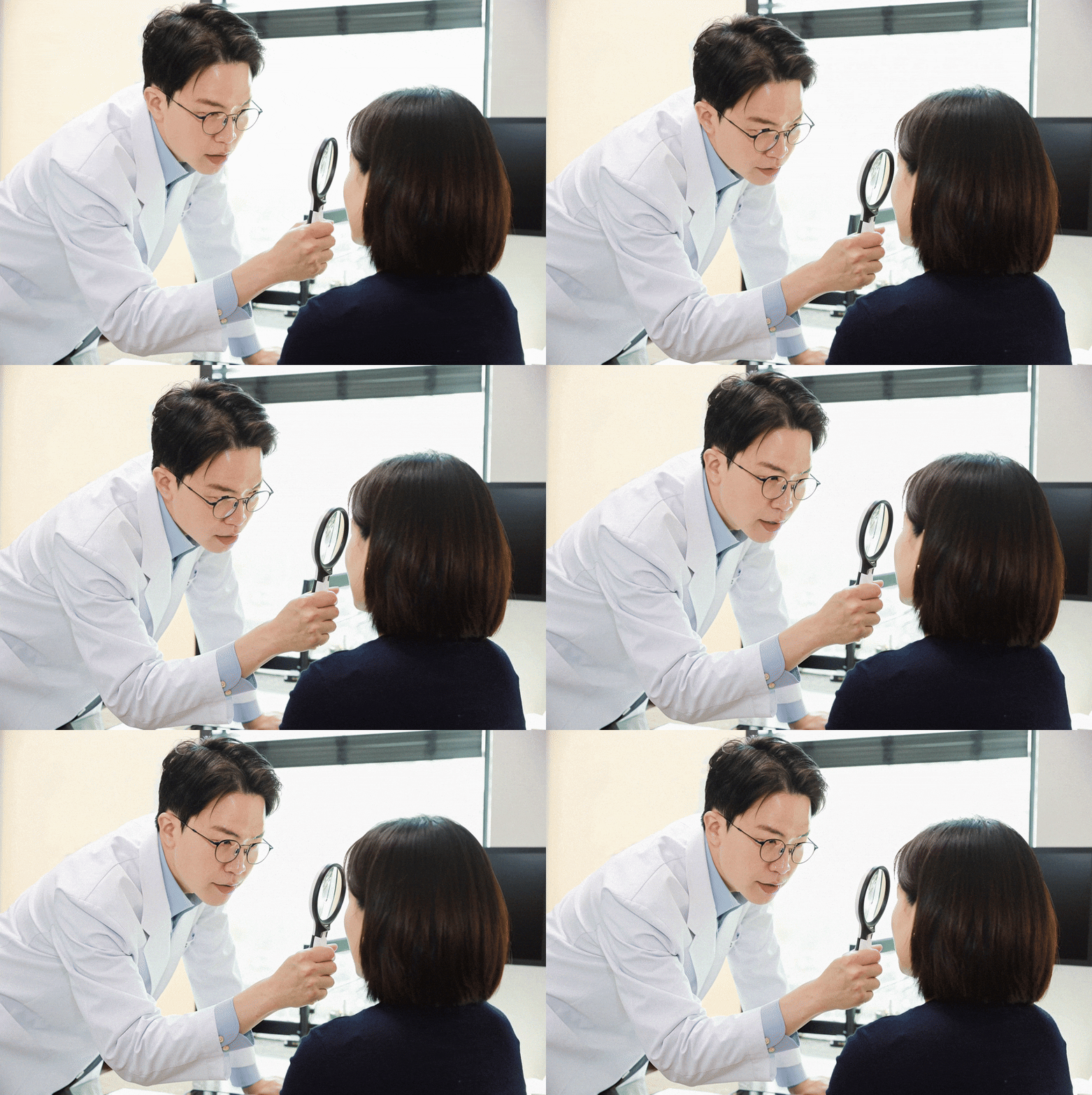
Repeating the same laser treatment without distinguishing between pigmentation conditions can make it difficult to achieve the expected changes and may instead make the skin more sensitive or cause the pigmentation to become darker. During a Nakseongdae melasma dermatology consultation, it is important to carefully examine the pigmentation’s shape, location, borders, and time of onset, as well as determine whether multiple pigmentation conditions are present together when necessary.
Melasma Treatment Varies Depending on the Skin Condition
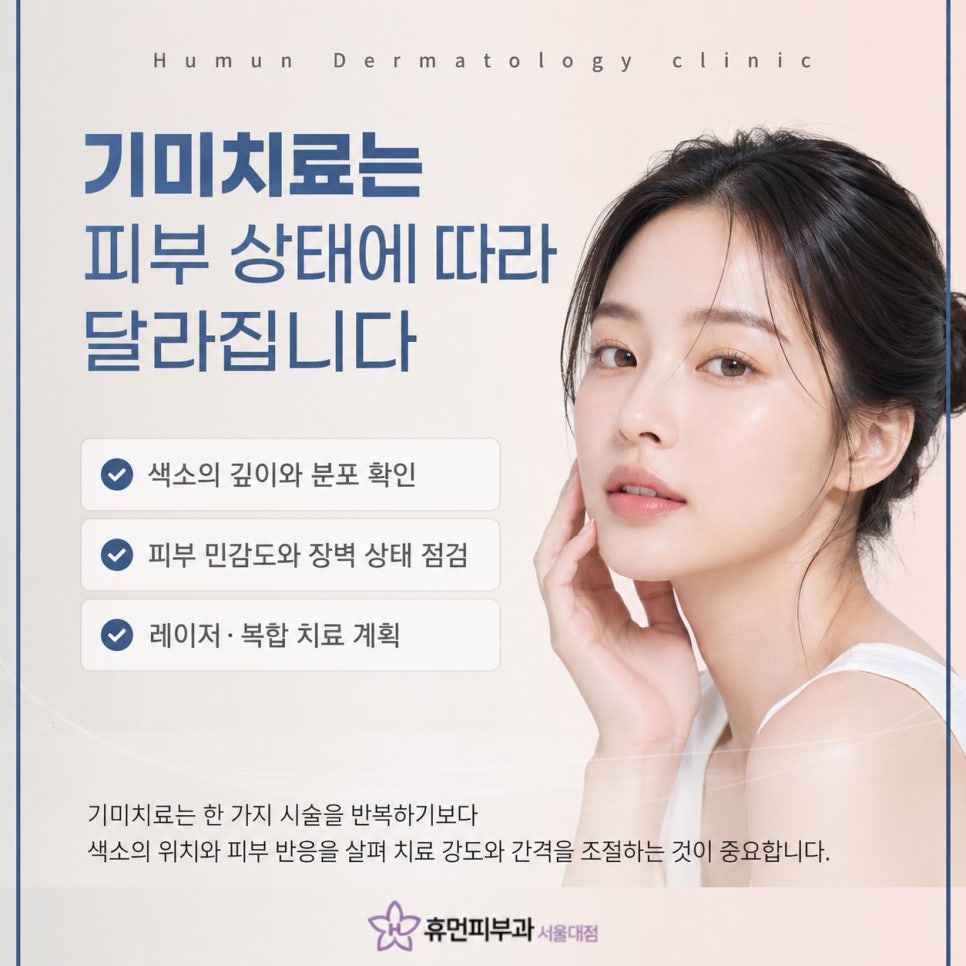
When planning melasma treatment, it is first necessary to determine how deeply the pigmentation is located in the skin and how broadly it is distributed across the face. The same treatment intensity cannot be applied to someone with thin skin that becomes red easily and someone with abundant sebum and a relatively strong skin barrier. The current level of skin sensitivity, redness, dryness, and inflammation must also be assessed to establish a more stable treatment plan.

Rather than repeating a single procedure, a Nakseongdae melasma dermatology clinic may consider lasers, skin-barrier care, and combined treatment methods when necessary. It is important to adjust the energy intensity and treatment intervals according to the location of the melasma and the skin’s response, while carefully refining the plan by checking how the skin changes after each session.
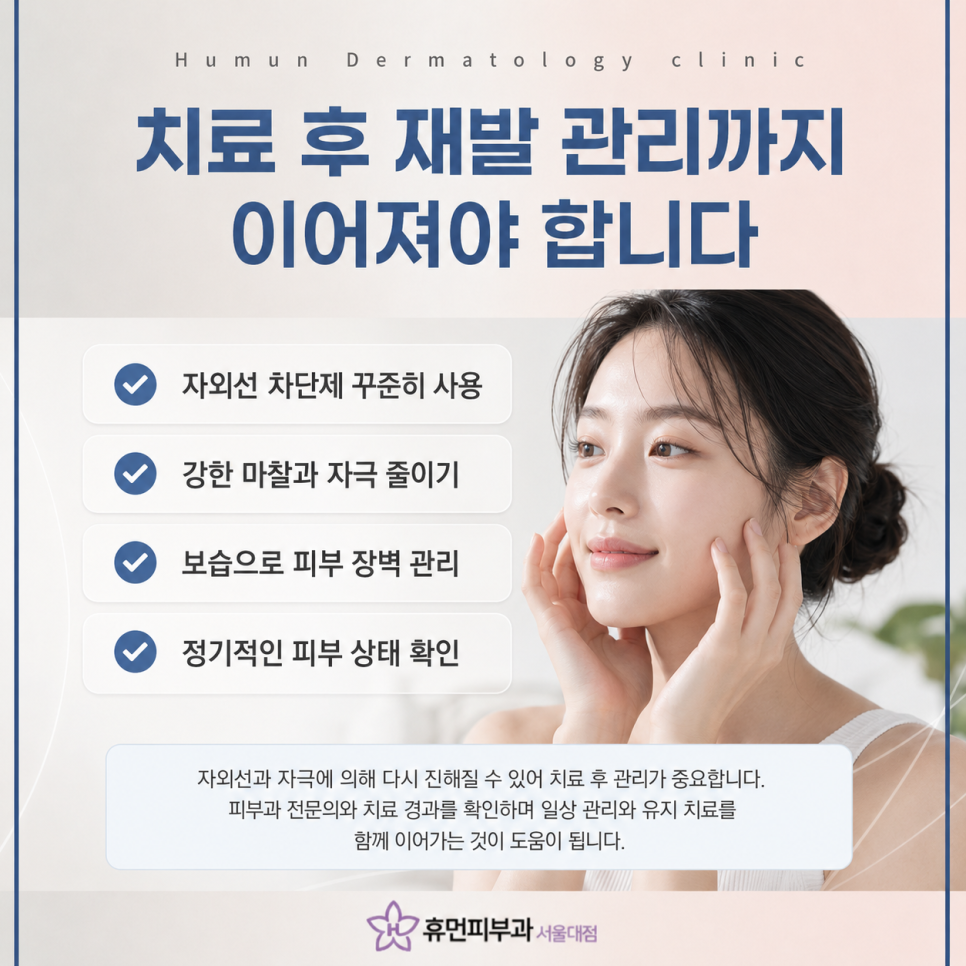
Post-Treatment Relapse Management Is Also Necessary
Even after melasma has become lighter following treatment, it may darken again due to ultraviolet rays, heat, and repeated skin irritation. When going outdoors, apply enough sunscreen regardless of the season or weather, and make a habit of reapplying it at regular intervals during prolonged outdoor activities. Actions such as rubbing the skin strongly while cleansing or applying makeup should also be reduced.
Consistently using moisturizer to keep the skin barrier comfortable can also help with relapse management. After receiving treatment at a Nakseongdae melasma dermatology clinic, it is advisable to check the skin regularly and monitor whether the pigmentation is returning or the skin is becoming more sensitive. Depending on the situation, continuing maintenance treatment together with daily care can help support more stable changes.
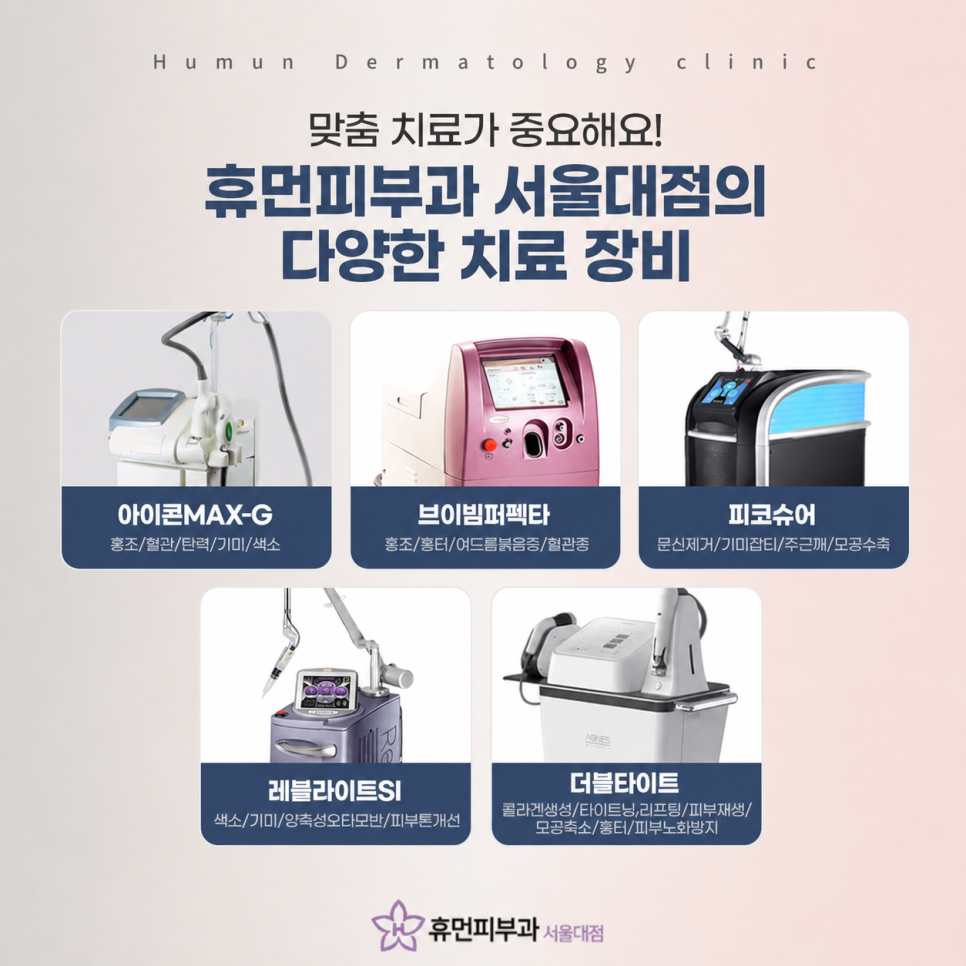
Why Treatment May Require Various Devices
Melasma often involves uneven pigmentation depth and distribution, and may also occur together with issues such as redness, enlarged pores, and reduced skin elasticity. 휴먼피부과 서울대점 is equipped with various skin treatment devices, including 아이콘MAX-G, 브이빔퍼펙타, 피코슈어, 레블라이트Sl, and 더블타이트, making it possible to consider the characteristics of each device according to the skin condition and treatment objective. However, the priority is not to use multiple devices together unconditionally, but to select the treatments currently needed for the skin.
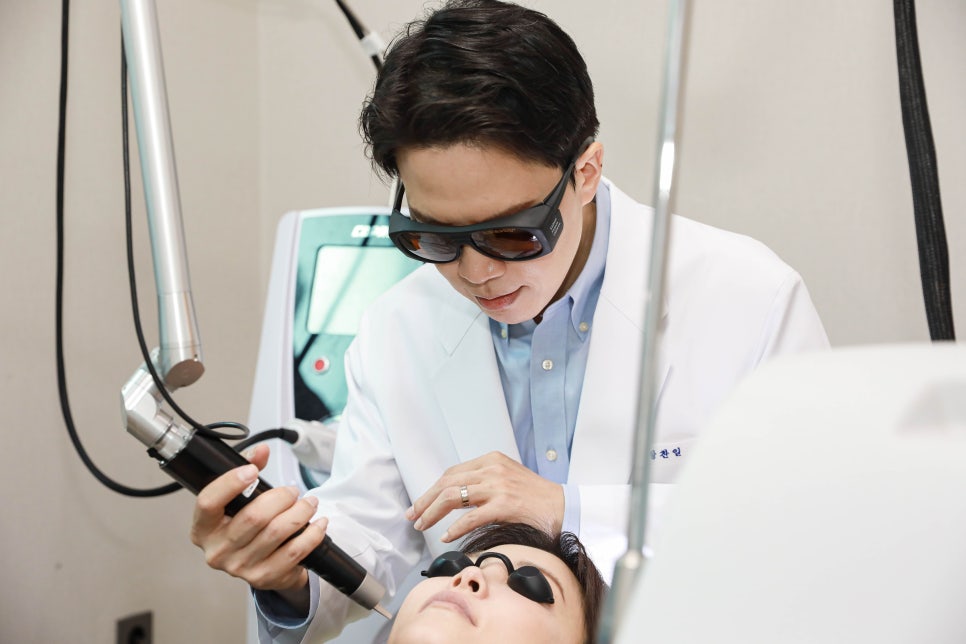
For example, the appropriate device and treatment sequence may vary depending on the form and depth of the pigmentation, whether vascular redness is also present, and the condition of the skin barrier. When choosing a Nakseongdae melasma dermatology clinic, it is important to check not only whether various devices are available but also whether a dermatologist personally diagnoses the skin and adjusts the intensity and intervals of each device. Devices are tools that support treatment; the key factors determining the treatment outcome are an accurate diagnosis and careful application.


Melasma is not a condition that can be quickly resolved by repeatedly undergoing intensive treatment over a short period. Because pigmentation may become darker when the skin is irritated, the treatment process should involve monitoring not only changes in pigmentation but also skin reactions such as redness, dryness, and stinging. When the skin is not in good condition, it may be necessary to reduce the treatment intensity or prioritize recovery of the skin barrier.
If you are considering a consultation at a Nakseongdae melasma dermatology clinic, consult a dermatologist to accurately distinguish melasma from other pigmentation conditions and establish a treatment plan suited to your current skin condition. Adjusting the devices, intensity, and treatment intervals according to the treatment progress, while consistently continuing sun protection, moisturizing, and irritation management, may help support more natural and stable changes in the skin.