The Value Beyond Skin ㅣ Human Dermatology Clinic, Seoul National University Branch
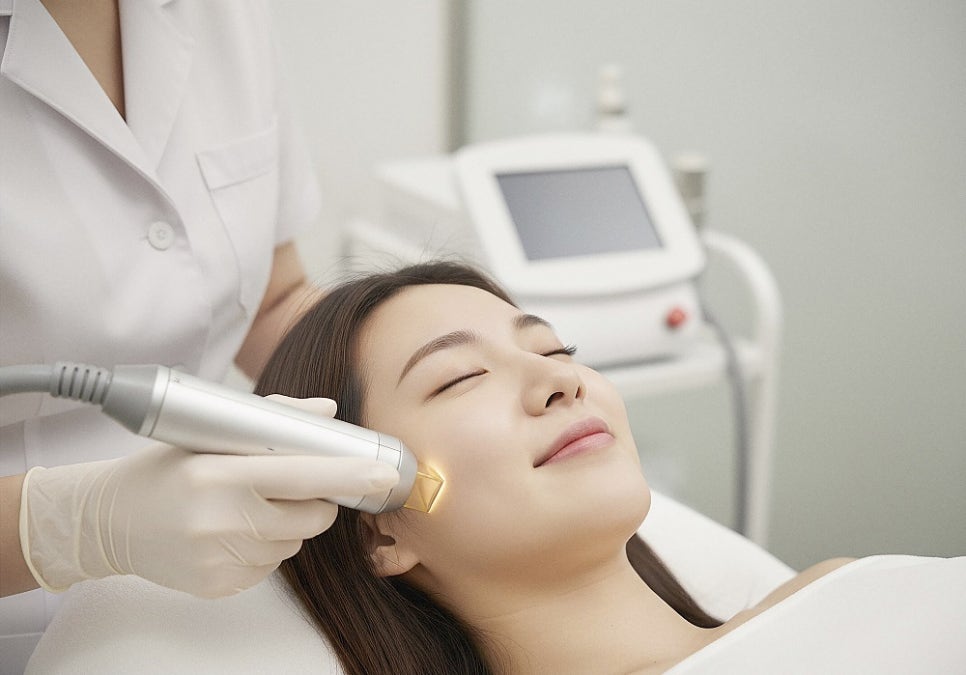
It is only natural to feel concerned when small scabs form on the surface of your skin after a laser treatment. You may feel them catch when washing your face or find that they stand out when applying makeup, making you want to remove them quickly. However, scabs that form after a treatment can be a natural reaction that occurs as the skin heals.
In particular, after pigment laser treatments, mole removal, and certain treatments for scars or pores, the skin’s surface may be temporarily irritated, causing fine scabs to form. For this reason, it is best to wait until the scabs fall off naturally, as forcibly removing them may damage the skin while it is still healing.
Why Do Scabs Form After a Laser Treatment?
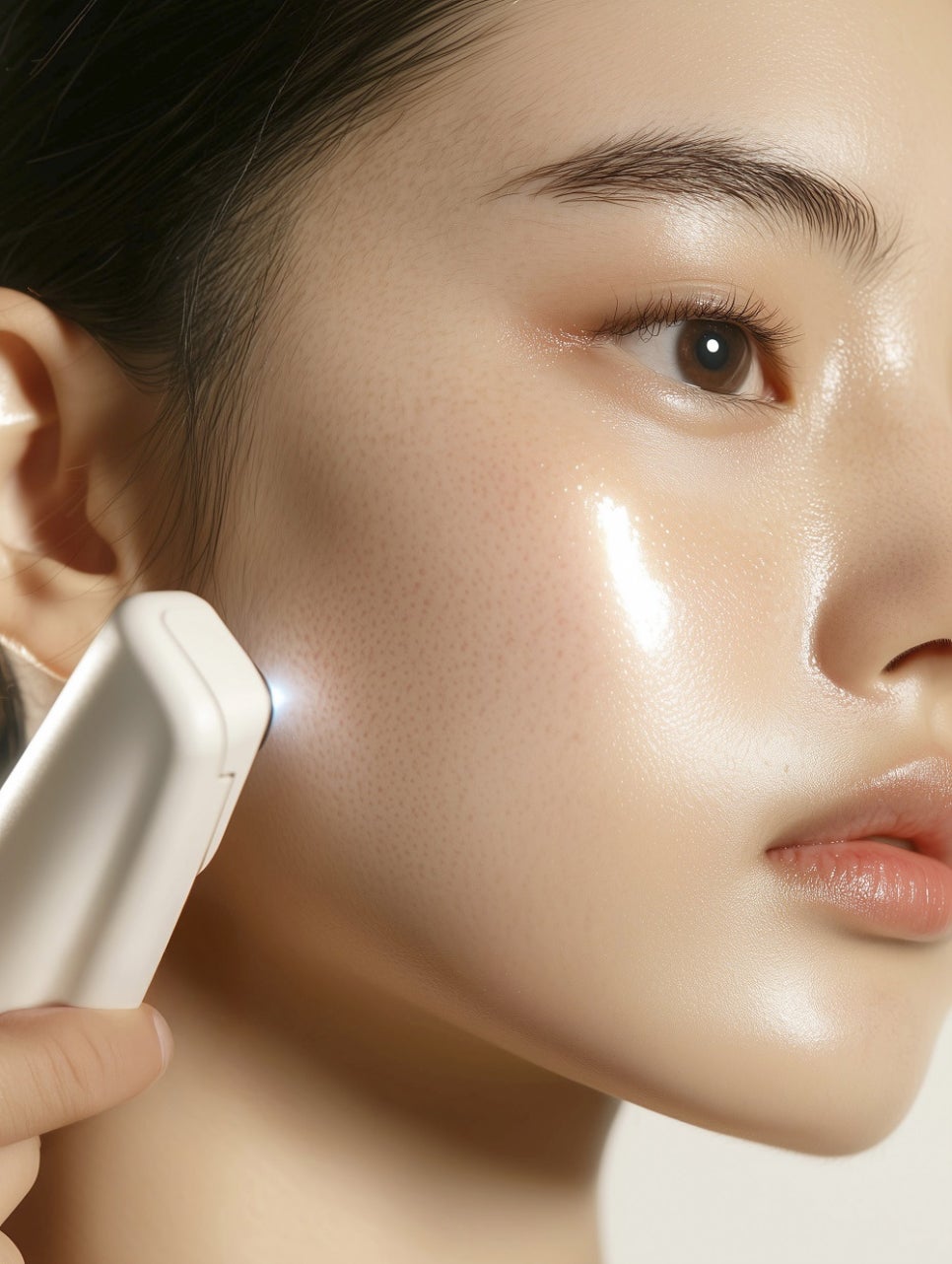
Laser treatments deliver energy to the skin to improve concerns such as pigmentation, moles, blemishes, pores, scars, and skin elasticity. As the surface of the skin or the treated area is stimulated, small scabs or flakes may form during the healing process. Scabs protect the damaged area and shield it from external irritation while new skin develops.
The formation of a scab does not necessarily mean that something is wrong. Depending on the type and intensity of the treatment and your skin type, scabs may or may not form. However, if the area around the scab becomes severely swollen, the pain increases, or oozing or a sensation of heat persists, it may not be a simple healing reaction, so it is best to contact a dermatology clinic.
Why Is It Bad to Remove a Scab by Force?
If you remove a scab that formed after a laser treatment with your hands, the skin that has not yet fully healed may be damaged as well. This can cause red marks to remain for a long time or lead to hyperpigmentation, and in some cases may result in scarring. In particular, people with thin or sensitive skin may heal more slowly even after minor irritation.
It is also best to avoid rubbing or scratching the scab simply because it bothers you. Rubbing vigorously while washing your face or drying roughly with a towel can also cause the scab to come off. Since it is best for a scab to fall off naturally when the skin is ready, it is important to minimize irritation as much as possible during the healing period.

How Should I Care for an Area Where a Scab Has Formed?
It is best to keep the area with the scab clean without touching it excessively. Wash your face gently with lukewarm water, taking care not to rub it with your hands or a towel. After washing, apply a thin layer of the regenerative cream or moisturizer recommended by your dermatology clinic to prevent the skin from becoming dry.
Sun protection is also very important. Newly formed skin after a scab falls off may be more sensitive to ultraviolet rays and therefore more prone to hyperpigmentation. When going outside, apply sunscreen thoroughly, and using a hat or parasol may also be helpful. While you have scabs, it is also best to avoid activities that may increase skin heat, such as saunas, heated bathhouses, alcohol consumption, and strenuous exercise.

Scabs that form after a laser treatment can be a reaction that occurs as the skin heals, so it is best not to remove them by force. Because forceful removal may increase the likelihood of red marks, hyperpigmentation, and scarring, it is important to wait until they fall off naturally while continuing moisturizing and regenerative care, along with thorough sun protection.
However, the appearance of scabs and the healing time may vary depending on the type of treatment and the condition of your skin. If the area around the scab becomes severely red or if pain, oozing, or a sensation of heat persists, it is best to have it checked accurately through a consultation with a dermatologist. Based on a specialist’s diagnosis, checking your post-treatment healing and adjusting regenerative care, soothing treatments, or plans for additional procedures when necessary can help support a more stable recovery and satisfactory changes in your skin.