Human Dermatology Clinic Seoul National University Branch
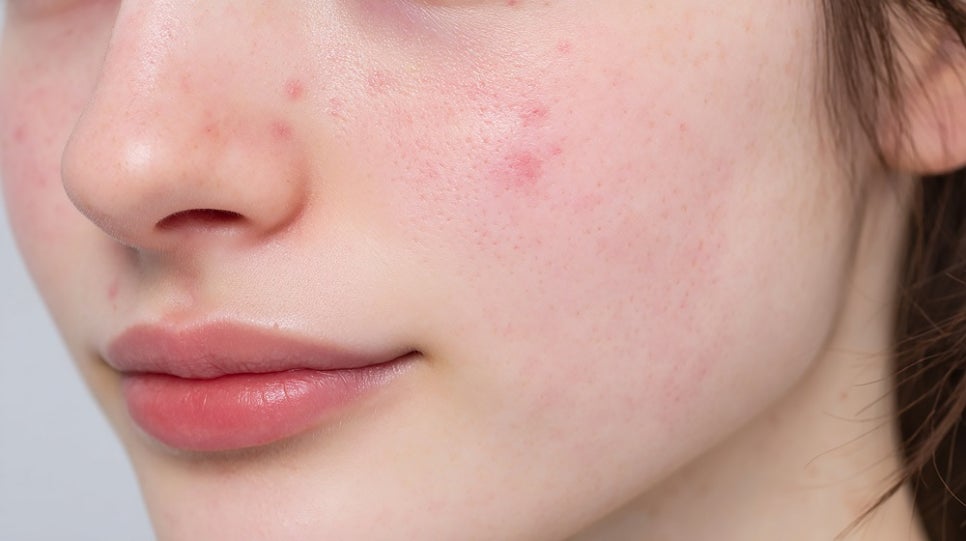
When speaking with people who visit a dermatology clinic because of acne, we are often asked, “Could my acne have gotten worse because I’ve been eating fried foods or chicken frequently lately?” When the timing of a breakout overlaps with a period of eating a lot of greasy food, it is easy to naturally assume that food is the cause. In reality, acne can be affected by dietary habits, but it is difficult to explain the cause of acne by greasy foods alone.
Acne develops through the combined effects of various factors, including increased sebum production, the inadequate shedding of dead skin cells from pores, inflammatory responses, and hormonal changes. In addition, lack of sleep, stress, cosmetic-use habits, and diet can also have an influence. Therefore, rather than assuming that acne develops immediately after eating a particular food once or twice, it is better to consider your overall lifestyle habits together.
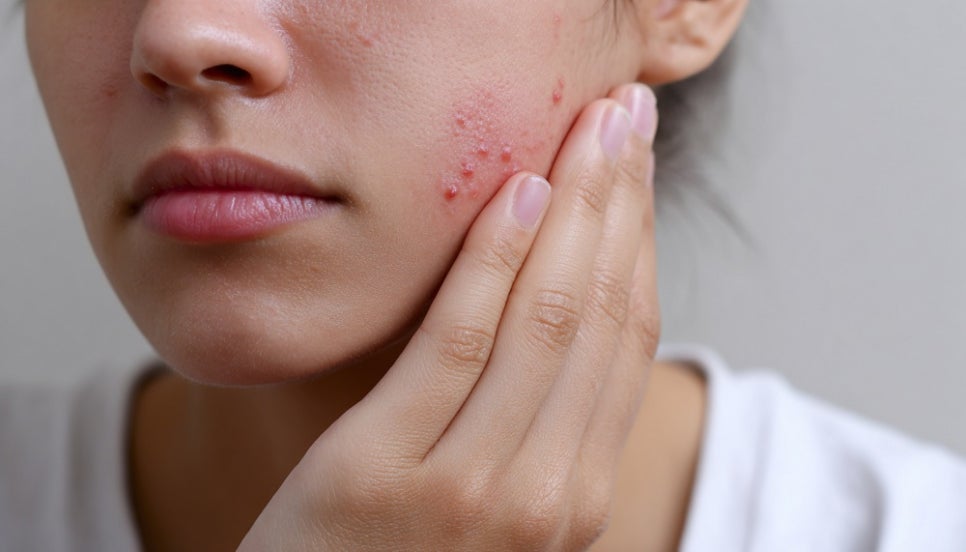
Does eating greasy food immediately increase sebum production in the skin?
Many people think that when they eat fatty foods such as pork belly or fried food, the oil is directly released through the skin and increases sebum production. However, the fat consumed through food does not immediately turn into facial sebum. Sebum production is influenced by various factors, including hormones, genetic characteristics, and skin type, so it is not determined simply by the greasiness of food.
Therefore, there is no need to worry excessively or completely eliminate certain foods simply because you have been eating greasy food. However, greasy foods such as fried food and fast food are often consumed together with refined carbohydrates or sugars, so it is worth looking at your overall eating pattern. When managing acne, recurring dietary habits may be more important than any single food.
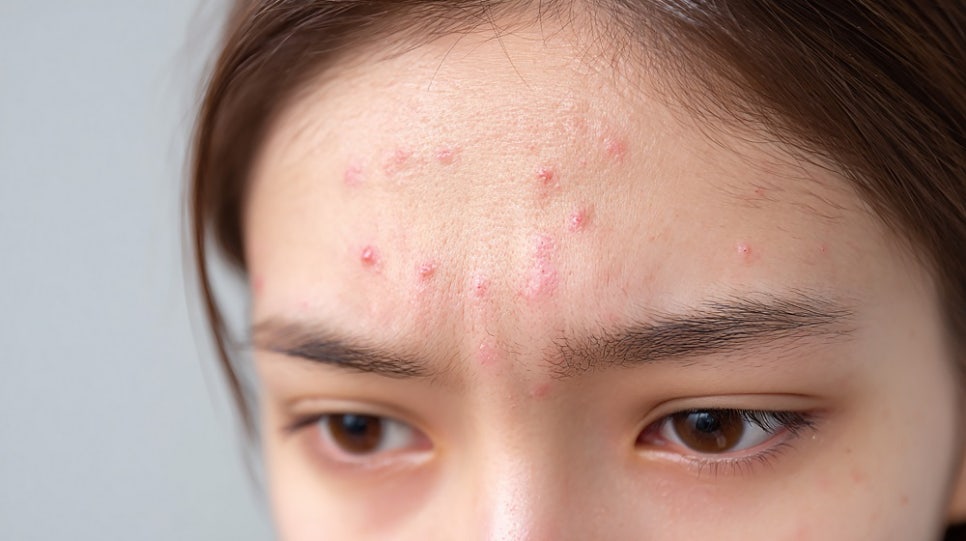
For acne, look at eating habits that rapidly raise blood sugar rather than focusing on “oil”
One of the aspects of the relationship between acne and dietary habits that has been studied relatively extensively is food that rapidly raises blood sugar. Frequently consuming foods high in refined carbohydrates and simple sugars, such as white bread, snacks, cake, and sweetened beverages, may affect blood sugar and insulin-related responses, and may also influence signals involved in sebum production and the formation of dead skin cells.
Of course, eating these foods does not cause acne in everyone. Skin reactions can vary greatly from person to person, even when people eat the same foods. However, if you frequently consume sweetened beverages, snacks, late-night meals, or fast food during a period when acne keeps recurring, gradually adjusting your diet while observing changes in your skin may be helpful.
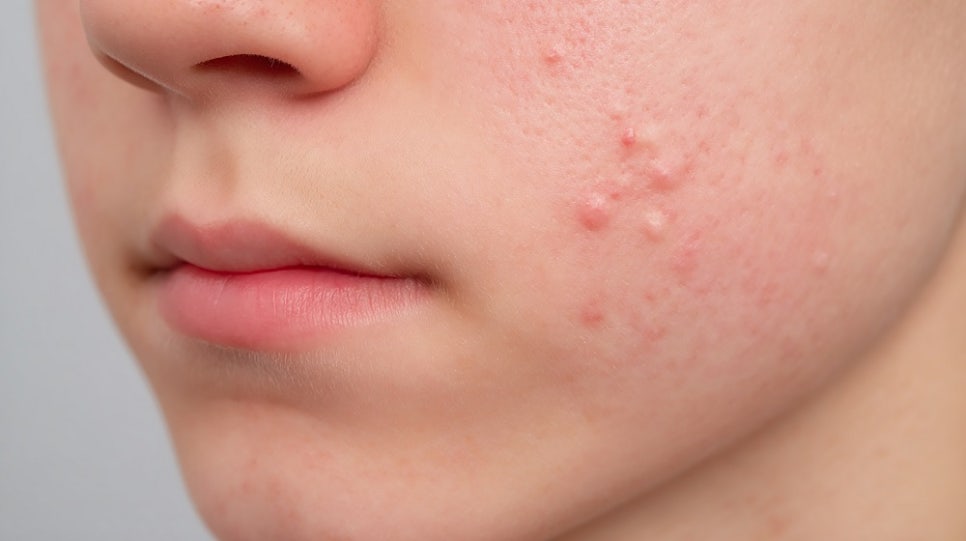
Observe how your skin reacts rather than completely avoiding one particular food
When acne develops, some people stop eating several foods at once, including chocolate, milk, cheese, and fried food. However, we do not recommend maintaining an overly restrictive diet for a long time, as it can instead disrupt dietary balance. This is also because there is no specific food that worsens acne in the same way for everyone.
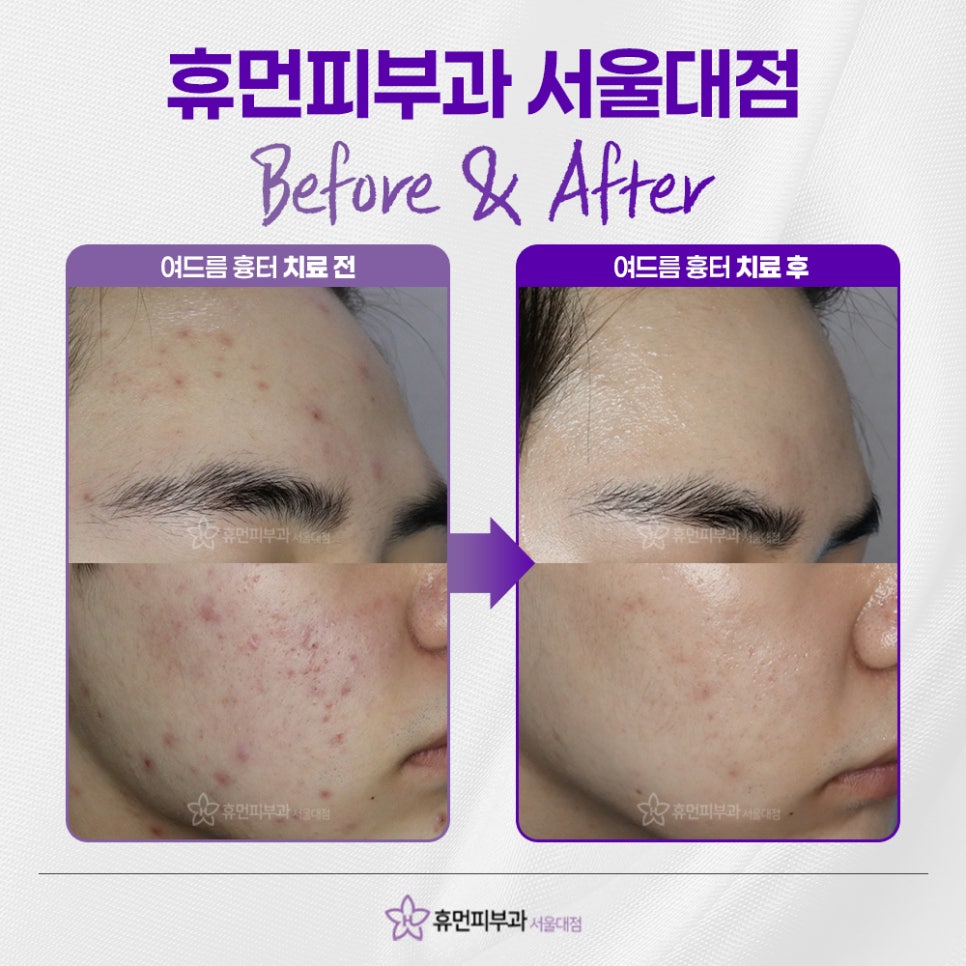
Human Dermatology Clinic Seoul National University Branch: Before and after scar treatment
If you feel that breakouts repeatedly worsen after eating a particular food, it may be helpful to keep a simple record of your meals and skin condition. Rather than making a judgment based on changes over just a few days, observe your skin over a set period while also considering other factors such as sleep, your menstrual cycle, and stress. This can help you identify more specifically which habits affect your skin instead of restricting foods unconditionally.
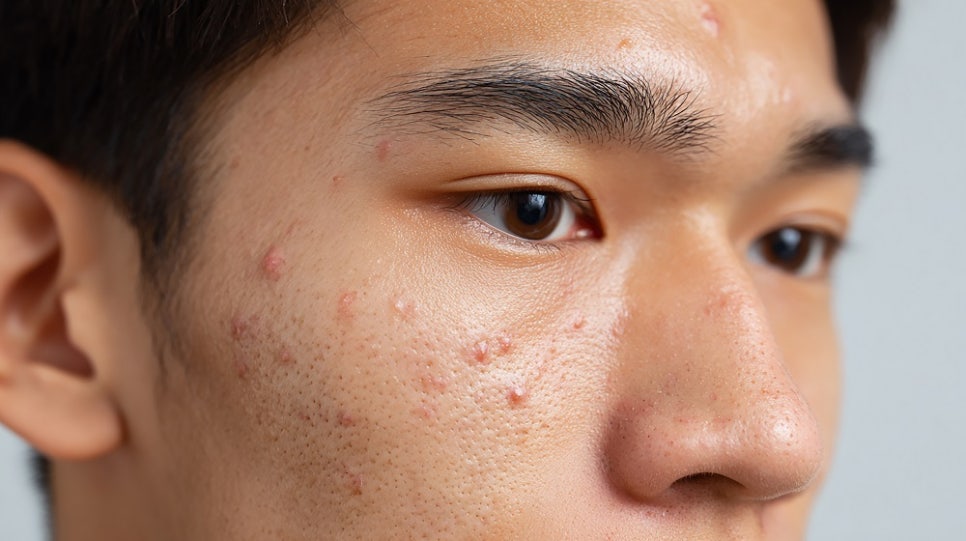
Acne management requires both dietary habits and skincare
Adjusting your diet does not make existing acne disappear immediately. Because acne is a skin condition involving inflammation inside the pores, cleansing and dietary management alone are often not enough. In particular, if red, painful inflammatory acne keeps recurring or deep acne continues to develop around the chin and cheeks, it is advisable to consider appropriate treatment before scars or hyperpigmentation remain.
In daily life, eat regular meals and consume a balanced variety of nutrients, including vegetables and protein. It is advisable to reduce the habit of frequently eating excessively sweet or refined foods and late-night meals, and it is important not to wash your skin excessively or squeeze it with your hands. Repeatedly scrubbing or exfoliating in the hope of getting rid of acne quickly can irritate the skin barrier and may instead worsen redness and inflammation.
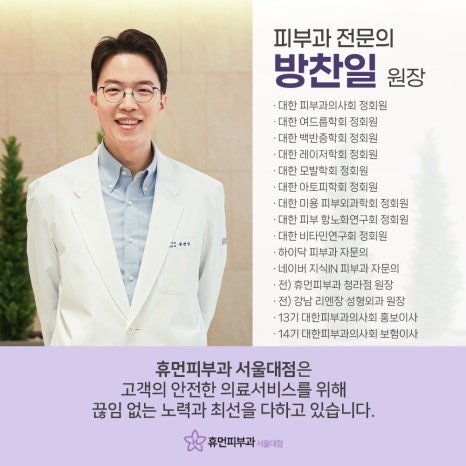
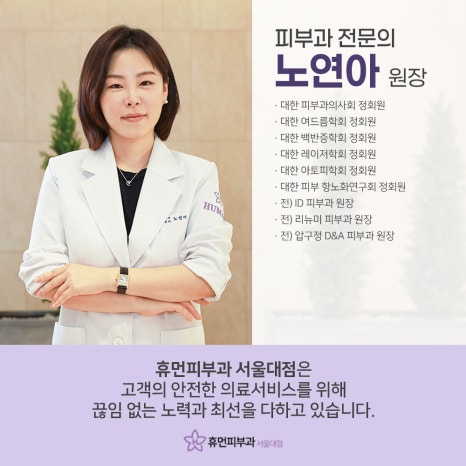
In conclusion, it is difficult to say definitively that greasy foods themselves are a direct cause of acne. Rather, acne is a skin condition in which multiple factors work together, including sebum, dead skin cells, hormones, inflammatory responses, and lifestyle habits. Therefore, instead of treating one food as the culprit, it is better to review your recent dietary habits, sleep, stress, and cosmetic-use habits together.
Acne treatment can also vary depending on its visible appearance. The approach differs depending on whether it is comedonal acne that appears as small bumps, red and pus-filled inflammatory acne, or acne already accompanied by hyperpigmentation or scarring. If recurring acne has led you to restrict your diet excessively, rather than worrying about it on your own, consider consulting a dermatologist to identify your current type of acne and aggravating factors, and to plan treatment and lifestyle management suited to your skin condition.
Human Dermatology Clinic Seoul National University Branch
Director: Acne/Scar Treatment
View the column