Lucid Dental Clinic ㅣ Gangnam Dental Clinic ㅣ Nonhyeon-dong Dental Clinic ㅣ Yeoksam-dong Implants
Gangnam dental clinic, Nonhyeon-dong dental clinic, Yeoksam-dong dental clinic, Nonhyeon-dong implants, Yeoksam-dong implants, laminate veneers, orthodontics, clear aligner orthodontics, Lucid Dental Clinic, a reliable clinic that provides honest treatment without unnecessary procedures
www.teethlucid.com
Hello!
This is Lucid Dental Clinic.
Hello, this is Lucid Dental Clinic in Nonhyeon-dong.
Today, we will share information about 'wisdom tooth extraction.'
What is a wisdom tooth?
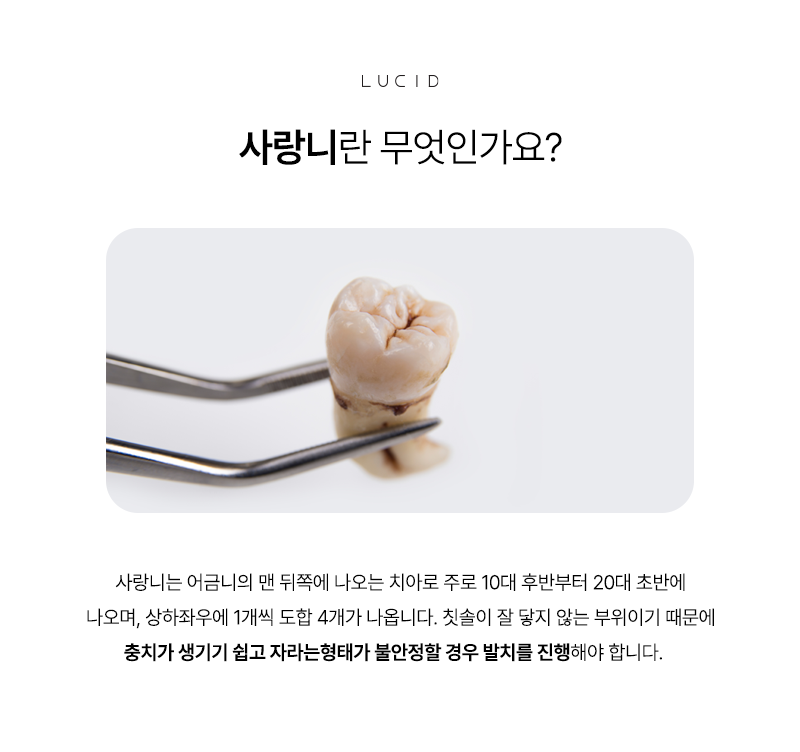
The tooth we commonly call a wisdom tooth refers to the third molar, the third tooth in the large molar position.
It is the tooth that erupts the latest in the oral cavity, usually beginning to come in around ages 17 to 25 after puberty. This is a time when curiosity about the opposite sex is strong, and because it hurts as if suffering from first love when a new molar comes in, it came to be called a “wisdom tooth.”
It is also called a wisdom tooth because it appears at the time when one gains the wisdom to distinguish right from wrong.
When all are present, there are four in total, one each in the upper and lower jaws on the left and right. About 7% of people do not have wisdom teeth at all, and the number present in the mouth or erupting varies from person to person, ranging from 1 to 4.
Wisdom teeth can sometimes erupt normally and be maintained cleanly, with no problems in use. However, because they are often located at the very back end of the dental arch where there is not enough space, they can be difficult to care for and may cause various diseases, so it may be helpful to know this through a Nonhyeon-dong dental clinic.
The shape of a wisdom tooth is normally similar to that of a regular molar, but because it tends to gradually regress, its shape and size can vary from person to person.
The crown may be very small, appearing as a dwarf tooth, or the crown may be abnormally large.
The pits and grooves on the chewing surface tend to be deeper and rougher than those of ordinary molars, so if hygiene is neglected, they can easily become exposed to cavities.
Because various root variations can make extraction difficult, it is best to proceed safely at a place with skilled know-how when having a wisdom tooth extracted.
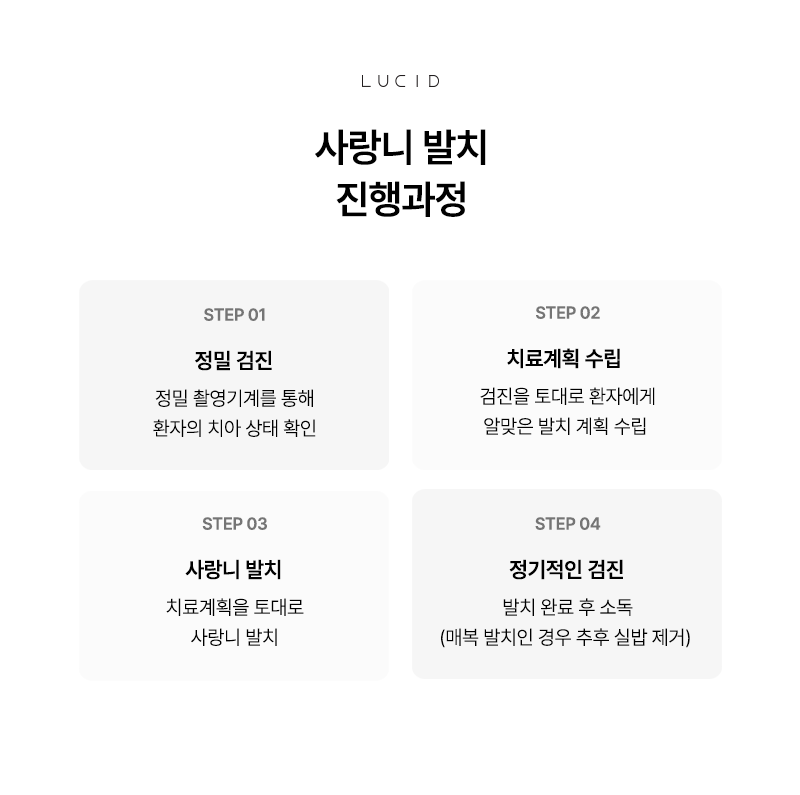
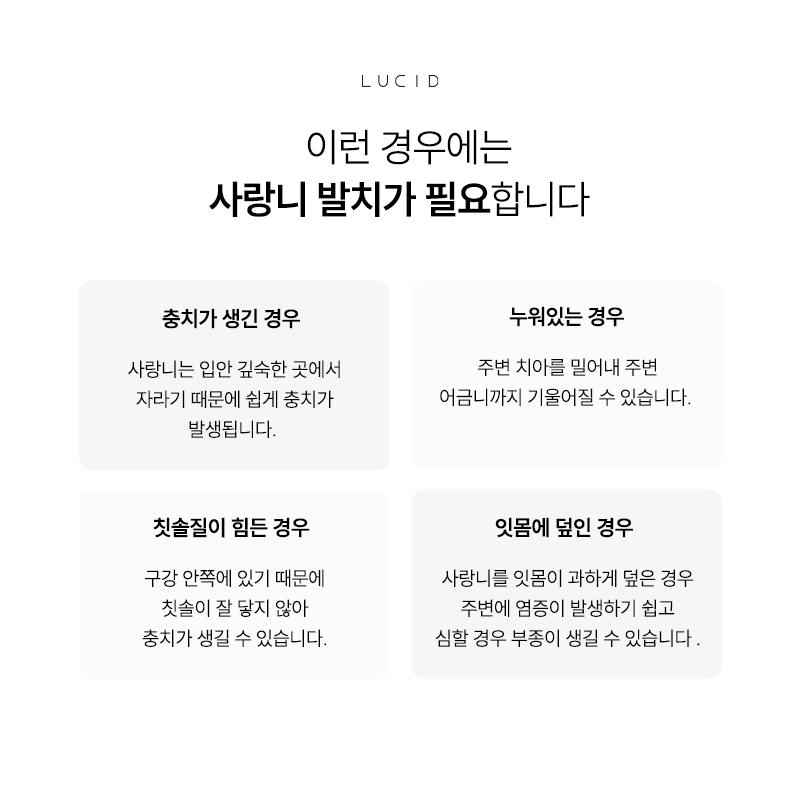
Cases where wisdom tooth extraction is needed
If treatment for a wisdom tooth is delayed, hygiene management becomes difficult, causing cavities to spread to nearby teeth and gum disease to develop.
Therefore, if any of the following situations apply, it is important to receive treatment at the appropriate time.
If you have these symptoms, it is important not to miss the golden time and receive appropriate treatment.
What is the wisdom tooth extraction process?
Wisdom tooth extraction performed at a Nonhyeon-dong dental clinic is more difficult than regular tooth extraction. In the case of impacted wisdom teeth, the gums must be incised and the tooth divided, so before extraction, precision diagnostic equipment is used to check the type, condition, location, and proximity to nerve tissue of the wisdom tooth. After establishing a 1:1 customized treatment plan, anesthesia is administered to reduce pain, and then the tooth is extracted.
After the extraction, you must be sure to follow the aftercare instructions, and you should be careful because neglecting them may lead to infection.
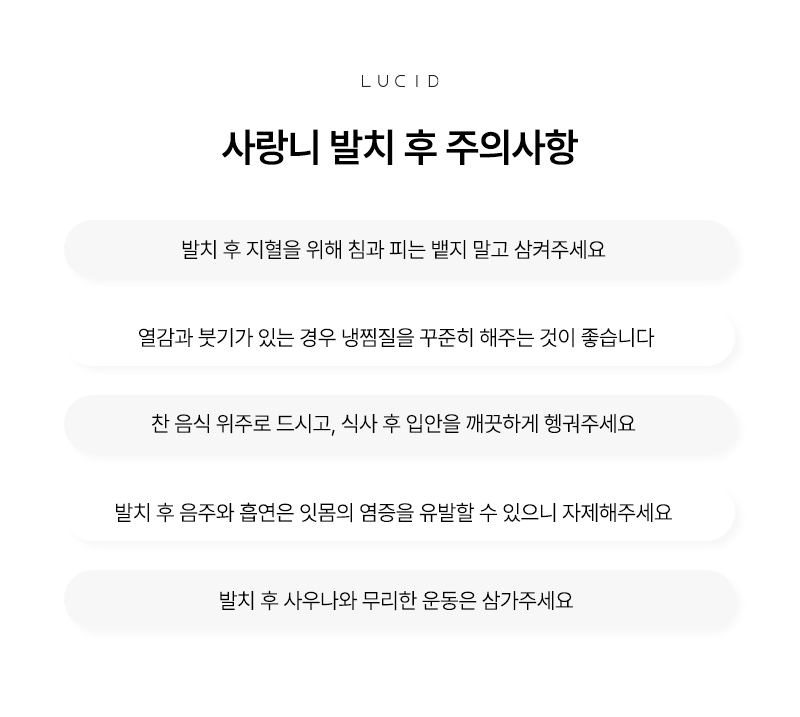
Post-extraction precautions for wisdom teeth
-
After extraction, do not spit out saliva or blood; swallow them for hemostasis.
-
If there is warmth or swelling, it is a good idea to apply cold compresses consistently.
-
Eat mainly cold foods and rinse your mouth thoroughly after meals.
-
Drinking alcohol and smoking after extraction can cause gum inflammation, so please refrain from them.
-
Avoid saunas and strenuous exercise after extraction.
Wisdom tooth extraction is not necessary for everyone.
Some people’s wisdom teeth grow normally and do not cause any problems.
In such cases, it is important to check the condition of the wisdom teeth through regular checkups at a Nonhyeon-dong dental clinic and take appropriate action when needed.
If wisdom teeth grow healthily, you can get by without special treatment.
It is important to improve your understanding of wisdom teeth and manage your personal oral health. Regular dental checkups and proper oral hygiene habits can go a long way in preventing problems caused by wisdom teeth.
Thank you.
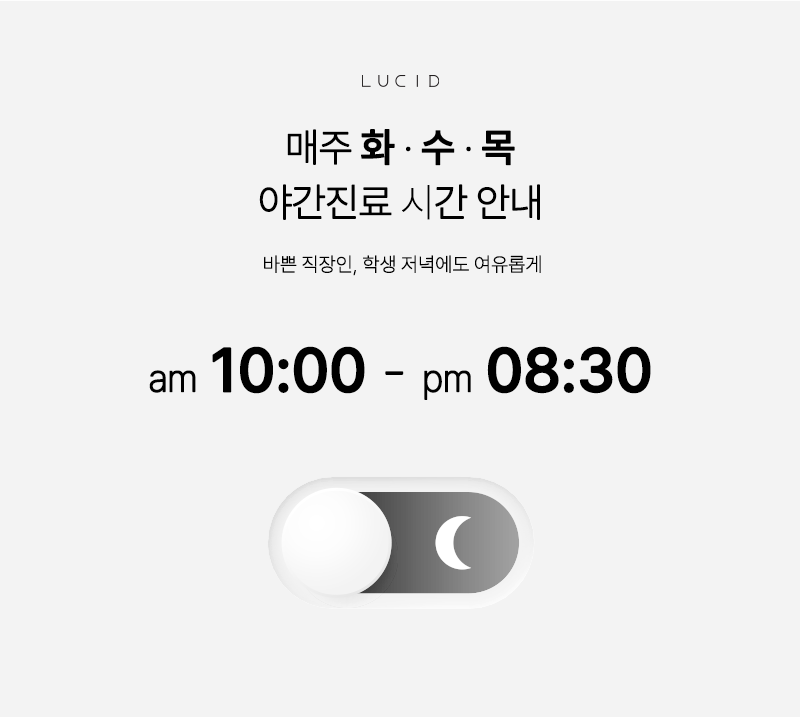
Lucid Dental Clinic
3rd–4th Floors, Coway Building, 606 Nonhyeon-ro, Gangnam-gu, Seoul