Hello!
This is Lucid Dental Clinic.
Today, we would like to tell you about 'cavity prevention methods' and practical ways to keep your teeth healthy.
If you have been interested in cavity prevention or are curious about it, I am sure this will be helpful to read.
If you have any additional questions, please feel free to leave a comment anytime.
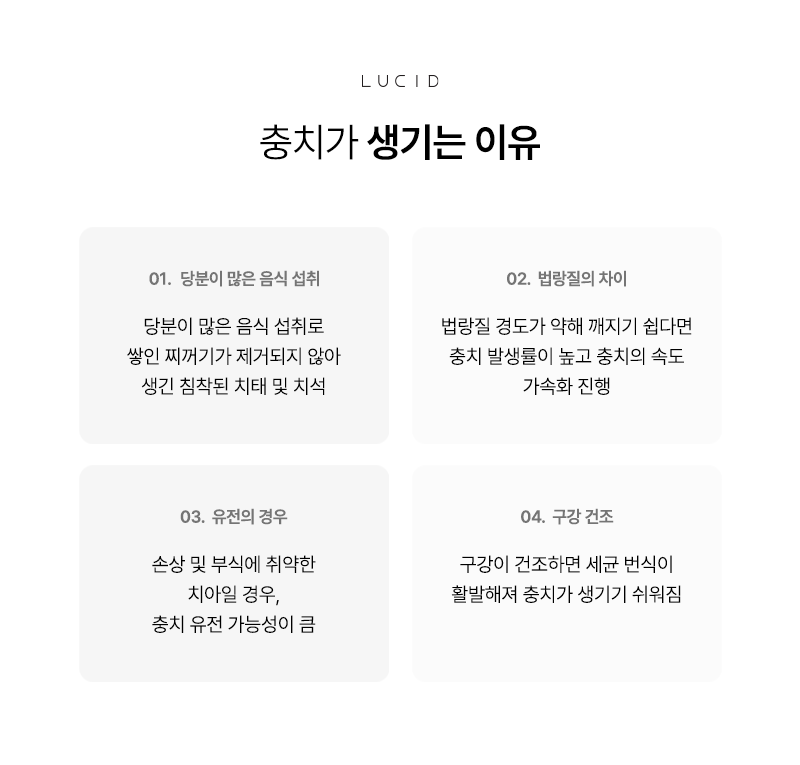
What is a cavity?
A cavity is a condition in which the tooth enamel is damaged and forms a hole.
It occurs when acids produced as cavity-causing bacteria (most commonly Streptococcus mutans) break down the sugars in food and erode the teeth.
In the early stages, cavities usually do not cause much pain, but as they progress, they can cause tooth sensitivity and pain.
If left untreated, they can even damage the nerves.
That is why prevention is more important than anything else when it comes to cavities.
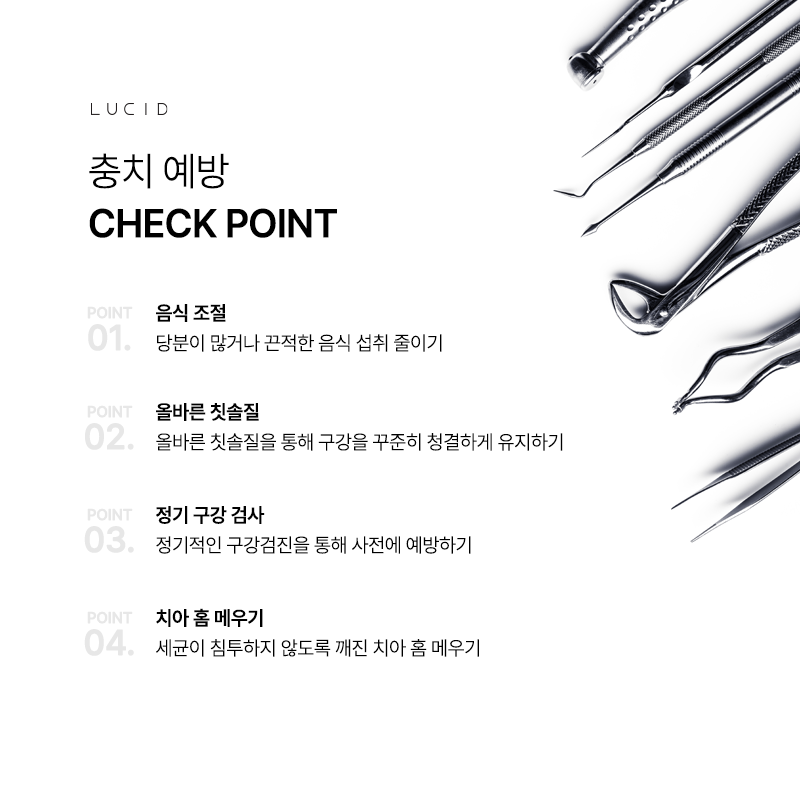
Develop the habit of brushing properly
The most basic way to prevent cavities is to practice proper brushing.
Brushing frequency
Brush at least 2 to 3 times a day, and be sure to brush after meals and before going to bed.
Proper brushing method
Tilt the toothbrush at a 45-degree angle and gently clean between the gums and teeth.
Brushing in small circular motions is effective, and you should carefully clean every surface of each tooth.
Choosing the right toothbrush
If the bristles are too hard, they can irritate the gums, so use a soft-bristled toothbrush and replace it every 2 to 3 months.
Using floss and mouthwash
Brushing alone makes it difficult to completely remove food particles and plaque stuck between teeth.
Using floss
It is important to use floss once a day to keep the spaces between teeth clean.
Using mouthwash
Using an antibacterial mouthwash can reduce bacteria in the mouth and help prevent bad breath.
Maintain healthy eating habits
Cavities are closely related to poor eating habits.
Reducing sugar intake
Foods high in sugar (such as candy, chocolate, and carbonated drinks) become food for cavity-causing bacteria and create acids, so intake should be reduced.
Xylitol intake
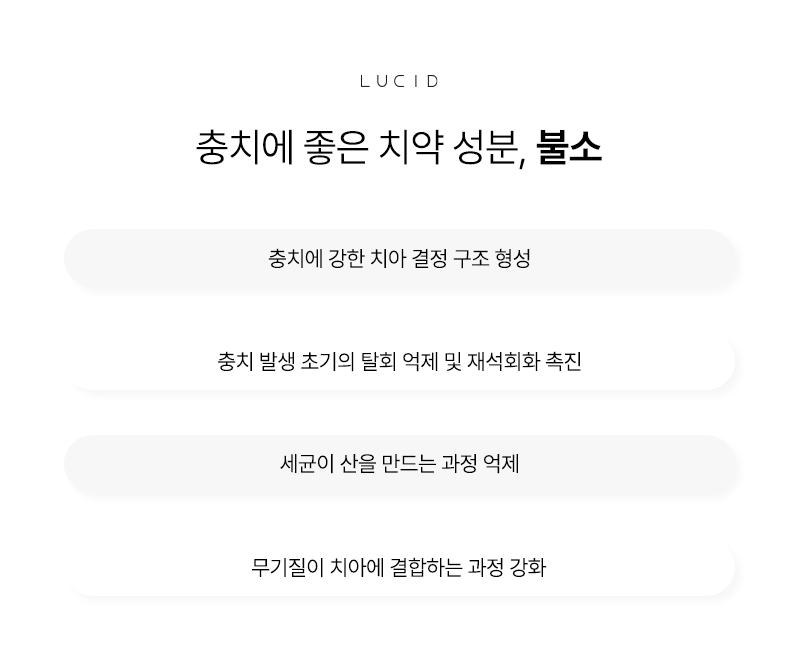
Xylitol helps inhibit the growth of cavity-causing bacteria, so chewing gum containing xylitol can help prevent cavities.
Calcium and vitamin D intake
For dental health, it is good to eat calcium-rich foods such as dairy products, fish, and nuts.
Vitamin D helps with calcium absorption and contributes to forming strong teeth.
Drink water often
Drinking water frequently helps wash away bacteria and debris in the mouth, and drinking water that contains fluoride is especially helpful for preventing cavities.
Receive regular dental checkups
It is important to detect and treat cavities early.
Regular checkups
It is desirable to visit the dentist at least once every 6 months for a checkup and receive preventive treatment (such as scaling and fluoride application) before cavities develop.
Scaling
When tartar builds up, bacteria can multiply and cause cavities and gum disease, so it is desirable to receive scaling regularly 1 to 2 times a year.
Cavity prevention methods you can practice in daily life
Rinse with water after eating
If brushing after meals is difficult, it is good to rinse your mouth with water to remove food debris.
Chew sugar-free gum after meals
This helps stimulate saliva production, lower the acidity in the mouth, and protect the teeth.
Quit smoking and limit alcohol
Smoking and excessive drinking worsen oral health, so it is best to avoid them.
Above all, prevention is the most important thing when it comes to cavities.
By practicing proper brushing habits, using floss, using a water flosser, maintaining healthy eating habits, and receiving regular checkups at Lucid Dental Clinic, you can prevent them sufficiently.
If you make a steady effort in daily life to prevent cavities and protect your dental health, you will be able to maintain healthy teeth for a lifetime.
This was the cavity prevention guide from Lucid Dental Clinic near Eonju Station.
Thank you.

Lucid Dental Clinic
3rd and 4th Floors, Coway Building, 606 Nonhyeon-ro, Gangnam-gu, Seoul