�
Hello, this is Lucid Dental Clinic.
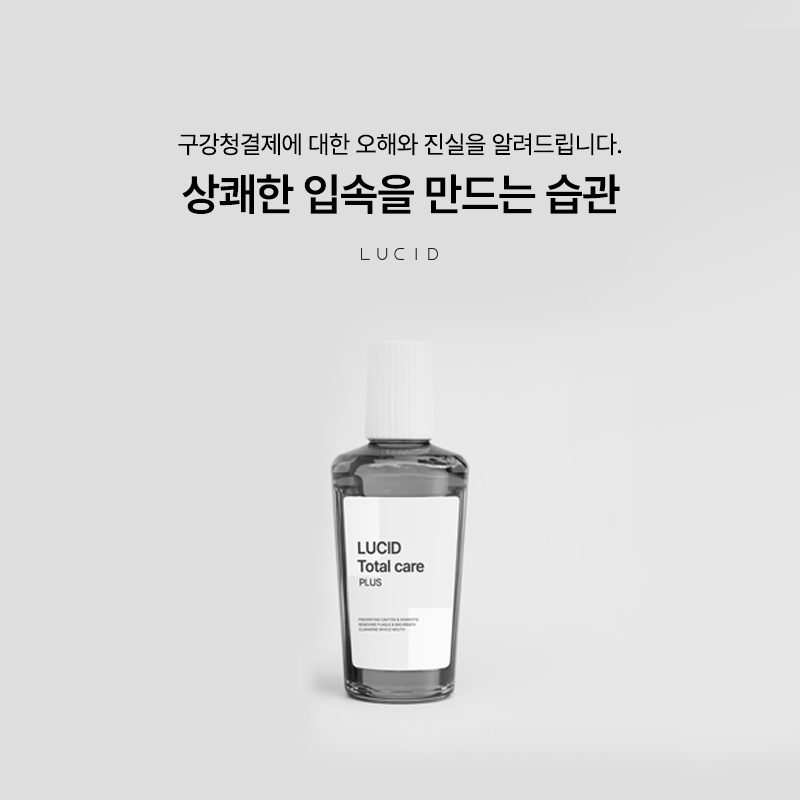
Many people are looking for ways to maintain oral health beyond brushing.
Among them, more and more people are now using mouthwash.
It is convenient and easy to use, and it also leaves a refreshing feeling, so quite a few people use it as part of their routine.
However, many people use it without really knowing the proper usage or precautions.
"Can I use it every day? Is it okay to use it instead of brushing? Are certain ingredients harmful?"
Have you found yourself wondering about more things than you expected?
That is why today, at Lucid Dental Clinic, we are organizing frequently asked questions about mouthwash and their explanations.
From information you should know before using it to tips you should be careful about, we have put together a thorough guide. If you want to use mouthwash a little more wisely, be sure to read to the end.
From here on, we will answer your questions about mouthwash.
What is mouthwash?
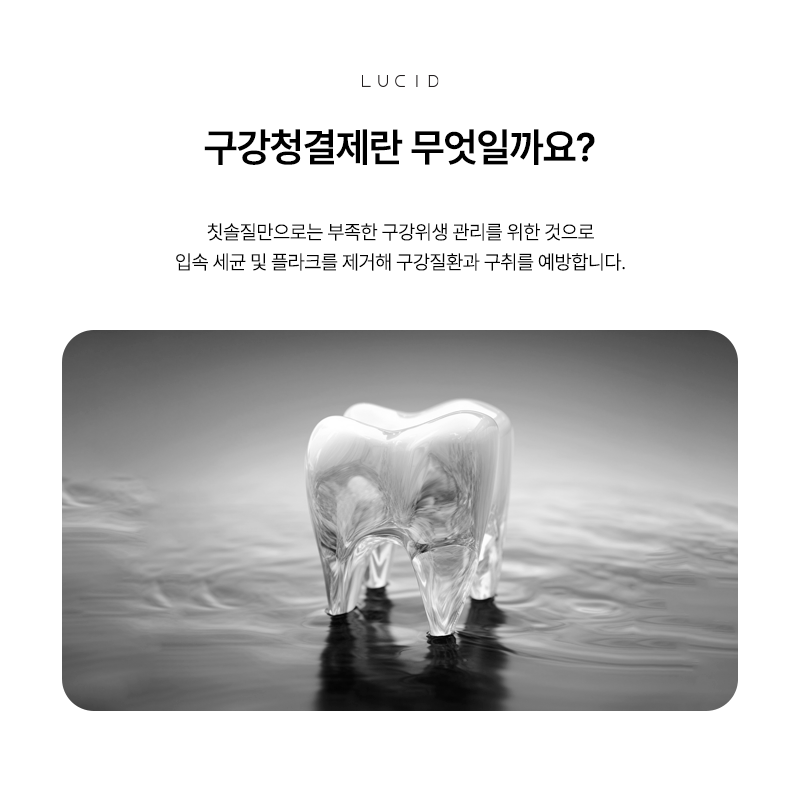
Mouthwash is an auxiliary hygiene product that helps reduce bacteria present on the teeth, gums, tongue, and throughout the mouth, eases bad breath, and helps keep the mouth clean.
It is mainly used in liquid form, by holding it in the mouth, gargling for a set amount of time, and then spitting it out.
However, it is important to remember that it is not a replacement for brushing, but a supplementary measure.
Even during treatment at a Gangnam-gu dental clinic, we often explain that using mouthwash instead of brushing can actually be harmful.

What are the benefits of using mouthwash?
▪ Removes food residue left in the mouth
▪ Reduces bad breath and provides a refreshing feeling
▪ Helps prevent gum disease by suppressing oral bacteria
▪ May help reduce inflammation depending on certain ingredients
▪ Helps with hygiene during orthodontic treatment or after gum procedures
However, the effects may vary depending on the ingredients and how it is used, so it is important to choose a product that suits your individual oral condition.

FAQ: Common questions about mouthwash
Q. Can mouthwash alone get rid of bad breath?
A. The causes of bad breath vary, but most are caused by bacteria in the mouth. Mouthwash can help reduce bad breath by temporarily removing or suppressing bacteria, but it is not a fundamental treatment, so it is difficult to eliminate it completely.
In particular, if the cause is stomach issues, tonsils, or periodontal disease, separate treatment is needed.
Q. How many times a day can I use mouthwash?
A. In general, using it once or twice a day is appropriate.
If used too often, it may irritate the oral mucosa or remove beneficial bacteria as well, which can actually negatively affect oral health.
For products with strong irritation, it is better to avoid using them on an empty stomach or first thing in the morning.
Q. Can I use only mouthwash without brushing?
A. Absolutely not! Mouthwash is only a product that helps clean away bacteria that were not removed by brushing; it does not remove tartar or plaque. Brushing removes plaque through physical cleaning of the tooth surface, so using only mouthwash without basic brushing is not helpful for oral health at all.

Q. Can using mouthwash after brushing change the color of my teeth?
A. Some mouthwashes contain CPC (cetylpyridinium chloride), and when this ingredient combines with surfactants left in toothpaste, it can cause tooth staining. On the other hand, products containing essential oils tend to have a lower risk of staining. It is a good habit to always check the ingredient list before use.
Q. When is the best time to use mouthwash?
A. Using it after brushing is the most effective.
It can help clean away bacteria left behind after brushing and add a refreshing feeling. However, as mentioned above, products with strong ingredients are better used on an empty stomach in the morning, and use before bed or before going out is recommended.
Other mouthwash usage tips you should remember
- Gargle for at least 30 seconds, but do not hold it in your mouth for too long
- Do not rinse with water after use (to maintain the effect)
- For children, be sure to choose a low-fluoride OR alcohol-free product
- If you wear dentures or braces, using a dedicated product is recommended
- For long-term use, be sure to check your oral condition and adjust as needed
Which mouthwash is good?
Since the main ingredients differ by product,
it is good to choose according to your purpose.
- Essential oil ingredients → mild irritation and helps suppress bad breath
- CPC ingredients → strong antibacterial effect, but may cause staining concerns
- Chlorhexidine → short-term use for periodontal disease treatment, do not use long-term
- Alcohol-free products → less irritating, suitable for sensitive gums
In the Gangnam-gu dental clinic treatment room as well, we often recommend mouthwash containing specific ingredients depending on whether the patient is in the recovery stage after a procedure or undergoing orthodontic treatment.
Mouthwash is a good tool for keeping your mouth fresh in a busy daily routine. However, rather than using it every day without thinking, it is much more important to know it properly and use it in a way that matches your oral condition.
At Lucid Dental Clinic in Gangnam-gu, we go beyond simply recommending products and provide oral care routines tailored to each person’s oral structure and lifestyle habits.
Even before and after using mouthwash, regular scaling and checkups should definitely be done together to help protect oral health for longer.
If you have been wondering whether the mouthwash you are currently using is really right for your mouth?
We recommend starting with an examination and consultation at a nearby Gangnam-gu dental clinic.
A small habit can protect a healthy smile.


Lucid Dental Clinic
3rd–4th Floors, Coway Building, 606 Nonhyeon-ro, Gangnam-gu, Seoul