
Hello. This is Lucid Dental Clinic.
Have you ever brushed your teeth carefully after a meal, but still felt that your mouth was sticky or not quite fresh?
Especially during a conversation, you may find yourself worrying about the other person's reaction,
or flinching for a moment at an unpleasant smell rising from your mouth.
Feeling that brushing alone is not enough
is something many people can relate to.
Even if you brush hard, bacteria and debris can remain
between teeth where the toothbrush cannot reach,
on the surface of the tongue,
and deep in the palate.
In cases like this, using mouthwash together with brushing is
one way to manage the entire mouth more effectively.
However, rather than using it randomly, when, how,
and which product you use are much more important!
In this post, we will go over the proper use of mouthwash,
the effects you can realistically expect, and even the misunderstandings that many people
have about it.
The Importance of Mouthwash
There are countless bacteria in the mouth.
Some of them can cause cavities, gum disease, or bad breath.
It is difficult to remove all of these bacteria with brushing alone,
so many people feel that additional care beyond toothpaste and a toothbrush is needed.
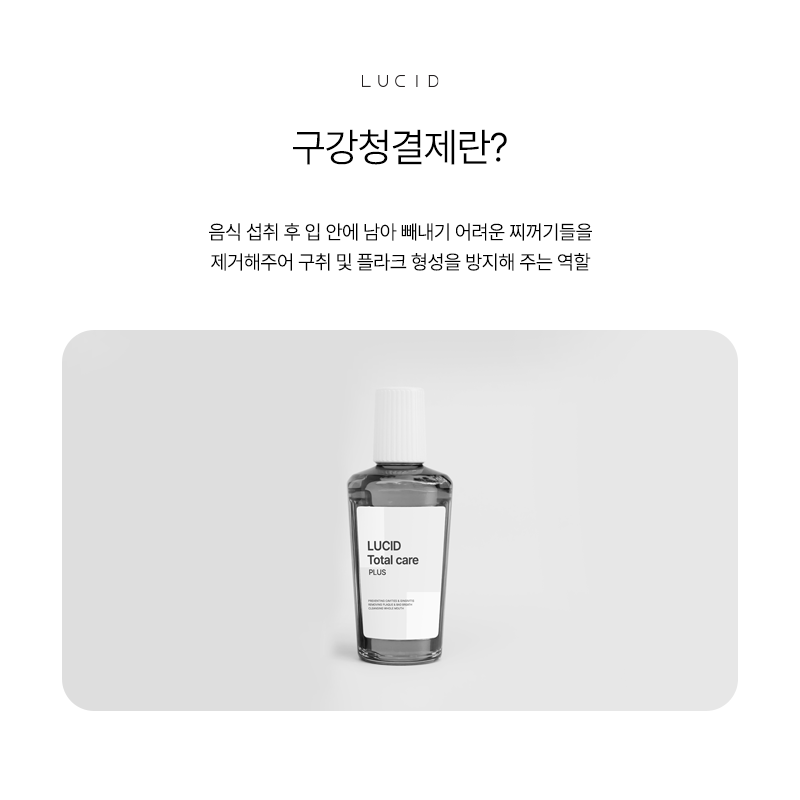
Mouthwash is an auxiliary product that helps reduce bacteria left behind after brushing
and helps keep the mouth fresher and cleaner.
Especially before going out or before a meeting or important appointment,
it is often used as a quick way to refresh the mouth.

Benefits of Using Mouthwash
Helps reduce bad breath
It may help reduce oral bacteria, which is one of the main causes.
It is especially useful when brushing is difficult
or when you need quick freshness while out and about.
An auxiliary measure for preventing cavities and gum disease
It can help suppress bacteria remaining around the gums and teeth.
However, it is best to approach it as a supplementary hygiene measure,
not as a treatment.
Maintaining oral hygiene
It is useful for cleaning the entire mouth, including areas a toothbrush cannot reach,
and establishing a regular routine can help you consistently manage oral cleanliness.

Tips for Using Mouthwash
- It is best to use it after brushing your teeth
Using mouthwash after removing large debris and plaque with brushing is more effective.
- Some products may need to be diluted
Concentrated products should be diluted with water to reduce irritation
and allow the ingredients to work evenly.
- It is generally best not to rinse afterward
By not rinsing, the ingredients can remain in the mouth a little longer.
However, because usage differs by product,
be sure to check the instructions.
- Using it before bed may help manage morning bad breath.
Bacteria in the mouth tend to increase during sleep,
and mouthwash used in the evening may help suppress that environment to some extent.

Precautions When Using Mouthwash
Mouthwash is not something that becomes better just because you use a lot of it.
Because ingredients vary by product, you should check whether it contains alcohol
and how irritating it may be before use.
Products with stronger irritation may leave your mouth dry after use.
In particular, products containing alcohol may feel refreshing temporarily after use,
but frequent use can cause dry mouth.
When the mouth becomes dry, bacteria can multiply more easily,
which can in turn cause bad breath.
If you are undergoing treatment or have stomatitis,
some ingredients may be irritating.
If strong ingredients contact an inflamed area, they can cause pain,
so in such cases it is better to choose an alcohol-free, low-irritation product.
Be sure to spit it out after use, and do not swallow the liquid used for gargling.
It is also advisable to keep it in the mouth only for the recommended time stated in the product instructions.
Correcting Misconceptions About Mouthwash
Q. Will bad breath go away if I only use mouthwash?
A. Mouthwash can help reduce bad breath,
but it is not a treatment that removes the underlying cause.
Bad breath can result from various factors such as cavities, gum disease, tonsil stones, and stomach issues,
so if persistent bad breath is a concern, it is best to receive an accurate diagnosis.
Q. Will the color change if I use mouthwash after brushing?
A. Generally, no, but there have been reports that long-term use of certain ingredients may cause staining. Therefore, unless it is a special product prescribed by a dentist, it is safest to use over-the-counter products according to the recommended amount and frequency.
There are many ways to protect oral health.
Among them, mouthwash is a product that can provide a big help through a small but consistent habit if used properly.
However, since it is only a supplementary hygiene measure,
it is best used together with brushing, flossing, and regular checkups.
Learn the proper way to use it and choose a product that suits you
to make your mouth fresher and healthier day by day.

Lucid Dental Clinic
3rd–4th Floors, Coway Building, 606 Nonhyeon-ro, Gangnam-gu, Seoul