
Hello. This is Lucid Dental Clinic.
Today, we’re going to talk about cavity prevention,
which many people are curious about.
A common thing we hear from patients who delayed dental treatment until the pain became severe is:
"I should have come a little earlier."
But since cavities that have already formed do not recover naturally, prevention is more important than anything else.
Why do cavities occur?
Cavities develop because acids are produced when bacteria that stay in the mouth break down the sugars in food.
These acids slowly erode the enamel, the hard outer layer of the tooth, and if left untreated, they can damage deeper layers as well.
In particular, frequently eating foods that produce a lot of acid, such as sweets or carbonated drinks, and failing to brush properly or maintain oral care can allow bacteria to remain active for a long time, increasing the risk of cavities.
One more important point to be aware of is that cavities may progress without being very visible or causing pain.
In many cases, they progress slowly inside the tooth even when the outside looks fine, and later sudden pain may appear or inflammation may spread to the nerve. That is why regular oral checkups and thorough daily care are absolutely necessary.
6 practical ways to prevent cavities
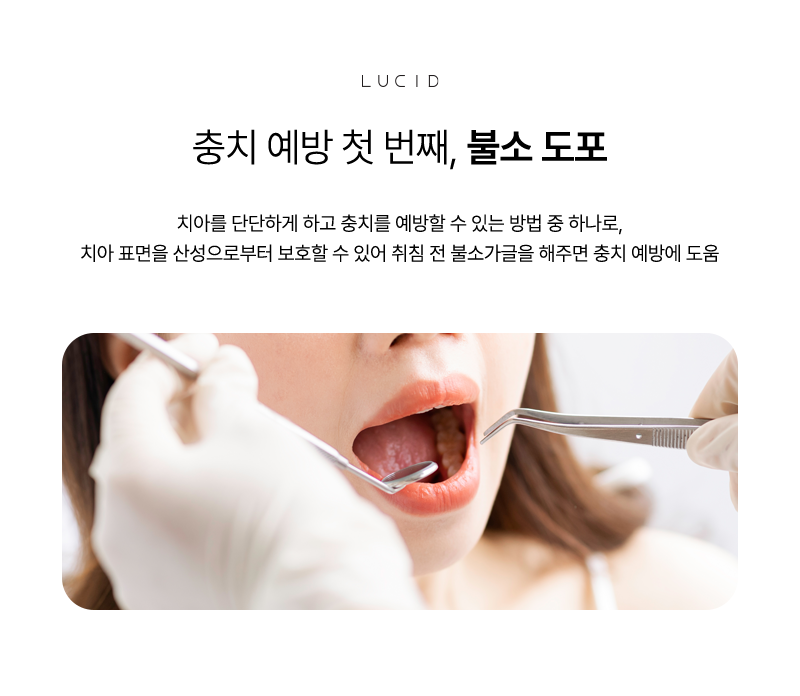
- Fluoride application
Fluoride is a substance that helps strengthen the surface of the teeth.
It plays a role in preventing teeth from being eroded by acid, and regular fluoride application may be especially effective for children or for molars, where cavities tend to develop easily.
Whether it is applied depends on each person’s condition, so it is best to proceed according to a specialist’s judgment after an examination at Seocho-dong Dental Clinic.

- Eat dietary fiber
If you only eat regular meals, plaque can stick to the teeth, but consuming fruits and vegetables that are high in fiber can help clean the teeth.

- Avoid carbonated drinks
Carbonated drinks have a low pH, so they are very acidic.
Even one sip exposes the teeth to an acidic environment and can weaken the enamel. In particular, the habit of drinking them frequently or over long periods can be even worse for dental health, so it is best to limit them as much as possible or rinse with water after drinking.

- Brush properly
How you brush is more important than brushing three times a day.
Choose a toothbrush that is not too large,
and gently and thoroughly clean the inner surfaces, outer surfaces, and chewing surfaces of the teeth.
Since a toothbrush alone cannot clean between the teeth completely, using aids such as dental floss or a Waterpik together is also a good method.
- Manage tartar with scaling
Seocho-dong Dental Clinic scaling is not simply a procedure that cleans the tooth surface. By removing tartar, a collection of bacteria that is not visible to the eye, it is very effective in preventing cavities and gum disease.
It is recommended to have it regularly about once every 6 months to 1 year, and when you get scaling, you can also check the condition of your teeth at the same time, so it is one of the treatments that is essential from a preventive perspective.
- Early detection is key for cavities.
The earlier cavities are found, the smaller and simpler the treatment.
If the problem becomes severe, root canal treatment or prosthetic treatment may be needed, so checking for abnormalities through regular checkups is the smartest approach.
Even if there is no pain, we recommend not missing small symptoms such as "It feels sensitive when I chew" and be sure to get them checked.
Once a cavity forms, the tooth structure in that area cannot be restored.
That is why prevention can be said to be the most important treatment. At Lucid Dental Clinic, we help you protect your oral health on your own through regular checkups and personalized care guidance.
Small habits make a big difference.
Why not start cavity-prevention habits that you can put into practice starting today?