Hello. This is Lucid Dental Clinic.
One of the main reasons many people visit the dentist
is wisdom teeth.
Even if they do not cause much discomfort at first, there are many cases where people suddenly visit a Sinnonhyeon Station dental clinic because their gums swell or they experience throbbing tooth pain.
In particular, wisdom teeth are located in the back where they are hard to see, so it is difficult to check their condition on your own, and because they are not easy to care for, problems can arise easily.
People often think, “Wisdom teeth are teeth that must always be removed,”
but in fact, not all wisdom teeth need to be extracted.
If there is enough space and they have come in properly, they can be maintained without problems.
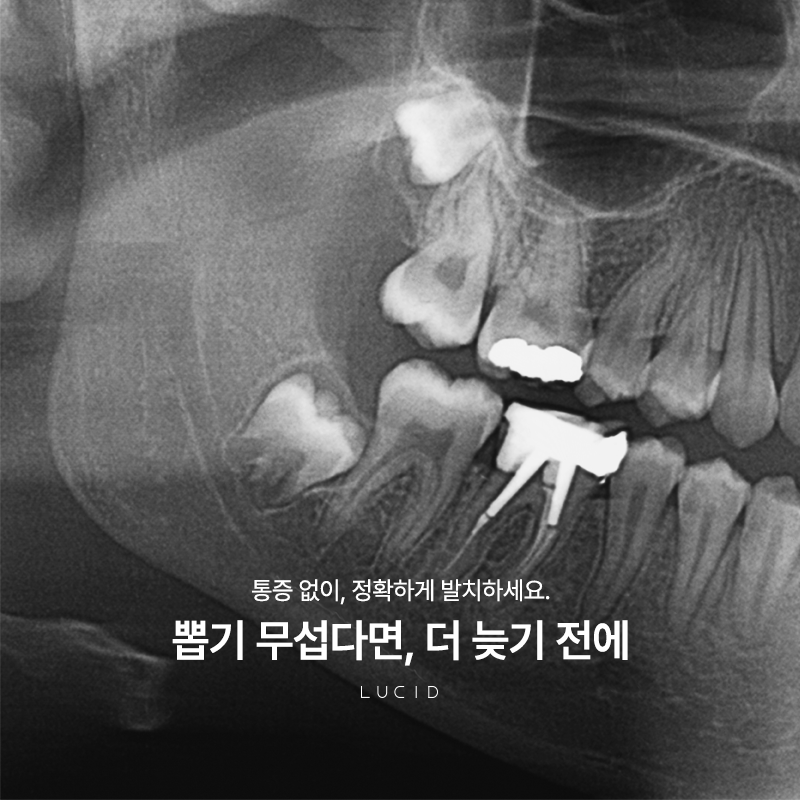
However, in reality, because there is often not enough space due to the structure of the jawbone, they may come in crooked or become impacted inside the gums, so it is important to determine whether extraction is needed through regular checkups and consultations.
Today, we will take a step-by-step look at what wisdom teeth are, when extraction is necessary, and what the extraction process and precautions are.
In particular, I will organize this information so it can help those who are currently experiencing pain from a wisdom tooth or are 고민ing after being advised to have one removed.
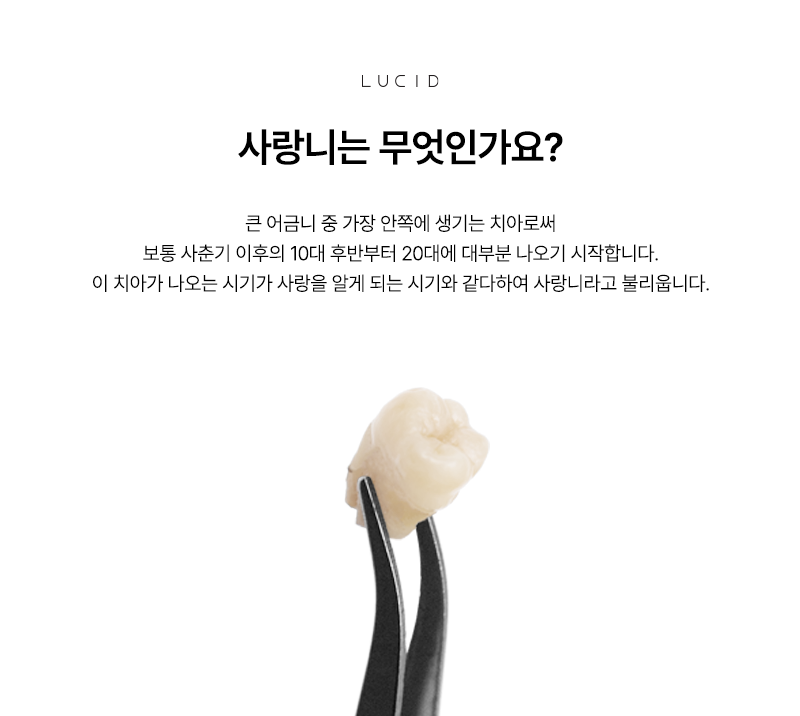
What kind of tooth is a wisdom tooth?
A wisdom tooth is usually a tooth that erupts around the age of twenty at the very back of the molar area. That is why it is often called the “20-year molar.” Usually, up to four can erupt on the upper and lower left and right sides, but some people do not get any, and others may only get some of them.
The problem is the size of the jawbone. As human jaws have become smaller than before, there is less space for teeth to grow.
As a result, wisdom teeth often cannot erupt properly and may remain buried in the gums or grow in a crooked, sideways position.
Wisdom teeth that do not grow properly are difficult to brush, and because food debris easily gets stuck, they create an environment where bacteria can multiply. That is why cavities and gum inflammation are common, and in some cases, they can also damage the adjacent teeth.
In simple terms, a wisdom tooth is like a guest that has a hard time finding a place. If there is enough space, it can stay without major problems, but if there is not enough space, it inconveniences the surrounding area, so in many cases it needs to be removed.
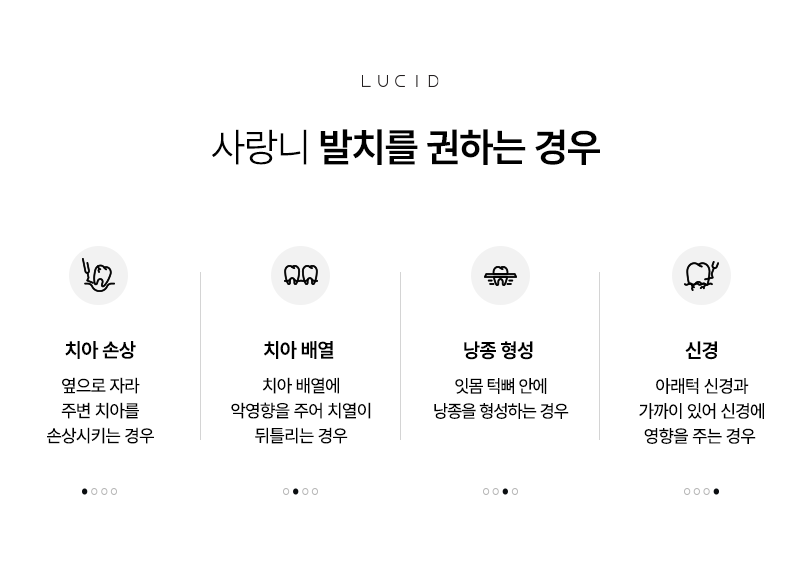
Is wisdom tooth extraction really necessary?
A wisdom tooth can be kept if it does not cause any special symptoms. However, if the following apply, extraction should be considered.
Pressure on adjacent teeth
If a wisdom tooth grows at an angle and pushes against the neighboring tooth, tooth alignment may become distorted and pain may occur.
Gum inflammation
A wisdom tooth that has only partially emerged can trap food in the gums and repeatedly cause inflammation.
Cavities
Cavities can develop easily not only in the wisdom tooth itself but also in the adjacent molars.
Jaw pain and headaches
If a wisdom tooth places strain on the temporomandibular joint area or if inflammation spreads, the pain can extend to the head or ears.
Interference with orthodontic treatment
It can also interfere with creating space during orthodontic treatment or implant treatment.
In other words, the decision on whether to extract a wisdom tooth is not simply based on “it is there, so remove it,” but is a process of comprehensively considering whether it is harming the surrounding oral health.
Where should wisdom tooth extraction be done?
The difficulty of wisdom tooth extraction varies greatly depending on the situation. Some can be removed easily, but if the root is curved or close to a nerve, an oral surgery approach may be needed. Therefore, if you are considering extraction, it is good to check the following criteria.
Availability of precise imaging equipment
It should be possible to accurately check the distance from the nerve through CT and panoramic imaging.
Extraction experience
It is important to confirm whether there is a medical team with extensive experience in removing impacted wisdom teeth.
Disinfection and hygiene management
You should look into whether there is a thorough management system in place to prevent infection after extraction.
Post-treatment guidance
Another important factor is whether systematic care is provided, such as stitch removal after suturing and checking the recovery progress.
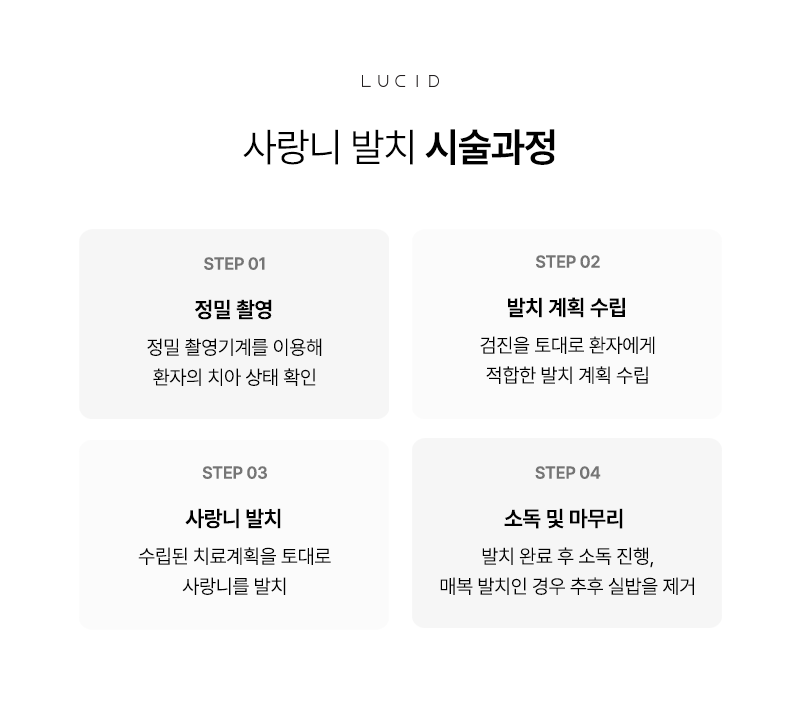
Lucid Dental Clinic wisdom tooth extraction procedure
Wisdom tooth extraction at the Sinnonhyeon Station dental clinic proceeds in the following steps.
-
Detailed imaging
Check the patient’s dental condition using precise imaging equipment
-
Establishing an extraction plan
Create an extraction plan suitable for the patient based on the examination
-
Wisdom tooth extraction
Extract the wisdom tooth based on the established treatment plan
-
Disinfection and completion
After the extraction is completed, disinfection is performed, and in the case of an impacted extraction, stitches are removed later
The need for regular checkups at a Sinnonhyeon Station dental clinic
Wisdom teeth are often not visible from the outside,
so it is difficult to know their condition on your own.
Also, by the time such problems occur, inflammation or cavities may already have progressed. Therefore, even if there are no symptoms, it is important to regularly check the condition of your wisdom teeth through dental examinations.
In particular, it is advisable to check in advance whether extraction is needed during the late teens to early twenties.
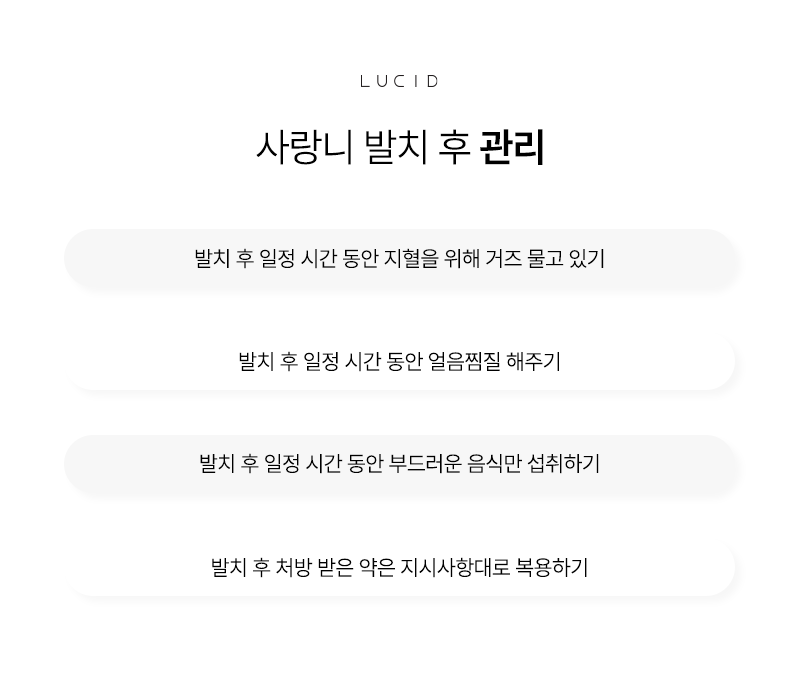
Recovery process and precautions after wisdom tooth extraction
After wisdom tooth extraction, you may feel uncomfortable for several days,
and 생활 management is needed to aid recovery.
Bleeding control
Immediately after the extraction, you should bite on gauze to apply pressure and stop the bleeding.
Swelling management
Use cold compresses for 1 to 2 days, then warm compresses afterward to help recovery.
Food intake
Eat soft, lukewarm foods,
and avoid hard or irritating foods.
Daily habits
Smoking and drinking can delay recovery,
so it is best to refrain from them.
Stitch removal
In the case of impacted tooth extraction, you should visit the Sinnonhyeon Station dental clinic at the scheduled time
for suture removal.
A wisdom tooth is not simply a problem with one tooth,
but an important factor that can be directly connected to overall oral health.
If left untreated, pain or inflammation can make daily life difficult,
and it may also lead to damage to adjacent teeth or jawbone disease.
Therefore, having a wisdom tooth does not mean it must always be removed, but the most important thing is to make the right decision for your own oral condition through regular checkups and consultations at a Sinnonhyeon Station dental clinic.
It is wise to check the condition in advance before symptoms appear,
and if necessary, have the extraction done at the proper time. Lucid Dental Clinic will continue to provide useful information so that many people can understand and manage their oral health correctly.
If you have even a small question, consulting with a dental clinic will help you find a clearer and safer solution.
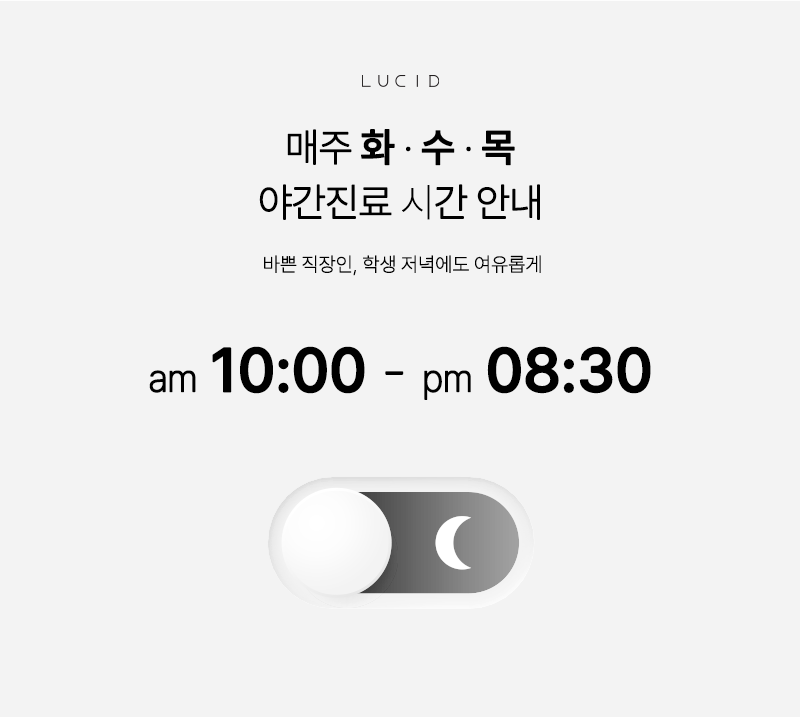
Lucid Dental Clinic
3rd and 4th Floors, Coway Building, 606 Nonhyeon-ro, Gangnam-gu, Seoul
Lucid Dental Clinic
This is Lucid Dental Clinic, which brings happiness.
pf.kakao.com
Lucid Dental Clinic - LUCID DENTAL CLINIC(@lucid_dental_clinic) • Instagram photos and videos
12K followers, 25 following, 486 posts - View Lucid Dental Clinic - LUCID DENTAL CLINIC(@lucid_dental_clinic)’s Instagram photos and videos
www.instagram.com