Hello, this is Lucid Dental Clinic.
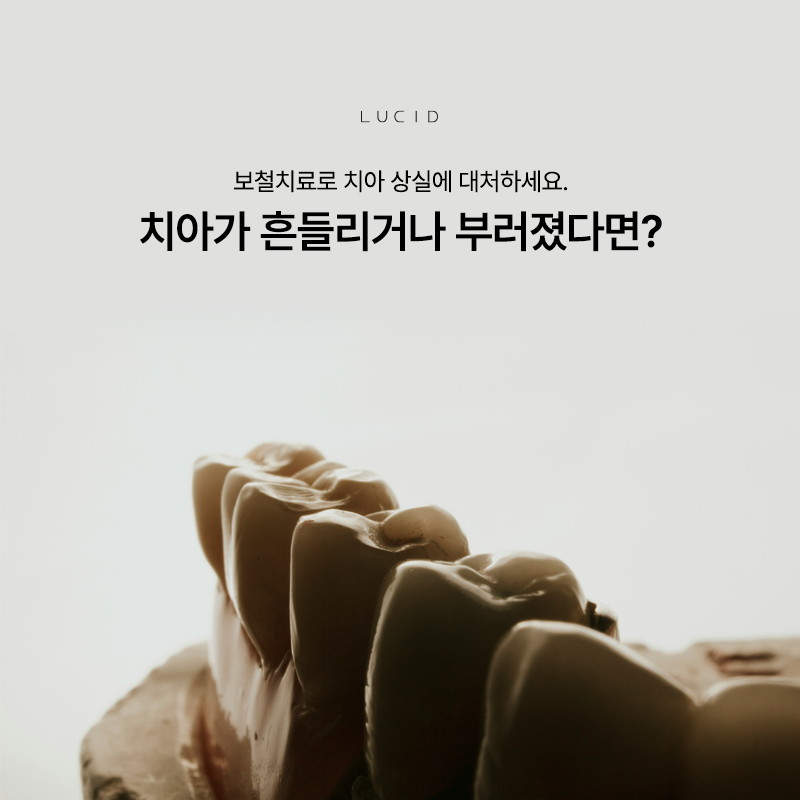
When people hear “prosthetic treatment,” many tend to think of a “major treatment like implants.”
In reality, however, prosthetic treatment is one of the treatments people encounter quite often in daily life. If you have ever had a tooth chip, received root canal treatment, or have an old crown, you may already be connected to prosthetic treatment.
The issue is that many people delay visiting a Nonhyeon-dong dental clinic even when prosthetic treatment is needed, simply because “it doesn’t hurt right now” or “it’s only a little uncomfortable.”
Because tooth damage often progresses quietly before clear symptoms appear, by the time you feel discomfort, the condition may already be quite advanced.
Prosthetic treatment is not simply a treatment that covers a broken tooth; it is a process of re-stabilizing chewing function and structure based on the current condition of the tooth. That is why, more important than whether treatment is needed, is knowing exactly what condition your teeth are in right now.
What Is Prosthetic Treatment?
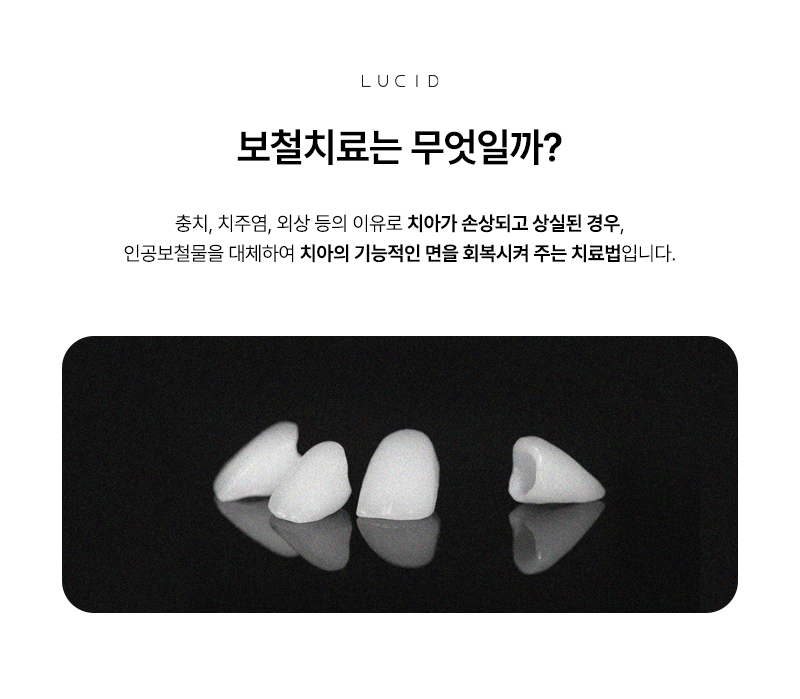
Prosthetic treatment refers to treatment that helps damaged teeth, or teeth with weakened function for various reasons, chew, function, and remain usable again.
If a tooth weakened by decay, trauma, wear, or other causes is left in use as is, there is a risk of further damage or fracture. The purpose of prosthetic treatment is to protect the tooth and secure structural stability.
Many people think of prosthetic treatment at a Nonhyeon-dong dental clinic only as “treatment that covers the tooth” or “treatment that puts something over the outside,” but in reality, it also involves looking at the distribution of chewing force, tooth protection, and harmony with surrounding teeth to determine how much the current tooth can withstand and which method is appropriate.
Prosthetic treatment is less about creating a new tooth and more about helping an already damaged tooth be used longer in its current state. Because of that, the timing and method of treatment can affect how long the tooth can be used and how satisfied you are with the result.
Also, prosthetic treatment is not something that ends on its own; it is a treatment that requires consideration of later care and daily habits as well, so it is important to proceed with enough explanation and understanding.
Typical Situations That May Require Prosthetic Treatment
The situations in which prosthetic treatment at a Nonhyeon-dong dental clinic is considered are more varied than you might think.
The most common case is when tooth protection is needed after root canal treatment. Teeth that have undergone root canal treatment may hurt less, but their internal structure becomes weaker and can be more vulnerable to external impact. If used as is, even a small impact may lead to fracture.
Another case is when a tooth has been chipped or cracked and is being used for a long time in that condition.
Even a tiny crack that is not easily visible can gradually grow when chewing forces are repeatedly applied. In particular, areas such as molars, which bear a lot of chewing force, may need prosthetic protection.
In addition,
-
when an old prosthetic restoration has developed gaps
-
when food gets stuck frequently and there is an odor
-
when only a specific tooth feels uncomfortable while chewing
-
when tooth wear has lowered the tooth’s height
These can also be situations in which prosthetic treatment consultation is considered.
Changes That Can Occur If Treatment Is Delayed
The most common reason people delay prosthetic treatment is that “it’s bearable for now.”
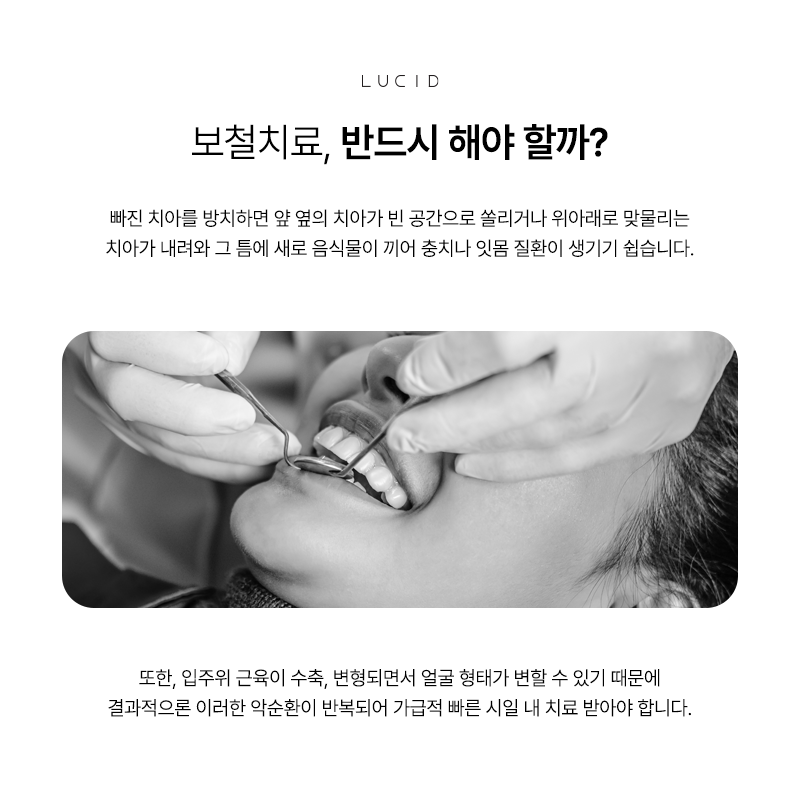
But dental problems often affect surrounding teeth over time. If you start chewing on only one side, excessive force can be concentrated on the opposite side, and this can also place a burden on the temporomandibular joint and gums.
Also, the longer a damaged tooth is used, the more likely it is that the scope of prosthetic treatment will become larger later, or that other treatments may also be needed depending on the situation.
So prosthetic treatment is better understood not as something you do when it hurts, but as an option for maintaining your current condition.
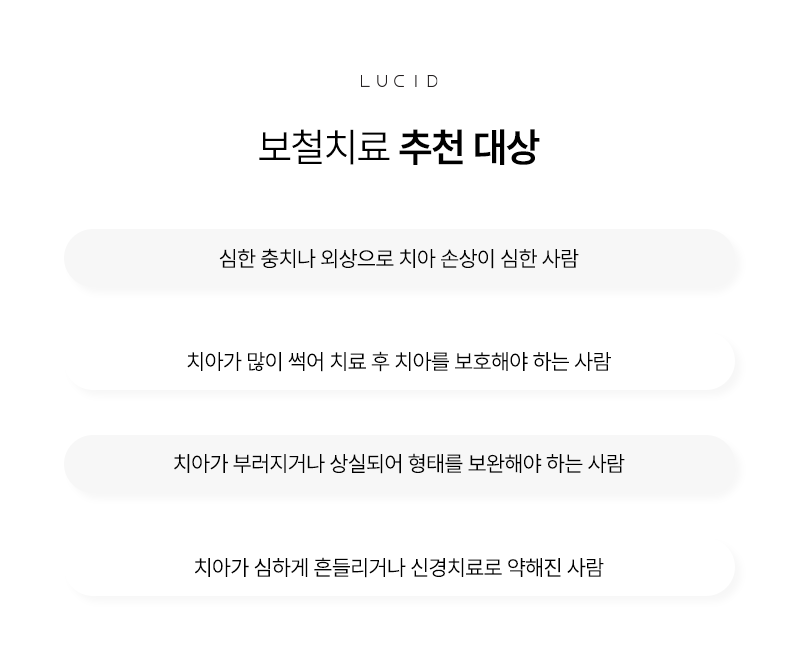
Especially Recommended for These People
Prosthetic treatment at a Nonhyeon-dong dental clinic is not something that everyone necessarily needs.
However, if even one of the items below applies to you, it may be helpful to check your condition through a consultation at Lucid Dental Clinic.
-
People using a tooth that has had root canal treatment without any special protection
-
People who have been using a chipped or cracked tooth for a long time
-
People who are putting up with an old crown or prosthetic restoration even though it feels uncomfortable
-
People who feel that a certain area bears too much force or feels uncomfortable when chewing
-
People who feel that food gets stuck frequently and management is difficult
-
People whose chewing sensation has changed because of tooth wear
A prosthetic treatment consultation is not a conversation meant to conclude that treatment is definitely necessary; even the process of checking your current condition is meaningful.
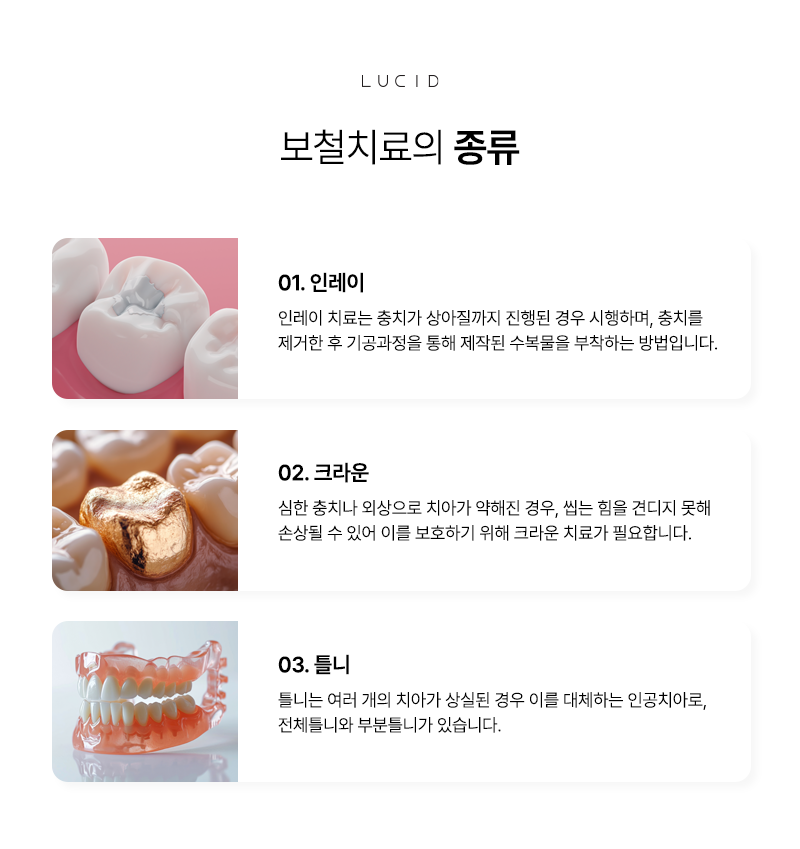
Important Points to Understand Before Treatment
Before deciding on prosthetic treatment, there are several important points.
First, it is necessary to consider not just a single tooth, but also the condition of the gums and the direction of chewing force. If the tooth root and gum condition are not stable, discomfort may remain even after prosthetic treatment.
Your personal habits are also important factors. If you clench your teeth or grind them, or if you often eat hard or chewy foods, the choice of prosthetic restoration and the management method may differ. More than the treatment itself, how well you manage it afterward affects how long it lasts and how satisfied you are with it.
Prosthetic treatment at a Nonhyeon-dong dental clinic is about “understanding” first, not “deciding” first. This is not a treatment where making a quick choice is important. What comes first is hearing enough explanation about what condition your teeth are in, whether treatment is needed now, or whether observation is possible for the time being.
When prosthetic treatment is chosen with sufficient understanding, awareness of follow-up care changes, and the way you use your teeth also changes.
Precautions to Remember After Prosthetic Treatment
Treatment does not end when the procedure is finished. In fact, that is when it begins.
-
Prosthetic teeth also require thorough brushing and care, just like natural teeth.
-
Hard or chewy foods may require caution at first.
-
If you grind your teeth or clench your jaw, additional management may be needed.
-
It is important to check the condition of the prosthetic restoration through regular checkups.
-
If discomfort or a foreign-body sensation continues, an in-person consultation at Lucid Dental Clinic is recommended rather than making your own judgment.
Because this is a process for using your teeth more stably for a longer time, taking a calm moment to check what even a small discomfort you feel now may mean for future tooth use can be a sufficient first step.
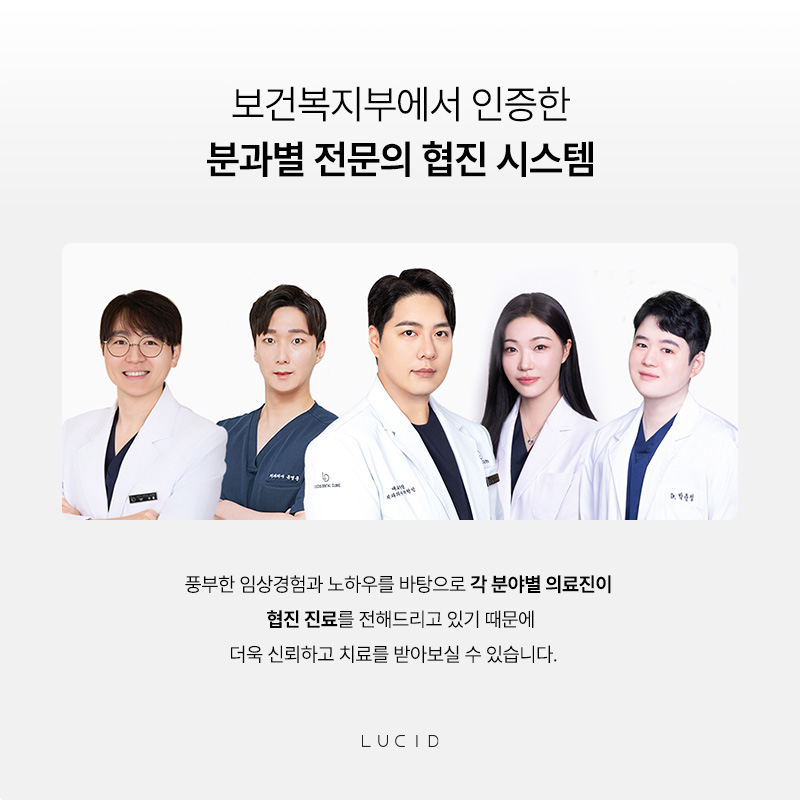
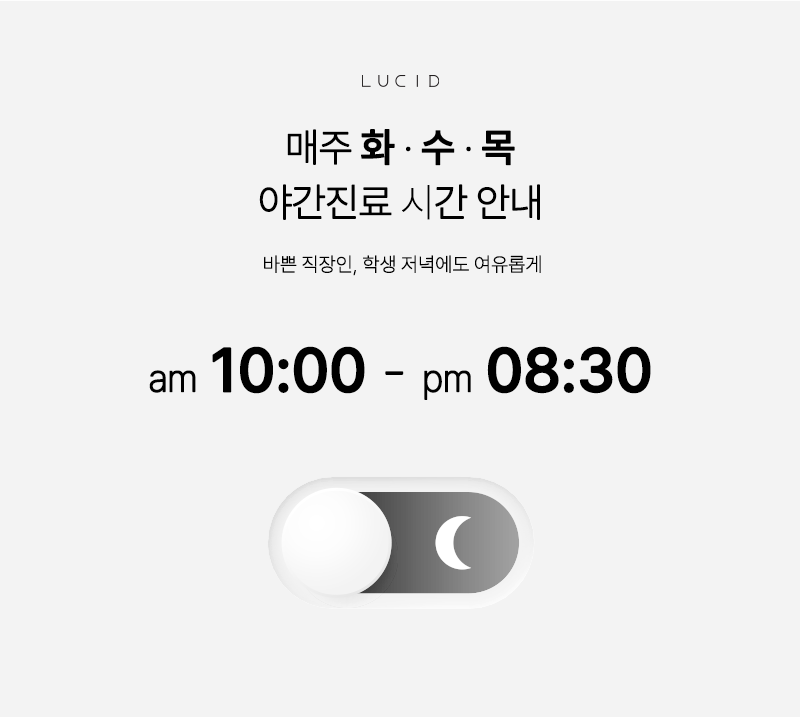
Lucid Dental Clinic
3rd–4th Floors, Coway Building, 606 Nonhyeon-ro, Gangnam-gu, Seoul
Naver Booking :: Lucid Dental Clinic
Hello, this is Lucid, a Gangnam dental clinic loved by [celebrities], [influencers], [idols], and [beauty pageant winners] :) Our clinic aims to provide dental treatment that considers both aesthetics and function. We understand very well that patients have gone through many concerns before coming to our clinic. Therefore, at Lucid, we strive to provide the maximum satisfaction and best results with minimal treatment. The best treatment is to interfere with natural teeth and gums as little as possible. We prioritize methods that preserve natural teeth, and even during treatment, natural tooth damage is described in detail...
m.booking.naver.com
Lucid Dental Clinic
This is Lucid Dental Clinic, which provides happiness.
pf.kakao.com