Hello. This is Lucid Dental Clinic.
Have you been experiencing occasional throbbing behind your molars, or repeated swelling of the gums?
If food keeps getting stuck in that area and causing discomfort even when you brush carefully, you may want to suspect a wisdom tooth.
Wisdom teeth are the third molars that usually erupt in the late teens to early twenties. Since there is often not enough room in the jaw, they are commonly found growing at an angle or only partially emerging through the gums.
When they cannot function normally in the bite and may affect the surrounding teeth and gums, it is important not to brush it off by thinking, “It will get better if I just endure it,” but to accurately check the current condition.
In particular, the absence of pain does not mean there is no problem. Wisdom teeth are in a structurally difficult-to-care-for position, so even if cavities or inflammation progress, it can be hard to notice early. Because this can suddenly lead to swelling in the face or difficulty opening the mouth, if discomfort keeps recurring, it may be helpful to have the condition checked through a dental exam.
What are wisdom teeth?
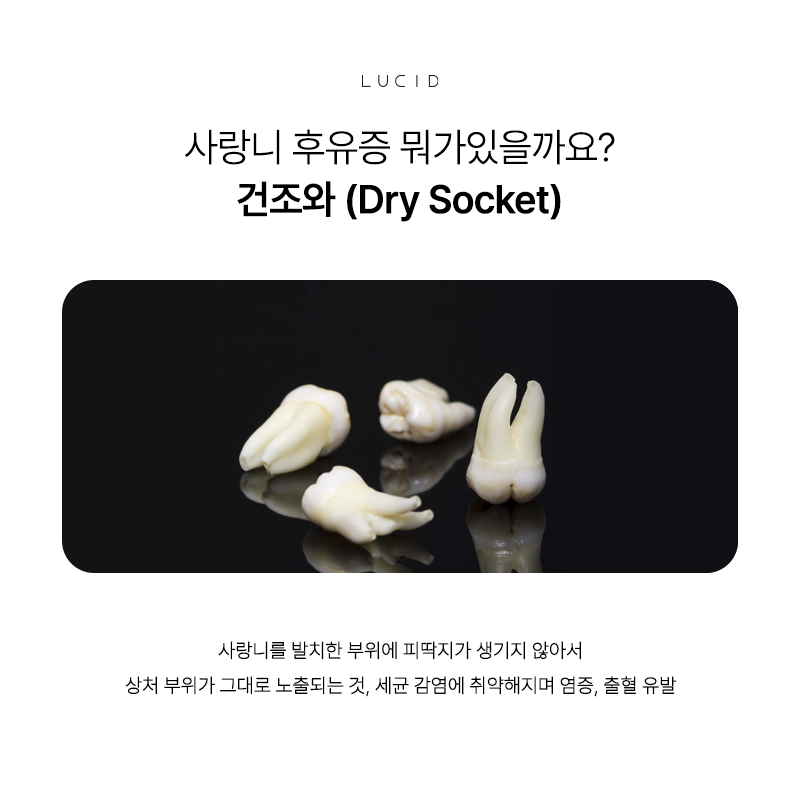
Wisdom teeth are the innermost molars and can exist as up to four teeth in total, on the upper and lower jaws and on both sides. Academically, they are called the “third molars,” and as human eating habits changed and jawbone size became smaller, it became more common for them not to erupt normally.
Wisdom teeth are often divided into four main types.
-
Normally erupted type - grows straight and functions normally
-
Partially impacted type - only partly emerges and is covered by the gums
-
Fully impacted type - buried in the gums and bone
-
Horizontal impaction type - lying sideways while pushing against the adjacent tooth
Among these, horizontally impacted or deeply buried wisdom teeth in particular may cause cavities in adjacent teeth, root resorption, or gum inflammation, so careful evaluation at Shinnonhyeon Station Dental Clinic is necessary.
In these cases, wisdom tooth extraction may be considered.
-
When the gums repeatedly swell and pain occurs
-
When food frequently gets stuck and bad breath is noticed
-
When cavities around the wisdom tooth are identified
-
When the wisdom tooth is pushing against the adjacent tooth
-
When space needs to be secured before orthodontic treatment
On the other hand, if a wisdom tooth is completely buried in bone and there is no inflammation or effect on surrounding teeth, only regular observation may be performed. Therefore, it is not a matter of always extracting them; judgment based on the individual condition is important.
How is the wisdom tooth extraction process carried out?
Wisdom tooth extraction is basically planned after a precise diagnosis.
In addition to a simple panoramic X-ray, if necessary, a 3D CT scan is used to check the nerve position and tooth angle. The procedure is performed after anesthesia, and depending on the degree of impaction, several steps may be involved. The extraction time is relatively short for a simply erupted wisdom tooth, but deeply impacted wisdom teeth may take a little longer.
The level of pain felt varies from person to person, but most people do not feel significant pain during the procedure after anesthesia. After extraction, throbbing and swelling may continue for several days, but if care is taken according to the instructions, they often gradually improve.
Precautions and care after extraction
Care after wisdom tooth extraction has a major effect on recovery.
-
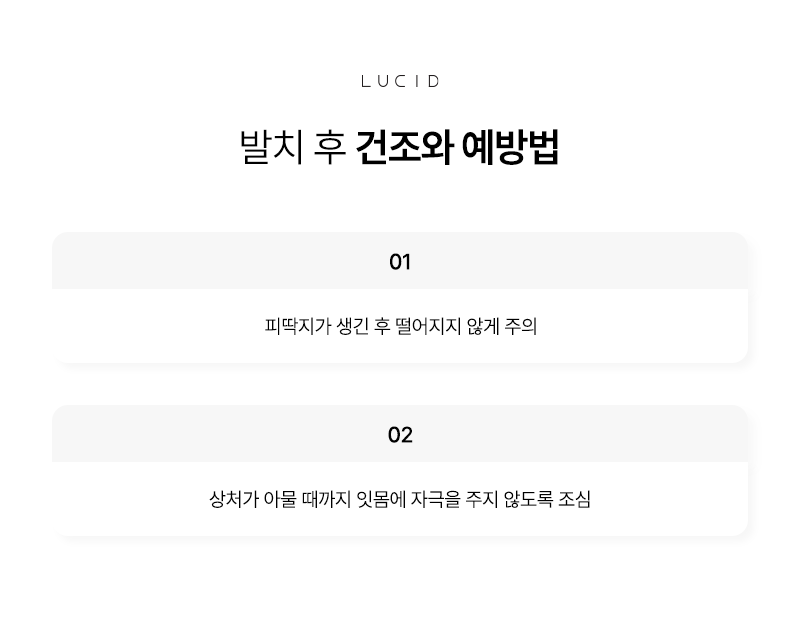
Keep gauze in place and maintain hemostasis for more than 2 hours
-
Avoid excessive rinsing and spitting on the day of extraction
-
Refrain from smoking and drinking alcohol
-
Avoid hot foods
-
Avoid strenuous exercise for a few days
In particular, the blood clot at the extraction site must form stably for recovery to proceed smoothly. Actions that interfere with this can cause pain, so caution is needed.
Usually, days 2 to 3 can be the most severe, after which it tends to gradually subside. If needed, using cold compresses together can help.
Questions about cost and pain
Wisdom tooth extraction is often covered by health insurance, and the cost may differ depending on whether it is a simple extraction or an impacted extraction.
The exact amount varies depending on the tooth condition and difficulty, so it is most accurate to receive guidance after a diagnosis at Shinnonhyeon Station Dental Clinic.
There are also many concerns about pain, but with current advances in anesthesia techniques and equipment, the procedure is performed in a relatively stable environment.
Features of wisdom tooth extraction at Lucid Dental Clinic
At Shinnonhyeon Station Dental Clinic, we carry out sufficient diagnosis and procedures before wisdom tooth extraction and establish a plan tailored to the individual condition.
-
Checking the nerve position through precise diagnosis
-
Systematic approach to impacted wisdom tooth cases
-
Surgical environment with thorough hygiene management
-
Operation of a post-extraction care guidance system
Wisdom tooth extraction is not simply about “removing it quickly”; a careful approach that considers the surrounding teeth and nerve structures is important. In particular, for difficult impacted wisdom teeth, experience and diagnostic accuracy become important factors.
Shinnonhyeon Station Dental Clinic provides sufficient explanation before wisdom tooth extraction to inform patients of their current condition and the expected process, and operates a system that continues through post-extraction care.
Wisdom teeth are not teeth that everyone must have extracted. However, if they are causing repeated discomfort or affecting surrounding teeth, accurate evaluation is needed before it gets worse.
Rather than urgently visiting a clinic after the pain becomes severe, checking your current condition now may actually be a way to reduce the burden.
The choice you make now can lead to more comfortable eating and easier hygiene management in the future. If you are worried about your wisdom teeth, why not decide on a direction through a thorough consultation?
Lucid Dental Clinic
3rd and 4th floors, Coway Building, 606 Nonhyeon-ro, Gangnam-gu, Seoul
Naver Reservation :: Lucid Dental Clinic
Hello, this is Lucid, a Gangnam dental clinic loved by people from [ entertainers ] [ influencers ] [ idols ] [ beauty pageant ] backgrounds :) Our clinic pursues dental care that considers both aesthetics and function. We understand very well that patients have gone through a great deal of consideration before coming to our clinic. Therefore, Lucid strives to provide the greatest satisfaction and results with the minimum treatment. The best treatment method is to touch the teeth and gums as little as possible. We prioritize methods that preserve natural teeth, and even during treatment, natural tooth damage is reduc...
m.booking.naver.com
Lucid Dental Clinic
This is Lucid Dental Clinic, bringing you happiness.
pf.kakao.com