Hello, this is Lucid Dental Clinic.
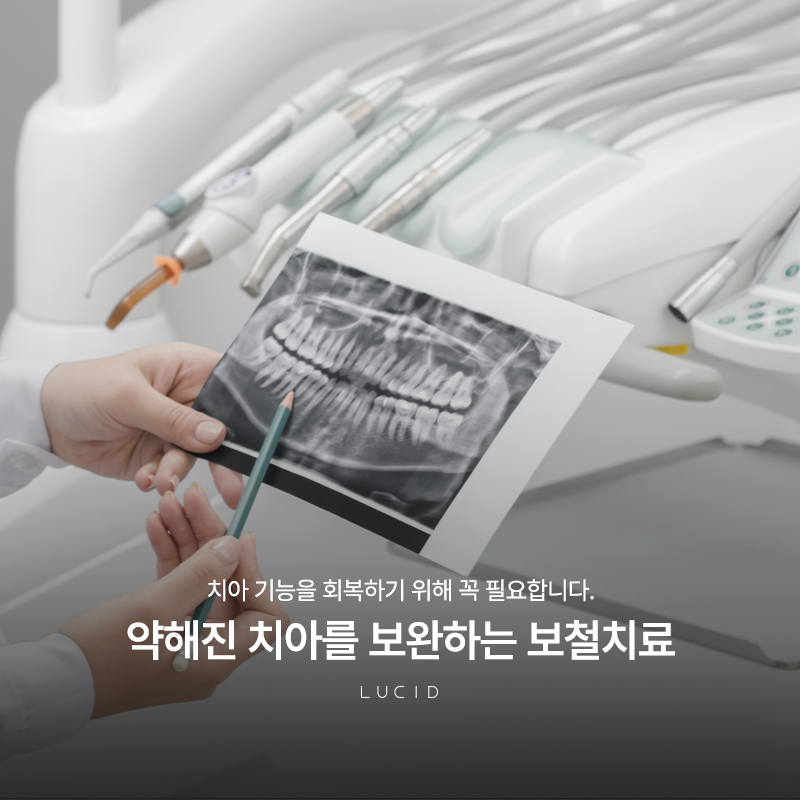
Since teeth are structures that are difficult to naturally recover once damaged, it is important not to miss early care and the proper timing for treatment.
In particular, cavities are not simply a matter of decay ending there; depending on how far they have progressed, the scope of treatment can change, and in some cases, prosthetic treatment may also be needed. That is why a more systematic approach is required.
Today, let’s take a closer look at how cavities progress and when prosthetic treatment should also be considered.
 Is it okay to feel reassured if there is no tooth pain?
Cavities are often noticed only after pain appears, but in reality, they often progress without any pain.
In particular, early cavities are not easy to see and are therefore easy to leave untreated, and over time they can gradually progress deeper.
Among those seeking consultation for Gangnam cavity treatment, there are also cases in which cavities are discovered during a regular checkup even though there is no pain.
For this reason, early detection and management are emphasized.
What is a cavity?
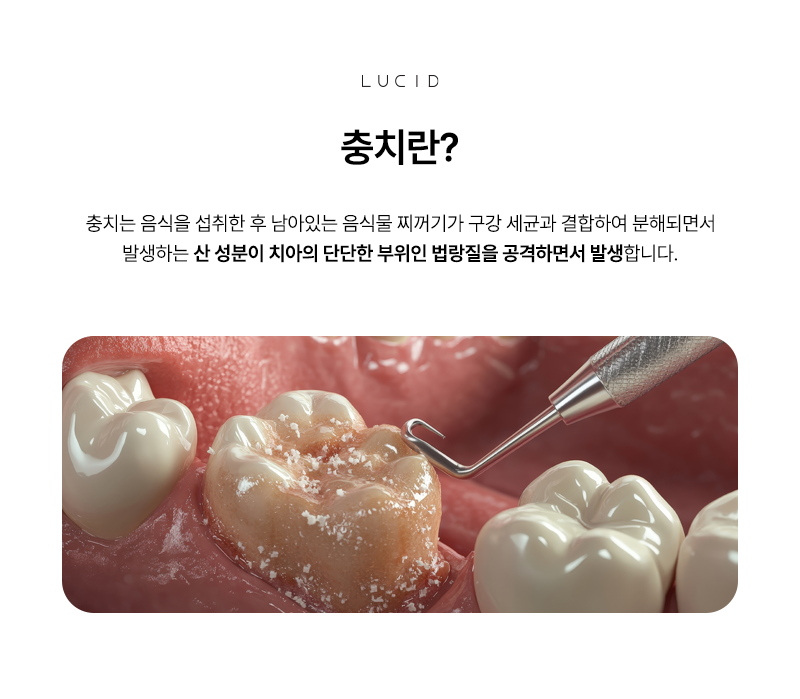
A cavity refers to a condition in which a tooth is damaged by acids produced when bacteria in the mouth break down sugar.
In the early stage, it begins with damage to the enamel on the tooth surface, and as it progresses, it can affect the dentin and even the nerve.
In the Gangnam cavity treatment process, the treatment method is determined after confirming the degree of cavity progression. The approach may vary depending on the individual’s oral condition and the depth of the cavity.
Main causes of cavities
Cavities occur when various factors work together.
-
Lack of oral care after consuming sugary foods
-
Irregular brushing habits
-
Food remaining between the teeth for a long time
-
Difficulty maintaining oral hygiene due to tooth alignment problems
If these conditions continue, it becomes easier for bacteria to multiply, which can increase the likelihood of cavities.
 Why should prosthetic treatment be considered after cavity treatment?
If a cavity has progressed to a certain extent, simply removing the decayed area may make it difficult to fully restore the tooth’s function.
In particular, if the tooth structure has become significantly weakened due to the cavity, the risk of the tooth breaking or sustaining additional damage increases, so prosthetic treatment is also considered to help reinforce it.
In other words, cavity treatment and prosthetic treatment are not separate concepts; they are better understood as a continuous process aimed at keeping the damaged tooth more stably maintained.
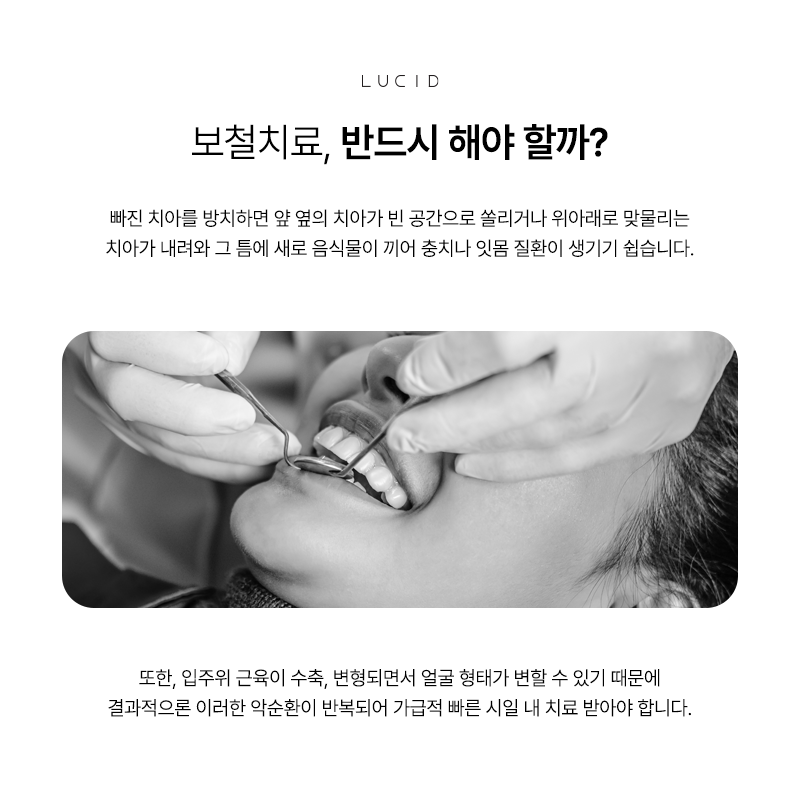
 Is prosthetic treatment always necessary?
Not every cavity requires prosthetic treatment, but in the following cases, it may be recommended.
-
When the cavity is extensive and a large amount of tooth structure must be removed
-
When it affects a molar that receives a lot of chewing force
-
When the tooth has become weaker after root canal treatment
-
When the original tooth shape has been significantly damaged
In these situations, simple filling treatment may not be sufficient for long-term maintenance, so a plan may be made to protect the tooth through prosthetic treatment.
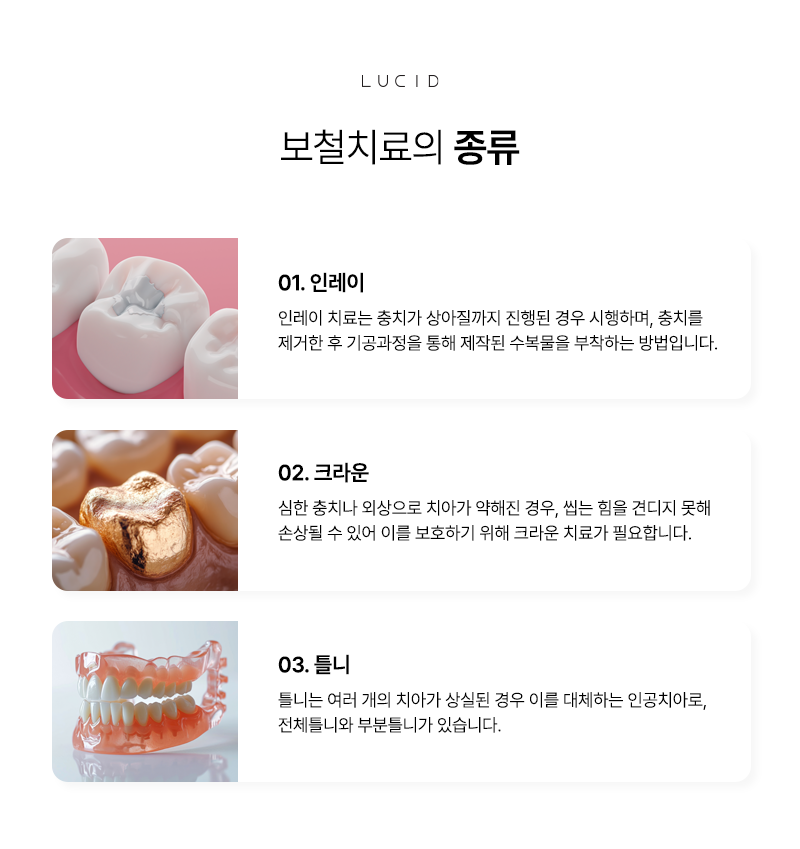 Types of prosthetic treatment
Depending on the degree of cavity progression and the condition of the tooth, various prosthetic treatment methods may be applied.
- Inlay
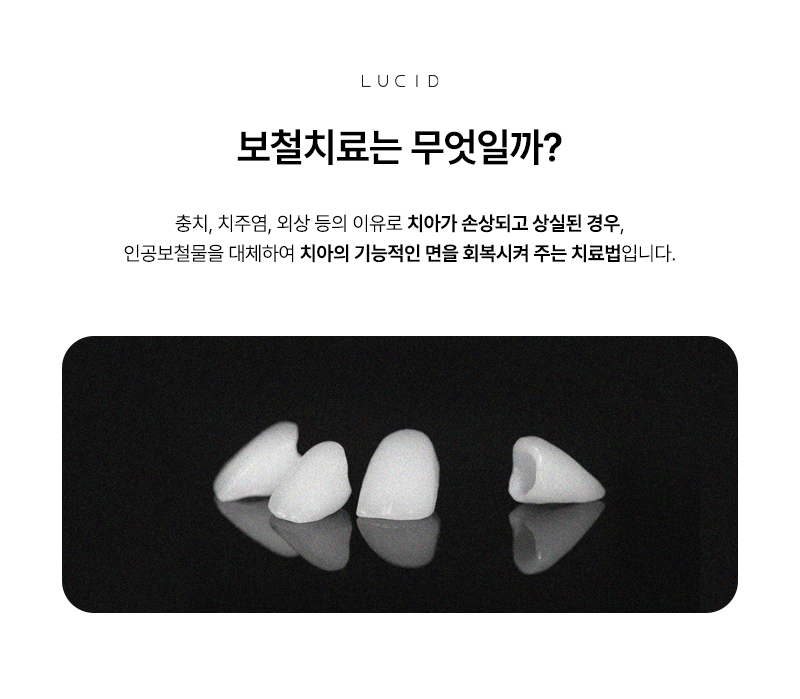
This is used when the cavity is relatively large but does not require covering the entire tooth. It is a method of precisely fitting a custom-made prosthesis into the removed area, which can help naturally restore the tooth’s shape.
- Crown
This is considered when the cavity is deep or when the overall strength of the tooth has weakened, such as after root canal treatment. It is designed to cover the entire tooth and aims to protect the tooth from external stimuli and maintain stable chewing function.'
- Denture
This is a prosthetic option chosen after extraction when a cavity has progressed so severely that the tooth is difficult to preserve.
It is a treatment that helps compensate for chewing function even when multiple teeth are lost, and the design is tailored to the individual’s oral condition.
Cavity treatment is treatment that looks ahead.
Cavity treatment is not just about treating the visible part; it is an area where you also need to consider how to maintain the tooth going forward.
Even for the same cavity, depending on the timing and condition, treatment may end with a simple procedure, or it may extend to prosthetic treatment. Therefore, even if current discomfort is not severe, it is important to check the condition through regular examinations and receive appropriate treatment at the necessary time.
At Lucid Dental Clinic, we consider each patient’s tooth condition and lifestyle habits together to guide them toward a treatment plan suited to the degree of cavity progression.
We value not only the treatment itself, but also the process of thinking about how to maintain the tooth afterward. Dental health starts with small habits of care.
We recommend starting step by step with checking your current condition.