Hello, this is Lucid Dental.
When a tooth starts to hurt, many people immediately think of a cavity. However, the treatment needed may vary depending on how far the cavity has progressed. Early-stage cavities can often be managed with relatively simple treatment, but if the cavity progresses deep into the tooth and begins to affect the nerve, root canal treatment at an Eonju Station dental clinic may be necessary.
Still, many people become worried as soon as they hear that root canal treatment is needed.
Patients often ask whether it will hurt, whether the treatment is absolutely necessary, and whether pain may remain afterward. Root canal treatment is not simply a way to treat a painful tooth; it is an important procedure performed to preserve a natural tooth for as long as possible.
Today, we will take an in-depth look at what root canal treatment is, why it may be needed, the treatment process, and how to care for the tooth afterward.
What Is Root Canal Treatment?
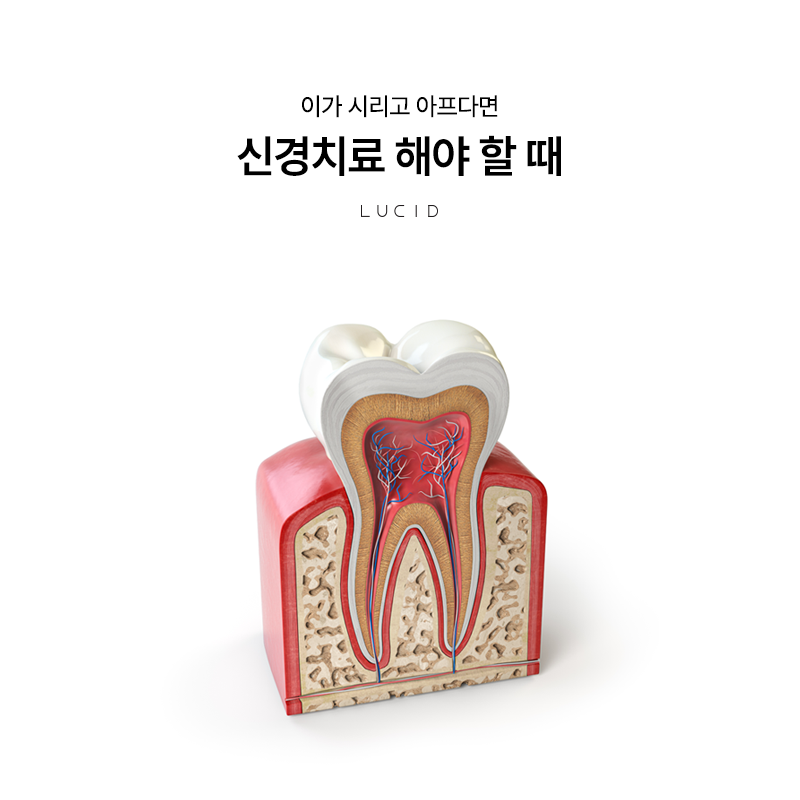
Teeth are not made up only of the hard portions visible from the outside. Inside the tooth is a tissue called the pulp, which contains blood vessels and nerves.
The pulp supplies nutrients to the tooth and helps it sense external stimuli. However, if a cavity becomes deep or the tooth receives a strong impact, the pulp may become inflamed.
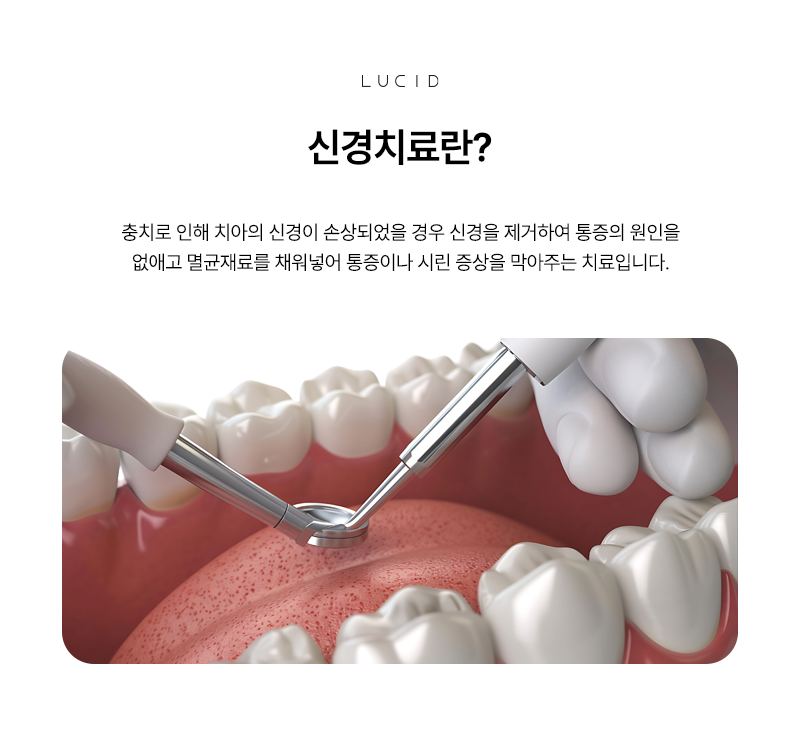
Because inflamed nerve tissue often has difficulty recovering naturally, treatment may be needed to remove the damaged nerve, thoroughly disinfect the inside of the tooth, and fill it with a special material.
This is root canal treatment.
Many people say that a tooth “dies” after root canal treatment, but it is more accurate to understand the procedure as a treatment intended to preserve the tooth so it can continue to be used without extraction.
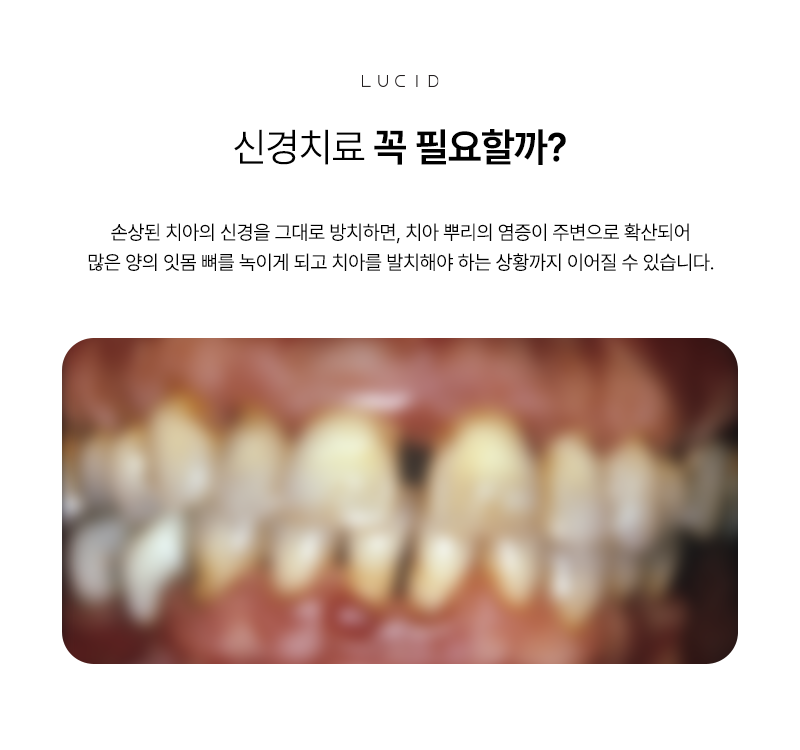
Is Root Canal Treatment Really Necessary?
Some people delay treatment because they are afraid of the pain, even when root canal treatment at an Eonju Station dental clinic is necessary.
However, if inflammation that has reached the nerve is left untreated, the problem may become more serious over time.
It may initially begin as sensitivity to cold foods, but gradually, pain may occur when eating hot foods and develop into throbbing pain even when nothing is being done.
In severe cases, the pain may make it difficult to sleep at night.
One particularly important point is that a reduction in pain at some point does not necessarily mean that the condition has improved.
Pain may decrease as the nerve tissue dies, but in some cases, the inflammation may actually be progressing to the tip of the tooth root.
If this condition continues, the gums may swell or pus may develop, potentially leading to a situation in which it becomes difficult to preserve the tooth.
Therefore, root canal treatment is not simply a treatment to reduce pain; it is an important treatment process for preserving a natural tooth.
Does Root Canal Treatment Really Hurt That Much?
Pain is the aspect that people preparing for root canal treatment at an Eonju Station dental clinic worry about most.
In the past, root canal treatment was widely regarded as extremely painful. Today, however, advances in anesthesia techniques and dental equipment have significantly reduced the burden during treatment compared with the past.
In fact, many patients say that their toothache before treatment was more difficult to endure. When the nerve is severely irritated by a cavity, the pain can become intense enough to interfere with daily life.
Of course, the level of discomfort may vary from person to person, and temporary discomfort may occur during treatment when the inflammation is extensive or the condition is complex.
However, if treatment is delayed because of fear of pain, more extensive treatment may be needed instead. It is therefore important to receive an examination at the appropriate time.
Can Pain Occur After the Procedure?
Some people experience discomfort even after root canal treatment is completed.
Some may worry that the treatment was unsuccessful, but discomfort for a certain period can be one of the natural reactions that occur during the healing process.
Because root canal treatment involves removing inflamed tissue from inside the tooth and disinfecting it, the tissues around the tooth root may be temporarily irritated.
As a result, for several days after treatment, you may feel a heavy sensation when chewing or increased sensitivity when pressing on the tooth.
This discomfort generally gradually improves over time. However, if the pain becomes increasingly severe or is accompanied by swelling, pus, fever, or other symptoms, it is advisable to visit an Eonju Station dental clinic for an evaluation.
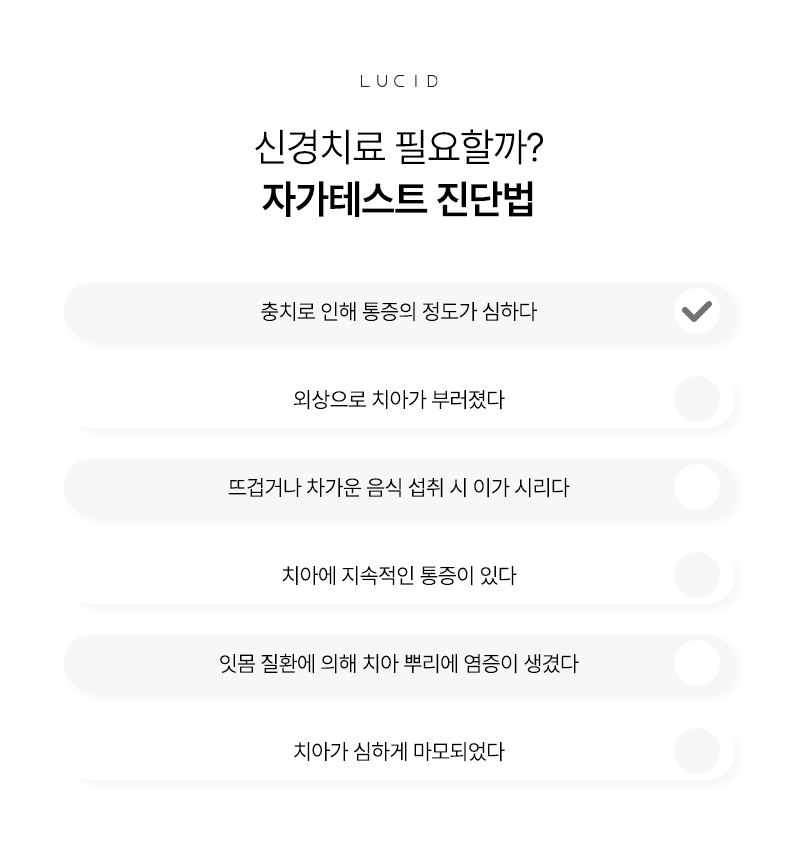
Root Canal Treatment Self-Check
-
The tooth feels sensitive when drinking cold water, and the pain continues for a long time
-
There is discomfort when eating hot foods
-
The tooth throbs even when nothing is being done
-
You have woken up at night because of a toothache
-
The tooth hurts when chewing
-
The tooth appears to have become darker in color
-
A small pimple or pus is visible on the gums
-
You were diagnosed with a cavity in the past, and the pain has recently worsened
If several of these apply to you, it may be helpful to receive an accurate examination. However, it is not possible to determine whether root canal treatment is needed based on symptoms alone, so the condition must be assessed through dental examination and X-rays.
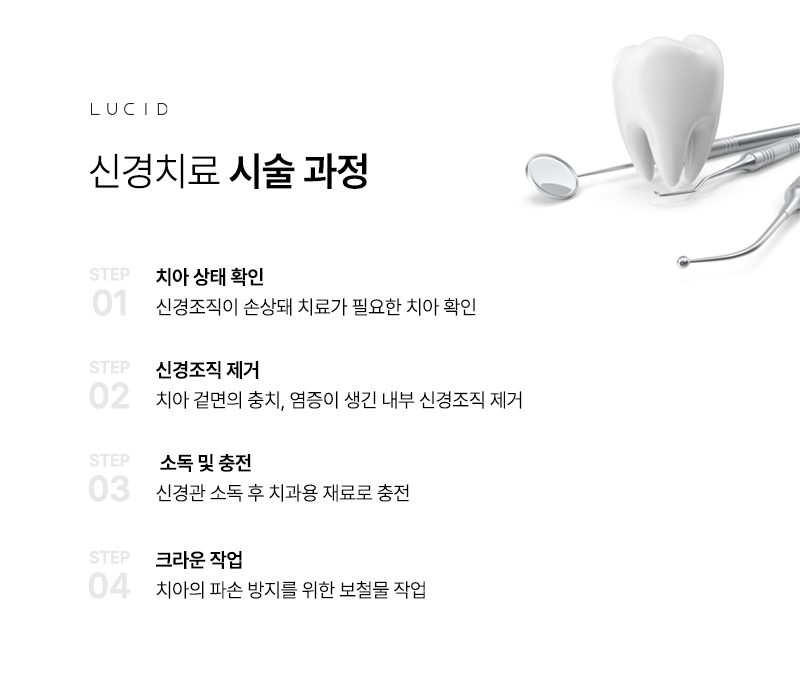
Root Canal Treatment Process
Root canal treatment at an Eonju Station dental clinic may be performed over one or multiple appointments, depending on the condition of the tooth.
-
Detailed examination: A dental examination is performed to assess the extent of the cavity and the condition of the tooth root.
-
Anesthesia and treatment preparation: After sufficiently anesthetizing the treatment area, an opening is created inside the tooth to access the nerve tissue.
-
Removal of infected nerve tissue: Inflamed nerve tissue and infected areas are removed.
-
Root canal cleaning and disinfection: The internal canals of the tooth are thoroughly cleaned and disinfected to reduce the possibility of reinfection.
-
Root canal filling: The empty space is sealed with a specialized material.
-
Prosthetic treatment: When necessary, prosthetic treatment such as a crown is performed to protect the tooth and help maintain its function.
In particular, root canal treatment should not be stopped simply because the pain has disappeared midway through treatment. The treatment can be completed only after the internal disinfection and sealing processes have been finished.
How to Care for Your Tooth After Root Canal Treatment
Consistent care remains important even after root canal treatment is complete.
-
Avoid chewing hard or tough foods with the tooth currently being treated
-
Keep your scheduled appointments
-
Brush thoroughly and use dental floss
-
Contact an Eonju Station dental clinic if unusual symptoms occur
-
Do not postpone prosthetic treatment if it is needed
-
Have the condition checked through regular examinations
In particular, a tooth that has undergone root canal treatment may become weaker than a healthy tooth. This is because removing the internal nerve tissue can leave the tooth more prone to fracture.
For this reason, crown treatment is often performed after root canal treatment. This process helps cover and protect the tooth so it can be used for a longer period.
An Important Choice for Protecting Your Natural Teeth
Root canal treatment is not simply a treatment to eliminate pain. It is a form of natural-tooth preservation treatment intended to help you continue using a damaged tooth without extracting it.
Once a tooth is lost, it cannot be returned to its original condition. Therefore, if toothache keeps recurring or a cavity has become deep, it is important to have the current condition accurately examined rather than enduring the pain.
At Lucid Dental, we carefully assess each patient’s oral condition and explain the necessary treatment plan.
If sensitivity or throbbing pain keeps recurring, have your current condition checked through an accurate diagnosis rather than worrying about it on your own.
The first step toward keeping your natural teeth healthy for a long time begins with examination and care at the appropriate time.