
Hello, this is Lucid Dental.
Have you ever been puzzled after being told that you had a cavity even though you usually brush your teeth thoroughly? Or have you ever felt a sharp sensitivity when eating cold foods or discomfort when eating sweet foods, only to have it improve over time and dismiss it as nothing serious?
Cavities are one of the most common oral diseases, but because they cause little to no pain in the early stages, they are often discovered late. As a result, by the time symptoms appear, the cavity may already have progressed deep into the tooth.
Once a tooth is damaged, it does not naturally return to its original condition, so it is important not to dismiss even small changes.
Many people put off treatment, thinking, “It’s probably fine because it doesn’t hurt,” or “I can get treatment a little later.” However, cavities do not naturally improve over time; they can gradually expand.
If detected early, a cavity can sometimes be treated relatively simply. However, the longer it is left untreated, the more likely it is that the scope of treatment will increase.
Above all, to use your natural teeth for as long as possible, it is important to accurately check their current condition when small warning signs appear, rather than waiting until symptoms become severe.
Regular checkups and receiving appropriate treatment at the right time can be the first step toward maintaining good oral health.
Today, we will explain in detail, step by step, what cavities are, why they occur, how they progress, what problems can arise if they are left untreated, and how cavity treatment and care are managed.
What Is a Cavity?
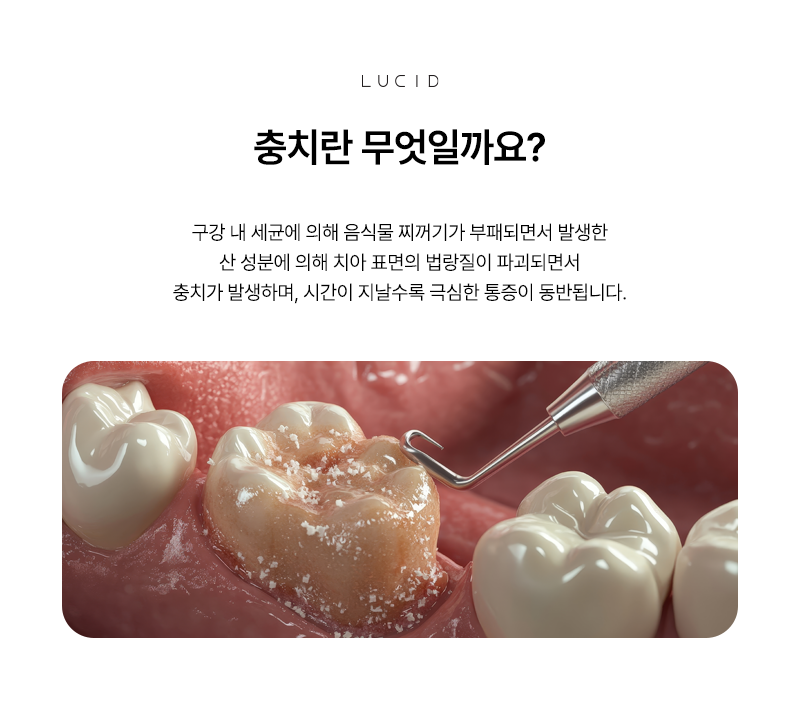
A cavity is a condition in which a tooth is gradually damaged by acids produced when bacteria in the mouth break down sugars in food.
It initially begins in the enamel, the outermost layer of the tooth, but over time it can affect the inner tissues as well. If the appropriate treatment window is missed, it may lead to a situation requiring root canal treatment or tooth extraction.
Once a tooth is damaged, it cannot restore itself to its original condition. Therefore, rather than waiting for a cavity to heal on its own, it is important to determine how far it has progressed and create a treatment plan suited to its condition.
In particular, early cavities cause little to no pain, making them difficult to detect by sight. They can also occur in areas that are difficult for a toothbrush to reach, such as between the teeth, even in people who brush diligently.
For these reasons, developing the habit of checking even small changes through regular oral examinations can be helpful.
Causes of Cavities
It is easy to think that cavities develop simply because someone does not brush their teeth, but in reality, several factors work together.
- Oral bacteria
The mouth contains various types of bacteria. Cavity-causing bacteria use food particles and sugars to produce acids, gradually weakening the tooth surface.
- Consuming sugary foods
Frequent consumption of candy, chocolate, and carbonated drinks, as well as sweet coffee and desserts, can increase the risk of cavities. In particular, eating small amounts frequently prolongs the amount of time the teeth are exposed to acid, so caution is needed.
- Improper brushing habits
Brushing does not necessarily mean that every area is being cleaned properly. Food can easily remain in areas that are difficult for a toothbrush to reach, such as between the teeth, along the gumline, and on the inner surfaces of the molars. If dental floss or interdental brushes are not used as well, bacteria may continue to accumulate.
- Reduced saliva production
Saliva helps keep the mouth clean and neutralize acids. However, if saliva production decreases due to stress, lack of sleep, medication, or other factors, an environment in which cavities are more likely to develop may be created.
- Insufficient regular checkups
Early cavities are often difficult to detect with the naked eye. If checkups are postponed because there are no noticeable symptoms, the cavity may progress deeper than expected and lead to a situation requiring more extensive treatment.
How Do Cavities Progress?
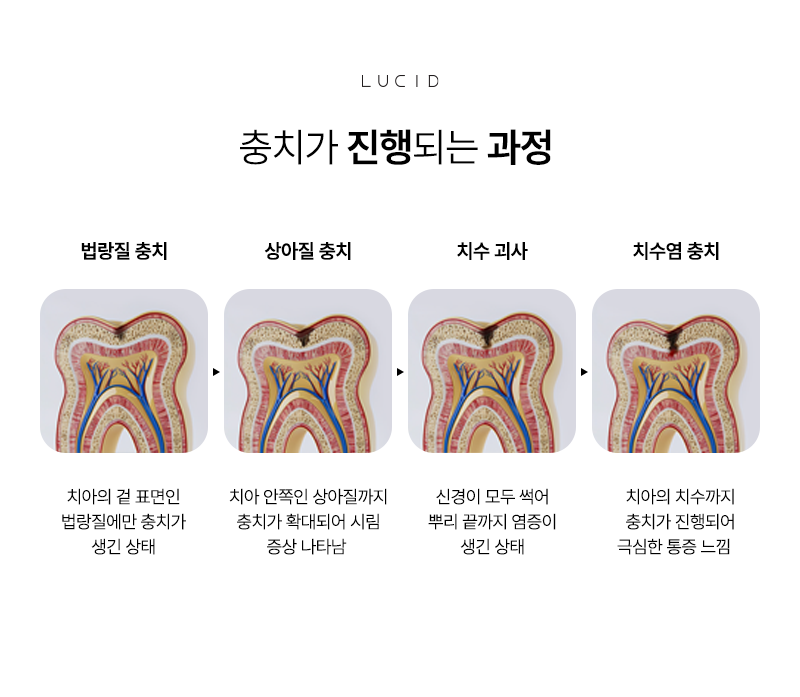
Cavities do not become severe overnight; they progress in stages. Because the necessary treatment differs depending on the extent of progression, it is important to accurately determine the current stage.
- Enamel cavity
This is the earliest stage. Damage is limited to the enamel, the outermost layer of the tooth. There is usually little to no pain, and many people do not experience any particular discomfort in daily life. If detected at this stage, the cavity is more likely to be treated relatively simply, which can help preserve as much of the natural tooth as possible.
- Dentin cavity
This is the stage at which the cavity has passed through the enamel and progressed into the dentin. You may begin to feel sensitivity or discomfort when eating cold or sweet foods, and food may frequently feel as though it is getting stuck. Because cavities can sometimes progress quickly from this point, it is advisable to receive an accurate examination without delay if you have symptoms.
- Pulpitis
This is the stage at which the cavity has begun to affect the nerve tissue. The tooth may respond sensitively to cold or hot foods, and spontaneous throbbing pain may occur. Some people may even lose sleep because of pain at night. At this stage, it is important to accurately determine the extent of the cavity and develop a treatment plan suited to the condition.
- Pulp necrosis
This is a condition in which the nerve tissue has been damaged as inflammation continues to progress. You may temporarily feel as though the pain has decreased, but this may indicate reduced nerve function rather than improvement. If left untreated, the inflammation may spread to the area around the tooth root, so prompt dental care, including treatment at Gangnam Station, is necessary.
What Happens If a Cavity Is Left Untreated?
Many people postpone treatment, thinking that a little sensitivity is nothing to worry about. However, cavities are not a condition that time will resolve.
Even if a cavity is initially small, it may gradually progress into the inner part of the tooth, increasing the area that needs to be removed. In severe cases, it may lead to a situation requiring root canal treatment or tooth extraction. A damaged tooth may also affect chewing function and place additional strain on the health of the surrounding teeth and gums.
If sensitivity or pain that differs from usual keeps recurring, accurately checking the current condition rather than waiting until the symptoms become severe may help you maintain your natural teeth for longer.

Who Needs Cavity Treatment?
A cavity does not need to cause pain before treatment becomes necessary. Even if it appears externally as a small black spot, the cavity may have progressed deeply inside. Conversely, there are cases in which a cavity begins between the teeth even though no abnormality is visible to the naked eye. Therefore, accurately checking the current condition of the teeth should take priority over whether symptoms are present.
If any of the following apply, it is advisable to check whether you have a cavity.
-
Repeated sensitivity when eating cold or hot foods
-
Pain in a particular tooth when eating sweet foods
-
Black or brown discoloration on a tooth
-
Areas where food frequently gets stuck or dental floss catches
-
A persistent unpleasant feeling in the mouth or ongoing bad breath even after brushing
-
A tooth that previously received cavity treatment at Gangnam Station has become uncomfortable again
-
You have not had an oral examination at Lucid Dental for a long time
Because even small changes can be signs of a cavity, if you notice discomfort, having your oral condition checked through Lucid Dental rather than making your own judgment may help you maintain your natural teeth for longer.
Cavity Treatment Methods
Cavity treatment is not carried out in exactly the same way for every patient. After thoroughly assessing the extent of the cavity and the condition of the tooth, an appropriate treatment method is selected.
- Treatment for early cavities
For cavities in the early enamel or dentin stage, one option may be to remove the damaged area and restore the tooth using a filling material such as resin. Resin can be selected in a color similar to that of the natural tooth, resulting in relatively little aesthetic concern, and is often used for relatively small cavities.
- When the cavity is extensive
When the cavity has progressed extensively and the tooth has sustained significant damage, prosthetic treatment such as an inlay or crown may be considered. The appropriate treatment approach is determined after comprehensively evaluating the extent of the damage and the amount of tooth structure remaining. It is important to create a treatment plan that allows the tooth to function stably.
- When the cavity has reached the nerve
If the cavity has progressed to the pulp and caused inflammation of the nerve, root canal treatment may be necessary. Root canal treatment involves removing infected nerve tissue, thoroughly disinfecting the inside of the tooth, and filling it to help the natural tooth remain usable for as long as possible.
Rather than extracting the tooth immediately, this is one method of preserving the natural tooth. After treatment, the tooth may also be protected with a crown.

Precautions and Care After Cavity Treatment
Care does not end when cavity treatment is complete. Proper care after treatment can help maintain the treated tooth for longer.
-
Thorough brushing and oral hygiene care: Brushing correctly three times a day is fundamental. It is also advisable to use dental floss or an interdental brush between teeth that are difficult for a toothbrush to reach.
-
Be careful with hard foods immediately after treatment: Until the treated area has stabilized, it is advisable to avoid hard foods such as ice and nuts. Avoiding tough or sticky foods for a certain period may also be helpful.
-
Temporary sensitivity may occur: If the cavity was extensive or deep, temporary sensitivity may appear after treatment. It often improves over time, but if the pain worsens or continues for a long time, it is advisable to have the tooth examined again.
-
Regular checkups: Cavities can develop again even in teeth that have already been treated. Therefore, it is important to receive regular oral examinations and check the condition of your teeth. Consistent care is needed so that even small changes can be detected early.
Cavities are common conditions that can affect anyone, but the extent of treatment may vary depending on when they are discovered and how they are managed. Rather than dismissing a small cavity and leaving it untreated, accurately checking its current condition and receiving necessary treatment at the appropriate time can help you maintain your natural teeth for longer.
At Lucid Dental, after thoroughly examining each patient's oral condition, we carefully diagnose what treatment is currently needed and first establish a treatment plan focused on preserving as much of the natural tooth as possible rather than providing unnecessary treatment.
We also carefully assess the extent of cavity progression using precise examinations with digital equipment and explain the treatment process in an easy-to-understand manner through thorough consultations with patients.
Once a tooth is damaged, it is difficult to return it to its original condition. If sensitivity or pain that differs from usual keeps recurring, or if you have not had an oral examination in a long time, consider having your current dental condition checked. Small amounts of attention and consistent care can be the best way to maintain healthy teeth for a long time.