Hello. This is Lucid Dental.
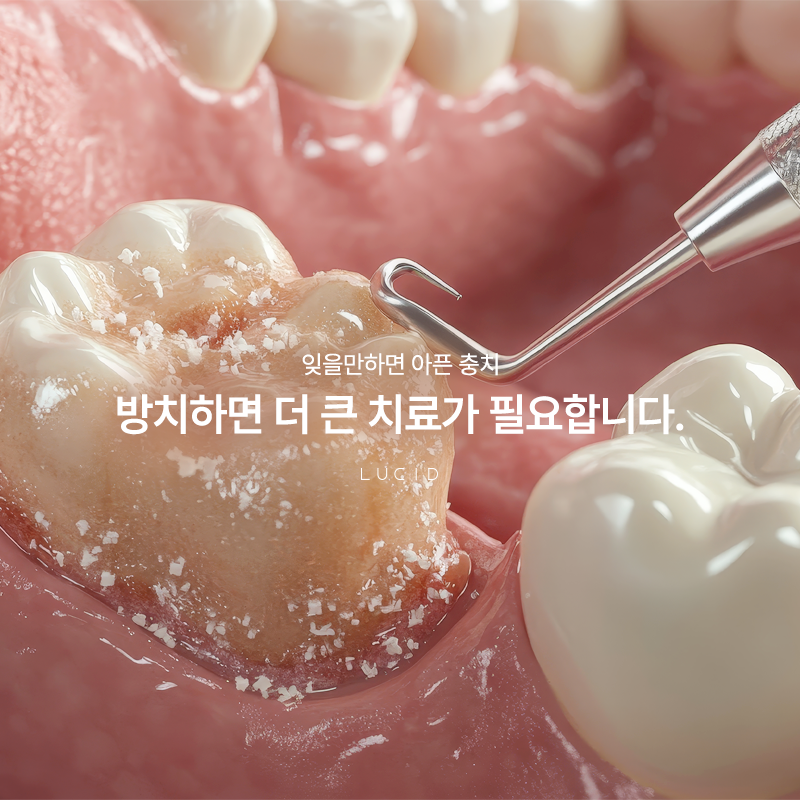
Many people have experienced cavity treatment at least once during childhood, but quite a few do not pay much attention to their teeth after becoming adults.
Many people postpone visiting a Sin Nonhyeon Station dental clinic, thinking that everything should be fine because they brush their teeth well, or because they have no pain yet. However, when we look at patients who actually visit a dental clinic, cavities in adults are found more often than expected.
After starting their working lives, people often drink coffee more frequently, eat out and attend social gatherings more often, and brush their teeth at irregular times because of busy schedules. These lifestyle habits can create an environment in which cavities are more likely to develop, and because there are often no noticeable symptoms in the early stages, detection may be delayed.
Adults, in particular, often endure their symptoms until they become severe, so there are cases in which the scope of treatment becomes larger than expected. Therefore, consistently checking the condition of your teeth and not overlooking even small changes may help maintain oral health.
Today, we will take a detailed look at the causes of cavities in adults, when treatment is needed, treatment methods, and management methods that can be practiced in daily life.
Why Do Adults Get Cavities?
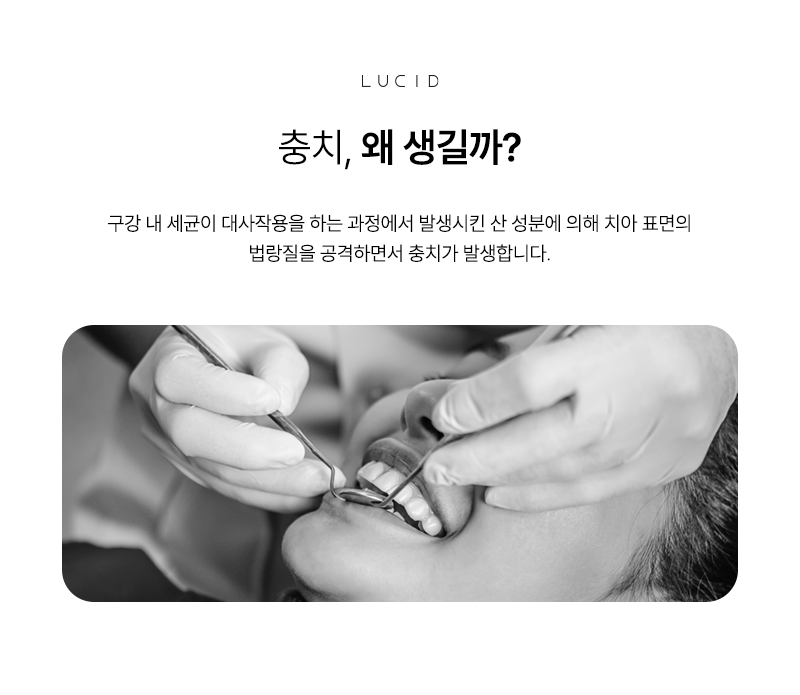
Cavities occur when teeth are damaged by acids produced as bacteria in the mouth break down the sugars in food. Once a tooth has been damaged, it does not naturally return to its original condition, so early detection and appropriate management are important.
There are more causes of cavities in adults than many people expect. A representative example is the habit of frequently drinking coffee and sweet beverages. In particular, when someone drinks small amounts of coffee throughout the day, the mouth may remain exposed to an acidic environment for an extended period.
Carbonated beverages and sugar-containing drinks can also affect dental health, so drinking water or gently rinsing the mouth after consumption may be helpful.
Eating out frequently may also have an effect. Sticky foods or foods high in carbohydrates can remain on the surface of the teeth for a long time, and food left between the teeth may encourage bacterial growth.
A decrease in saliva production with age is another possible cause. Saliva cleanses the mouth and helps neutralize acids, but in cases of dry mouth or when certain medications are being taken, these functions may decrease, potentially increasing the likelihood of cavities.
Care is also needed around previously treated dental restorations. Tiny gaps may develop over time around areas treated with crowns, inlays, or resin, and bacteria may enter through these gaps, resulting in secondary cavities.
Even when there appears to be no visible problem, cavities may progress internally, so regular checkups may be helpful.
Cavities Are Difficult to Notice in the Early Stages
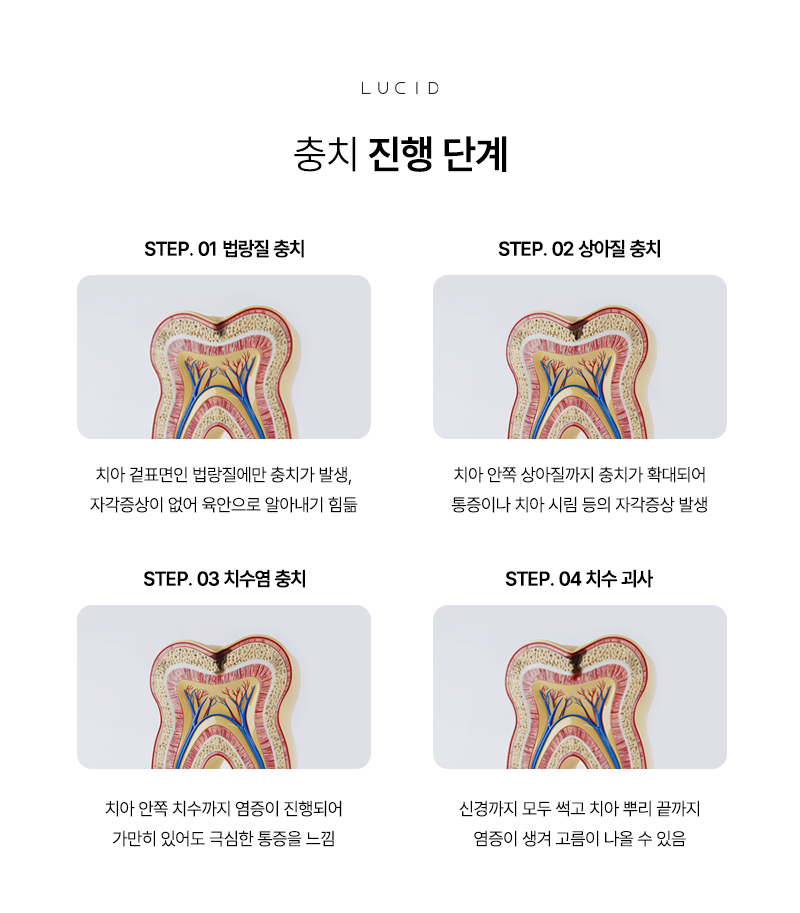
Many people think that cavities must cause pain, but early cavities often cause no noticeable symptoms.
When cavities are limited to the enamel in the early stage, there is little or no pain or sensitivity, making them difficult to detect on your own. For this reason, it is common for them to be discovered by chance during a regular checkup.
As a cavity gradually progresses, temporary sensitivity may occur when eating cold or sweet foods. However, these symptoms often disappear quickly, making them easy to dismiss as insignificant.
Once the cavity progresses to the dentin, food may become trapped more often, or chewing in a particular area may feel uncomfortable. The surface of the tooth may also turn brown or black, or a small hole may be visible when looking in the mirror.
If the cavity progresses close to the nerve, pain may occur even with hot foods, or a throbbing sensation may develop even when you are at rest. At this stage, the scope of treatment may become larger than before, so if symptoms appear, it is advisable not to delay and to receive an accurate diagnosis at a Sin Nonhyeon Station dental clinic.
Cavity treatment methods may vary depending on the extent of progression.
Cavity treatment is not applied identically to every patient. A treatment plan is developed by considering the extent of the damage and the condition of the tooth.
When the damaged area is not extensive, early cavities may be treatable with a relatively simple procedure. If the cavity has progressed to the dentin, restorative treatment such as resin or an inlay may be considered after removing the decayed area. The appropriate method may vary depending on the tooth’s location and the extent of the damage.
If the cavity has progressed deeply and affected the pulp tissue, root canal treatment may be necessary. A restorative treatment such as a crown may then be performed to protect the tooth.
The appropriate treatment at a Sin Nonhyeon Station dental clinic is determined based on various examinations and oral examination results. Therefore, rather than deciding on a treatment method based only on your symptoms, it is important to establish a treatment plan through sufficient consultation with a dental professional.
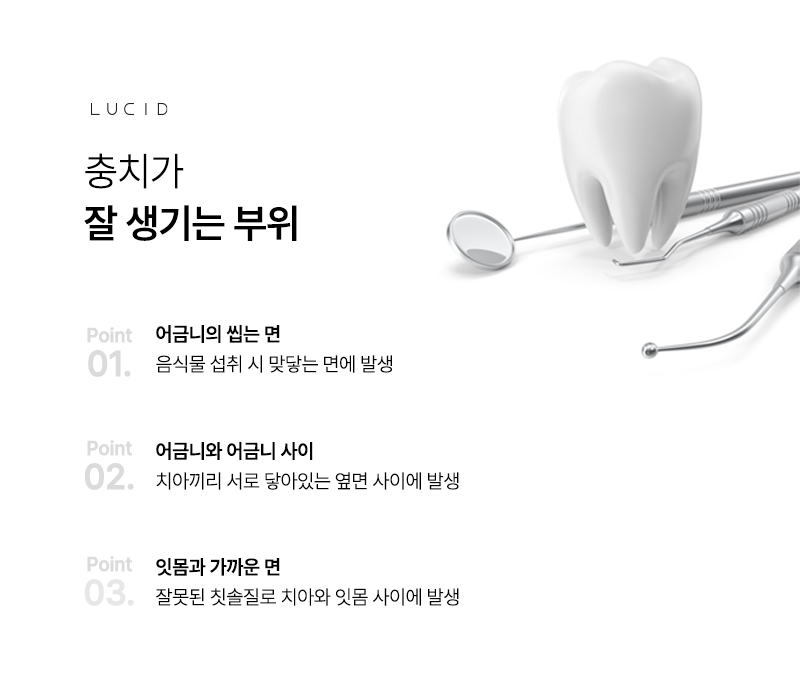
Which Areas Are Most Prone to Cavities?
Cavities can develop anywhere on a tooth, but they tend to be found more often in areas where food and bacteria can easily remain or where a toothbrush is difficult to reach. Even if you believe you brush your teeth thoroughly, areas that are difficult to clean may be more prone to cavities, so it is helpful to understand the characteristics of each area.
- Between the teeth
This is one of the most common areas where adult cavities are found. Because toothbrush bristles have difficulty reaching sufficiently between the teeth, food can easily remain there. These areas are also difficult to inspect visually, so cavities may not be discovered until they have progressed to some extent. Using dental floss or an interdental brush in addition to a toothbrush may help with oral care in these areas.
- The chewing surfaces of the molars
Because molars are used to chew food, they have deep grooves and pits. Food and plaque can easily accumulate in these spaces, which may not be cleaned thoroughly even when brushing. This area may be especially prone to cavities when sweet foods are consumed frequently or brushing time is insufficient.
- The boundary where the teeth meet the gums
The area where the gums and teeth meet also requires care. Plaque and tartar can easily accumulate there, and if the gums recede and the tooth roots become exposed, they may be more susceptible to cavities than ordinary tooth surfaces. Particularly when dry mouth or gum disease is present, more careful management is needed.
- Around previously treated teeth
Having received previous treatment with resin, a crown, or an inlay does not mean that cavities cannot develop again. Over time, very small gaps may form between the restoration and the tooth, allowing bacteria to enter and secondary cavities to develop. Even when there appears to be no visible problem, cavities may progress internally, so it is important to check their condition through regular checkups at a Sin Nonhyeon Station dental clinic.
- Around the wisdom teeth
When a wisdom tooth has only partially erupted or has emerged at an angle, food can easily become trapped around it. Because its structure makes it difficult for a toothbrush to reach, maintaining cleanliness can be challenging, and cavities may develop not only in the wisdom tooth but also in the molar directly in front of it. If the area around a wisdom tooth frequently swells or food repeatedly becomes trapped there, checking your oral condition may be helpful.

Why Regular Checkups Are Important
A considerable number of adult cavities progress without causing any particular discomfort in daily life. Cavities between the teeth or inside old restorations are especially difficult to see in a mirror, and pain may not appear until later.
Regular oral examinations can help identify these changes relatively early and may help reduce the extent of treatment needed.
In addition to cavities, the condition of the gums, tartar, and bite can also be checked during an examination, which may help with the overall management of oral health.
Even when there is no discomfort, developing the habit of checking the condition of your teeth at regular intervals can have a positive effect on long-term dental care.
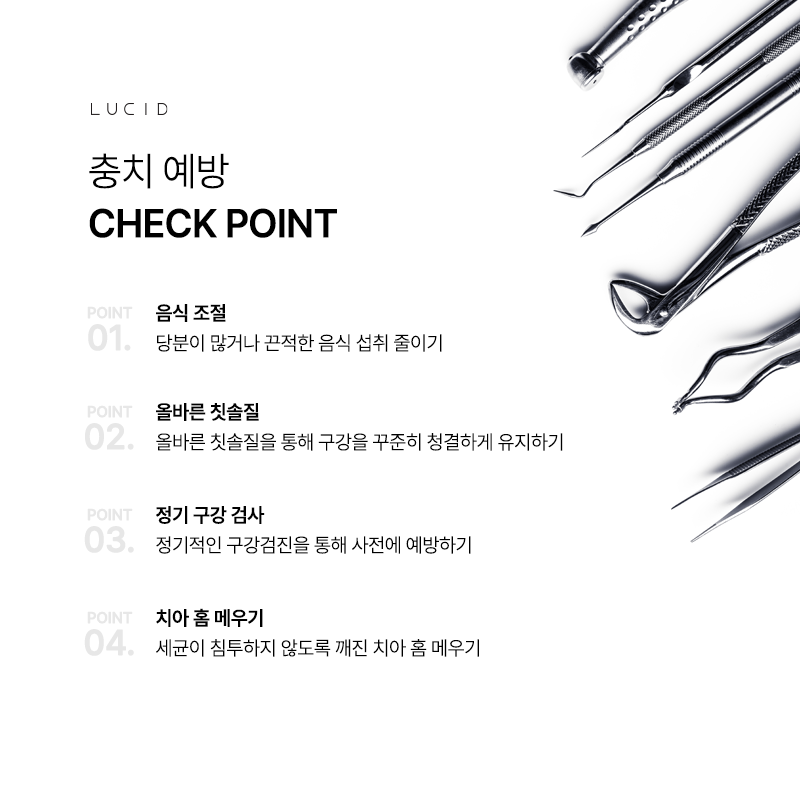
Ways to Prevent Cavities in Daily Life
Even small improvements in lifestyle habits may help prevent cavities.
It is best to brush your teeth after meals whenever possible. If brushing is difficult, rinsing your mouth with water may also be helpful.
To care for the areas between the teeth, it is better to use dental floss or an interdental brush in addition to a toothbrush. This is because they may help remove food and plaque from areas that a toothbrush cannot reach easily.
Rather than sipping coffee or carbonated beverages over a long period, it is better to finish them within as short a time as possible. Drinking water afterward may also help clear the mouth.
Brushing before bed is particularly important. Because saliva production decreases during sleep, an environment in which bacteria can become active may develop.
Most importantly, regular checkups at a Sin Nonhyeon Station dental clinic are essential. Even without any particular symptoms, developing the habit of checking the condition of your teeth may help detect and manage cavities early.
Not overlooking even minor discomfort is the first step toward protecting your dental health.
Adult cavities do not usually appear suddenly one day. They often progress as small changes recur over a long period. Since it is difficult to conclude that your teeth are healthy simply because you have no pain, it is important to monitor your oral condition consistently.
If sensitivity keeps recurring, food often feels as though it is getting stuck, or a particular area feels uncomfortable, checking the current condition of your teeth may be helpful.
If you are looking for a Sin Nonhyeon Station dental clinic, consider receiving an accurate diagnosis of your dental condition and having a thorough consultation about the treatment and management methods you currently need.
Lucid Dental conducts oral examinations and consultations while considering each patient’s individual dental condition and lifestyle habits. We also strive to explain the current condition and treatment process clearly and understandably before treatment begins.
Because teeth are difficult to restore naturally once damaged, consistent care is especially important. We hope that regular checkups and proper oral care habits will help you maintain healthy teeth for a long time.
Q&A
Q. Can I eat immediately after cavity treatment?
A. This may vary depending on the treatment method. After resin treatment, it may be possible to return to daily activities relatively quickly depending on the material used. However, if anesthesia was administered, it is best to eat only after sensation has sufficiently returned, as you may bite your lip or cheek. If a restoration such as an inlay or crown was attached, it is best to follow the precautions provided by the dental professional.
Q. Can sensitivity occur after cavity treatment?
A. You may temporarily become sensitive to cold or hot foods after treatment. This may occur because the tooth was stimulated during the treatment process, and it often gradually improves over time. However, if the pain becomes increasingly severe or persists for a long time, it is advisable to visit a Sin Nonhyeon Station dental clinic to identify the cause.
Q. Can a treated tooth develop a cavity again?
A. Yes, it is possible. Treating a cavity does not mean that the tooth can never develop another cavity. If food frequently remains around the treated area or care is insufficient, another cavity may develop. Secondary cavities may also occur around an existing restoration. Proper brushing, flossing, and regular checkups may be helpful.
Q. When can I drink alcohol after cavity treatment?
A. The time when drinking alcohol is possible after cavity treatment may vary depending on the treatment method and the individual’s oral condition. Even after a minor resin treatment, it is best to avoid alcohol on the day of treatment. Alcohol can dilate blood vessels and affect the recovery process, and if the anesthesia has not completely worn off, there is also a risk of biting or injuring the oral mucosa. If you received root canal treatment, gum treatment at the same time, an extraction, or a surgical procedure, it is best to avoid alcohol for the period recommended by the dental professional to allow for recovery. After treatment, sufficient rest and proper oral care may support recovery, so it is advisable to determine when to drink alcohol according to the guidance of the dental professional who performed the treatment.