Hello, this is Lucid Dental.
Because teeth do not naturally grow back once they are damaged or lost, it is very important to carefully determine the direction of treatment from the beginning.
In particular, after losing a tooth, many people wonder whether they definitely need an implant or whether their natural tooth can be saved.
Recently, it has become easy to find implant information online and through social media. However, because there is so much information available, many people feel confused about which treatment is right for them.
There are also cases where people focus only on comparing prices or promotions and end up overlooking more important factors.
A Gangnam dental implant is not simply a treatment to replace a tooth. It is a treatment that must take future oral health, eating, and everyday life into consideration.
Therefore, it is necessary to confirm the current condition of the teeth based on an accurate diagnosis and carefully determine first whether the natural tooth can be preserved.
Today, we will explain in detail what implant treatment is, how cases in which a natural tooth can be saved differ from cases requiring an implant, and what to look for when choosing a good dental clinic.
What Is an Implant?
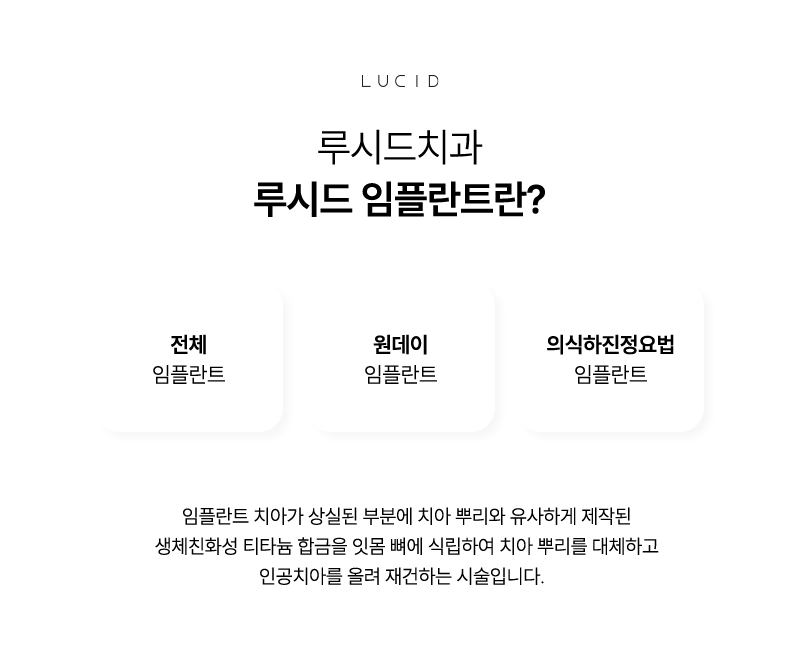
An implant is a treatment in which an artificial tooth root is placed in the jawbone at the site of a missing tooth, followed by the attachment of a prosthetic restoration to restore function and appearance similar to those of a natural tooth.
In the past, people who lost teeth often chose bridges or dentures. Today, however, more and more people are choosing implants because they can restore function independently without significantly reducing the surrounding teeth.
The greatest advantage of implants is that they can restore chewing function while also providing a natural appearance. In addition, when properly maintained, they may help support long-term use, making them a treatment chosen by many people.
However, a Gangnam dental implant is not simply a procedure for placing an artificial tooth. A treatment plan must be established by comprehensively considering whether the patient has sufficient jawbone, the location of the nerves, whether the bite is stable, and whether gum disease is present.
This is also why the treatment process and duration required can vary from patient to patient, even for the same type of implant. Recently, digital equipment such as 3D CT has made it possible to examine the jawbone and nerve locations more precisely. Based on this information, creating a treatment plan suited to each person’s oral condition has become a standard part of dental care.
Cases in Which a Natural Tooth Can Be Saved VS. Cases Requiring a Gangnam Dental Implant
Tooth extraction is not necessary in every case simply because a tooth has been significantly damaged.
In actual dental practice, dentists first consider preserving the natural tooth as much as possible whenever feasible. This is because natural teeth have advantages that are difficult to completely replace, no matter how good the prosthetic restoration may be.
The periodontal ligament surrounding a tooth helps naturally distribute chewing forces and transmit subtle sensations. These are functions that can only be expected from a natural tooth.
Cases in Which a Natural Tooth Can Be Saved
-
When treatment is possible for early-stage tooth decay
-
When function can be maintained after root canal treatment
-
When the tooth root remains healthy
-
When recovery is possible because gum disease is not severe
-
When it is determined that the tooth can be used for a long time through appropriate treatment
If a tooth can be used sufficiently, considering preservation treatment first rather than proceeding with an unnecessary extraction may be helpful. Conversely, in the following cases, an implant is more likely to be considered.
Cases Requiring a Gangnam Dental Implant
-
When the tooth is so loose that it is difficult to maintain
-
When the fracture extends to the tooth root
-
When extensive inflammation makes recovery unlikely
-
When periodontal disease has progressed severely
-
When the prognosis remains poor despite repeated treatment
-
When it is determined that extraction is already necessary
The important point is neither to preserve a natural tooth unconditionally nor to extract it unconditionally. The most important thing is to objectively diagnose the current condition of the tooth and choose a treatment direction that is expected to provide a more stable long-term result.
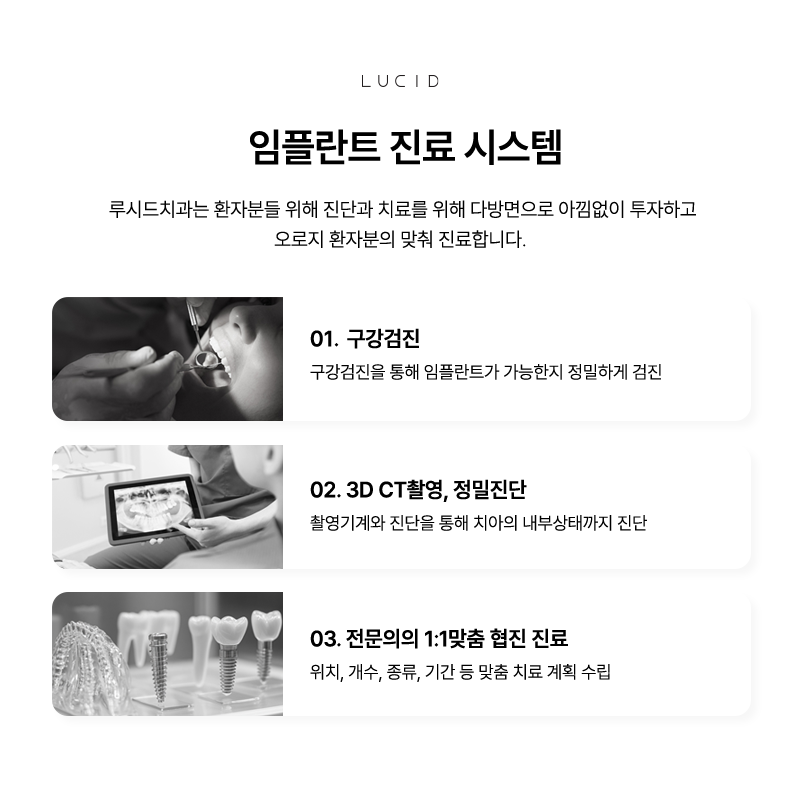
Key Criteria for Deciding on Implant Treatment
When deciding on a Gangnam dental implant, it is not enough to check only whether a tooth is missing. The first thing to examine is the condition of the jawbone.
Because implants are placed in the jawbone, there must be sufficient bone volume and density to establish a more stable treatment plan. In some cases, additional bone grafting may be necessary. The condition of the bite is also an important factor.
If chewing forces are concentrated on one side or the existing tooth alignment has collapsed, continuous stress may be transferred to the implant as well. Daily habits should also be taken into consideration.
-
Whether you smoke
-
Systemic conditions such as diabetes
-
Oral hygiene habits
-
Clenching or teeth grinding
-
Whether you receive regular checkups
Because these factors can affect treatment outcomes and long-term maintenance, sufficient consultation and examination are necessary. In addition, implant treatment does not end as soon as the implant is placed.
Regular checkups are needed to monitor gum health, and ongoing care—including scaling and bite adjustment when necessary—must also be provided for more stable long-term use.
At Lucid Dental, we carefully analyze each patient’s oral condition through precise diagnosis using 3D CT and establish an individualized treatment plan for more systematic care.
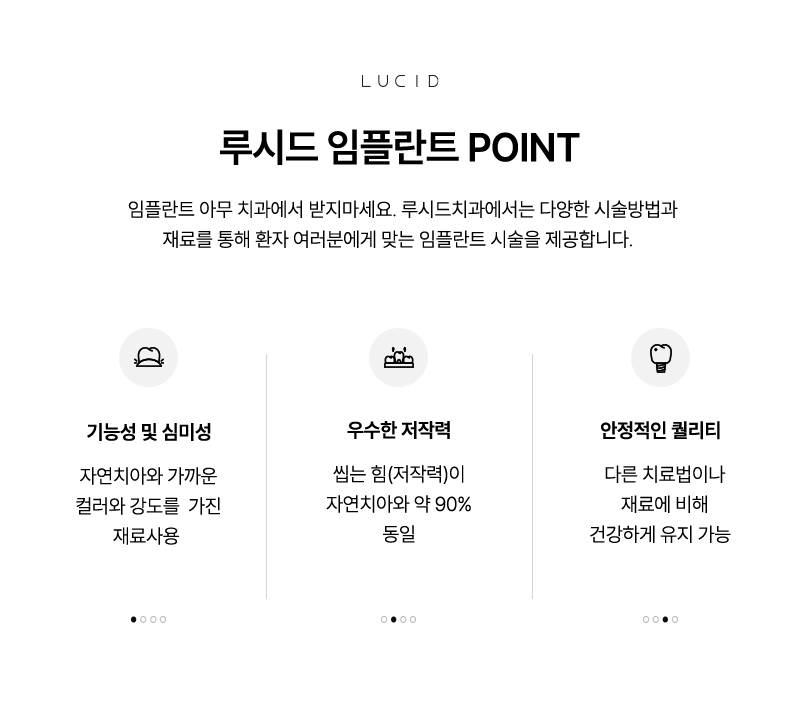
Why Implant Treatment Can Become More Difficult the Longer It Is Delayed
Some people do not experience significant discomfort immediately after losing a tooth. However, various changes may occur in the mouth over time.
The first change is that the jawbone gradually begins to be resorbed. When the jawbone, which was stimulated by the presence of a tooth, is no longer used, its volume gradually decreases. The longer this continues, the more difficult it may become to create suitable conditions for implant placement.
This may lead to a situation requiring bone grafting and can prolong the treatment period. In addition, the teeth around the empty space may gradually tilt, or the opposing tooth that used to bite against the missing tooth may move downward.
These changes can also affect the bite and may become a reason additional treatment is needed when an implant is performed later. Even without major discomfort, you may naturally develop a habit of chewing only on one side, which can cause excessive force to be concentrated on the teeth on the opposite side.
Although the issue began with a single tooth, it may eventually affect the surrounding teeth and even the jaw joint. Therefore, rather than leaving it untreated, it is important to accurately check the current condition.
Receiving an early consultation does not necessarily mean that you must undergo treatment immediately. However, accurately understanding your current condition and planning treatment at an appropriate time may help reduce the scope of future treatment.
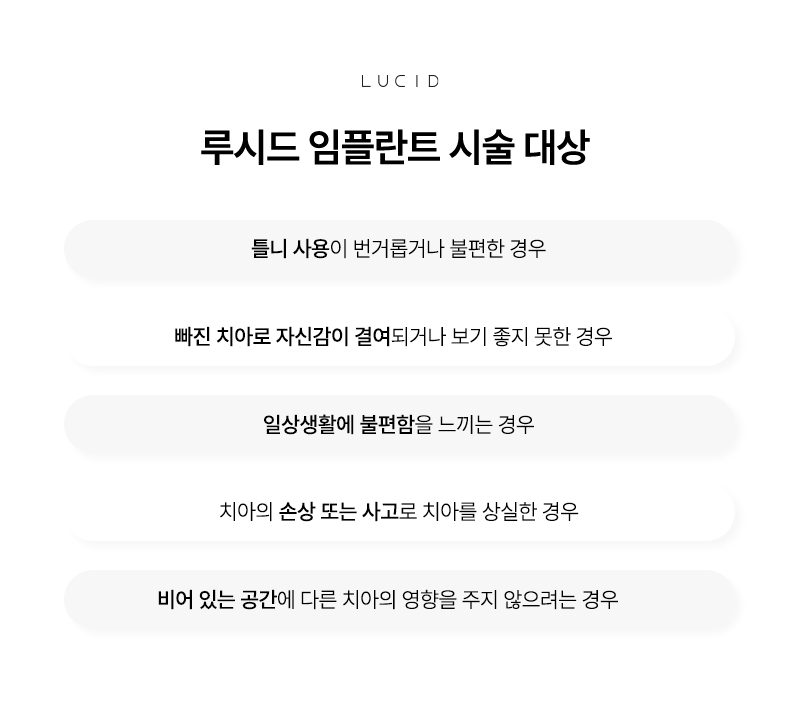
Candidates for Implant Treatment
A Gangnam dental implant is not a treatment performed only when a tooth is missing. It may be considered when it is difficult to maintain the current tooth or when functional restoration is needed for long-term oral health.
However, it is not applied identically to every patient. It is important to confirm the current oral condition through an accurate diagnosis and then establish a treatment plan.
Implants may be considered for the following people.
-
People who have lost a tooth and experience difficulty chewing
When a missing tooth remains unreplaced, not only can chewing function decline, but the surrounding teeth may also be placed under greater stress. After checking the current oral condition, establishing an appropriate treatment plan may be helpful.
-
People with a tooth that requires extraction
If it is determined that a natural tooth is difficult to maintain because of tooth decay, periodontal disease, a fractured tooth, or other causes, an implant may be considered after extraction.
-
People who find dentures uncomfortable or want more stable support
If you experience movement or discomfort while using conventional dentures, you can consult a dentist about whether implant treatment is possible based on your current oral condition.
-
People who have lost a tooth due to an accident or trauma
When a tooth is lost due to an external impact, an appropriate treatment plan is established after examining the condition of the jawbone and surrounding tissues.
-
People considering treatment because of a long-standing missing tooth
If a missing tooth has been left untreated for a long time, changes in the jawbone or movement of the surrounding teeth may occur. It is important to accurately diagnose the current condition and determine the appropriate treatment direction.
-
People who want to restore chewing function more stably
If discomfort during meals or ongoing daily inconvenience caused by tooth loss continues, it is advisable to consult a dental professional to determine the appropriate treatment method.
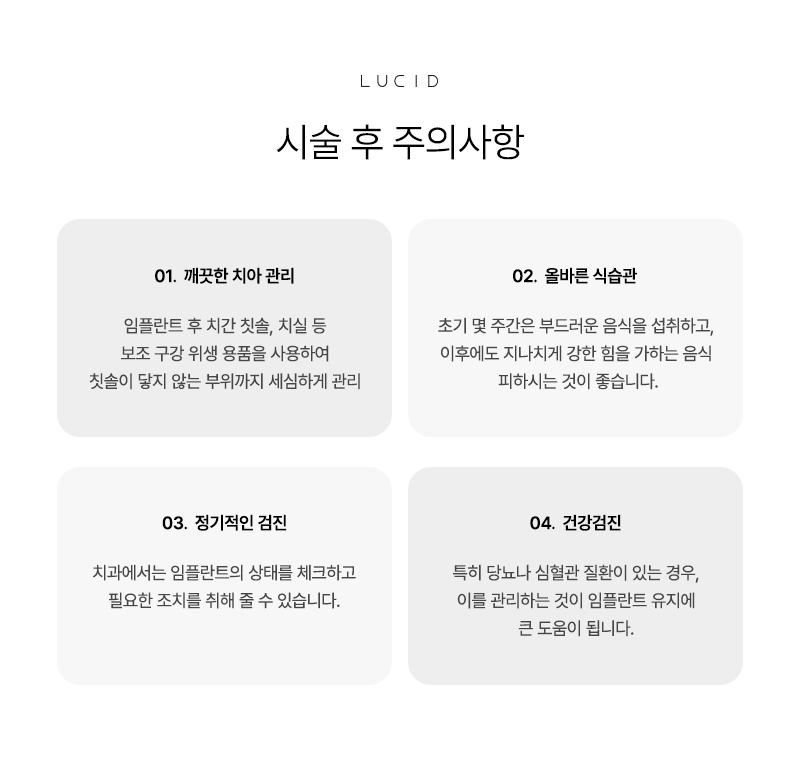
An implant is not simply a treatment to replace one tooth. It is an important choice for maintaining long-term oral health.
Therefore, rather than making a decision based only on price or promotions, the priority should be to receive an accurate diagnosis of the current tooth condition and thoroughly confirm whether the natural tooth can be preserved.
At Lucid Dental, we carefully analyze each patient’s jawbone and tooth condition through precise diagnosis using 3D CT. We first consider an approach that preserves the natural tooth as much as possible and then establish a treatment plan suited to the individual’s oral condition.
We also provide thorough consultation before treatment and systematic aftercare following treatment to support more stable implant care.
If you are considering an implant, rather than rushing to decide on treatment, accurately check your current tooth condition and receive a thorough consultation about the treatment direction that is appropriate for you.
The right diagnosis and appropriate treatment timing may help you maintain healthy teeth for a long time and can be the first step toward enjoying comfortable meals and regaining a natural smile.
Q&A
Q. What is the first criterion to consider when choosing a dental clinic that is good at implant treatment?
A. The most important factor is a sufficiently thorough diagnostic process. It is advisable to check whether the clinic carefully analyzes your current condition through 3D CT imaging and an oral examination, and explains in detail why an implant is needed and whether there is any possibility of saving the natural tooth. Rather than focusing simply on price, it is helpful to first assess whether the diagnostic process is systematic.
Q. What kind of dental clinic should I avoid?
A. If a clinic immediately recommends extraction or decides on treatment without a detailed examination, it is advisable to seek another careful consultation. In addition, if a clinic focuses excessively on price or proceeds with treatment without providing sufficient explanation, comparing consultations at several dental clinics may be one option.
Q. What should I check during my first dental consultation?
A. It is advisable to check the current condition of your teeth, why treatment is needed, the possibility of preserving the natural tooth, the expected treatment period, the treatment methods to be used, and the post-treatment care plan. Rather than focusing simply on price, it is helpful to first assess whether the diagnostic process is systematic.
Q. Implant prices vary so much between dental clinics that I am confused. Is there a practical standard to use?
A. Implant costs may vary depending on the materials and equipment used, the treatment plan, the dental team’s care system, and the aftercare program. Rather than simply choosing the least expensive clinic, it may be more reasonable to compare the diagnostic process, treatment plan, and maintenance system together.
Q. What common traits do truly excellent dental clinics have?
A. They commonly listen carefully to the patient and propose an individualized treatment plan based on an accurate diagnosis. A clinic may be more trustworthy if it systematically explains the process before and after treatment, operates a regular maintenance system after treatment, and considers the patient’s long-term oral health as well.