Hello, this is Lucid Dental Clinic.
People in their 40s and 50s tend to have gradually changing concerns about their teeth.
In the past, when cavities or gum disease developed, the focus was on treating and managing the affected area. Over time, however, people may find that teeth treated in the past have reached the end of their lifespan or that maintaining them has become difficult.
One of the representative treatment options to consider when a tooth is lost is a dental implant. However, when speaking with people researching implants, there is one notable difference compared with the past.
Many people are no longer satisfied simply with being able to chew well. They also consider whether the treatment looks noticeable and whether the implant blends naturally with the surrounding teeth when they smile.
People in their 40s and 50s who are active in social life may pay even more attention to these aspects. If they frequently meet people at work, interact with customers, or attend important gatherings and family events where photographs are taken, the appearance of their teeth can affect their overall impression.
Does aesthetics simply mean making teeth white and attractive? In reality, it is necessary to consider a much wider range of factors.

Gangnam dental implants: Is restoring chewing function enough?
The basic purpose of a Gangnam dental implant is to restore chewing function by replacing a missing tooth. However, our teeth do more than chew food.
They are naturally visible when we speak or smile and can also contribute to our overall facial impression. Areas that are easily visible from the outside, such as the front teeth, can attract attention even when only a small difference is present.
If an implant restoration is excessively lighter or darker than the surrounding teeth, a single tooth may stand out. An awkward impression can also result when the length or width of the tooth does not match the surrounding teeth.
If the boundary between the gums and the restoration does not look natural, the treatment area may become noticeable when smiling.
For this reason, Gangnam dental implant treatment requires a process that considers harmony with the surrounding teeth along with functional aspects. The same applies to areas that are not usually visible, such as the molars.
Some people show their back teeth depending on how widely they smile or how their mouth moves, and the position and shape of an implant are also closely related to its bite with the opposing teeth.
Ultimately, a natural-looking implant is not just about the visible area; it is an issue connected to the balance and overall structure of the mouth.
Why people in their 40s and 50s consider aesthetics more carefully with Gangnam dental implants
People in their 40s and 50s often meet a variety of people at work and in social settings. They may need to attend business meetings or give presentations, and they may take more photographs as their children go through events such as entering school, graduating, or getting married.
Many people also take an interest in their appearance and personal grooming. In these situations, a missing tooth or a restoration that is noticeably different from the surrounding teeth can lead to more stress than expected.
On the other hand, it is not advisable to prioritize appearance excessively when considering implant treatment. Even if an implant looks natural on the outside, discomfort may develop during long-term use if it cannot properly withstand chewing forces or if the bite is not aligned.
Therefore, for people in this age group, it is better to approach implant treatment by considering both conditions together rather than viewing it as a choice between teeth that chew well and teeth that look natural.
What determines the natural-looking result of a Gangnam dental implant?
The aesthetics of an implant are not determined by the color of the restoration alone. The first aspect to examine is harmony with the surrounding natural teeth.
Human teeth are not all the same shade of white. Each tooth has subtle differences in color, as well as differences in translucency and surface texture when exposed to light.
In particular, the natural teeth of people in their 40s and 50s may have changed gradually in color or shape through years of use. If only the implant restoration is made excessively bright and glossy in this situation, it may instead create a more artificial appearance.
For this reason, it is important to examine the color, brightness, and size of the surrounding teeth together.
The shape of the teeth is also essential. Even among front teeth, the ratio of length to width differs from person to person, as does the shape of the tooth edges. Facial shape, the lip line, and the range of teeth visible when smiling also vary from person to person.
Ultimately, achieving a natural result requires considering the overall atmosphere created by the remaining teeth and the face, rather than applying one standardized restoration shape to everyone.
Why the gum line must also be considered
An often-overlooked aspect when discussing implant aesthetics is the gums.
With natural teeth, the line where the teeth meet the gums is formed relatively naturally.
However, when a long time has passed since a tooth was lost, the shape of the gums or alveolar bone in that area may have changed.
The alveolar bone may gradually decrease in the area where a tooth is missing, which can also change the height or thickness of the gums. In this situation, simply matching the color of the restoration to the surrounding teeth does not create a natural appearance.
Especially for people whose gums are relatively visible when they smile, the boundary where the teeth and gums meet may also be noticeable.
Therefore, if aesthetics are important, it is necessary to examine not only the space where the implant will be placed but also the condition of the surrounding gums and the shape of the alveolar bone.
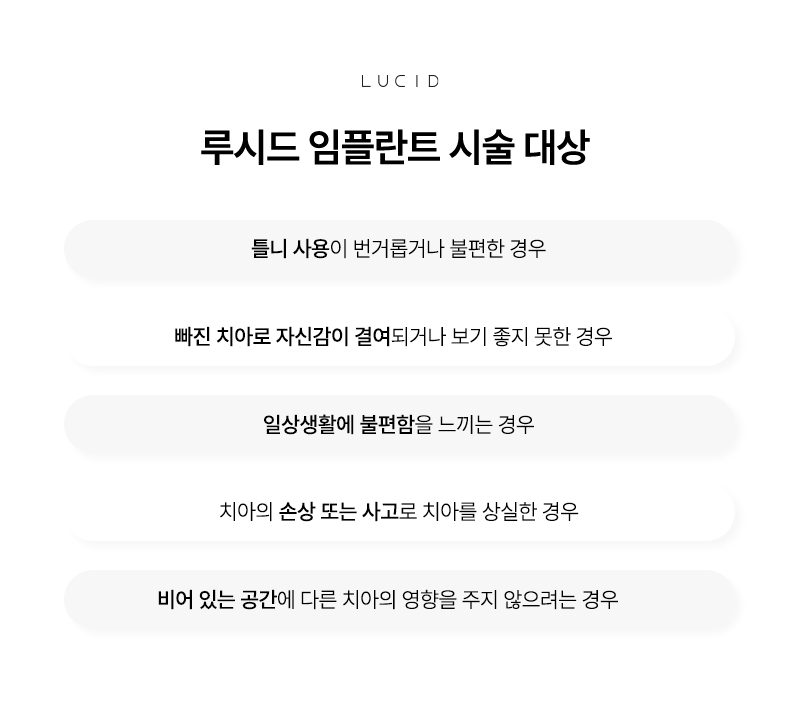
Another reason the implant position is important
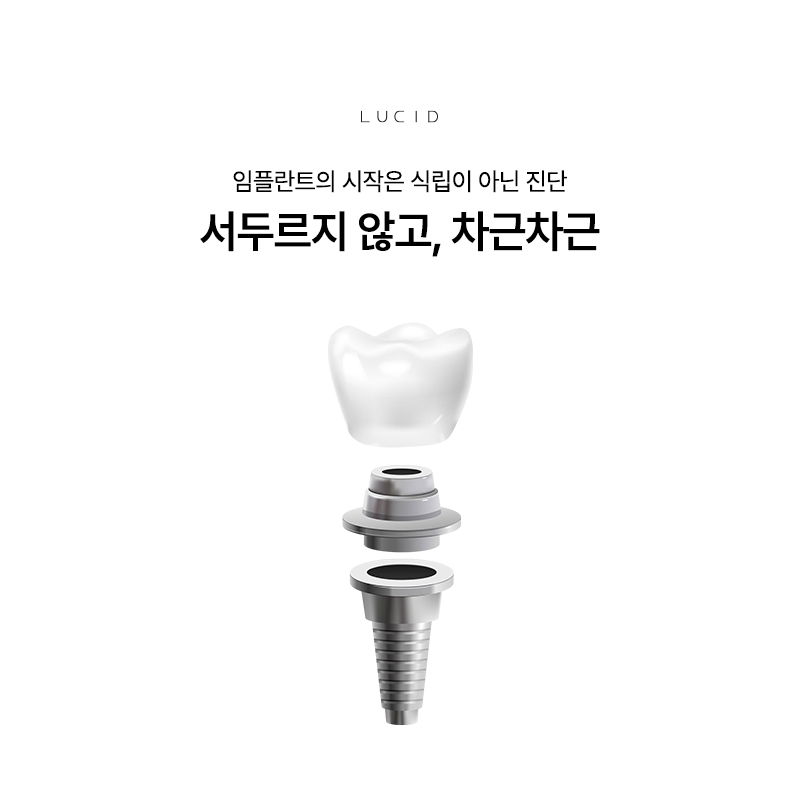
An implant consists of a restoration connected to an artificial tooth root placed in the alveolar bone.
Therefore, the initial position and angle of the implant can affect the shape of the restoration made later.
For example, if the implant is positioned too far to one side relative to the available space or becomes difficult to orient properly, there may be limitations when creating a natural-looking final restoration.
For this reason, during the treatment-planning stage, it may be necessary to assess the width and height of the alveolar bone, the distance from the surrounding teeth, and the position of the opposing teeth three-dimensionally rather than looking only at the currently empty space.
This is also why many people researching Gangnam dental implants look into the equipment and treatment methods used.
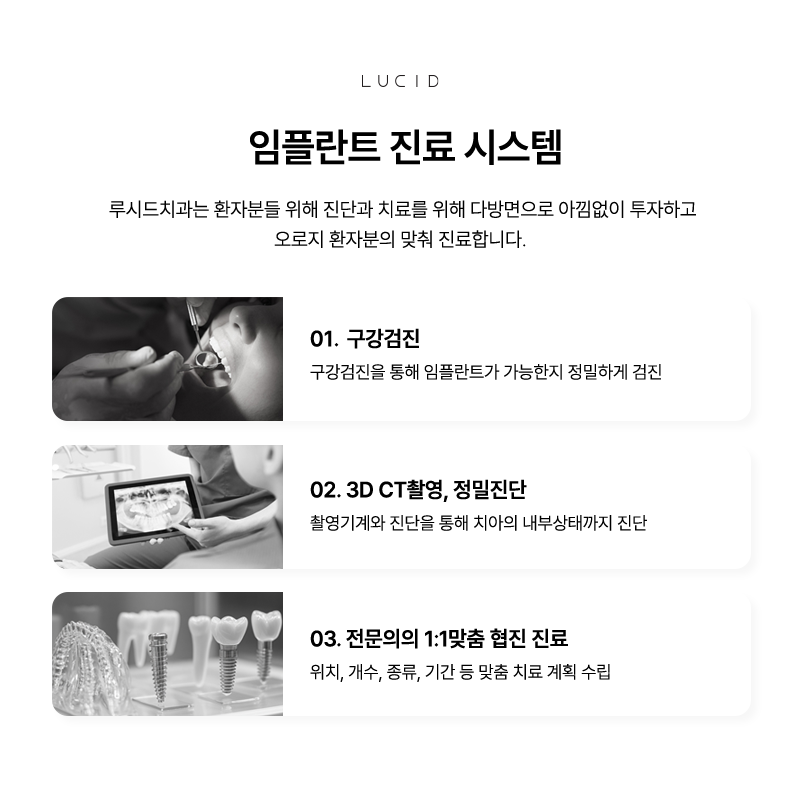
Equipment such as 3D CT can be used to examine the structure of the alveolar bone and surrounding tissues, which can be difficult to evaluate from two-dimensional images alone. It may also help with planning the implant placement position based on this information.
For people in their 40s and 50s with many long-used teeth
For people in their 40s and 50s, it may not always be possible to view only the one tooth requiring an implant in isolation.
There may already be teeth nearby that have received prosthetic treatment, such as crowns or bridges, and the color of older restorations may look different from the current teeth. Tooth wear, discoloration, and gum recession may also occur together.
Therefore, when creating a new implant restoration, several conditions within the mouth must be considered together. If there is a neighboring crown, it may be necessary to check the difference in shade between that restoration and the new implant. If tooth wear has progressed significantly, the height of the teeth and their bite relationship must also be considered.
When several teeth need to be treated at the same time, it may become particularly important to consider the overall arrangement and proportions rather than making each tooth independently.
An even more careful approach is needed for a front-tooth implant.
The front teeth cut food, but they are also highly visible in terms of appearance.
Because they are naturally exposed during conversation and easily draw attention when smiling or taking photographs, aesthetic considerations may be especially important for front-tooth implants.
When only one front tooth is treated with an implant, it is important to consider how naturally it connects with the natural teeth on either side.
Even a slight difference in tooth length can make the left-right balance look different, while differences in shade or translucency can also be relatively easy to notice. The impression may vary depending on the space between the teeth and the shape of the gums.
Therefore, front-tooth treatment should be planned not simply as filling the space left by a missing tooth, but by considering the arrangement of the teeth visible when smiling and the lip line as well.
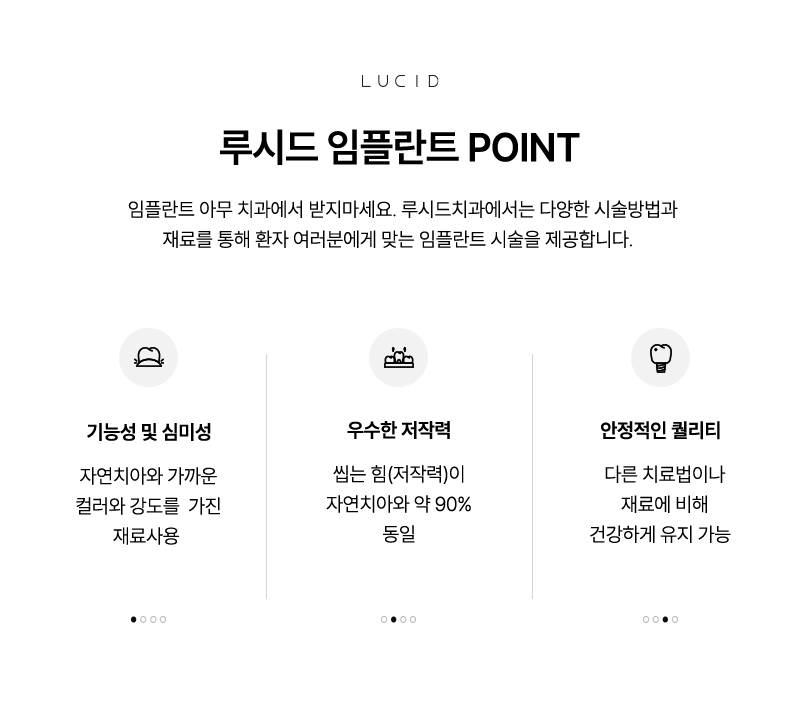
Teeth that are extremely white are not always the most natural-looking.
Some people prefer a bright shade when having an implant restoration made.
However, if the goal is a natural result, an excessively bright shade cannot always be considered the right answer.
If the surrounding natural teeth have a consistent shade but one implant is exceptionally bright, that area may instead be emphasized. Conversely, if the surrounding restorations or natural teeth are generally bright, a shade that matches them should be considered.
Ultimately, what matters is not how white the tooth is, but how well it blends with its surroundings.
In addition to color, a more natural impression can be achieved when the way light reflects from the surface, the shape, and even the characteristics of the tooth edge all harmonize with the surrounding teeth.
Gangnam dental implants: Consider not only the present but also future use.
When receiving implant treatment in your 40s or 50s, it is also important to consider how long the implant will need to be used in the future.
Rather than focusing only on an appearance that is satisfactory immediately after treatment, it is important to create a structure that can be used comfortably in daily life and maintained consistently.
To do this, it is necessary to consider whether the area around the implant can be cleaned easily with a toothbrush or interdental brush, whether its structure causes food to become repeatedly trapped, and whether excessive force is concentrated on a particular area when chewing.
Because implants have a different structure from natural teeth, they require care even after treatment is complete. Regularly checking the condition of the surrounding gums and the bite, while maintaining proper oral care habits, may help with long-term use.
Why neither function nor aesthetics can be considered alone
The most important aspect of implant treatment is not merely filling the space left by a missing tooth.
It should be comfortable when chewing food, harmonize with the surrounding teeth, and not make a particular area excessively noticeable when smiling or speaking.
For people in their 40s and 50s especially, it is important to consider both function and appearance with their future social life and daily activities in mind.
If you are researching Gangnam dental implants, rather than comparing only prices or treatment duration, it is advisable to check several factors together: the current condition of the alveolar bone and gums, whether the implant position is appropriate, and whether a restoration that harmonizes with the surrounding teeth can be planned.
At Lucid Dental Clinic, we use equipment such as 3D CT to examine oral conditions and establish treatment plans that consider not only the area requiring an implant but also the surrounding teeth and gums and the bite relationship.
Because an implant is used for a long time after treatment, it is important to consider not only placing it but also what it will look like and how it will be used afterward.
If you consider both functional recovery and a natural appearance important, we recommend thoroughly checking your current oral condition and then determining the treatment approach you need.