Hello. This is Lucid Dental Clinic.
After starting root canal treatment because of tooth pain, it is easy to think that treatment is complete once the discomfort subsides.
However, some people are puzzled when they are told that prosthetic treatment, such as a crown, is needed as root canal treatment comes to an end.
You may wonder why another treatment is necessary even though you have already had root canal treatment, or whether you really need a crown when the tooth does not hurt anymore.
This is because root canal treatment and crown treatment serve different purposes.
Root canal treatment is a process intended to preserve the natural tooth by treating infection or inflammation inside it, while a crown is considered as a way to protect the remaining tooth after treatment so that it can withstand the forces of chewing.
In particular, teeth that require root canal treatment have often already been damaged by deep decay, cracks, or other issues before treatment. A reduction in pain does not mean that the structure of the tooth has returned to its original condition, so it is also necessary to consider how to protect the remaining tooth afterward.
Today, for those looking into a Gangnam dental clinic for root canal treatment, we will go over in order why a crown may be considered after root canal treatment, when treatment should be performed, and how to care for the tooth afterward.
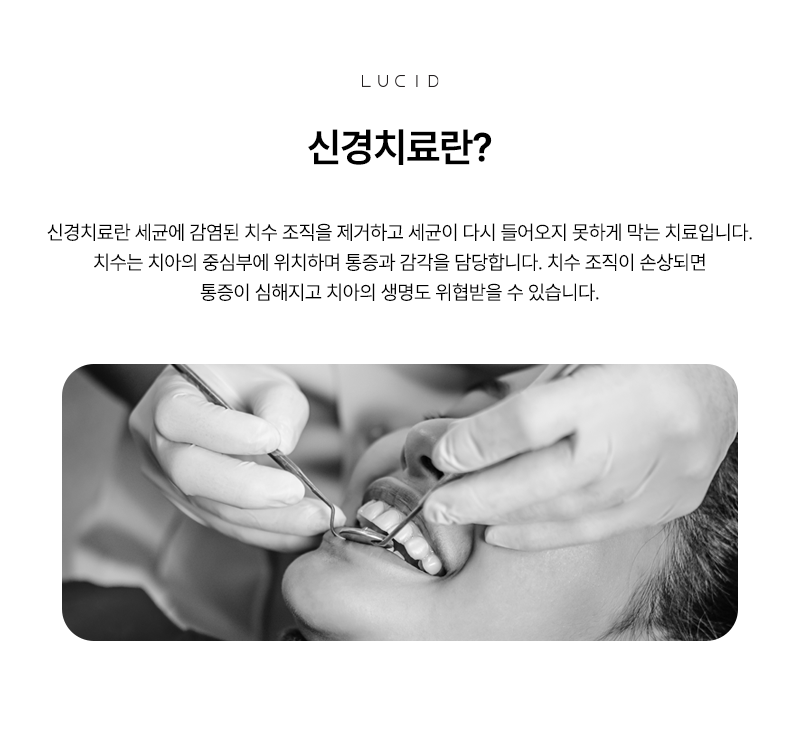
What Is Root Canal Treatment?
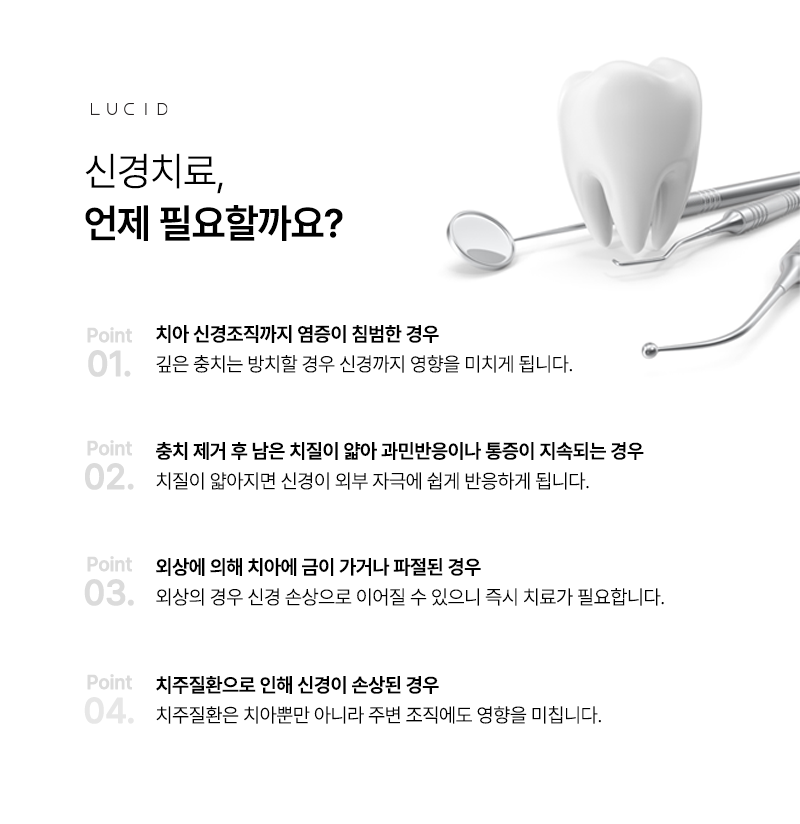
Inside the tooth is pulp tissue, commonly referred to as the nerve.
When decay progresses deeply or the tooth suffers an external impact, inflammation or infection may develop in the pulp and cause severe pain.
Root canal treatment is one method that may be performed in this situation.
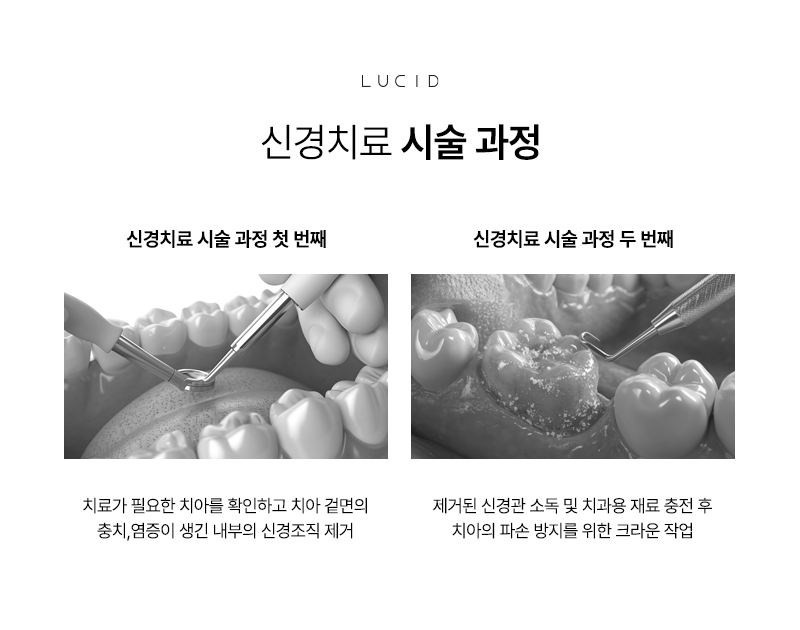
Root canal treatment involves removing infected or damaged pulp tissue, cleaning the inside of the tooth, and filling it with an appropriate material. Its purpose is to preserve the natural tooth.
However, treatment does not cause lost tooth tissue to grow back.
If decay has progressed to the point that root canal treatment is necessary, a significant amount of tooth tissue may already have been lost while removing the decayed area.
There are also cases in which treatment begins when the tooth already has a large filling or part of the tooth has broken.
Therefore, after root canal treatment, it is necessary not only to resolve the problem inside the tooth but also to check whether the remaining tooth is able to withstand the normal forces of chewing.
Why the Tooth Needs Protection After Root Canal Treatment
Some people think that a tooth becomes weak simply because the nerve was removed during root canal treatment.
However, it is also important to consider that the tooth tissue has often already been lost due to decay that progressed to the point of requiring root canal treatment, existing fillings, cracks, or other factors.
In addition, the process of accessing the inside of the tooth to remove and treat infected tissue may further reduce the amount of remaining tooth structure compared with a healthy tooth.
The issue is that the tooth must continue to be used even after treatment is complete.
The teeth are repeatedly subjected to chewing forces whenever we eat. If the remaining tooth walls are thin or only part of the tooth remains, the risk of cracks or fractures caused by continued stress may increase, even if there are no symptoms at first.
Small areas of damage may be treated with a restoration depending on the condition. However, if a crack or fracture extends deep into the tooth or toward the root, the situation may progress to the point where it becomes difficult to preserve the natural tooth.
Therefore, after root canal treatment, it is necessary to examine not only whether there is current pain but also the structure of the remaining tooth and the extent of the damage.
What Role Does a Crown Play?
A crown is a prosthetic restoration that covers and protects the outer portion of a tooth.
If there is not enough tooth structure remaining after root canal treatment, or if the tooth is considered at risk of fracture, covering the tooth with a crown may be considered.
The role of a crown is not simply to cover the area that was treated.
Its purpose is to help the tooth function again while protecting the remaining tooth and reducing the concentration of chewing forces on specific weakened areas.
Even if the pain disappears after root canal treatment, the physical forces placed on the tooth do not disappear. Since the treated tooth must continue to be used, how it will be protected afterward may become important.
Simply put, if root canal treatment is the process of treating a problem inside the tooth, a crown can be understood as the next step considered to protect the remaining tooth after treatment.
Molars Require Particular Attention Because They Receive Greater Chewing Forces
When deciding whether crown treatment is needed, it is also necessary to consider which tooth was treated.
Molars, in particular, continuously receive considerable force during meals because they are responsible for breaking up and grinding food.
If root canal treatment is performed after a large amount of tooth structure has already been removed because of deep decay, there may not be enough of the tooth walls remaining. If hard or chewy foods are repeatedly chewed in this condition, force may become concentrated in certain areas, increasing the possibility of fractures or cracks.
If you habitually clench your teeth or grind them, the burden placed on the teeth may be greater, so these habits should also be taken into account.
Therefore, after root canal treatment on a molar, it is advisable to comprehensively consider the amount of remaining tooth structure, the extent of damage, the bite relationship with the opposing teeth, and the chewing forces normally exerted, rather than deciding based solely on the fact that the pain has disappeared.
Does Every Tooth Need a Crown After Root Canal Treatment?
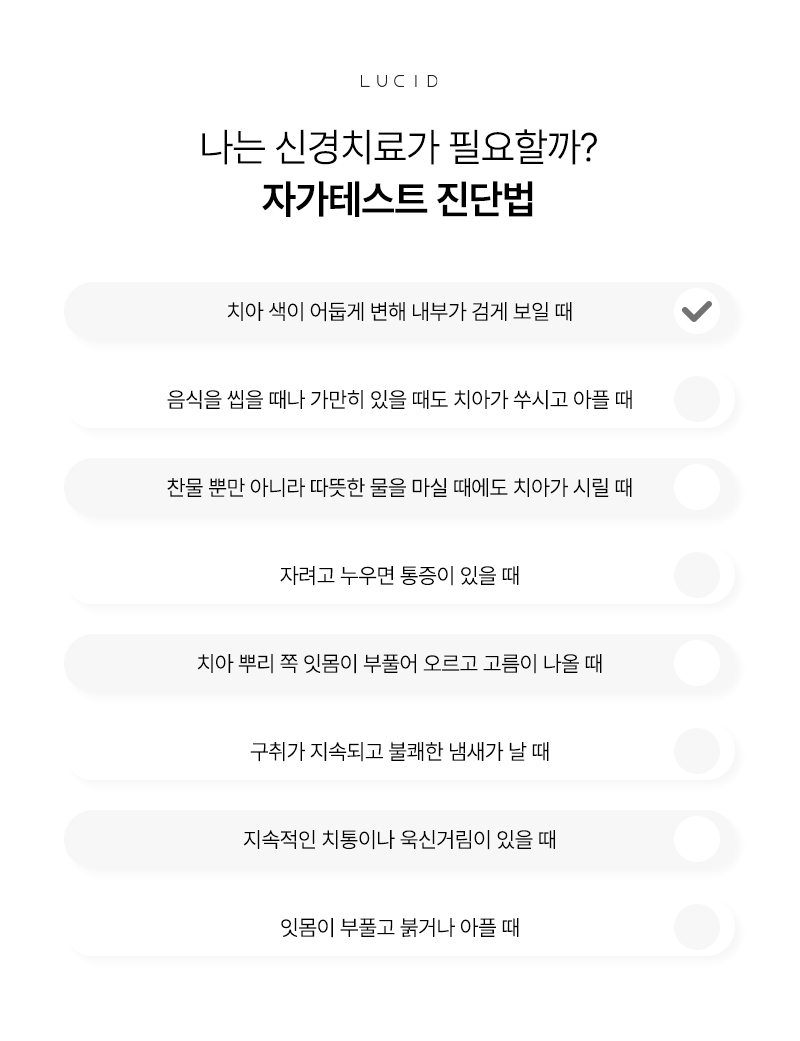
Not every tooth that has undergone root canal treatment receives crown treatment in the same way.
The appropriate restorative method may vary depending on how much the tooth has been damaged and how much tooth structure remains.
For example, if a large area was removed because of decay and the remaining tooth walls are thin, the need for prosthetic treatment to help prevent fracture may be greater. The current condition also needs to be carefully examined if there was previously a large filling or if a crack has been identified.
Conversely, if the remaining tooth structure is relatively sufficient, another restorative method may be considered depending on the tooth’s location and condition.
It is also difficult to assess front teeth and molars by the same criteria because each tooth has different functions and receives different forces.
Ultimately, rather than assuming that a crown is mandatory simply because root canal treatment was performed, it is important to carefully diagnose the tooth’s location, the extent of damage, the amount of remaining tooth structure, and the bite before deciding on an appropriate restorative method at a Gangnam dental clinic.
When Is Crown Treatment Performed?
After root canal treatment is completed, the condition of the tooth and surrounding tissues is evaluated, and the final restoration or prosthetic treatment is performed at an appropriate time.
During root canal treatment, the inside of the tooth may be sealed with a temporary material. Because this temporary restoration differs from the final prosthetic restoration, it is best to avoid postponing the necessary follow-up treatment for an extended period.
Temporary material may wear down or come out with use, and when there is not enough tooth structure remaining, the repeated forces of chewing themselves may place stress on the tooth.
Therefore, rather than keeping the tooth in a temporary state for a long time simply because the pain has disappeared, it is advisable to proceed with the next steps according to the treatment plan provided by the dental clinic.
However, a crown is not made immediately after root canal treatment in every case.
Since it may be necessary to monitor the condition of inflammation around the tooth’s roots or the course of recovery after root canal treatment for a little longer, the timing of the final prosthetic restoration may vary depending on the individual condition of the tooth.
Does Care End Once Crown Treatment Is Complete?
Completing crown treatment does not mean that the tooth no longer needs care.
The crown itself is an artificial prosthetic restoration, but your natural tooth remains underneath it.
In particular, if plaque accumulates along the boundary where the crown meets the natural tooth, decay may develop in the remaining tooth, and the surrounding gums may also become inflamed.
Therefore, it is helpful to brush thoroughly and use oral care products such as dental floss or interdental brushes to keep the areas around the restoration clean.
You should also avoid, whenever possible, habitually biting down on ice or excessively hard foods. If you clench or grind your teeth, it is advisable to have the condition of both the tooth and the restoration checked during regular examinations.
In addition, crowns may wear down or changes in the bite may occur over long-term use, so they need to be checked regularly.
If chewing feels different from before, the gums around the restoration feel uncomfortable, or the crown feels loose or as though it has cracked, do not leave it unattended. It is advisable to have the cause checked at a dental clinic.
Why It Is Important to Consider the Period After Root Canal Treatment
The goal of root canal treatment is not simply to reduce the pain currently being felt.
An important purpose is to treat the infected or damaged inside of the tooth and preserve the natural tooth as much as possible so that it can be used again.
For this reason, after root canal treatment is completed, it is necessary to continue considering how to protect and care for the remaining tooth.
A crown is one of the restorative methods that may be considered in this process. However, it is not applied in the same way to every tooth that has undergone root canal treatment, so the current condition of the tooth must be checked first.
If you are looking into a Gangnam dental clinic for root canal treatment, it is advisable to examine not only the pain you are currently experiencing but also the extent of the decay or damage, whether enough tooth structure remains after treatment, and how the natural tooth can be protected afterward.
At Lucid Dental Clinic, we examine the extent of tooth damage, the remaining natural tooth structure, the tooth’s location, and its bite, while also considering the restorative and prosthetic treatment plan needed after root canal treatment.
If you have been advised to undergo crown treatment after root canal treatment, rather than thinking of it simply as an additional treatment step, please understand that it is a process intended to protect the natural tooth preserved through root canal treatment so that it can continue to be used reliably.