Hello, this is Lucid Dental.
Many people choose veneers to improve the shape, color, or size of their front teeth, as well as gaps between their teeth. Although they may be satisfied with their straighter, brighter teeth immediately after treatment, over time they may begin to wonder, “How long can veneers be used?” or “They have been in place for a long time—should I replace them now?”
In particular, some people visit Hakdong Dental Clinic to explore retreatment because the color or shape of veneers placed in the past no longer suits their current preferences, or because the boundary between the teeth and restorations has started to become noticeable. So, do veneers have to be replaced after a certain period of time?
To begin with the conclusion, there is no single replacement period that applies to all veneers. The amount of time that has passed since treatment can be considered, but when deciding whether replacement is actually needed, it is important to examine the current condition of the restorations together with the natural teeth underneath, the gums, and the bite.
For teeth that have already received veneers once, it is also important to consider not only the desired aesthetic changes when deciding on a new treatment, but also how to preserve the natural tooth structure that remains.
Today, for those considering replacing old veneers, we will take a detailed look at when an examination may be needed and why minimal reduction should be considered during retreatment.
How Often Should Old Veneers Be Replaced?
When searching for information about the replacement cycle for veneers, you may come across various time periods. However, it is difficult to state definitively that veneers must be replaced once a specific period has passed.
Even when treatment was performed at the same time, the condition of the restorations can vary depending on an individual’s oral condition and habits. Frequently biting hard foods with the front teeth, clenching, and grinding can subject veneers to ongoing force.
Conversely, if you consistently maintain good oral hygiene and receive regular checkups while using the veneers without any particular problems, immediate replacement may not be necessary simply because a long time has passed since treatment.
Therefore, if you have old veneers, checking their current condition should take priority over focusing solely on how many years they have been in place.
Have You Noticed Any of These Changes?
When would it be a good idea to visit Hakdong Dental Clinic to have your existing veneers examined? The first noticeable issues are chipping, cracking, and detachment.
If part of a veneer has chipped or developed a fine crack, or if the restoration has lifted away from the tooth or come off completely, its condition should be checked. In particular, habits such as biting hard objects like ice or candy with the front teeth, or experiencing an external impact, can transfer more force to the restoration than expected.
The second issue is a change in the boundary area.
An area that initially blended naturally may become noticeable over time, or the area between the tooth and veneer may begin to look dark. This may be due simply to staining, but changes in the natural tooth or the condition of the restoration’s margins may also be involved, so the exact cause should be identified.
The third issue is a change in the gums.
As the gums recede, the veneer margins may become visible, or the surrounding gums may repeatedly swell and bleed. Even when the veneers themselves appear problem-free, changes in the health of the surrounding gums can make the overall appearance different from before. Finally, if you develop sensitivity, pain, or food getting stuck where these symptoms did not occur previously, the natural teeth should also be examined, since the original teeth remain beneath the veneers.
Why Is It Important to Check the Natural Teeth Even When the Veneers Look Fine?
When examining old veneers, many people first look at their color and whether they are chipped. However, the natural teeth beneath the veneers are even more important to check during retreatment.
Because veneers are restorations bonded to the teeth, it is difficult to determine the entire internal condition based only on their outward appearance. The condition of the margins where the teeth and restorations meet, whether decay has developed, and whether the gums and surrounding tissues are healthy should all be examined together.
It is also important to know how much tooth reduction was performed during the previous veneer treatment. If the teeth have already been reshaped once, the amount and form of the natural tooth structure that remains need to be carefully assessed so that additional reduction is not repeated unnecessarily during retreatment.
For these reasons, replacing old veneers cannot be viewed simply as removing the existing restorations and bonding on new ones.
Why Should Minimal Reduction Be Considered for Veneer Retreatment?
Natural teeth are not tissues that grow back to their original condition once part of them has been removed. Therefore, reducing unnecessary removal is important even during initial cosmetic treatment, but an even more careful approach is needed when retreating teeth that have already received veneers.
After removing the existing restorations, the remaining natural tooth structure must be examined. The amount of space needed for the new design and whether additional reduction is required should then be assessed individually.
In particular, rather than automatically choosing to reshape the teeth more extensively simply because the existing veneers look thick or protruding, it is important to consider the treatment options available based on the current condition of the teeth.
Some people explore Lusinate from Lucid Dental as an approach that considers both natural-tooth preservation and aesthetic changes during this process.
Can Lusinate Be Considered When Replacing Old Veneers?
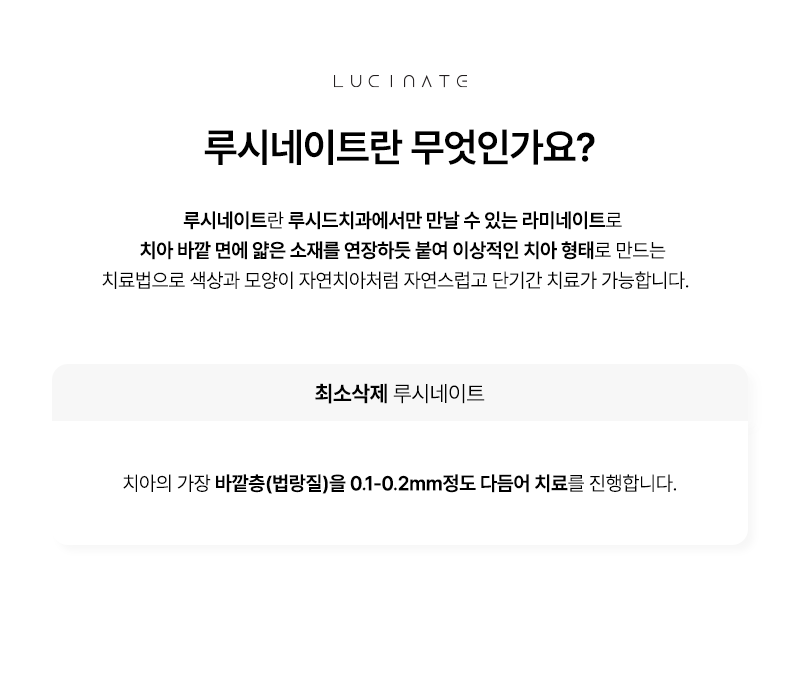
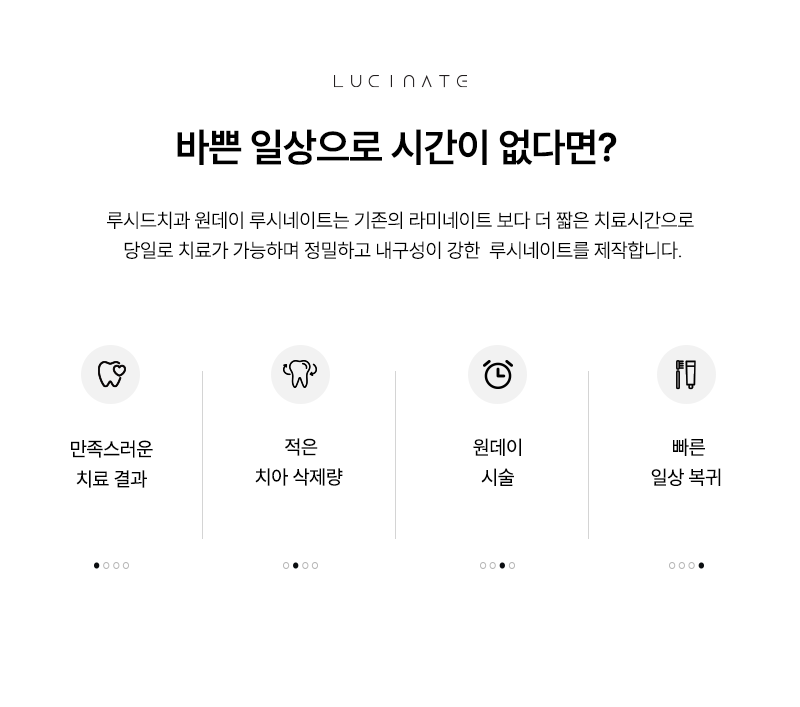
Lusinate is an aesthetic treatment offered by Lucid Dental that pursues minimal reduction within the possible range, taking into account the shape, color, size, and proportions of the teeth.
It may be possible to consider this treatment not only when exploring veneers for the first time, but also when seeking retreatment because you are dissatisfied with the shape or color of restorations placed in the past. However, removing old veneers does not mean that Lusinate can be applied to every tooth in the same way.
First, it is necessary to check how much tooth reduction was performed when the existing veneers were made, whether sufficient natural tooth structure remains, whether there is any decay or fracture, and whether the bite is stable. The necessary treatment method may vary depending on the condition of the natural teeth after the existing restorations are removed.
Therefore, rather than focusing simply on replacing the existing veneers with new ones, Lucid Dental places importance on examining the teeth that remain and creating a new aesthetic balance while preserving them as much as possible.
What If You Are Dissatisfied with the Previous Veneer Design?
The reason for replacing old veneers is not necessarily limited to chipping or detachment. You may feel that the shape of the teeth you were once satisfied with no longer suits your current facial features or preferences.
For example, the teeth may look generally too large and thick, the front teeth may appear excessively long, the tooth color may differ from that of the surrounding natural teeth, or multiple veneers may have been made in similar shapes, making them feel somewhat artificial.
In such cases, instead of simply recreating the existing veneers in the same form, the design can be reassessed by considering the current face, lip line, gum line, and the size of the surrounding teeth together.
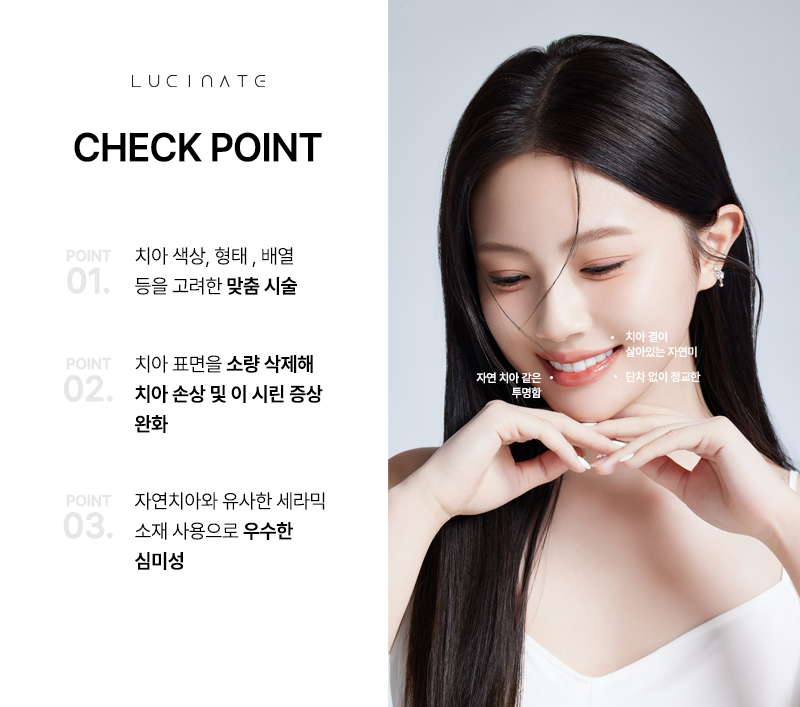
Lusinate is also not intended merely to make the teeth brighter. Treatment planning takes into account each person’s tooth shape and the proportions visible in the face. Small differences in the length and width of the front teeth, the shape of the tooth edges, left-right symmetry, and the amount of tooth and gum exposure when smiling can all affect the overall impression.
Therefore, even if old veneers do not present a major functional problem, if you are concerned about their current shape or color, it is better to first review the condition of the existing teeth and your desired design together rather than deciding on replacement unconditionally.
Is Making the Veneers Simply Thinner the Most Important Consideration with Lusinate?
When looking into minimally reduced veneers, it is easy to think that the only important factor is how thin they can be made. In actual treatment, however, many factors must be considered together, including bonding with the natural teeth, color expression, the bite, and the shape, as well as the thickness of the restorations. If the sole objective is to reduce the teeth as little as possible, the restorations may instead look protruding, or it may be difficult to achieve the desired shape.
For this reason, Lusinate is not applied at the same thickness or amount for everyone. Minimal reduction is considered within the necessary range after comprehensively assessing tooth alignment and degree of protrusion, the amount of previous reduction, discoloration, and the desired design.
In particular, replacing old veneers involves different conditions from treating teeth for the first time. Because the natural tooth structure has already changed once, a new treatment plan must be established based on the teeth after the existing veneers are removed.
How Does Lucid Dental Examine Old Veneers?
At Lucid Dental, how do we examine old veneers?
When considering veneer retreatment, it is not enough to decide only on the color and design of the new restorations. The existing veneers, natural teeth, gums, and bite must first be examined comprehensively.
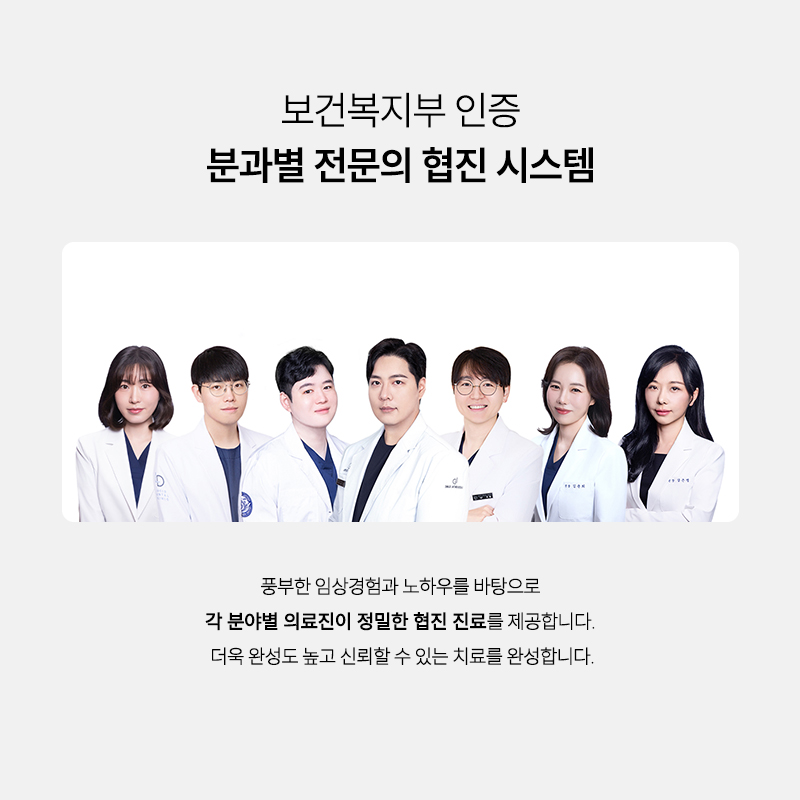
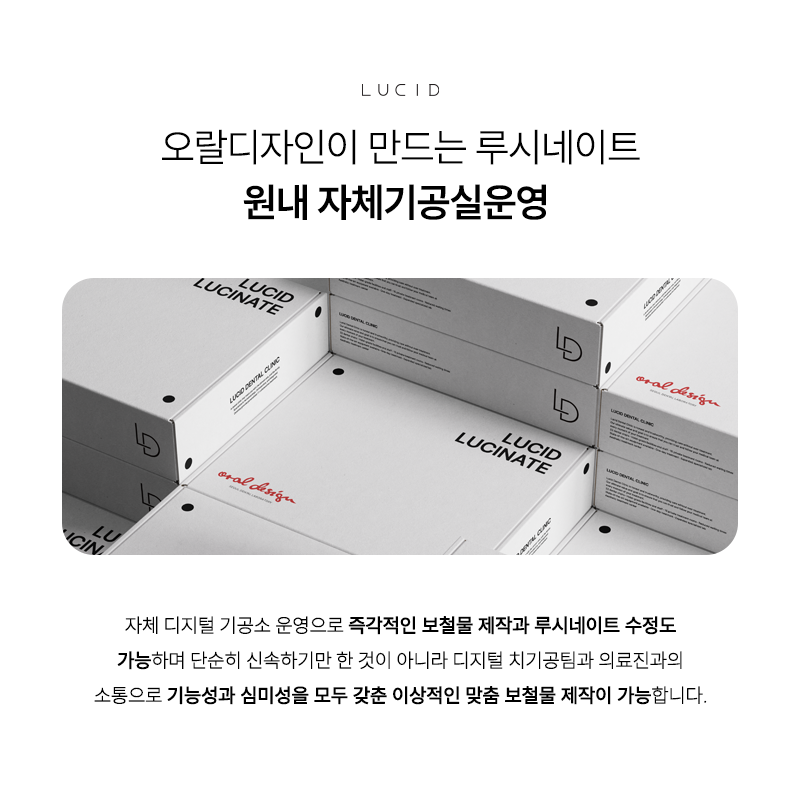
After checking the oral condition, Lucid Dental uses digital equipment when necessary to examine the shape and alignment of the teeth, then develops an aesthetic treatment plan tailored to each individual’s condition.
Rather than creating uniform tooth shapes, Lusinate also considers an approach that allows the treatment to blend naturally with each person’s teeth and facial features. Because the condition of the natural teeth remaining beneath the existing restorations is particularly important in retreatment, it is necessary to consider not only “how to make new veneers,” but also “how to preserve the current teeth.”
The treatment process and fabrication approach are then determined individually by considering the current condition of the teeth, the desired shape, the bite, and other factors together.
For Old Veneers, Diagnosis Comes First
If you are exploring veneer retreatment at Hakdong Dental Clinic, there is no need to decide on replacement simply because a long time has passed since treatment. If the veneers have remained stable over the years, they may continue to be used with regular checkups and care.
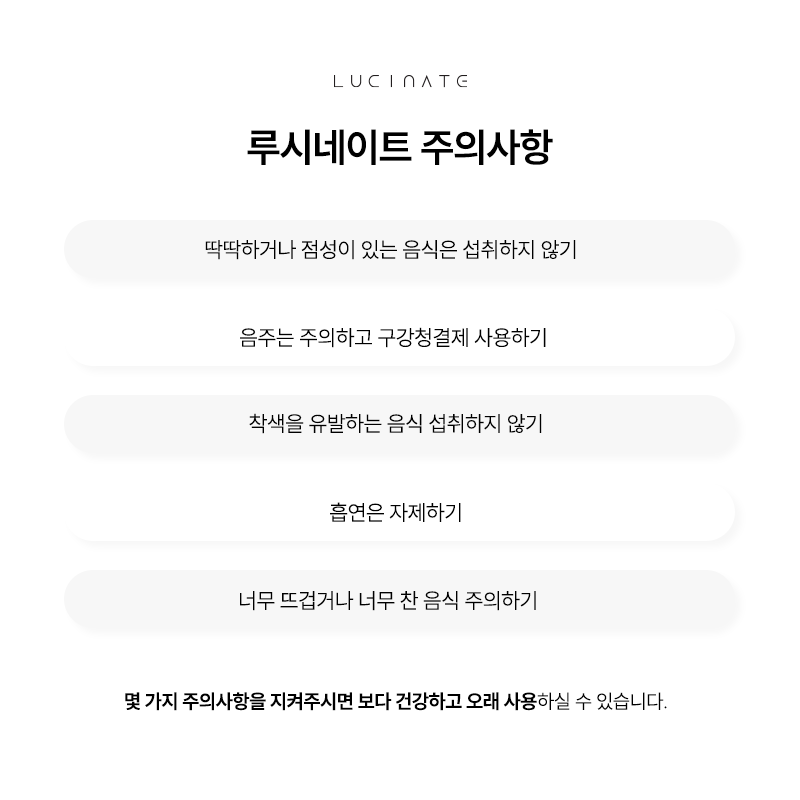
On the other hand, even if they have not been in place for very long, an examination may be needed if you notice chipping, lifting, gum changes, sensitivity, pain, or abnormalities around the margins. Ultimately, what matters is not a rule that veneers must be replaced after a certain number of years, but confirming the current condition of the natural teeth and veneers.
If replacement is necessary, it is also important to consider not only the aesthetics of the new restorations but also whether the remaining natural tooth structure can be preserved as much as possible. In particular, teeth that have already received veneers once require a more careful plan to avoid placing unnecessary additional stress on the natural teeth through repeated treatment.
If You Are Considering Replacing Old Veneers at Hakdong Dental Clinic
If you had veneers placed a long time ago but recently became dissatisfied with the shape of your teeth, noticed visible margins, or experienced changes such as chipping or discoloration, it may be a good idea to have their current condition checked.
Rather than removing and remaking all veneers simply because they are old, the first step is to distinguish between the teeth that can be maintained and the areas that require replacement. If retreatment is necessary, the condition and amount of reduction of the natural teeth remaining beneath the existing veneers should be checked, and options that can reduce additional tooth damage should be considered as well.
Lusinate from Lucid Dental is an aesthetic treatment based on the importance of preserving natural teeth, considering minimal reduction while also taking into account each person’s tooth shape and facial harmony.
If you are concerned about the size, color, or shape of veneers placed in the past, or are unsure whether your old veneers need retreatment, it is better to check their current condition first rather than deciding based solely on how long they have been in use.
It is important to carefully examine everything from the condition of the existing restorations to the natural teeth, gums, and bite, and then identify the treatment method needed for the current teeth. Just as important as changing old veneers to create a new appearance is preserving the natural teeth beneath them in a healthy condition as much as possible.
If you are considering veneer retreatment after visiting Hakdong Dental Clinic, accurately check the current condition of your teeth and determine the treatment direction only after a sufficient consultation to consider both natural-tooth preservation and aesthetic changes.