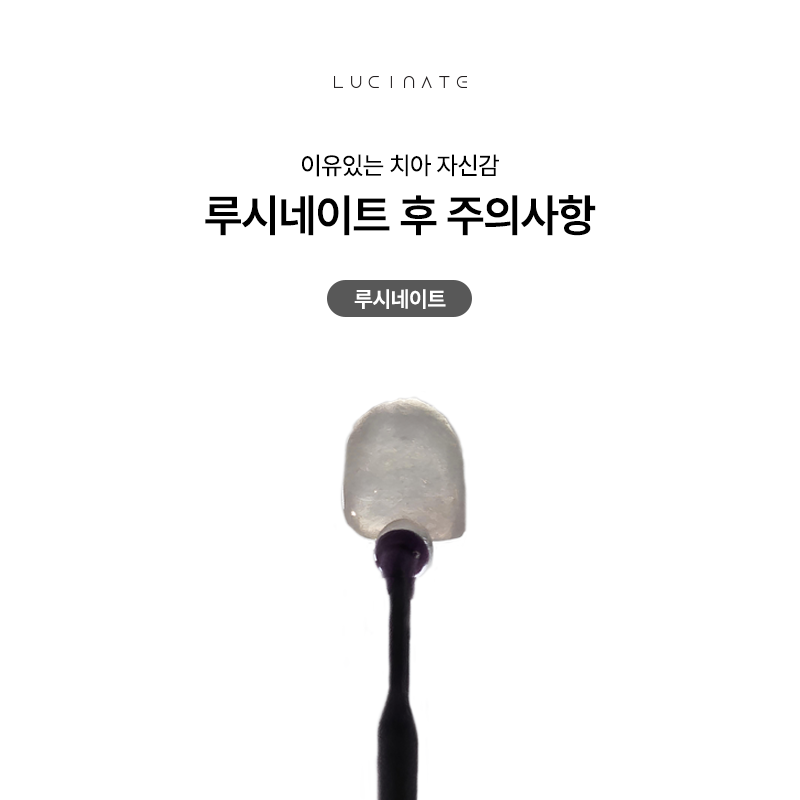
Hello, this is Lucid Dental Clinic.
The color, shape, size, and alignment of your teeth can affect the impression you make when smiling or having a conversation. The front teeth, in particular, are naturally visible when speaking or taking photos, so even small differences in shape, discoloration, or gaps between the teeth can be easy to notice.
Many people look into veneers to improve these areas. Before treatment, people tend to focus mainly on the color and shape of the finished teeth. However, when deciding whether to proceed, it is also a good idea to consider how the results will be maintained and cared for afterward.
Even after treatment is complete, veneers are used continuously as you chew food every day and encounter foods and drinks at various temperatures. The condition of your teeth and gums after treatment may also vary depending on your usual eating habits and how you manage your oral hygiene.
Therefore, rather than focusing only on an aesthetic change, it is necessary to view the entire process, from a thorough diagnosis before treatment to aftercare.
Lucid Dental Clinic offers Lucinate, a veneer system available exclusively at Lucid Dental Clinic, with these factors in mind. What kind of treatment is Lucinate, and what should you pay attention to in everyday life to use it safely and stably for a long time after treatment?
Lucinate with a Focus on Preserving Natural Teeth
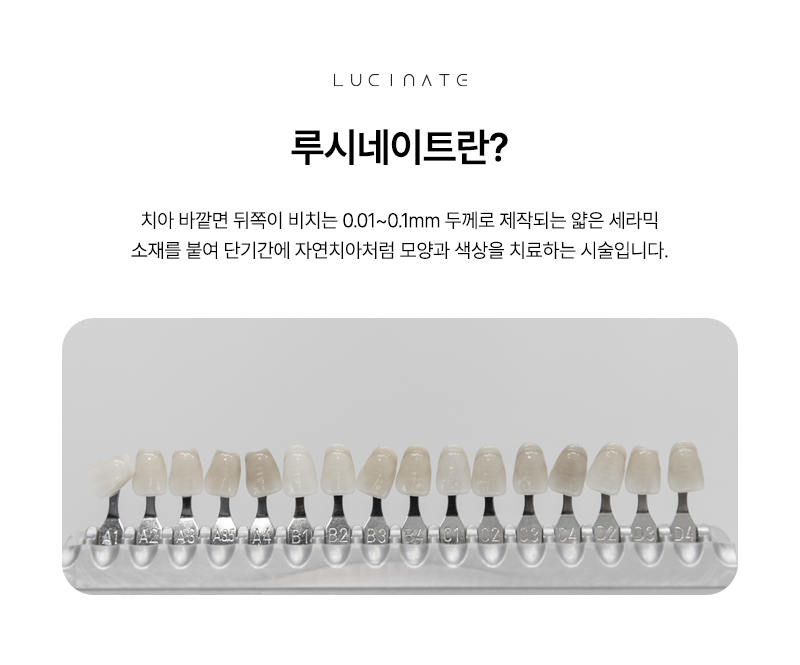
Lucinate is Lucid Dental Clinic’s veneer system. It analyzes each person’s individual tooth shape and oral structure and creates a treatment plan focused on preserving the natural teeth as much as possible within an appropriate range.
Veneers generally refer to an aesthetic treatment in which thin restorations made for the outer surfaces of the teeth are attached to improve their color, size, shape, and other features.
Treatment may be considered in various situations, such as when there are gaps between the teeth, when the teeth are small and lack balance, when the shapes of the front teeth are irregular, or when tooth discoloration is a concern.
However, having the same concern about the front teeth does not mean that everyone can undergo the same treatment. Each person differs in the degree to which the teeth project forward, their alignment, the condition of the enamel, the spaces between the teeth, and the bite relationship. Desired tooth shapes also vary.
For example, even if you want a brighter shade, it may look unnatural if it differs too much from the surrounding natural teeth. Making the teeth uniformly longer or straighter can also compromise overall harmony depending on the shape of the face and lips.
Lucinate considers these factors comprehensively when designing the length, width, color, translucency, and gum line of the teeth. During treatment, it focuses on reducing unnecessary removal of tooth structure and preserving the natural teeth.
To Use Lucinate for a Long Time, Consider the Process from the Beginning
When thinking about how to maintain Lucinate for a long time, it is easy to think first of post-treatment care, such as brushing and how to eat.
However, for stable use, it is also important to carefully assess your current oral condition before treatment begins. Teeth do not move independently; the upper and lower teeth come together when chewing food. Therefore, it is necessary to consider the overall alignment and bite, rather than focusing only on the shape of the front teeth.
It may be necessary to check in advance whether excessive force is continuously concentrated on a particular tooth, whether habits such as teeth grinding or clenching are present, and whether the gums or surrounding teeth require treatment.
If you already have cavities or gum inflammation, it is preferable to perform the necessary treatment first rather than automatically beginning restorative treatment, and then plan the sequence according to your condition.
In this sense, Lucinate is not simply a process of making and attaching restorations. It can be viewed as a treatment that proceeds in stages, connecting diagnosis of the current tooth condition with design, fabrication, and attachment.
Avoid Biting Hard Objects with Your Front Teeth
After treatment is complete, it is also necessary to review how you usually eat.
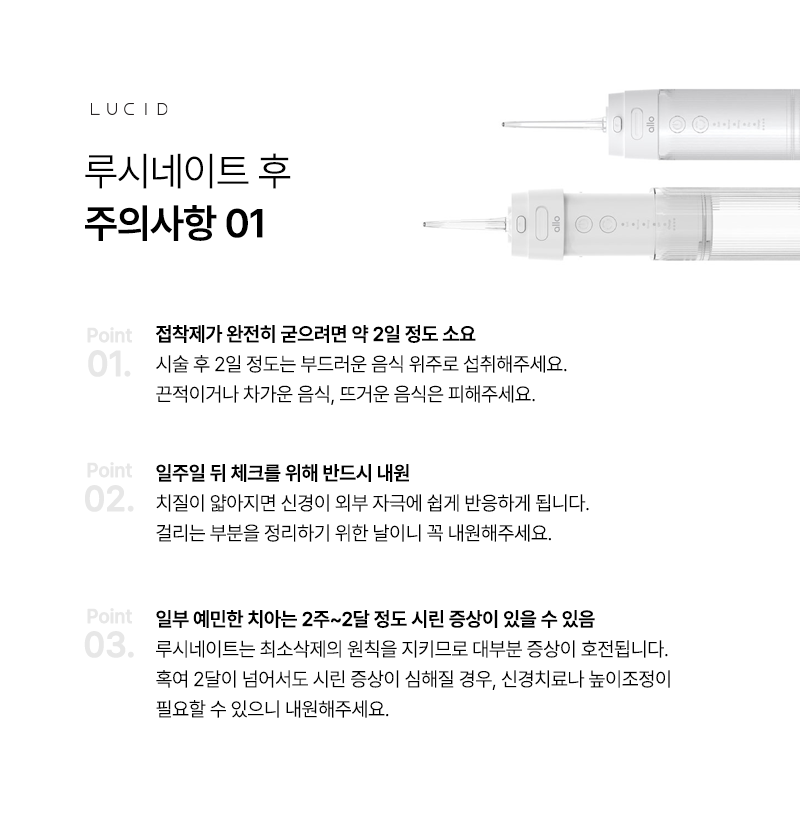
A normal diet is possible, but it is best to avoid repeatedly biting hard items such as ice or hard candy with your front teeth. The front teeth are primarily used for cutting food and, unlike the molars, are not structured to crush hard objects with strong force. This is also true of natural teeth without Lucinate.
Biting your nails or the end of a ballpoint pen, and using your front teeth to tear open packaging, are also habits that can be repeated unconsciously. These actions can suddenly transmit force in an unexpected direction, so it is advisable to consciously reduce them after treatment.
Foods that require considerable chewing force, such as nuts or chewy foods, should be divided into appropriately sized pieces. It may also help to develop the habit of using your molars rather than biting excessively hard portions directly with your front teeth.
Check for Teeth Grinding and Clenching as Well
Apart from eating habits, another area that should be considered is teeth grinding and clenching.
Teeth grinding that occurs during sleep is particularly difficult to notice yourself. If you wake up with stiffness around your jaw, feel that your teeth are tired, or have been told by someone nearby that you grind your teeth, it is a good idea to inform your dental professional in advance. You should also check whether you unconsciously clench your teeth when concentrating or feeling stressed during the day.
Under normal conditions, the upper and lower teeth do not need to remain firmly in contact when you are not eating or speaking. Therefore, if you become aware that you are clenching your teeth, it may be helpful to develop the habit of relaxing your jaw.
If you suspect these habits, you can visit Eonju Station Dental Clinic to have your current bite and patterns of tooth wear checked and receive guidance on care suited to your condition.
Care for the Spaces Between Your Teeth, Not Just by Brushing
Basic oral hygiene care should continue even after Lucinate treatment. Cavities do not develop in the restoration itself, but natural tooth structure remains underneath it, and the gums surround it.
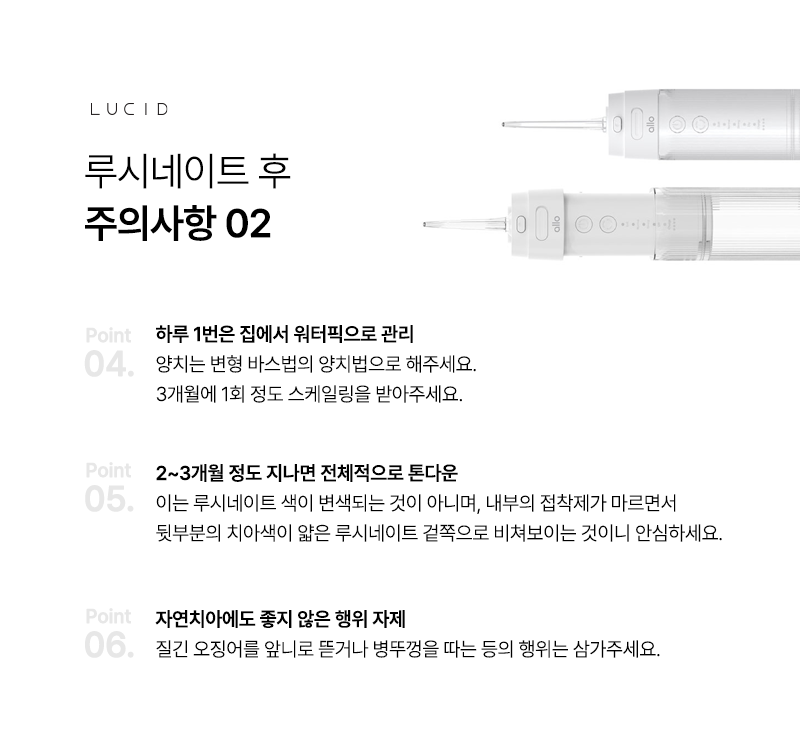
Therefore, it is important to prevent plaque and food from remaining for a long time along the borders between the teeth and gums or between adjacent teeth. When brushing, it is best not to clean only the visible front surfaces, but also to thoroughly brush the areas that meet the gums and the inner surfaces of the teeth.
In areas such as between the teeth, where toothbrush bristles may not reach sufficiently, you can also use dental floss or oral-care products suited to you. However, avoid applying excessive force in an effort to clean thoroughly. The gums can respond sensitively to continuous irritation, so it is important to brush carefully using gentle pressure.
Ultimately, the key to caring for Lucinate is not to care for the restorations separately, but to keep the entire mouth healthy, including the natural teeth and gums.
If You Frequently Drink Coffee or Tea, Manage Staining as Well
If you want to maintain the impression of bright, clean teeth after treatment, you may also want to pay attention to the foods and drinks you regularly consume. If you frequently drink deeply colored beverages such as coffee or black tea, or if you smoke, stains may build up around the teeth.
The degree of staining may vary depending on the material properties of the restorations. However, if the color of the surrounding natural teeth changes or pigments and tartar accumulate along the borders between the teeth and gums, the overall impression may look different from when treatment was first completed.
This does not mean that you need to avoid all foods with color. You can manage staining through everyday measures, such as drinking water or lightly rinsing your mouth after drinking coffee or tea, and checking your condition along with regular oral hygiene care.
If noticeable staining or tartar has already developed, it is better to have your oral condition checked at a dental clinic and receive the necessary care rather than trying to scrape it off yourself with a sharp tool or similar object.
Regular Checkups Are Not Only for After Problems Develop
After Lucinate treatment, you may think that there is no need to return to the dental clinic if you do not experience any particular discomfort.
However, the oral environment at the time of treatment may not be exactly the same as it is after time has passed.
It is a good idea to check regularly for changes in the way your teeth meet, whether your gums remain healthy, and whether there are any newly identifiable issues with the surrounding natural teeth.
In particular, if you develop a rough sensation that you did not notice before, feel that a specific area touches first when chewing, or experience floss catching differently than before, it is best not to leave it unattended and to have it checked.
Because it is difficult to assess the overall condition of a restoration based only on its visible front surface, it can be helpful to receive guidance on a checkup schedule suited to your oral condition even when you have no particular symptoms.
Why Same-Day Lucinate Is Possible
Some people postpone veneer treatment because they feel burdened by the need to visit the dental clinic several times.
At Lucid Dental Clinic, same-day Lucinate may be considered when various conditions, including the condition of the teeth and the scope of treatment, are suitable.
For this to be possible, an integrated system that smoothly connects the processes from diagnosis and design to restoration fabrication and attachment is more important than simply reducing treatment time.
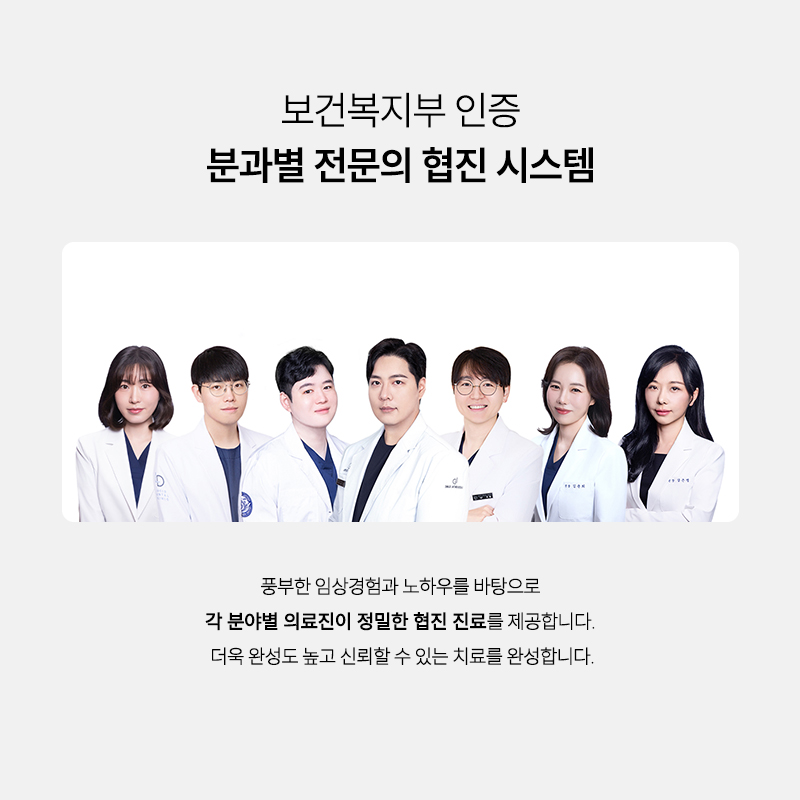
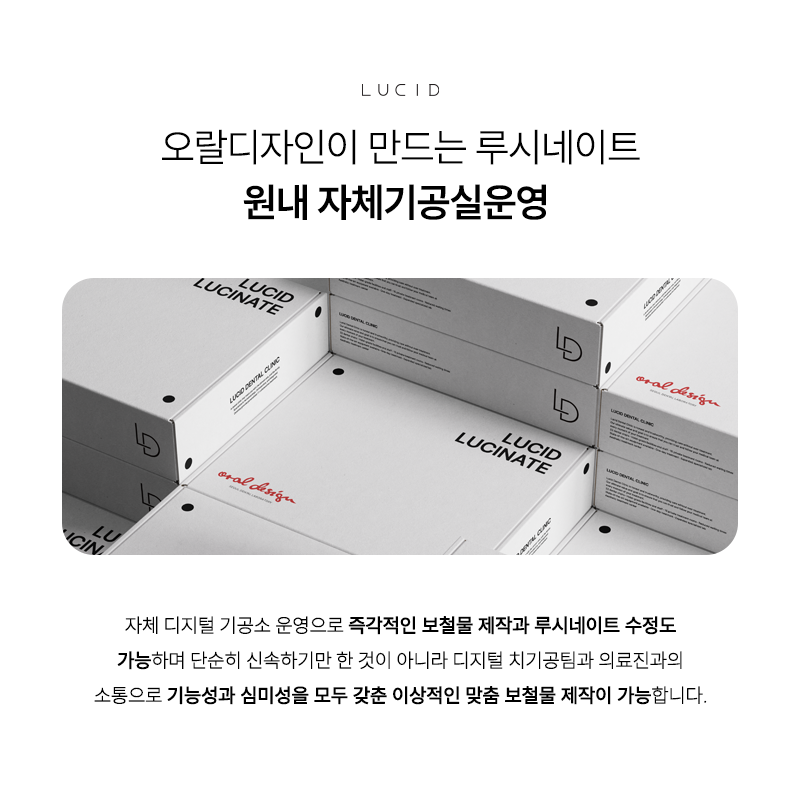
Lucid Dental Clinic operates an in-house dental laboratory, allowing necessary details to be closely shared between the dental professionals and the laboratory process.
Because the appearance of veneers can vary according to subtle differences in length and shape, surface texture, and translucency, it is important to carefully reflect the patient’s tooth condition and desired direction during fabrication.
With the dental professionals and laboratory process organically connected in-house, the necessary details can be checked more efficiently during design and fabrication. Based on this treatment system, same-day treatment may also be possible when the conditions are suitable.
However, the necessary processes and treatment period vary depending on the condition of the teeth and the scope of treatment, so same-day treatment does not apply to every patient. Confirming whether it is possible after a sufficient diagnosis must come first.
Lucinate with the Period After Treatment in Mind
Many people are interested in veneers because they can change the color and shape of the teeth within a relatively short period.
However, when choosing a treatment method, the priority should be to determine which method is appropriate for the current condition of your teeth, rather than comparing only the finished appearance or the treatment time required.
Because teeth that have been treated once must continue to be used afterward, it is also advisable to consider how much natural tooth structure can be preserved, whether the restorations can blend naturally with the surrounding teeth and gums, and whether systematic follow-up can be provided after treatment is complete.
Lucinate is a veneer system available exclusively at Lucid Dental Clinic. Based on diagnosis and design tailored to each person’s tooth condition, it aims to reduce unnecessary removal of tooth structure and preserve the natural teeth as much as possible within an appropriate range.
In addition, its close fabrication process through an in-house dental laboratory and same-day system available under suitable conditions take into account the time-related burden that may arise during treatment.
If you are looking into veneers because of the color, size, or shape of your front teeth or gaps between your teeth, or if you are considering retreatment because you are dissatisfied with the shape of existing restorations, please first have your own tooth condition accurately assessed rather than deciding on a method based only on other people’s treatment cases.
The treatment direction may differ if, before considering how to change your teeth, you also consider how to create the appearance you want while preserving the natural teeth you currently have.
At Lucid Dental Clinic, we examine the current condition of your teeth and gums and your bite before explaining the treatment scope you need and whether Lucinate may be suitable for you.
If you are looking for veneers that take into account not only the period immediately after treatment but also their subsequent use and care, consult thoroughly and undergo a detailed diagnosis to determine the Lucinate treatment approach appropriate for you.