Hello, I’m Lim Young-soo, the chief director of Troy Plastic Surgery.
When melasma or spots make the skin look dull and uneven, it goes beyond a simple appearance issue and can lower confidence, making it harder to meet people.
 I understand the stress caused by melasma, spots, and pigmentation
Recently, more and more people have been asking about the “StarWalker” laser.
So today, from the perspective of a medical professional who has specialized in skin pigmentation treatment for a long time, I’d like to explain in depth how effective the StarWalker laser really is for melasma and spots.
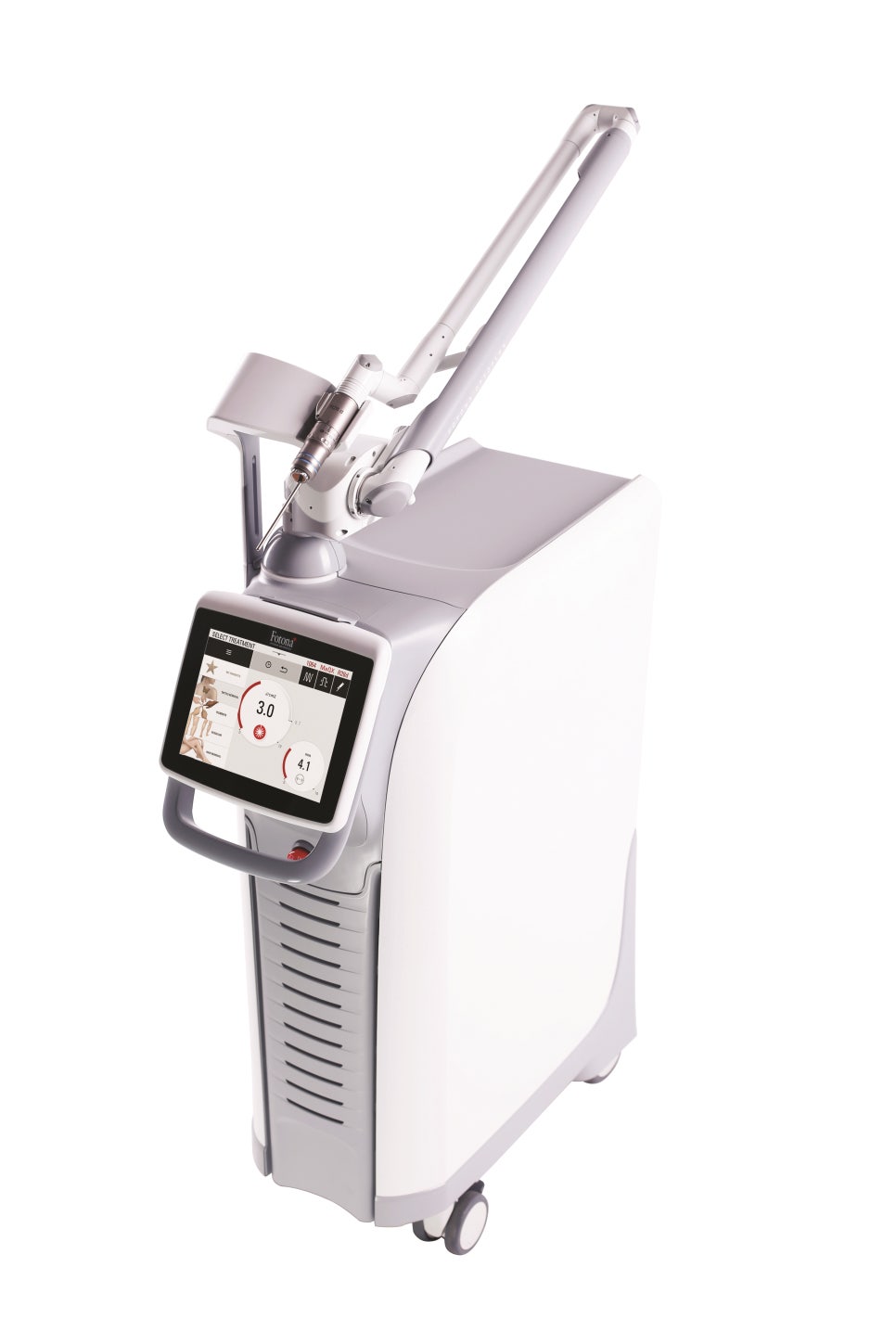 Image of the StarWalker device
-
What is the StarWalker laser, and why is it special?
-
Medical reasons why StarWalker is advantageous for improving melasma and spots
-
Important tips for successful melasma and spot treatment
-
Frequently asked questions FAQ
-
Skin improvement ultimately depends on diagnosis and an accurate approach.
-
What is the StarWalker laser, and why is it special?
Unlike general pigmentation treatment lasers, StarWalker is a hybrid laser that uses two pulse modes, “PICO” and “NANO,” at the same time.
In particular, it introduces picosecond ultrashort pulse technology, which has a much shorter pulse width than conventional nanosecond lasers, breaking down melanin pigment in the skin into tiny particles.
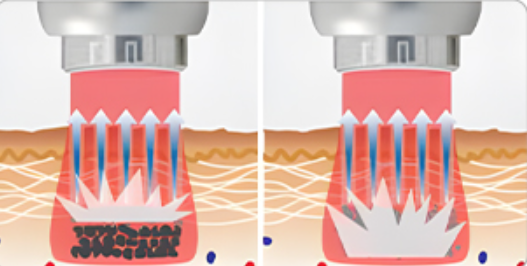 Hybrid lasers break pigment down into particle-sized pieces
Medically, the success of treating pigmentation conditions such as melasma and spots depends less on the strength of the laser beam and more on how finely the melanin particles can be broken down so they can be naturally eliminated from the body.
StarWalker demonstrates superior efficiency compared with existing devices in exactly this respect.
- Medical reasons why StarWalker is advantageous for improving melasma and spots
① Uses two wavelengths for strong effects on mixed pigmentation
The StarWalker laser uses two wavelengths, 1064nm and 532nm, to precisely target pigment located in various layers of the epidermis and dermis.
In general, 532nm can be used for shallow freckles and spots located in the epidermis, while 1064nm can be used for deeper melasma and stubborn pigment lesions in the dermis to improve treatment effectiveness.
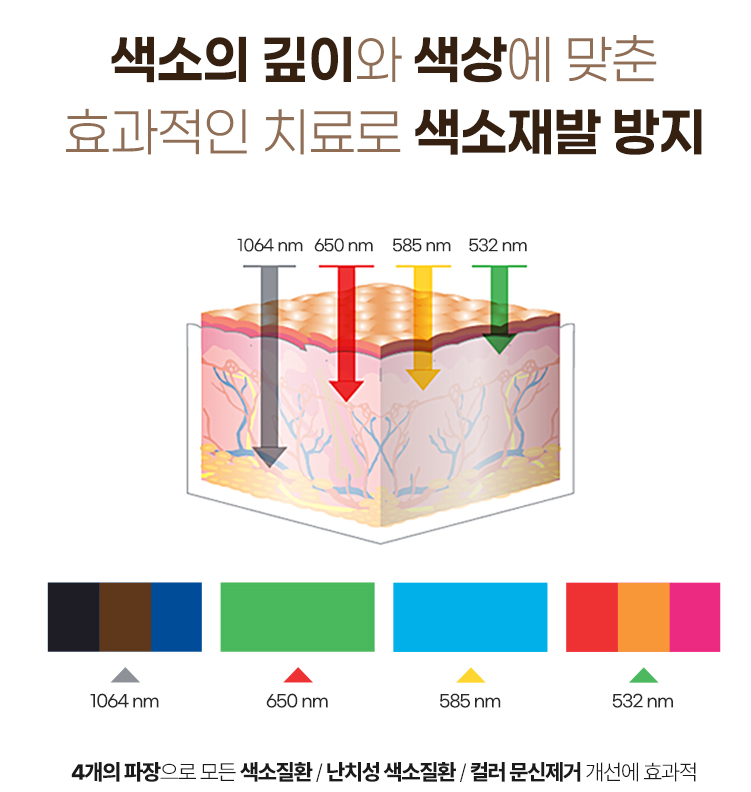 Explanatory image for understanding (excerpt from Troy website)
This precise approach is only possible when the skin structure and the causes of pigmentation are clearly understood.
An experienced medical professional can select the optimal mode for the procedure based on the characteristics of these wavelengths and the condition of the skin layers.
② Micro pulses minimize skin damage
One of the key features of the StarWalker laser is its “micro pulse technology.”
 Image for illustrating the treatment area of StarWalker (excerpt from Troy website)
Because the laser pulses are delivered extremely briefly and quickly, only the pigment particles are selectively destroyed without leaving unnecessary heat in the skin. This greatly reduces the possibility of inflammation or side effects after treatment.
Therefore, it is especially useful for patients whose melasma has repeatedly worsened after previous laser treatments, or who have sensitive skin and are concerned about side effects.
③ Stimulates collagen production to improve skin texture and elasticity at the same time
Another advantage of the StarWalker laser is that, during treatment, it stimulates fibroblasts in the dermis to promote skin regeneration and collagen synthesis.
 Example image showing the effect of StarWalker (excerpt from Troy website)
This is an important factor that allows not only pigmentation treatment, but also improvement in overall skin elasticity and skin texture.
In fact, this is why many patients in clinical practice experience improvements in skin texture and even a reduction in fine wrinkles.
- Important tips for successful melasma and spot treatment
To properly experience the excellent effects of the StarWalker laser, the following factors must be considered.
- Accurate skin diagnosis and evaluation
The location of the melasma, the depth of pigmentation, and skin thickness must be accurately diagnosed in order to plan a customized treatment.
- The operator’s skilled technique
No matter how good the equipment is, the results will inevitably differ if the medical staff’s experience and meticulous technique are not there to support the procedure.
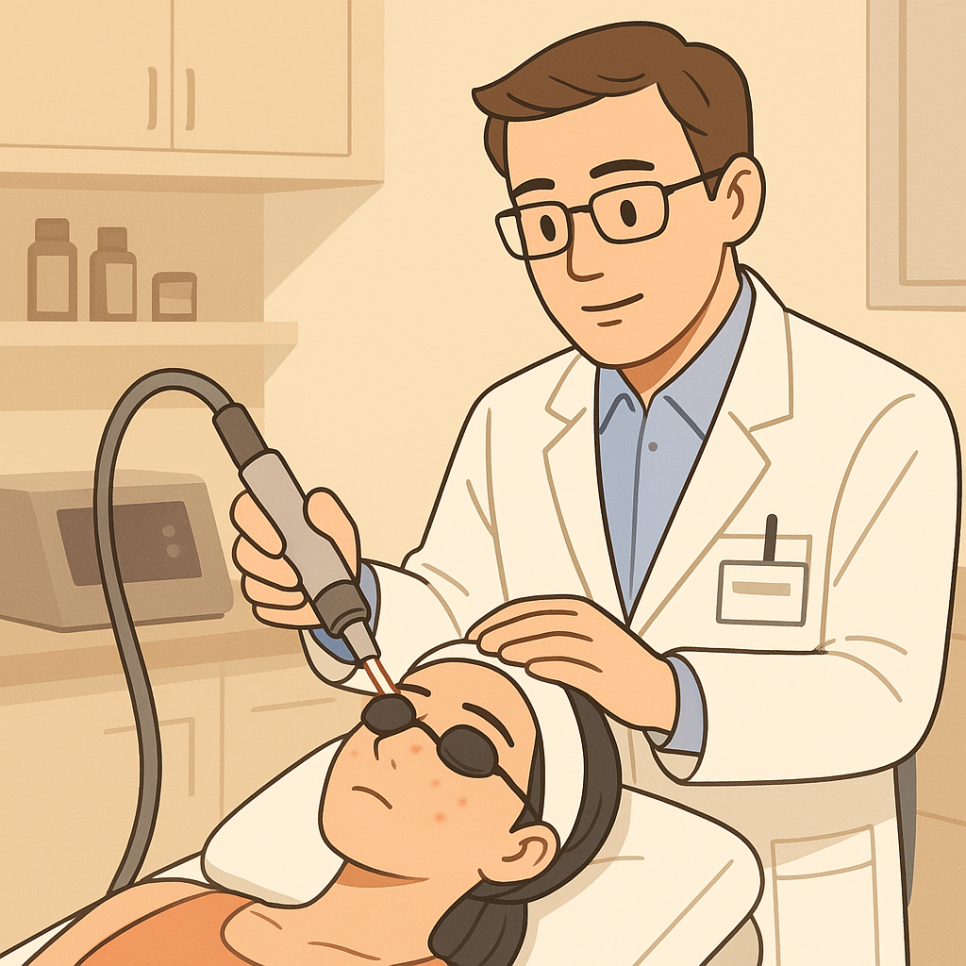 Managing melasma, pigmentation, and spots
Precise treatment by experienced medical staff is more important than anything else.
- Thorough aftercare
Melasma is a chronic condition. After the procedure, consistent maintenance care such as thorough moisturizing and sun protection must be carried out.
- Frequently asked questions FAQ
Q1. How many treatment sessions are needed?
Although it varies depending on the depth and extent of the melasma, in general, you can expect noticeable improvement after about 5 to 10 sessions at two-week intervals.
Q2. Is there any pain or side effects?
Thanks to the micro pulses, pain is much less than with conventional lasers.
There may be slight stinging and temporary redness, but in most cases it subsides within a day or two.
Q3. How long do the effects last?
If you maintain basic skin care after treatment, such as sun protection and moisturizing, it is possible to keep the skin clear for a long time.
 Example image showing clear skin after removing melasma, pigmentation, and spots
- Skin improvement ultimately depends on diagnosis and an accurate approach.
Treating melasma and spots is not simply a matter of the skin surface; it is a process of deeply understanding and approaching the melanin pigment hidden deep within the skin and the characteristics of skin cells.
The reason StarWalker laser is gaining attention is precisely because it allows this kind of detailed treatment approach.
 Consultation for removing melasma, pigmentation, and spots
I hope the information shared today can serve as a clear understanding and a trustworthy standard for many people who are struggling with their skin.
For healthy skin, I will be with you with deep expertise and sincerity.
Thank you.
Sincerely,
Lim Young-soo, Chief Director of Troy Plastic Surgery
▼Silhouette lifting effects? I’ll tell you everything▼