Hello, I’m Lim Young-soo, the chief director of Troy Plastic Surgery.
Among lifting treatments for improving skin elasticity and wrinkles, the most widely known are
“Ultherapy” and “Thermage.”

Ultherapy introduction image (excerpted from the Troy website)
Many patients in the Mok-dong area often ask which of these two treatments is more effective.
In fact, many people who visit dermatology or plastic surgery clinics think of these two treatments first when considering lifting.

Thermage introduction image (excerpted from the Troy website)
However, it is clear that while both treatments aim for the same “lifting” effect, the results can vary greatly depending on skin type, the degree of sagging, and the purpose of the procedure.
Today, I will explain the features and differences between Ultherapy and Thermage, and think together about which treatment may be better suited to your skin.
-
Ultherapy vs Thermage: What’s the difference?
-
Comparison of the actual procedure and level of pain
-
Duration of effects and maintenance methods
-
Which lifting treatment is right for me?
-
An accurate diagnosis is the most important thing
-
Ultherapy vs Thermage: What’s the difference?
• Differences in principle and target layer
Both procedures share the common point of being non-surgical lifting treatments, but their principles and the depth at which they act within the skin are different.
Ultherapy
Ultherapy uses ultrasound energy (HIFU) to deliver energy directly to the SMAS layer (the fascial layer), the deepest layer of the skin.
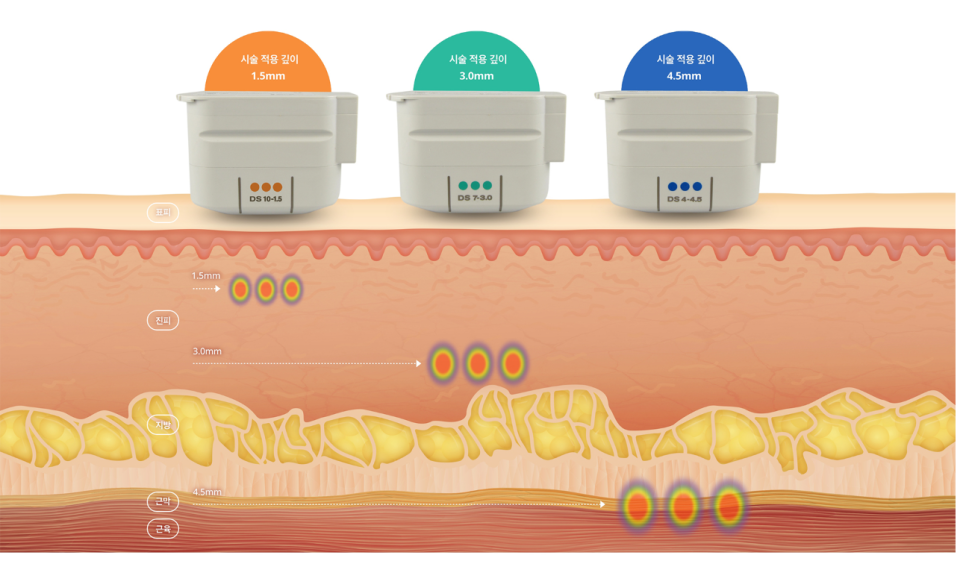
Ultherapy vs Thermage, image for better understanding (excerpted from the Troy website)
In other words, the key is to precisely tighten the fascial layer beneath the skin to achieve a strong lifting effect.
It is effective for severe sagging and thick skin.
Thermage
Thermage uses radiofrequency (RF) to deliver energy to the dermis layer of the skin.
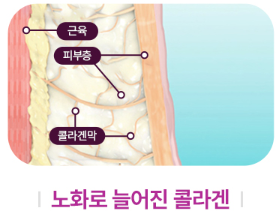
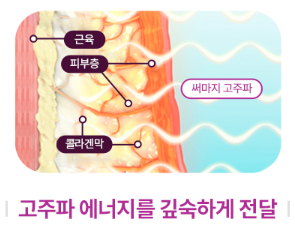
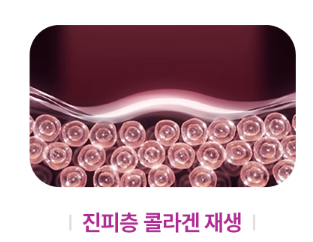
Ultherapy vs Thermage, image for better understanding
(excerpted from the Troy website)
It stimulates collagen in the dermis to restore elasticity and improve skin texture and fine wrinkles.
It is more suitable for improving fine wrinkles and enhancing skin elasticity than for sagging skin.
• Differences in effects and suitable candidates
Both procedures are “lifting” treatments, but the areas in which they are effective are slightly different.
| Treatment | Target Layer | Effect | Suitable Candidates |
|---|
| Ultherapy | Deep skin layer (SMAS layer) | Strong lifting (improves sagging skin, refines facial contours) | Those whose facial contours have sagged and whose skin laxity is noticeable |
| Thermage | Superficial dermis layer | Increased skin elasticity, improvement of fine wrinkles, refined skin texture | Those with reduced skin elasticity and many fine wrinkles |
In other words, if you want to firmly lift sagging skin at its core, Ultherapy is better; if you want to improve elasticity and manage skin texture and fine wrinkles, Thermage is more advantageous.
- Comparison of the actual procedure and level of pain
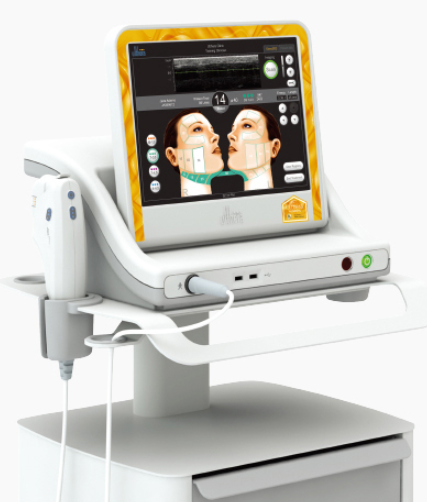
Ultherapy
Procedure time: about 30 minutes to 1 hour
Pain: a sharp tingling pain felt deep in the skin (can be controlled with local anesthetic cream and pain relievers)
Recovery time: there may be slight swelling and redness, but daily life is usually possible within 1–2 days
Ultherapy
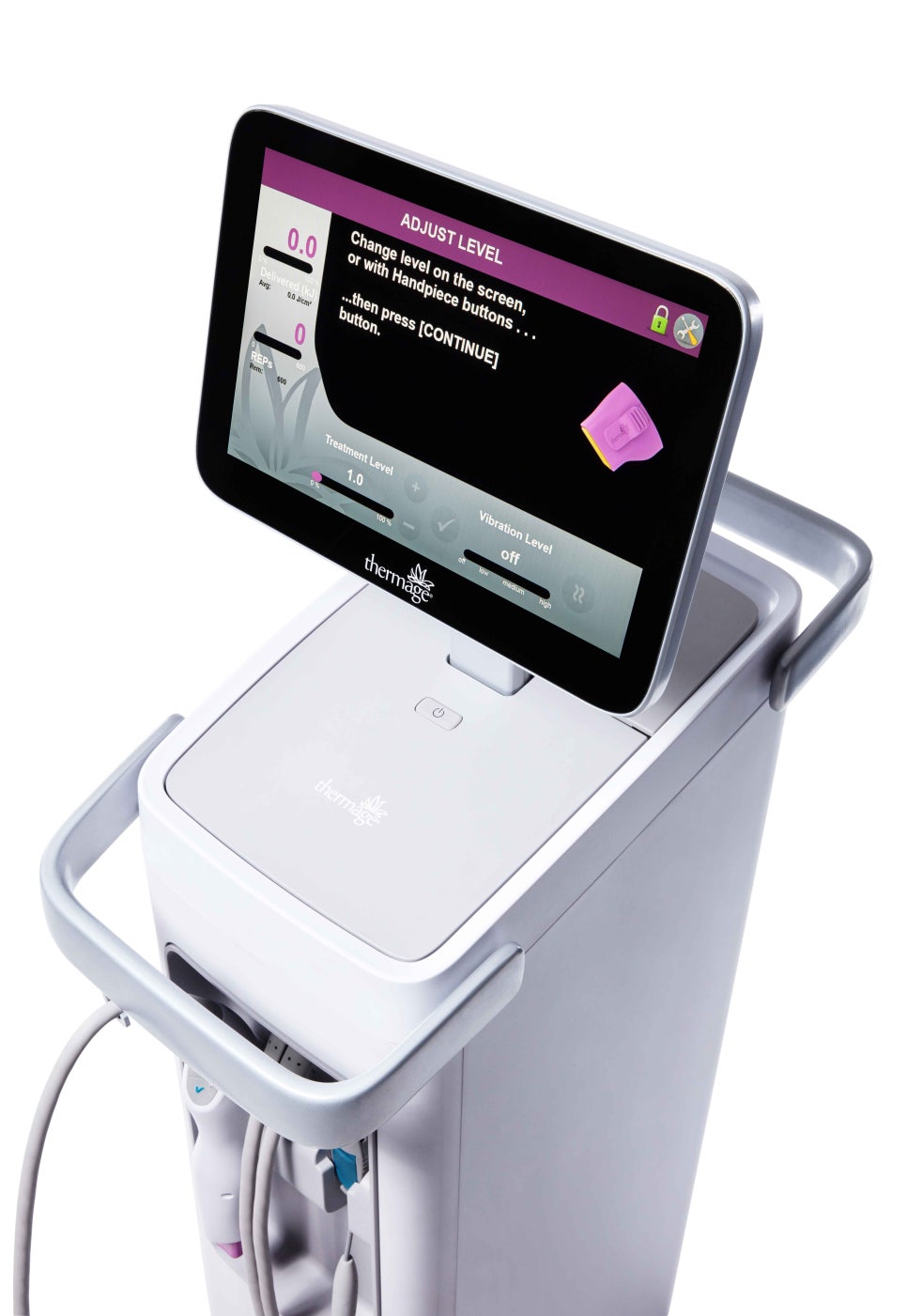
Thermage
Procedure time: about 30 minutes to 1 hour
Pain: a sense of heat and warmth on the skin surface (less painful and immediate return to daily life is possible after the procedure)
Recovery time: almost none; it is hardly noticeable immediately after the procedure, so a quick return is possible
Thermage
- Duration of effects and maintenance methods
Ultherapy
The effects appear gradually and last for about 2 years after the procedure.
If you combine regular repeat treatments and thorough care (sun protection and moisturizing), the effects can be maintained for longer.

Ultherapy vs Thermage
Thermage
You can feel the improvement in skin elasticity and fine wrinkles immediately after the procedure, and the duration is generally expected to be around 1 year.
With consistent care, skin elasticity can be maintained, and repeated treatments at regular intervals can produce long-term effects.
- Which lifting treatment is right for me?
Since both procedures have clear advantages, the choice should depend on your own skin concerns and condition.

Ultherapy vs Thermage, checklist
It may help to check the following checklist.
When Ultherapy is suitable
• Concerned about sagging cheeks and a double chin
• Facial contours are not distinct and look vague
• Skin is thick and elasticity has noticeably decreased
When Thermage is suitable
• Overall skin is sagging and lacks elasticity
• Concerned about fine wrinkles and skin texture
• Want to improve smooth skin texture rather than sagging
- An accurate diagnosis is the most important thing
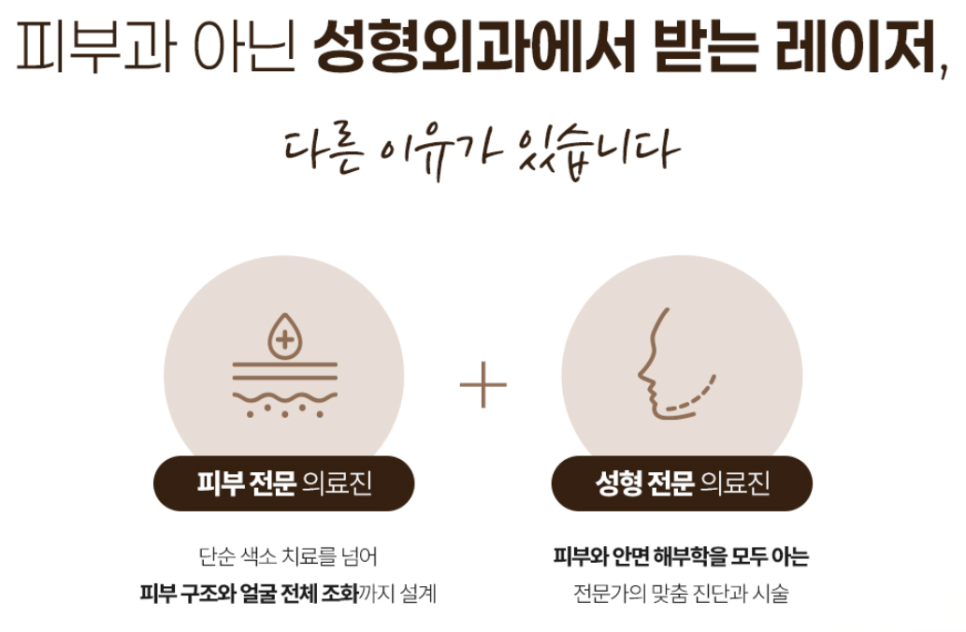
Ultherapy and Thermage are both excellent procedures, but in the end, the best choice is possible only through an expert’s accurate skin diagnosis.
Depending on your skin thickness, elasticity, degree of sagging, and desired level of improvement, a customized lifting treatment must be performed to achieve high satisfaction.
Ultherapy vs Thermage, there is a reason to get it at a plastic surgery clinic
If you are considering lifting, I recommend receiving an accurate assessment of your skin condition and a personalized consultation.
Please feel free to ask about your skin concerns at any time.
Thank you.
From Lim Young-soo, Chief Director of Troy Plastic Surgery
▼ Fillers: What is the most effective choice? ▼