Hello, I’m Im Young-soo, the chief director of Troy Plastic Surgery.
Recently, lower eyelid fat repositioning has been drawing attention as one of the most effective procedures for improving the tired, aged appearance caused by bulging under-eye fat.
However, as with any medical procedure, lower eyelid fat repositioning does not produce the same results for everyone.
“Why didn’t it work even after getting lower eyelid fat repositioning?”
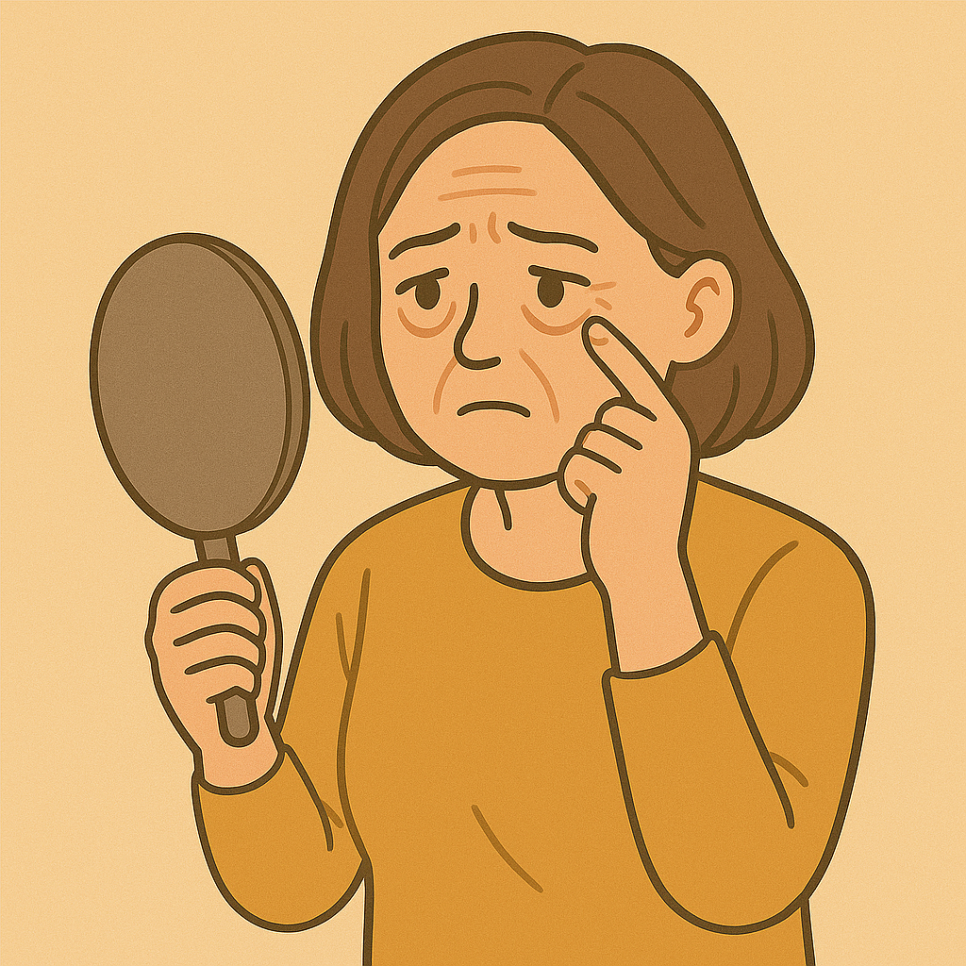
Lower eyelid fat repositioning: why doesn’t it work?
There are actually quite a few patients who ask this question.
Today, for those in the Gimpo area who are considering lower eyelid fat repositioning, I will explain clearly and honestly from a doctor’s perspective who is not a suitable candidate for this procedure.
-
Lower eyelid fat repositioning: how does it work?
-
Lower eyelid fat repositioning: for whom is it difficult to see results?
-
Things you must check before lower eyelid fat repositioning
-
Alternatives to lower eyelid fat repositioning
-
How to maintain and care after lower eyelid fat repositioning
-
The most important thing is choosing the right procedure for your condition
-
Lower eyelid fat repositioning: how does it work?
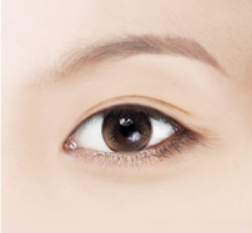
Lower eyelid fat repositioning is a procedure that repositions protruding fat under the eyes and moves it to areas that lack volume.
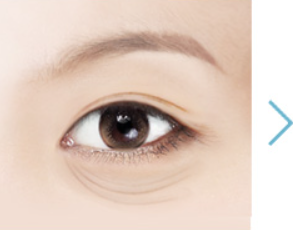
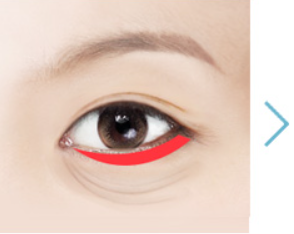
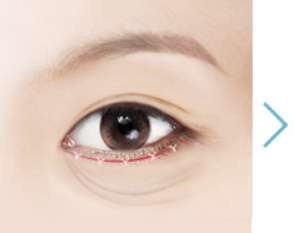
Previous image
Next image
Image to help understanding of the procedure, excerpted from Troy’s website
This procedure does not remove fat; instead, it spreads the fat more evenly to fill in sunken areas, creating a smoother and more refreshed under-eye contour overall.
Therefore, it is most effective for the following people:
• Those with protruding under-eye fat
• Those who have both protruding and sunken areas under the eyes
• Those whose under-eye skin elasticity is still relatively preserved
However, not every case has these ideal conditions.
- Lower eyelid fat repositioning: for whom is it difficult to see results?
① Those with severe skin sagging
Lower eyelid fat repositioning is a procedure that repositions fat to fill in hollow areas.
However, if the skin itself is severely sagging, repositioning the fat will not resolve the sagging skin.
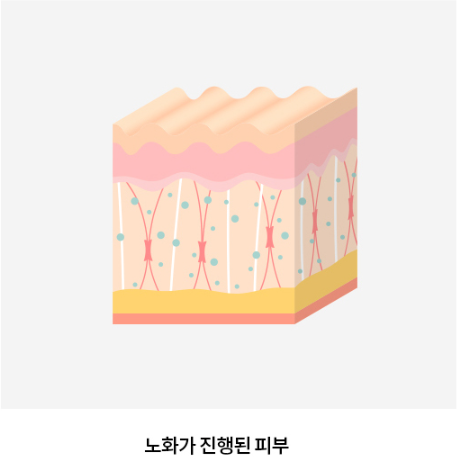
Lower eyelid fat repositioning: skin image to help understanding
In fact, the sagging skin may become even more noticeable.
If skin sagging is severe, a surgical approach that corrects the sagging skin itself, such as lower blepharoplasty, is more appropriate.
② Those with excessively hollow under-eyes
Because fat repositioning works by moving existing fat, there must be enough under-eye fat to reposition.
If the under-eye area is very hollow with almost no fat present, there is no fat to move, so other methods such as fat grafting or fillers should be considered.
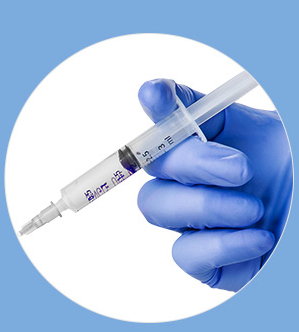
Lower eyelid fat repositioning: in some cases, fillers may actually be better
③ Those with very thin under-eye skin
For people with very thin under-eye skin, even after fat repositioning, the boundaries of the fat or the uneven texture of the skin may become more noticeable.
If the skin is thin, additional treatments to improve skin thickness, such as laser procedures or micro fat grafting, may be needed.
④ Those who have only “dark circles” or pigmentation, not under-eye fat
The main purpose of lower eyelid fat repositioning is fundamentally to address protruding fat.
If the under-eye area is simply a problem of pigmentation or skin tone, it will not improve with fat repositioning.
In such cases, laser treatment or pigmentation management procedures are needed.
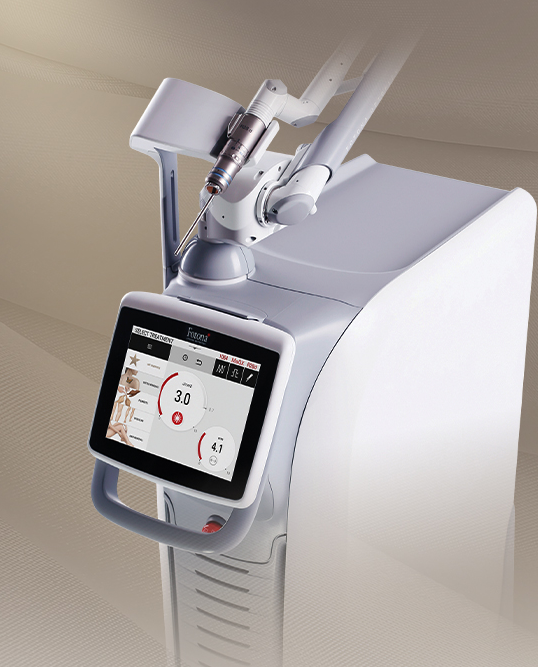
Image of StarWalker, a representative pigmentation treatment device
- Things you must check before lower eyelid fat repositioning
If you are considering the procedure, it is a good idea to check the following:
• Confirm how much the under-eye fat is protruding
• Accurately assess the degree of under-eye skin sagging
• Identify the thickness of the under-eye skin and the condition of the fat
• Determine whether the cause of the dark circles is pigmentation or a fat-related issue

Lower eyelid fat repositioning: condition assessment and analysis come first
If these factors are not checked accurately and you try to solve the problem with lower eyelid fat repositioning alone, you may not get the results you expected.
- Alternatives to lower eyelid fat repositioning
If the issues mentioned above apply to you, other methods can be considered.
| Type of skin concern | Appropriate method |
|---|
| Severe skin sagging | Lower blepharoplasty, under-eye fat removal |
| Deeply hollow under-eyes | Micro fat grafting, filler treatment |
| Thin, uneven skin | Laser treatment, collagen-stimulating procedures |
| Only dark circles or pigmentation | Pigment laser, whitening treatment |
- How to maintain and care after lower eyelid fat repositioning
If you have undergone lower eyelid fat repositioning, post-procedure care is also important for maintaining good results.
-
Maintain skin elasticity with sufficient moisturizing care after the procedure
-
Since the under-eye skin is thin, be sure to apply sunscreen
-
Avoid strong irritation or excessive massage around the eyes
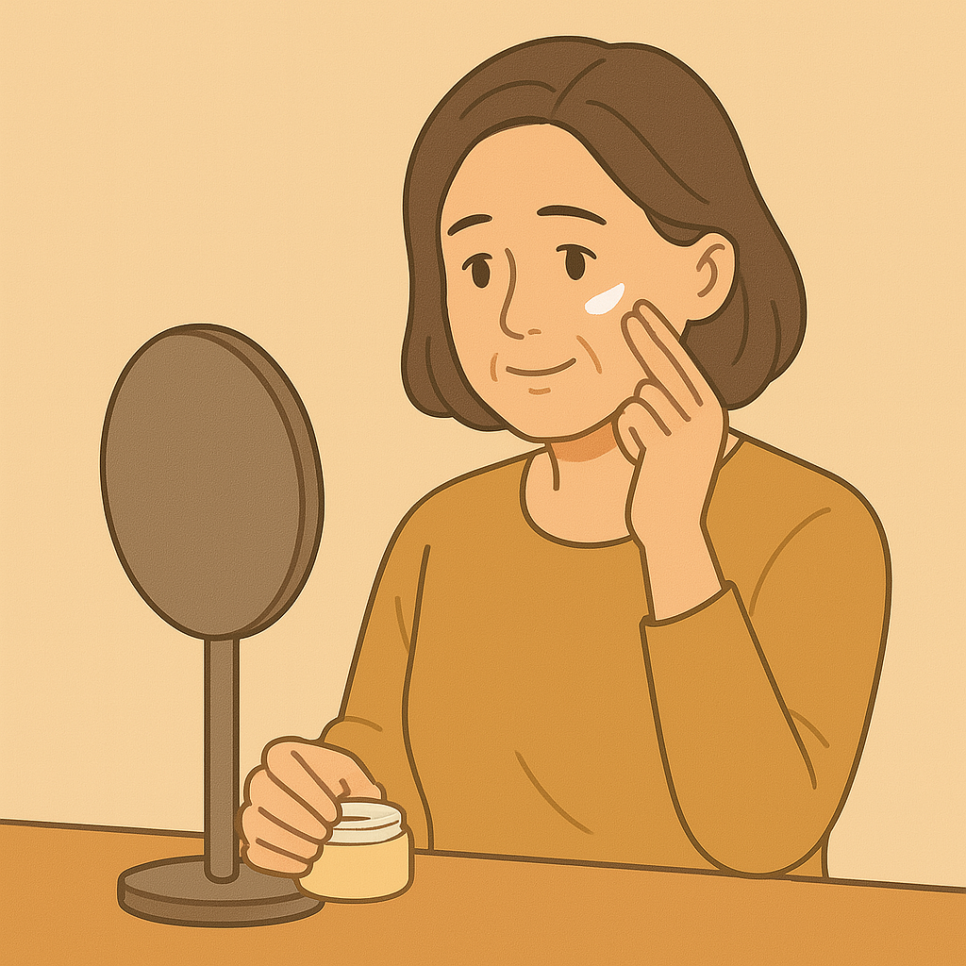
Lower eyelid fat repositioning: please be thorough with aftercare too!
- The most important thing is choosing the right procedure for your condition
Everyone’s skin condition and degree of aging are different.
Therefore, lower eyelid fat repositioning cannot produce the same effect for everyone.
The most important thing is to accurately understand your own skin condition and concerns, and choose the method most suitable for your skin.
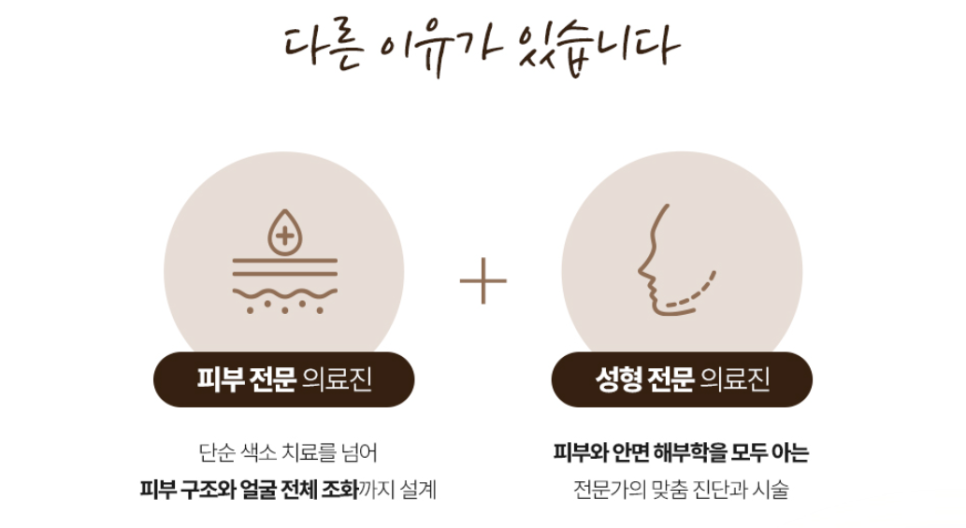
Lower eyelid fat repositioning
Rather than being swayed by the vague idea that “lower eyelid fat repositioning is good,” it is better to have a thorough consultation with a skin specialist, accurately check your skin condition, and then decide on the most appropriate method.
I hope this information becomes a realistic and clear guideline for those considering lower eyelid fat repositioning.
Thank you.
Sincerely,
Im Young-soo, Chief Director of Troy Plastic Surgery
▼How to choose the right lifting treatment for your skin condition▼