Mok-dong Ulthera Thermage,
Lifting Is Not About Numbers, It Is About “Depth”
Mok-dong Ulthera Thermage, Lifting Is Not About Numbers, It Is About “Depth”


Ulthera Thermage Mok-dong Lifting Plastic Surgery Dermatology
When consulting about lifting, one of the questions I hear most often is:
“Doctor, is Ulthera better? Is Thermage better?”
“Do I need both?”
Whenever I get this question, I say:
“Both procedures are devices for lifting, but they act on different layers and serve different purposes.
In the end, what matters is not which energy was used,
but accurately seeing where your face is sagging.”
-
Ulthera and Thermage differ from the layer they act on
-
Ulthera from a clinician’s perspective
-
Thermage from a clinician’s perspective
-
Why Ulthera and Thermage are done together
-
When changes appear after the procedure
-
Precautions after the procedure
-
Recommended for these people
-
In closing
-
Ulthera and Thermage differ from the layer they act on
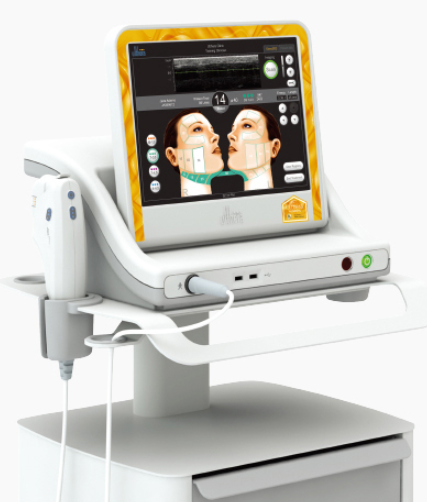
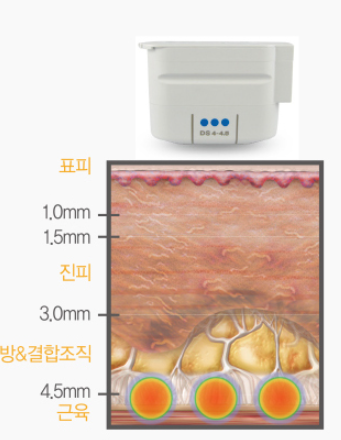
Ulthera Thermage Mok-dong Lifting Plastic Surgery Dermatology
Ulthera uses high-intensity focused ultrasound (HIFU) to stimulate the SMAS layer beneath the skin, the same fascial layer that is pulled during surgical facelift procedures.
This layer is located about 4.5 mm below the skin and lifts the skin “from within” by contracting tissue and inducing collagen production.
Thermage, on the other hand, delivers radiofrequency (RF) energy to the dermis layer, about 3 mm deep.
By heating the inside of the skin evenly, it creates new collagen and elastin,
which tightens the skin’s surface elasticity and texture.
In short,
• Ulthera is a “lifting that pulls upward”
• Thermage is a “lifting that improves firmness and texture.”
- Ulthera from a clinician’s perspective
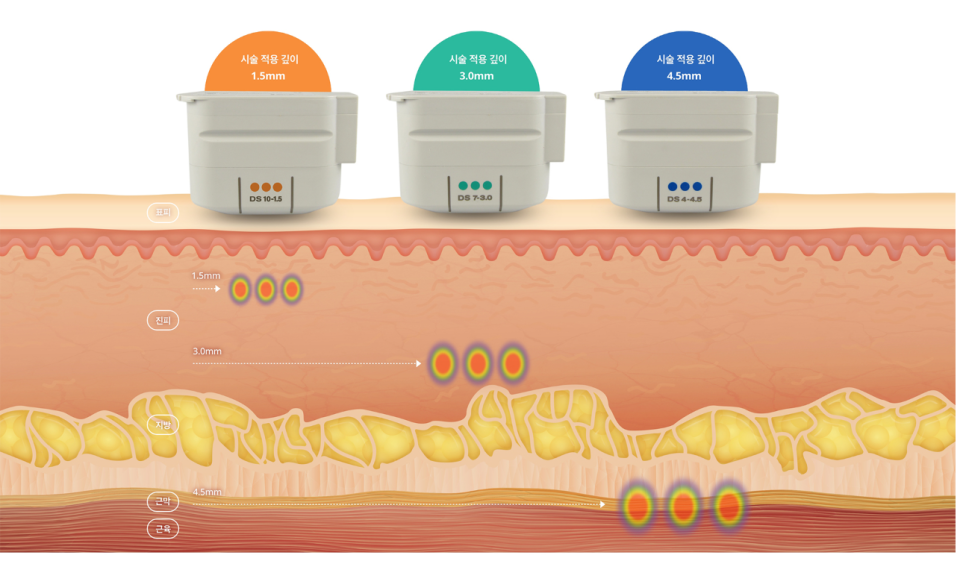
Ulthera Thermage Mok-dong Lifting Plastic Surgery Dermatology
When I actually perform the procedure, the most important thing I look at is not the number of shots, but the direction of the design.
Ulthera uses cartridges with three depths: 1.5 mm, 3.0 mm, and 4.5 mm.
Depending on the patient, the treatment may need to go deeper along the jawline, or the energy may need to be distributed around the cheekbones or nasolabial folds.
I approach this kind of design like drawing a map.
Because the results can be completely different even with the same 300 shots, depending on the facial structure, fat layer thickness, and skin density.
Ulthera is less about simply “lifting the face”
and more like a procedure that realigns the collapsed skin structure back into place.
- Thermage from a clinician’s perspective
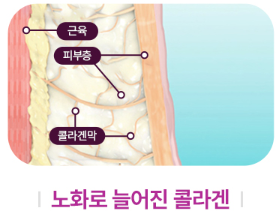
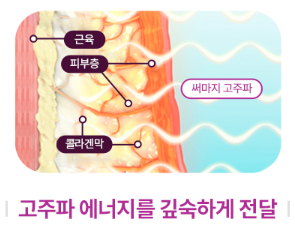
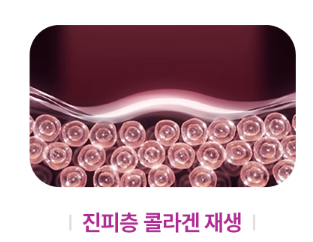
Thermage, image for better understanding
The key point of Thermage is that it does not heat the surface of the skin, but rather evenly warms the collagen layer within the dermis.
When you perform Thermage often, you can really feel it.
Patients’ descriptions are accurate when they say the skin feels denser and more elastic rather than simply saying “it lifted.”
I tend to see Thermage as “refining the skin texture after lifting.”
If Ulthera pulls up the structure, Thermage firms up the surface.
That is why satisfaction is higher when the two devices are used together.
- Why Ulthera and Thermage are done together
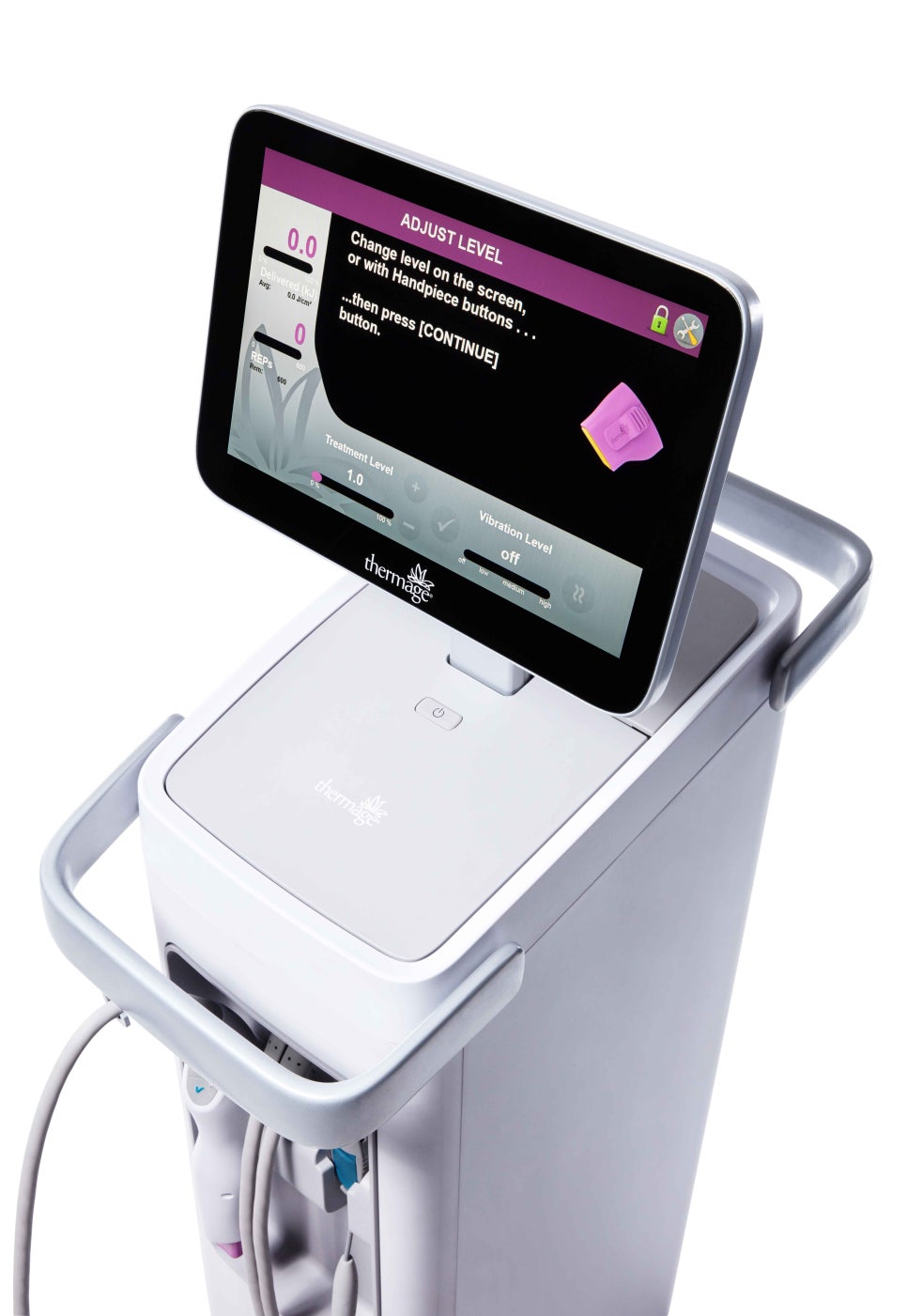
Thermage device
Although the two procedures look like the same kind of lifting treatment,
they are actually synergistic treatments that complement different layers.
• Ulthera: lifting of the deep layer (SMAS layer)
• Thermage: strengthening elasticity in the middle layer (dermis)
• Result: the facial line is lifted, and the skin texture is tightened.
In actual clinical practice,
the lower face (jawline and cheeks) shows clearer results with Ulthera,
while fine wrinkles and reduced elasticity on the forehead and upper cheeks are areas where Thermage has an advantage.
That is why, before treatment, I always divide the face into three areas—midface, lower face, and jawline—
and design different depths and energies for each area.
- When changes appear after the procedure

Ulthera Thermage Mok-dong Lifting Plastic Surgery Dermatology
• Ulthera: a slight immediate tightening → full lifting through collagen regeneration after 2–3 months
• Thermage: skin texture improvement immediately after the procedure → increased elasticity after 1–2 months
For both procedures, changes are most noticeable between 3 and 6 months,
following the collagen production cycle.
The average duration of effect is about 1 year,
and touch-up treatments are done every 6 to 12 months depending on skin condition.
- Precautions after the procedure
Ulthera Thermage Mok-dong Lifting Plastic Surgery Dermatology
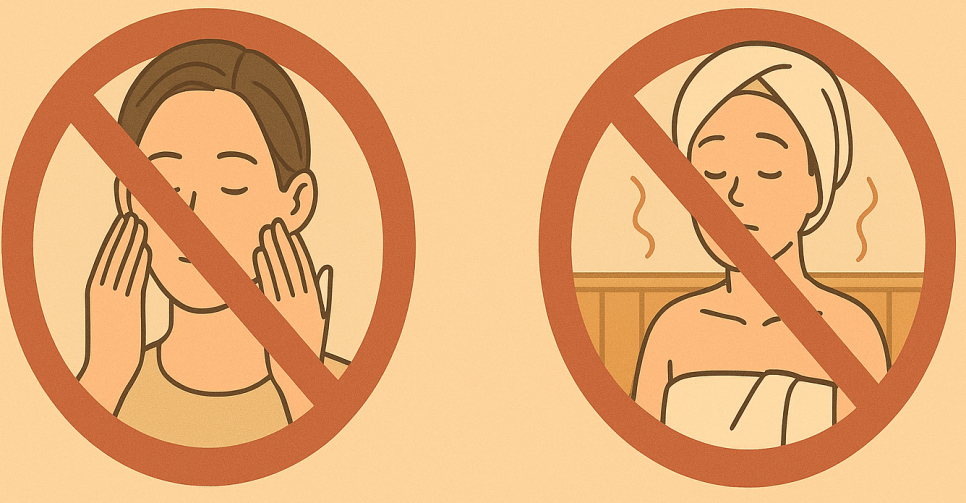
• Avoid hot saunas, exercise, and drinking alcohol on the day of the procedure
• Maintain sun protection and sufficient moisturizing
• There may be warmth, swelling, or tightness for about 1–2 days, but these usually improve naturally
• Proper hydration care is essential around 2–3 months, when collagen regeneration becomes active
Ulthera and Thermage go beyond immediate changes,
and are procedures in which the skin gradually improves on its own over time.
- Recommended for these people
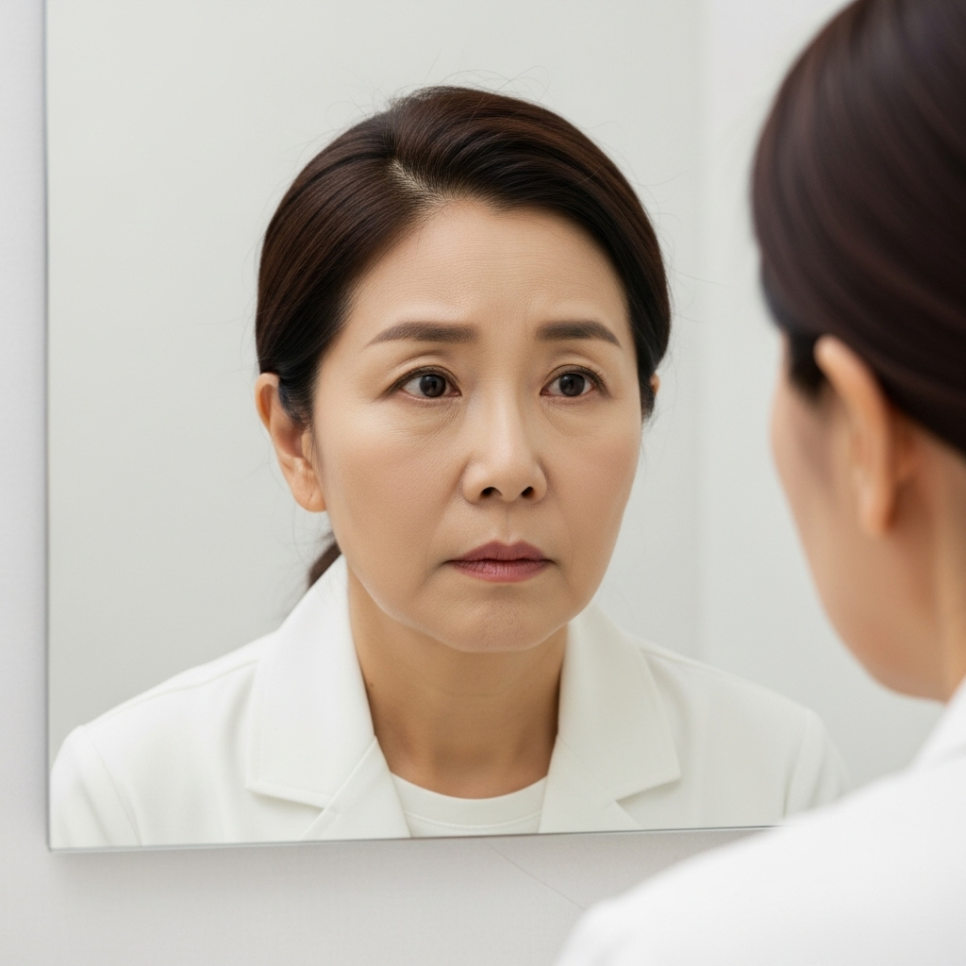
Ulthera Thermage Mok-dong Lifting Plastic Surgery Dermatology
• People in their 30s to 40s whose jawline has collapsed and cheeks have sagged
• People with thin skin who also have fine wrinkles and reduced elasticity
• Those who want a natural, subtle lifting effect
• Those who want to refine the facial line clearly without surgery
- In closing

Ulthera Thermage Mok-dong Lifting Plastic Surgery Dermatology
The key to lifting is not the name of the device, but the direction of the design.
The most natural and longest-lasting results come from a plan that builds structure with Ulthera and refines the skin texture with Thermage.
I tell patients:
“Instead of thinking about pulling things upward, think about restoring collapsed skin to its original place.”
Lifting is not about turning back time,
but about tidying up the traces time has left behind.
▼Lifting: the jawline changes your impression▼
#MokdongUlthera #MokdongThermage #TroyPlasticSurgery #YouthfulLifting #NonSurgicalLifting #DirectorImYoungsu
Mok-dong Ulthera Thermage lifting. Although both are lifting treatments, the layers they act on are different.
Pulling is Ulthera, elasticity is Thermage — introducing the natural lifting effect of a combined treatment plan.