Mokdong Lifting: Which Lifting Treatment Is Right for Me?

Mokdong Lifting
One day, when you look in the mirror, your jawline may suddenly seem blurry, and your cheeks may look more saggy than before.
You may think, “Is this because of age?” but when it comes down to it, it is not easy to decide what to do or which method is right for your own face.
This is also the question I hear most often in the consultation room.
“Is thread lifting better? Is Ulthera better? Or do I need surgery?”
Because everyone has different skin thickness, degree of aging, and facial structure, there is no single correct answer.
Today, for those considering Mokdong lifting, I will organize it exactly the way I explain it during actual consultations.
- Is laser alone enough? — The key is the
stage of sagging
- Is thread lifting the answer? — More than the type of thread,
understanding the facial structure comes first
-
When is surgery needed? — There are cases where a facelift is more natural
-
The 3 questions I hear
most often in the consultation room
-
Where should you get Mokdong lifting? — In the end, it is all about the “design”
-
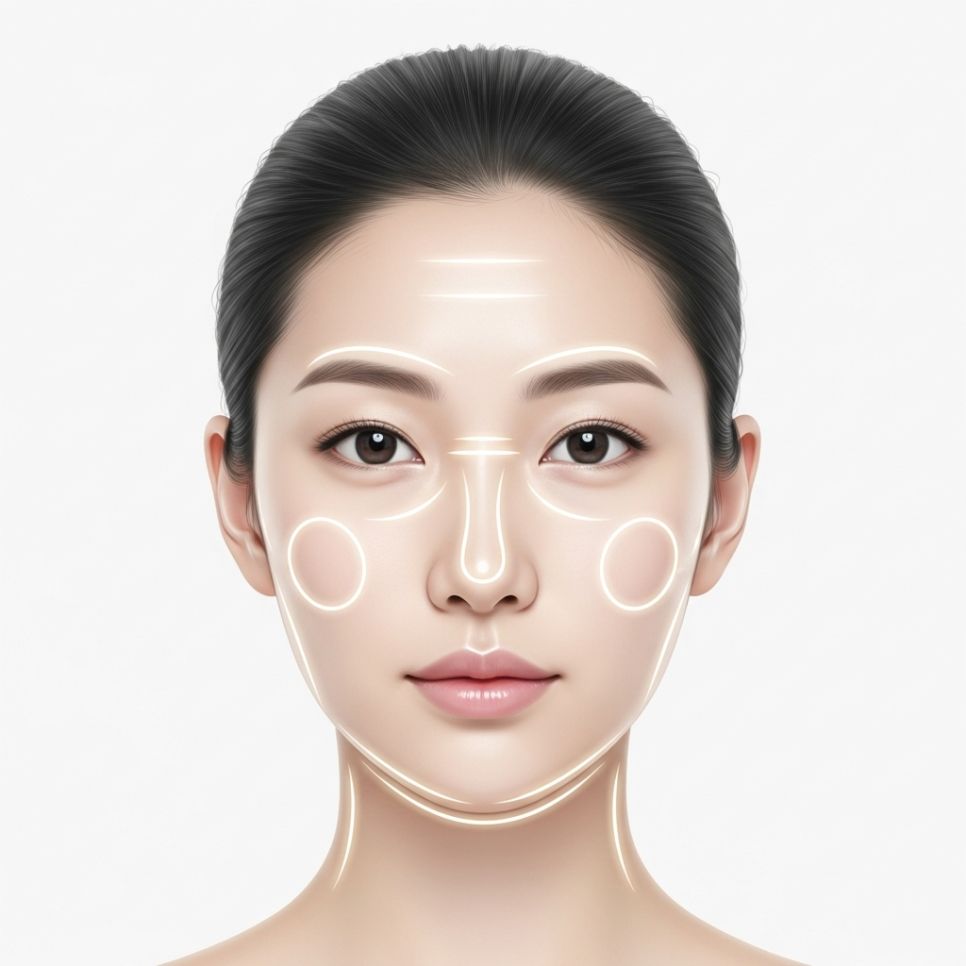
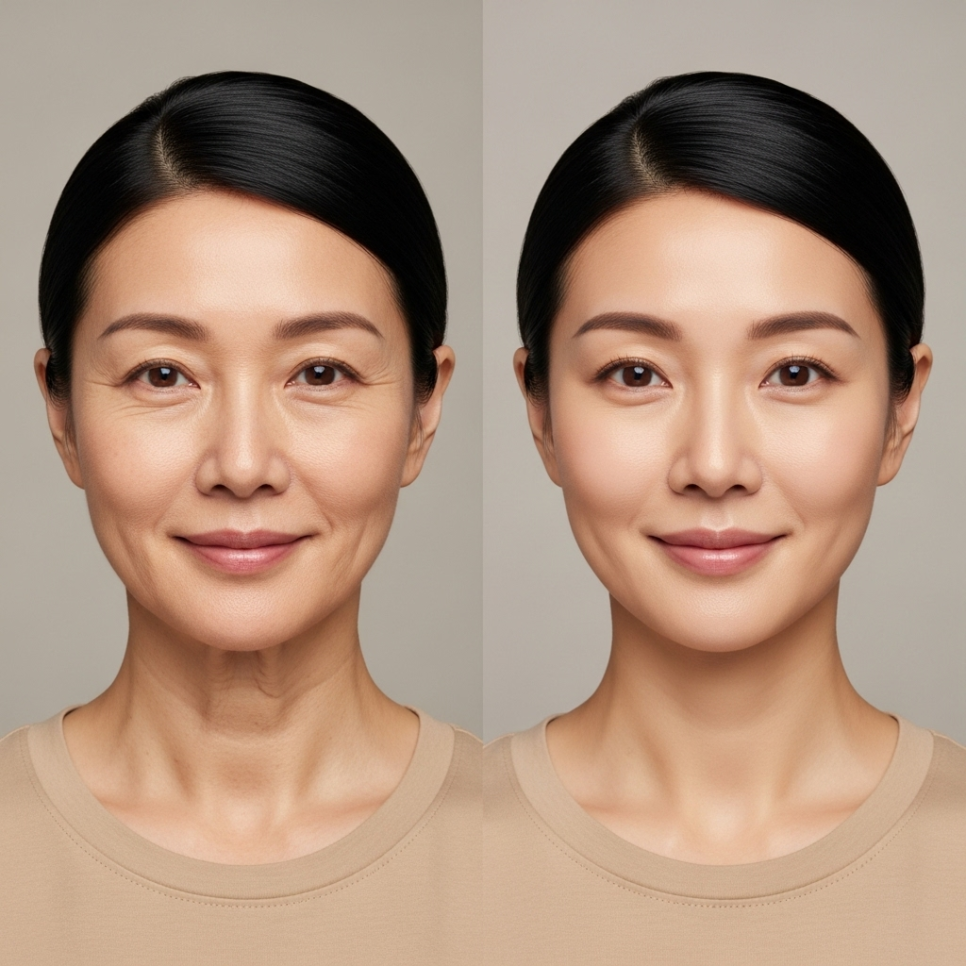
Is laser alone enough? — The key is the stage of sagging
Previous image
Next image

Mokdong Lifting
When considering lifting, the first thing we look at is the depth of aging.
If you are in the early stage of reduced elasticity, there are many cases where you do not need an incision or a major procedure.
At Troy Plastic Surgery, we use a variety of laser lifting devices such as Ulthera, Thermage, and InMode, so we can design treatment step by step according to the condition of the skin.
The first criteria I check during consultation are the following.
• Skin thickness and density
• The direction of sagging in the fat layer
• Whether the SMAS layer (fascia layer) is relaxed
• The degree of imbalance between cheek sagging and the jawline
In other words, even with the same device, the results can be completely different depending on who plans it and how.
In fact, most people who ask, “I’ve had laser treatments several times, so why is there no change?” often had cases where the shot strength, depth, and treatment area design were not appropriate.
- Is thread lifting the answer? — More than the type of thread, understanding the facial structure comes first

Mokdong Lifting
With thread lifting, the key is not simply, “Are the threads good?” but accurately identifying the direction and depth that need to be lifted.
At Troy, we use various threads such as Blue Rose, Mint, 3D Mesh, and UV lifting,
but what I consider important is the following.
• The direction in which the cheeks are dropping
• The support of the outer cheekbone area
• The depth of the nasolabial folds and marionette lines
• The history of previous filler and laser treatments
If the threads are used incorrectly, the cheeks can look uneven, or the pulling can look unnatural and make the face appear larger.
Therefore, more important than the type of thread is how it is applied to a particular facial structure.
- When is surgery needed? — There are cases where a facelift is more natural

Mokdong Lifting
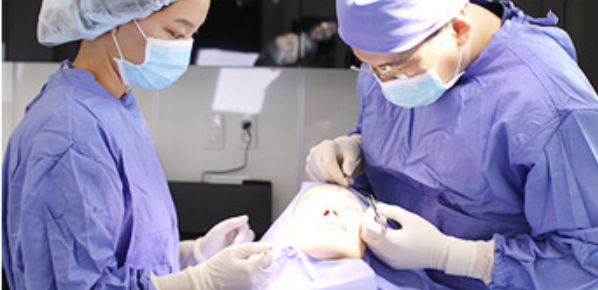
“Isn’t surgery too big of a procedure?”
However, in more advanced stages of aging, surgery can actually be more natural and last longer.
Especially in cases like the following.
• Severe sagging under the chin
• Overall looseness in the cheeks, nasolabial area, and jawline at the same time
• When the effects of previous procedures do not last long
• When the neck line also needs to be refined
At Troy Plastic Surgery, it is possible to choose from a mini facelift to a full facelift according to the stage of aging.
Because the incision line, fixation position, and pulling direction of the SMAS layer are all finely adjusted, we design the procedure so that it does not look like an obvious surgery.
- The 3 questions I hear most often in the consultation room

Mokdong Lifting
Q1. “Which is better, Ulthera, Thermage, or InMode?”
Each device has a different target layer and effect.
Ulthera is strong for SMAS layer lifting, Thermage for collagen tightening, and InMode for improving both fat and elasticity.
The answer is not one single option; many faces actually need a combination.
Q2. “Is thread lifting painful, and how long does it last?”
There are clear individual differences in pain, but if the thread selection, insertion depth, and fixation position are accurate, discomfort is much less.
Also, thread lifting tends to last about 1 to 2 years, and methods that pull too aggressively are best avoided.
Q3. “I’m not thinking about surgery, but I want to see a definite effect.”
In this case, I usually recommend a combination of laser and thread lifting.
If it is an early stage of sagging, there are many cases where the impression can be improved sufficiently without surgery.
- Where should you get Mokdong lifting? — In the end, it is all about the design
Previous image
Next image
Mokdong Lifting
Lifting is not determined by the name of the procedure, but by design, planning, and anatomical understanding.
This is why even the same Ulthera or the same thread lifting can produce different results.
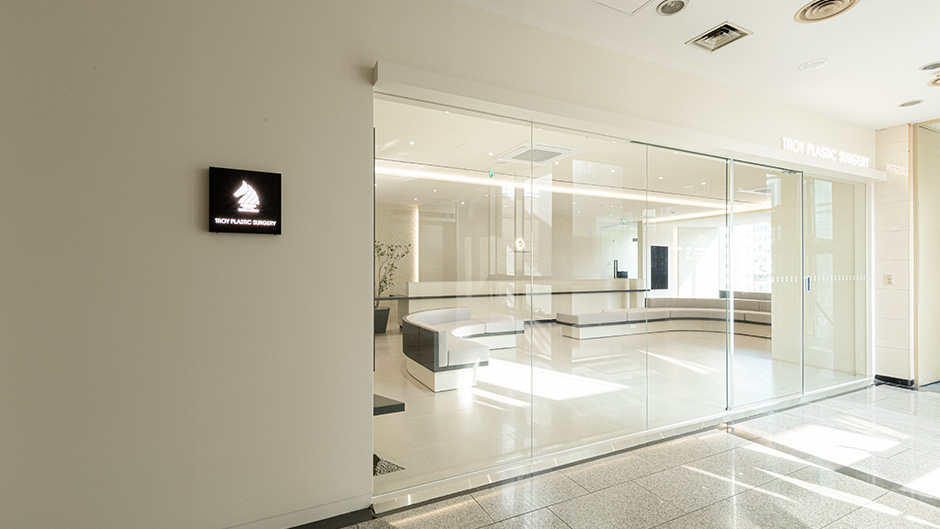
At Troy Plastic Surgery, a plastic surgery specialist personally handles the entire process from consultation to procedure to aftercare.
Because laser, threads, and surgery are all available, another advantage is that we can select only the method that is truly right for your face.
Rather than a lifting treatment that pulls too strongly,
a change that suits me is the most natural.
From Dr. Im Young-soo of Troy Plastic Surgery.
▼More stories about lifting design▼
#MokdongLifting #Ulthera #Thermage #InModeFX #InModeFORMA #ThreadLifting #MiniFacelift #Facelift #VLineLifting