Mokdong Shurink Effect,
See First Who It Suits Best
Mokdong Shurink Effect: See First Who It Suits Best
Mokdong Shurink, Mokdong Plastic Surgery Dermatology
One of the lifting treatments we receive the most inquiries about in Mokdong is Shurink.
In the clinic, I also hear the question, “Will it work for me?” very often.
Because the procedure is simple, it can be easy to start, but when you look closely, there are clearly faces where the effect shows well,
and faces where another method is more suitable.
Today, based on the criteria I explain directly to patients during consultations,
I’ll tell you how to distinguish cases where Shurink works well and cases where it does not.
-
Shurink effect: most accurate in the case of “early sagging”
-
The key to the effect is “depth” and “shot design”
-
In these cases, Shurink alone makes it hard to get the
expected effect
-
The 3 questions I get most often in the clinic
-
Conclusion — Mokdong Shurink effect ultimately depends on
“a design that reads the face accurately”
- Shurink effect: most accurate in the case of “early sagging”
Mokdong Shurink, Mokdong Plastic Surgery Dermatology
Shurink is a lifting treatment that delivers heat deeply to the SMAS layer using HIFU (High-Intensity Focused Ultrasound).
In other words, it works best in the early stage when sagging has just begun.
The cases I judge as especially well suited to Shurink are as follows.
• When the cheeks have just started to droop slightly downward
• When the area below the cheekbones looks hollow and feels less elastic
• When the jawline has become vague but there is not much fat
• When the line starts to collapse before a double chin forms
• When the overall face feels more like “lack of elasticity” than “heavy sagging”
For faces like this, even one Shurink treatment can
relatively well produce effects of improved elasticity, tightening, and line refinement.
- The key to the effect is “depth” and “shot design”
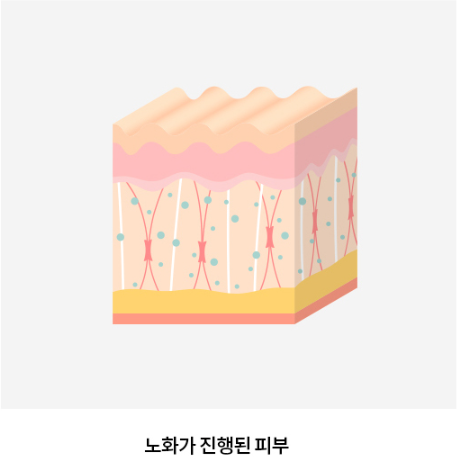
Previous image
Next image
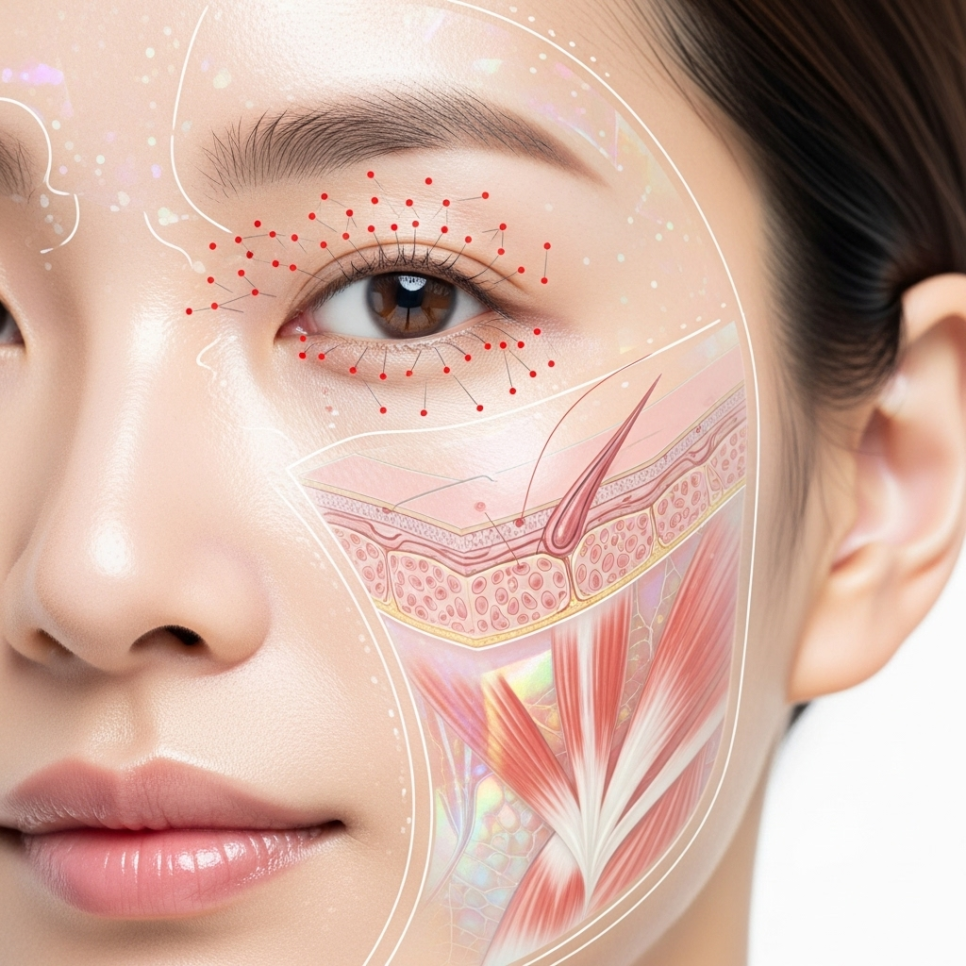
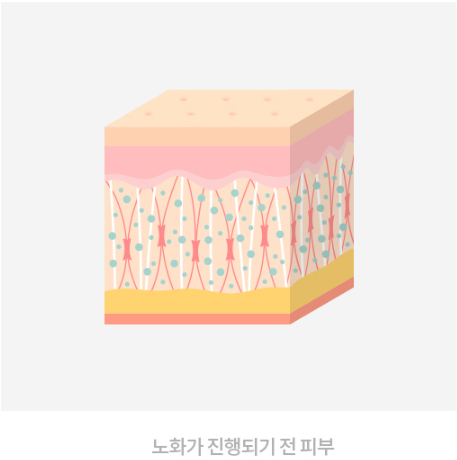
Image for illustration purposes
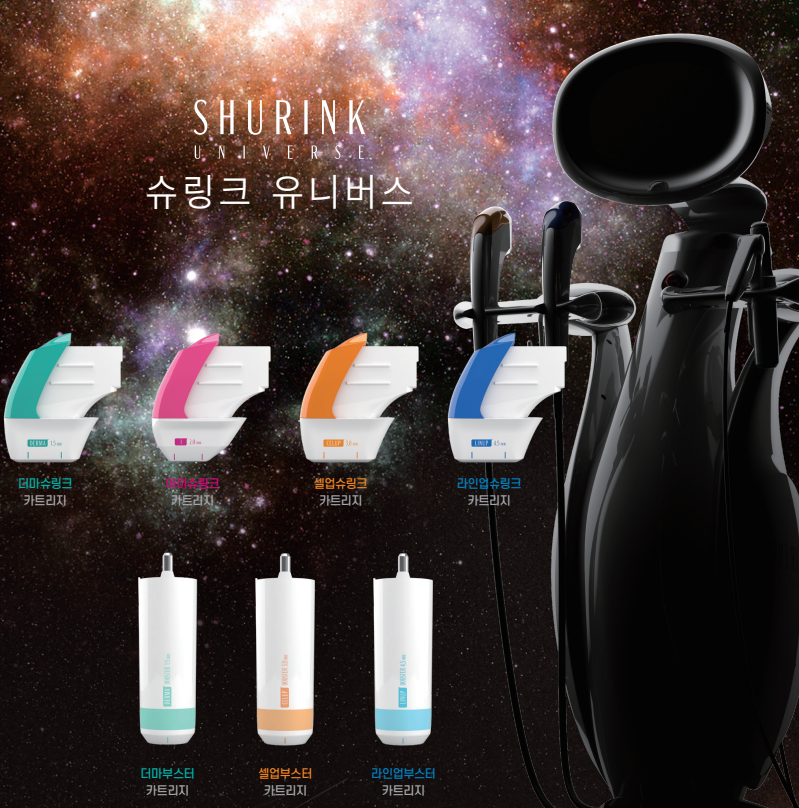
Shurink uses 1.5 / 3.0 / 4.5 mm cartridges depending on the depth.
However, the results vary greatly depending on how this depth is divided by area of the face, and how densely the shots are delivered.
The factors I check first when performing the procedure are the following.
• Skin thickness
• The position and amount of the fat layer
• The direction of SMAS layer laxity
• The degree of sagging in the cheeks, jawline, and cheekbones
• Whether there is a history of fillers or thread lifting
Even with the same Shurink, the results differ if the “design” is different, and especially in areas like Mokdong, where many people in their 30s to 50s seek consultations, adjusting the strength by area is far more important than the laser itself.
- In these cases, Shurink alone makes it hard to get the expected effect
There are definitely situations in consultation where I explain, “Shurink alone will be difficult.”
• When the cheeks have sagged significantly downward
• When the nasolabial folds or marionette lines are deeply set
• When a double chin has developed a contour due to fat
• When the neck and jawline already look connected without a clear boundary
• When facial aging has progressed to a moderate or greater degree
In cases like these, getting Shurink does not necessarily mean you will achieve a lifting effect; instead, the result may be improved surface elasticity, while the pulling effect itself remains insufficient.
At that point, combinations such as the following are appropriate.
• Shurink + thread lifting
• Shurink + InMode
• Shurink + fat reduction device
• Or a mini facelift with minimal incisions
What matters is not the name of the procedure,
but the need to accurately identify the layer where aging has occurred and approach it accordingly.
- The 3 questions I get most often in the clinic

Mokdong Shurink, Mokdong Plastic Surgery Dermatology
Q1. How many shots of Shurink are enough?
There is no fixed number.
It varies depending on facial structure, the degree of aging, and skin thickness, and when overall elasticity has declined, more than the standard number of shots is often needed.
Q2. What is the difference from Ulthera?
Ulthera provides higher-output, more precise SMAS-layer lifting,
while Shurink is a HIFU lifting treatment that creates elasticity and tightening with less burden.
A customized combination according to the stage of aging is the most natural.
Q3. Can I go about daily life right after Shurink?
Yes.
There is almost no swelling or bruising, and makeup can be applied quickly.
However, changes in elasticity should be assessed both immediately after the procedure and again 1 to 2 months later as collagen regenerates.
- Conclusion — Mokdong Shurink effect ultimately depends on “a design that reads the face accurately”
Mokdong Shurink, Mokdong Plastic Surgery Dermatology
Shurink has the advantage of being something you can start without much burden,
but that is exactly why it is most important to first determine who it suits well.
Troy Plastic Surgery has the full process prepared, from laser to threads to surgery,
so rather than recommending a specific procedure, we prioritize a lifting plan suited to each person’s stage of aging.
Rather than a lifting that pulls strongly,
the most natural result is a degree of change that suits you.
From Dr. Im Young-soo.
▼How to find the lifting treatment that suits me?▼