Mok-dong Ulthera Causes Cheek Hollowing? Truth and Misconceptions

Ulthera and Cheek Hollowing
For people looking into Ulthera, there is one concern they often raise first.
“Does Ulthera cause cheek hollowing? Is that true?”
In Mok-dong, this is a question I hear almost every day during consultations.
Because there is so much information online,
it can be hard to clearly distinguish when cheek hollowing actually occurs
and when it does not apply at all.
Today, I’ll explain the relationship between Ulthera and cheek hollowing as I do in the clinic,
and organize the points that many people misunderstand.
-
Why did the idea that Ulthera causes cheek hollowing arise?
-
There are specific face types that are more prone to cheek hollowing
-
On the other hand, there are many cases where it has nothing to do with cheek hollowing
-
Ulthera design that helps avoid cheek hollowing
— adjusting depth, area, and intensity
-
Three questions I hear most often in the clinic
-
Conclusion — Ulthera is not a procedure that creates cheek hollowing, but one where design is important
-
Why did the idea that Ulthera causes cheek hollowing arise?
Mok-dong Ulthera
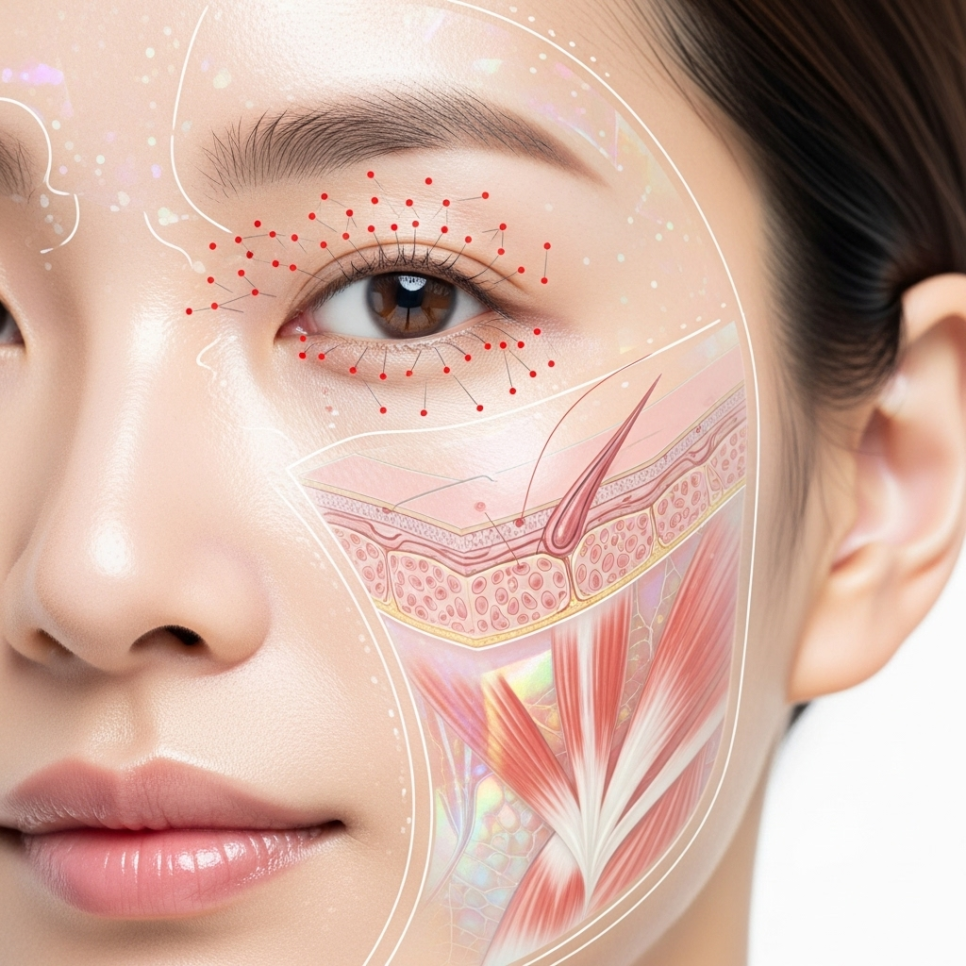
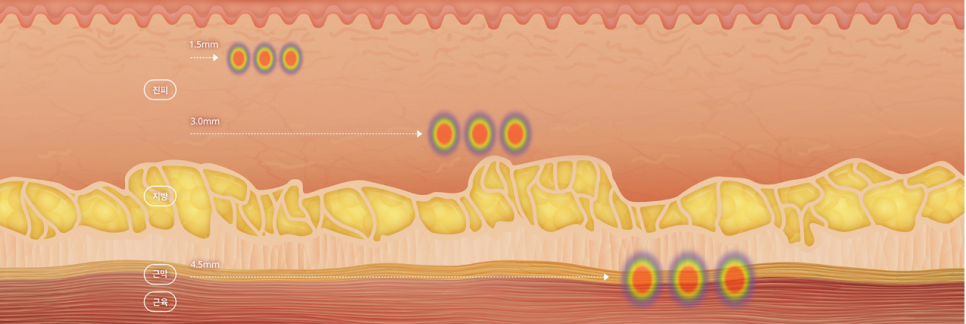
Skin image for illustration
Ulthera is a lifting device that delivers ultrasound energy to the SMAS layer (the fascial layer)
and helps contract sagging tissue.
The problem is that when people share experiences without first determining whether cheek hollowing was actually caused by Ulthera,
and simply pass along personal anecdotes,
the idea spread as if “Ulthera = cheek hollowing.”
The first checklist I explain during consultations is this:
• Is the face naturally thin in the cheeks with little fat?
• Has the cheek volume changed due to fillers or lifting procedures in the past?
• Has there been any weight change?
• Was the procedure done too aggressively in a shallow layer?
• Was it delivered with excessive intensity, affecting the fat layer?
In other words, this does not mean cheek hollowing occurs in everyone.
- There are specific face types that are more prone to cheek hollowing
Mok-dong Ulthera
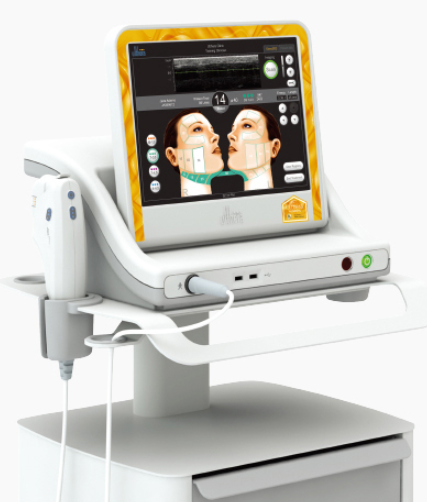
Ulthera and cheek hollowing
By Ulthera’s structure, it is not a device that dissolves fat.
However, in a face that is naturally thin in the cheeks,
even a small change can be noticeable, so cheek hollowing may be felt more easily.
Cases more likely to experience cheek hollowing
• A face with naturally little volume in the cheekbone and front cheek area
• A thin body type with very little facial fat
• A face where the cheekbone structure stands out more than the cheek fat
• A face with both thin skin and a thin fat layer
• A face where the tissue under the cheeks has already descended due to aging
In this kind of structure,
the likelihood of noticing cheek hollowing is higher if the intensity is too strong or the shots are distributed incorrectly.
- On the other hand, there are many cases where it has nothing to do with cheek hollowing
Mok-dong Ulthera
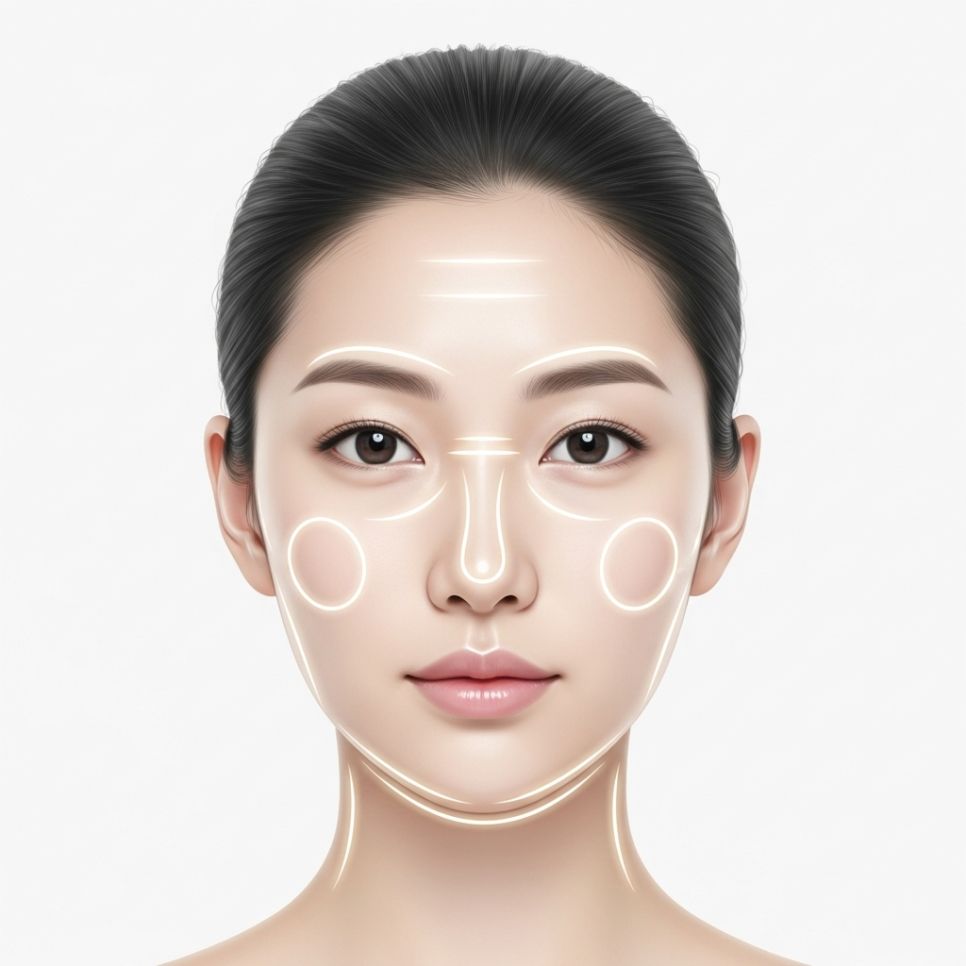
Ulthera and cheek hollowing
In the clinic, these cases are actually more common.
Faces where Ulthera has little to do with cheek hollowing
• A face with moderate cheek fat and maintained volume
• Sagging that starts from the skin and SMAS layer
• A face where the area below the cheekbones has slightly descended, making the contour collapse
• A face where the main issue is reduced elasticity rather than fat
In these cases, Ulthera can actually help improve the jawline, cheek sagging, and the shadow below the cheekbones.
- Ulthera design that helps avoid cheek hollowing — adjusting depth, area, and intensity
Mok-dong Ulthera
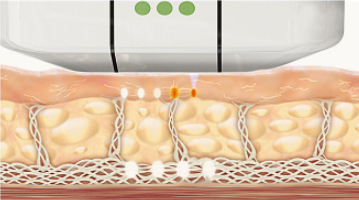
Image for illustration
The key to Ulthera is placing the right amount at the correct depth.
If the following four points are properly observed,
the risk of cheek hollowing is greatly reduced.
-
Target only the SMAS layer while adjusting so it does not overlap with the fat layer
-
Adjust the intensity along the front cheek line, where hollowing is more likely to occur
-
Minimize the number of shots in the sunken area below the cheekbones
-
Increase the intensity around the jaw and face line, but set the direction precisely
In other words, a face with little cheek fat is not one that cannot receive Ulthera;
the truth is that “the design must not be done incorrectly.”
- Three questions I hear most often in the clinic
Mok-dong Ulthera

Ulthera and cheek hollowing
Q1. Does Ulthera make the cheeks thinner?
No.
Its purpose is to contract the SMAS layer, and it is not a device that directly destroys fat.
Q2. If I’m worried about cheek hollowing, should I avoid Ulthera?
If the conditions are right, there is no need to avoid it.
If cheek volume is low,
the intensity, number of shots, and treatment area can be designed more conservatively.
Q3. Can lifting still be done with Ulthera even if cheek hollowing is already present?
Yes.
However, the intensity is reduced around the front cheeks and below the cheekbones,
and the treatment is designed mainly around the jaw and side lines
to refine the overall contour.
- Conclusion — Ulthera is not a procedure that creates cheek hollowing, but one where design is important
Mok-dong Ulthera
Ulthera and cheek hollowing
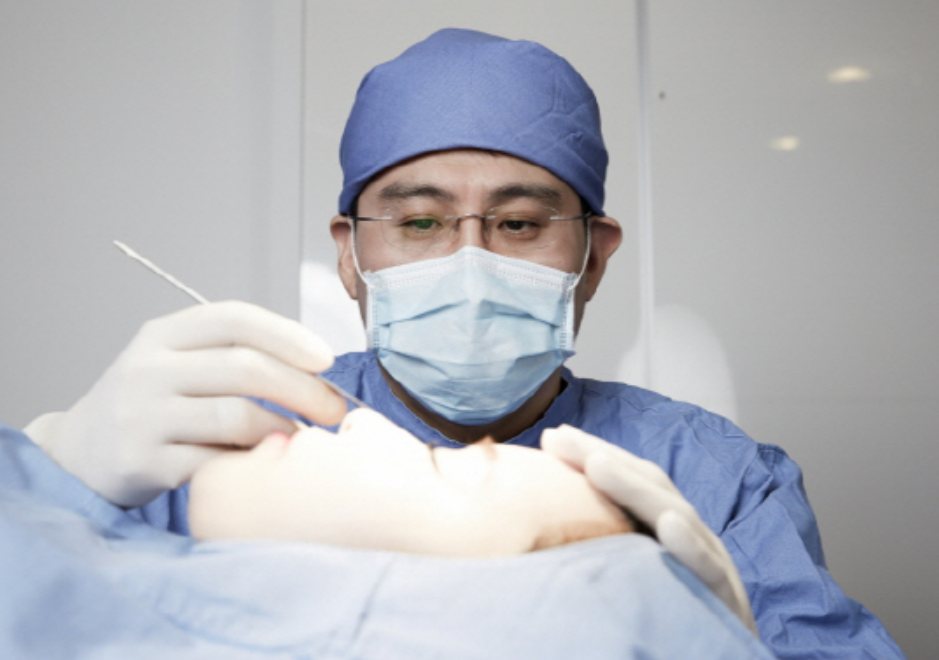
The claim that Ulthera itself causes cheek hollowing is only half true.
To be precise,
it is a result that can occur when Ulthera is performed in a way that does not match the facial structure.
Troy Plastic Surgery Clinic can perform a variety of lifting devices such as Ulthera, Thermage, and InMode,
as well as thread lifting and facelift surgery,
so rather than tailoring treatment to a specific device,
we prioritize a design that fits your facial structure and cheek volume.
Not a lifting treatment that hollows out the cheeks,
but a lifting treatment that preserves the volume your face already has and tightens only as much as needed.
That is what truly natural lifting is.
From Director Im Young-soo.
▼What is the real effect of Shrink Universe?▼