Which hospital is best for lifting in Mok-dong,
plastic surgery? Dermatology?
Which hospital is best for lifting in Mok-dong, plastic surgery? Dermatology?

Mok-dong lifting Mok-dong plastic surgery Mok-dong dermatology
When looking into lifting, many people ask this question.
“Should lifting be done at a plastic surgery clinic or a dermatology clinic?”
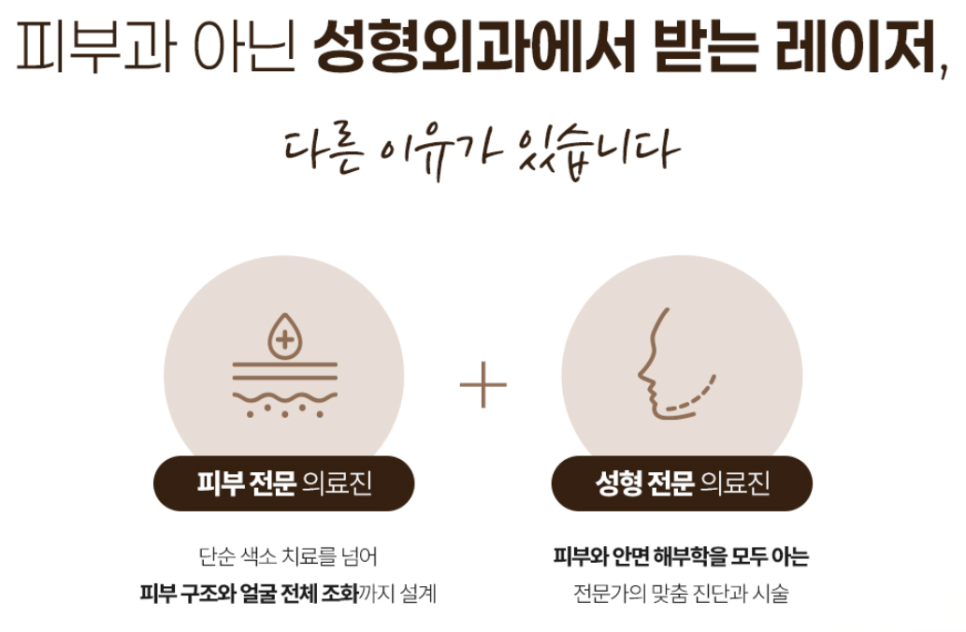
These two departments use the same word, “lifting,” but in reality, the layers they treat and their purposes are different.
So rather than one department being better than the other, the key criterion is which layer of the face the aging started in.
Today, we will objectively summarize what kind of lifting plastic surgery and dermatology each handle,
and what criteria you can use to choose.
- Lifting involves different layers
— The difference in roles between plastic surgery and dermatology
- Then which area of my face is right?
— Layer-by-layer checklist
-
Why you do not have to insist on only one department
-
Three questions often asked in the consultation room
-
Conclusion — Choose the “layer,” not the department
-
Lifting involves different layers — The difference in roles between plastic surgery and dermatology
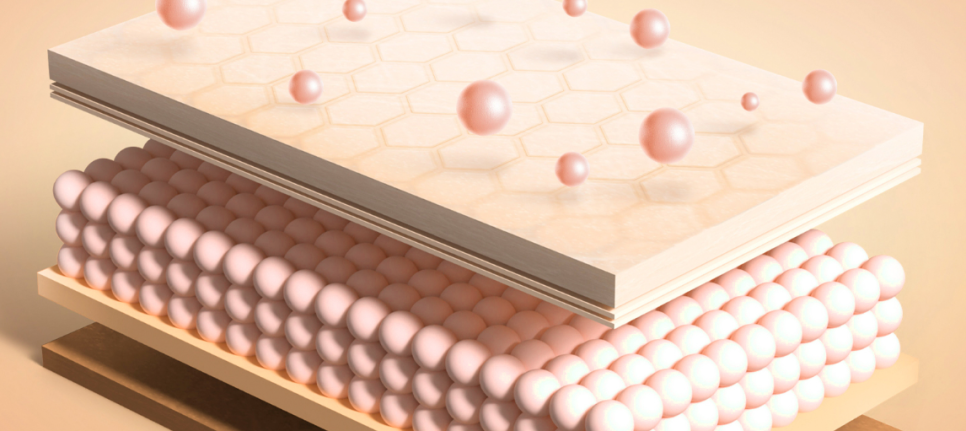
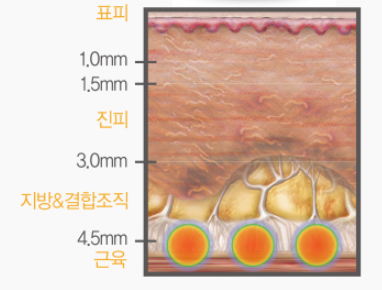
Image for better understanding
The skin is broadly composed of
epidermis → dermis (collagen layer) → fat layer → fascia (SMAS) → muscle
in this order,
and the pattern of aging varies depending on where it begins first among these layers.
- Layers mainly treated by dermatology
• Dermal layer (skin elasticity, fine lines, pores, skin texture)
• Radiofrequency (e.g., Thermage FLX)
• Laser toning
• Skin regeneration and elasticity devices
• Focus on improving surface elasticity, moisture, pores, fine lines, and texture
- Layers mainly treated by plastic surgery
• Fascia (SMAS), fat, and skin sagging
• HIFU lifting (e.g., Ulthera, Shurink)
• Thread lifting
• Mini facelift / facelift
• Focus on improving structural aging such as cheek sagging and loss of jawline definition
In other words,
elasticity-focused = dermatology,
sagging and structure-focused = plastic surgery
It is easiest to understand it this way.
- Then which area of my face is right? — Layer-by-layer checklist
Mok-dong lifting Mok-dong plastic surgery Mok-dong dermatology
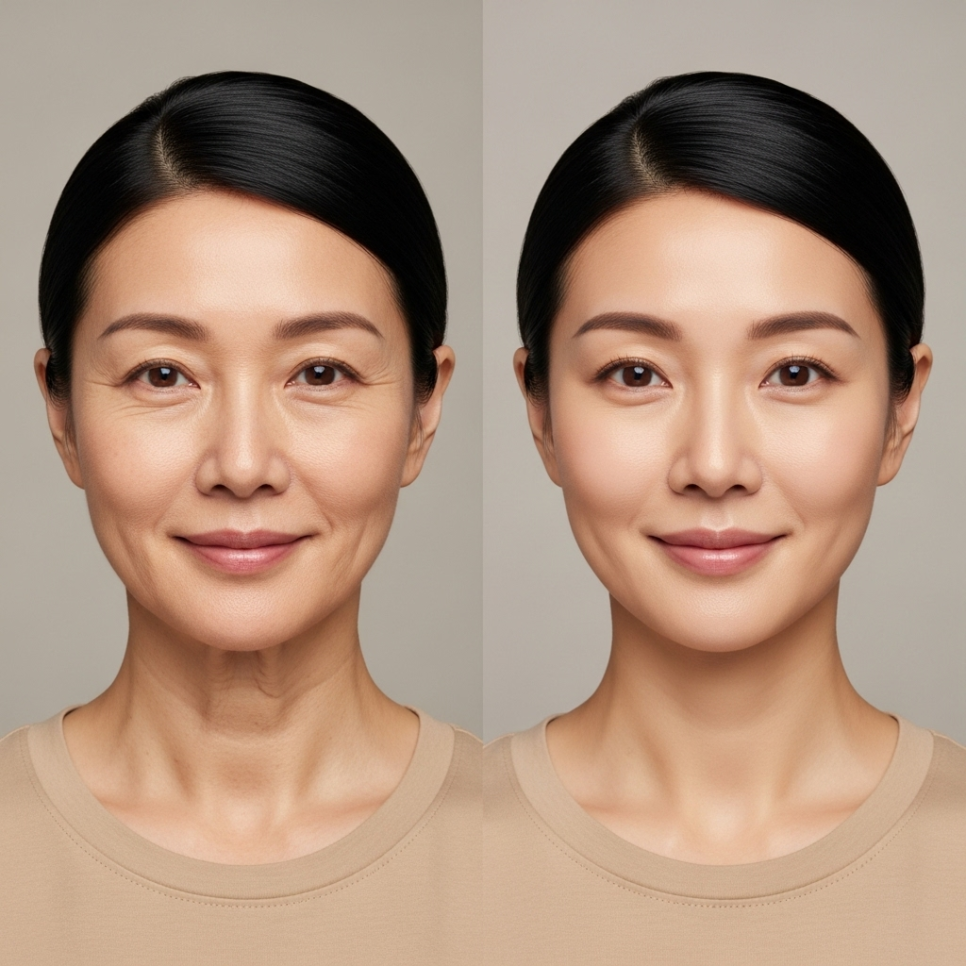
- When reduced skin elasticity appears first
→ A dermatology approach is suitable
• Pores, skin texture, and fine lines stand out first
• The skin feels thin and lacking firmness
• The main concern is not sagging below the cheekbones, but reduced surface elasticity
• Common in late 20s to early 30s
- When cheek sagging and loss of jawline definition appear first → A plastic surgery approach is suitable
• The cheeks below the cheekbones look like they are dropping downward
• The jawline looks blurry and the face appears heavy
• The boundary between the cheekbones and cheeks is unclear when smiling
• Common after the mid-30s
- When both the skin and structure have weakened at the same time
→ Consider both approaches
• Fine lines on the skin surface and
• Inner sagging (cheeks and jawline) are both present
• A single device is not enough, and management needs to be divided by layer
In this way, where aging begins is the most important criterion.
- Why you do not have to insist on only one department
Mok-dong lifting Mok-dong plastic surgery Mok-dong dermatology
Lifting is not a problem that can be solved with just one treatment.
For example,
• If the skin surface is healthy but the cheeks are sagging → a HIFU-centered approach
• If there is no sagging but the skin is thin and rough → a skin elasticity-centered approach
• If the jawline, cheeks, and neck line have all become structurally compromised → a layered combination approach
By dividing the layers and approaching them this way, the result is natural and not excessive.
It is not a matter of choosing
“Plastic surgery is better”
or
“Dermatology is better.”
The key is choosing the layer that can address the problem on your face most accurately.
- Three questions often asked in the consultation room


Mok-dong lifting Mok-dong plastic surgery Mok-dong dermatology
Q1. Where is it better to get Ulthera, Thermage, or Shurink?
Rather than which place is better,
what matters is whether the clinic accurately understands and designs for the layer each device targets.
Q2. Is dermatology lifting weak, and is plastic surgery lifting too much?
Both are misconceptions.
Dermatology lifting is strong for “surface elasticity,”
and plastic surgery lifting is strong for “structural changes.”
The intensity, effect, and purpose are all different.
Q3. When should thread lifting or surgery be considered?
• When there is a lot of double-chin fat
• When cheek sagging has gone beyond both the skin and fascia
• When the boundary between the jawline and neck line has collapsed
In many cases, laser treatment alone is not enough.
- Conclusion — Choose the “layer,” not the department

Mok-dong lifting Mok-dong plastic surgery Mok-dong dermatology
Lifting is
not divided into plastic surgery versus dermatology.
The essence of lifting is
to accurately identify which layer has started to collapse first.
• If it is a skin problem, use a dermatology approach
• If it is a structural problem, use a plastic surgery approach
• If both are problems, use a layered combination approach
If you remember only this standard,
you can find the most natural lifting direction without excessive procedures.
▼How do you choose the lifting option that is right for you?▼