Mokdong lifting: people in their 30s, 40s, 50s, and 60s
What’s different?
Mokdong lifting
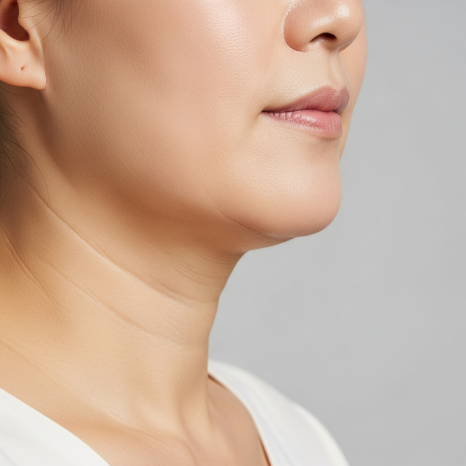
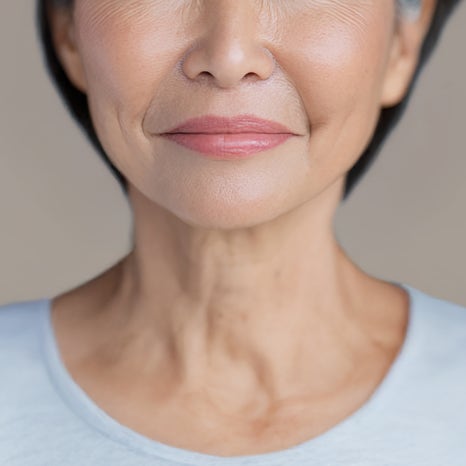
Mokdong lifting
When consulting about lifting in Mokdong,
one of the most common questions I hear is:
“Which lifting treatment is right for my age?”
As the age group changes,
it is not just the degree of sagging that changes;
the very layer where aging begins also differs.
So the approach naturally has to change as well.
Today, I’ll calmly organize the features most commonly seen in people in their 30s, 40s, 50s, and 60s,
and the corresponding criteria for deciding on lifting.
-
30s — The stage where loss of elasticity appears first
-
40s — The stage when sagging
begins in earnest
- 50s — The stage when fat, fascia, and skin layers
are all affected together
- 60s — The stage when the share of structural lifting
becomes larger
-
One key criterion that remains important regardless of age group
-
Q&A: Questions most often asked in the clinic
-
In summary
-
30s — The stage where loss of elasticity appears first
Previous image
Next image
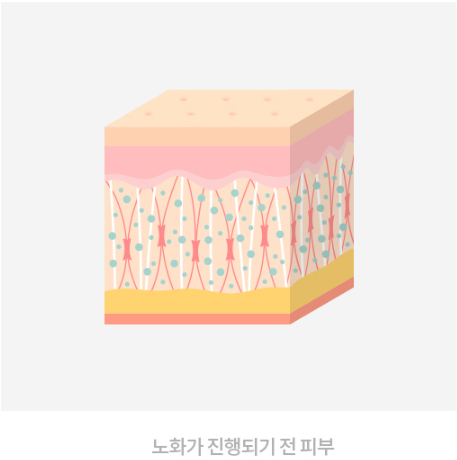
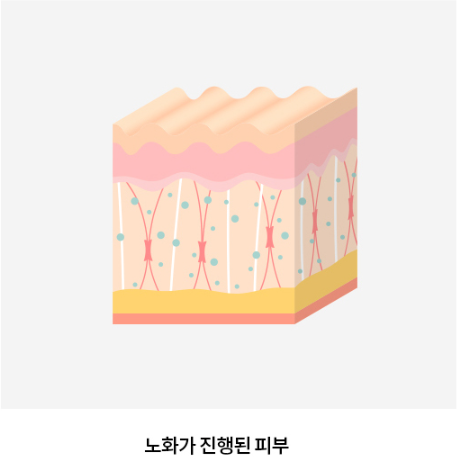
Image for easier understanding
In your 30s, loss of elasticity usually appears before actual “sagging.”
- The earliest changes you notice
• The area below the cheekbones looks slightly hollow
• Rather than the cheeks dropping, the facial contour becomes less defined
• Skin texture, pores, and fine lines start to become noticeable
• Surface elasticity decreases
- What kind of lifting feels natural
• Radiofrequency lifting (Thermage-type) → helps restore dermal elasticity
• Toning and laser regeneration → improves texture and tone
• Shurink (low- to medium-output HIFU) → light tightening + elasticity
- Features
In your 30s, sagging is usually a skin-layer issue, so in many cases there is no need for a strong lifting treatment that deeply stimulates the layer.
- 40s — The stage when sagging begins in earnest
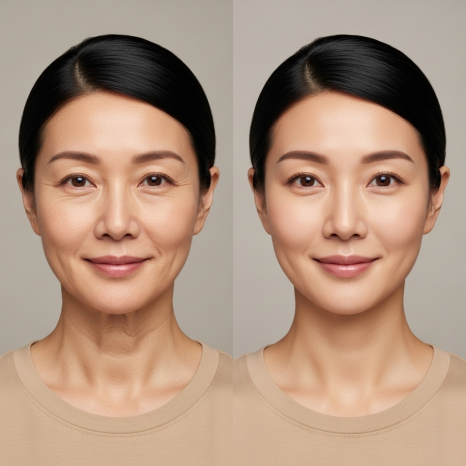
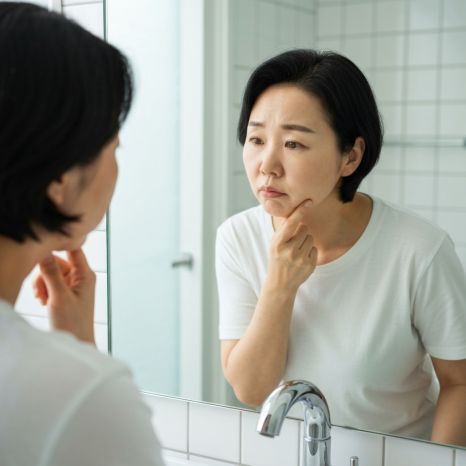
Mokdong lifting
In your 40s, loss of elasticity and structural sagging occur at the same time.
- The earliest changes you notice
• Shadows below the cheekbones
• The cheeks drop downward
• The jawline boundary becomes less defined
• Directional sagging (downward → inward)
- What kind of lifting feels natural
• Ulthera (HIFU) → improves sagging in the SMAS layer
• Shurink + radiofrequency combination → elasticity + tightening
• Initial thread lifting → when line correction is needed
- Features
In your 40s, both “elasticity” and “sagging” appear at the same time,
so rather than trying to solve everything with a single device, it is more natural to approach it by layer.
- 50s — The stage when fat, fascia, and skin layers are all affected together
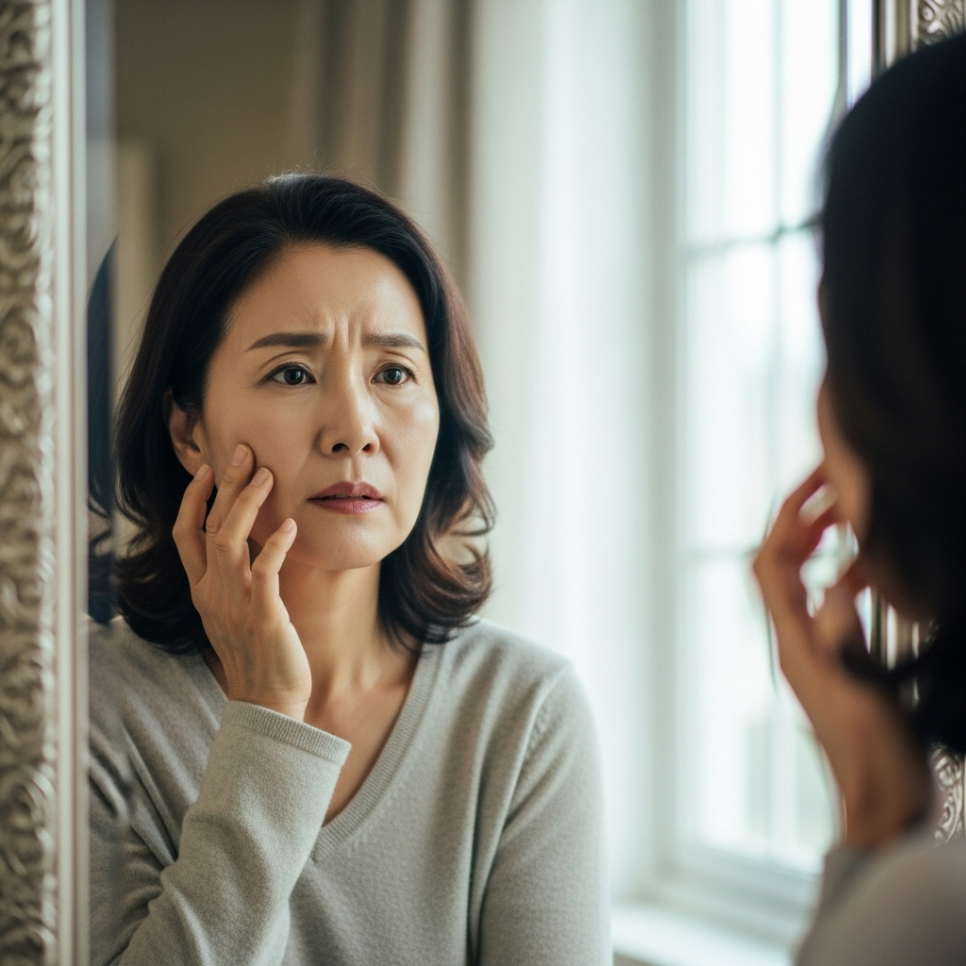
Mokdong lifting
After your 50s,
aging does not stay limited to a single layer
and multiple layers begin to change at the same time.
- The most common changes
• The area under the eyes and cheek hollows out and shifts downward
• Nasolabial folds and marionette lines deepen
• The boundary between the jaw and neck becomes unclear
• A feeling that the entire face is “gathering downward”
- What kind of lifting feels natural
• Combination of Ulthera + radiofrequency + thread lifting
• A stage where an initial facelift may be considered
• Combined improvement is needed for double chin fat + sagging
- Features
In your 50s, it is not just simple “tightening.”
A structural approach is needed to “lift upward / tidy sideways / organize the layers.”
In many cases, laser treatment alone is not enough.
- 60s — The stage when the share of structural lifting becomes larger
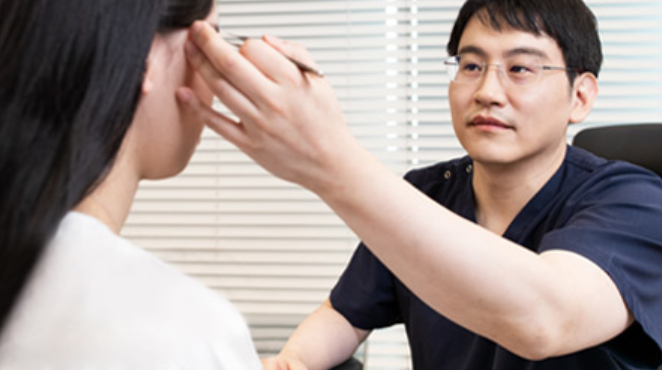

Mokdong lifting
In your 60s, the direction and depth of sagging
are clearly different from other age groups.
- The changes you notice most often
• The cheeks, jawline, and neck line appear to flow into one another
• More loose skin
• Fat redistribution (hollows + shifting)
• Increased overall heaviness in the face
- What kind of lifting feels natural
• Mainly mini facelift and facelift procedures
• Lasers play a supporting role (maintaining elasticity and aiding recovery)
• Thread lifting is applied minimally, without excessive pulling
- Features
The key point of lifting in your 60s is to create a “natural youthfulness.”
At this stage, a surgical approach that adjusts the skin, fat, and fascia at the same time is the most stable option.
- One key criterion that remains important regardless of age group
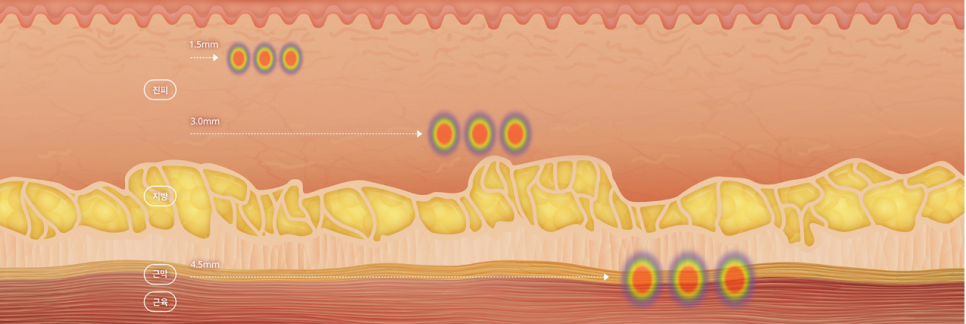
Image for easier understanding
No matter your age, the core of lifting is always the same.
- Which layer did aging start in?
• Is it a skin (dermis) issue?
• Is it a fat/volume issue?
• Is it a fascia (SMAS) issue?
• Or are all three happening at once?
Once you know this accurately,
people in their 30s, 40s, 50s, and 60s alike
can choose exactly what they need without unnecessary procedures.
It is difficult to judge these layers just by looking in the mirror,
and you need to actually move the face while observing it
for the direction of elasticity, fat, and fascia to become clear.
- Q&A: Questions most often asked in the clinic

Mokdong lifting
Q1. Is lifting too early in your 30s?
It is not so much too early as it is a different approach.
A focus on restoring elasticity rather than pulling is more natural.
Q2. Is Ulthera essential in your 40s?
It is not essential.
But if SMAS-layer sagging is visible, this is a stage where Ulthera becomes more effective.
Q3. Is thread lifting alone enough in your 50s?
If the sagging is deep, there are limits to using it alone,
and it is more natural to design the treatment by layer, dividing between laser, threads, and surgery.
Q4. Is a facelift absolutely necessary in your 60s?
Not necessarily.
But the deeper the structural sagging, the more stable a facelift becomes as an option.
Lasers are used for maintenance and support.
- In summary
Mokdong lifting
The phrase “Mokdong lifting for people in their 30s, 40s, 50s, and 60s” ultimately means that the layer where aging begins differs by age group.
• 30s → elasticity-focused
• 40s → elasticity + sagging
• 50s → combined fat, fascia, and skin changes
• 60s → structural lifting-focused
Age is only a reference point;
the accurate judgment is figuring out where the aging in your own face begins.
If that criterion is correct, then regardless of age,
you can achieve natural lifting without overdoing it.
▼What kind of lifting is celebrity lifting?▼