Mokdong Ulthera Recommendation: Which Face Shape
Suits It Most Naturally?
Mokdong Ulthera

Mokdong Ulthera
�
When consulting in Mokdong,
a question I hear very often is, “Will Ulthera suit me well too?”
�
In particular, more and more people lately first mention concerns such as their jawline suddenly looking collapsed in photos, shadows under the cheekbones becoming darker,
their face looking heavy.
�
Ulthera is often the first lifting treatment that comes to mind
when signs of sagging begin to appear,
�
but in reality, the starting point of aging differs from face to face, so there is a clear distinction between faces for which Ulthera is recommended and those for which it is not.
�
Today, following the same criteria we explain in the clinic,
let’s calmly organize which faces Ulthera suits naturally.
�
- Ulthera is less about the “pull” itself
and more about a lifting treatment that matches the depth
�
- Ulthera is especially suitable for faces like these
�
- On the other hand, there are faces for which Ulthera alone
is not enough
�
- Why Ulthera’s results differ from person to person
�
- Q&A: The questions most often asked in the clinic
�
-
To summarize
-
Ulthera is less about the “pull” itself and more about a lifting treatment that matches the depth
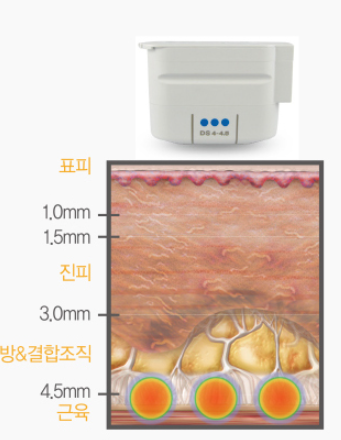
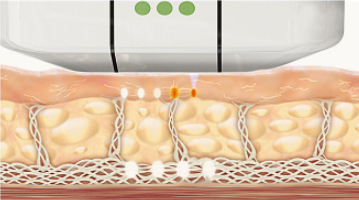
Image for illustrative purposes
�
Ulthera delivers ultrasound energy
deep into the skin, reaching the SMAS layer (the fascia layer),
and contracts sagging tissue.
�
Because this layer is the key support layer for the jawline and cheek line, if aging starts not at the surface but in the fascia layer, Ulthera’s lifting effect is felt more clearly.
�
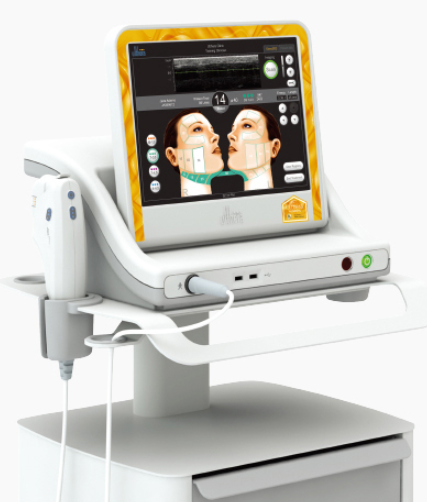
And because Ulthera allows the treatment depth to be checked directly with ultrasound,
whether it is delivered at the correct location determines the result.
�
This depth can never be known from a photo alone,
so skin thickness, fat layer, and fascia position must be checked in person.
�
- Ulthera is especially suitable for faces like these
Mokdong Ulthera
�
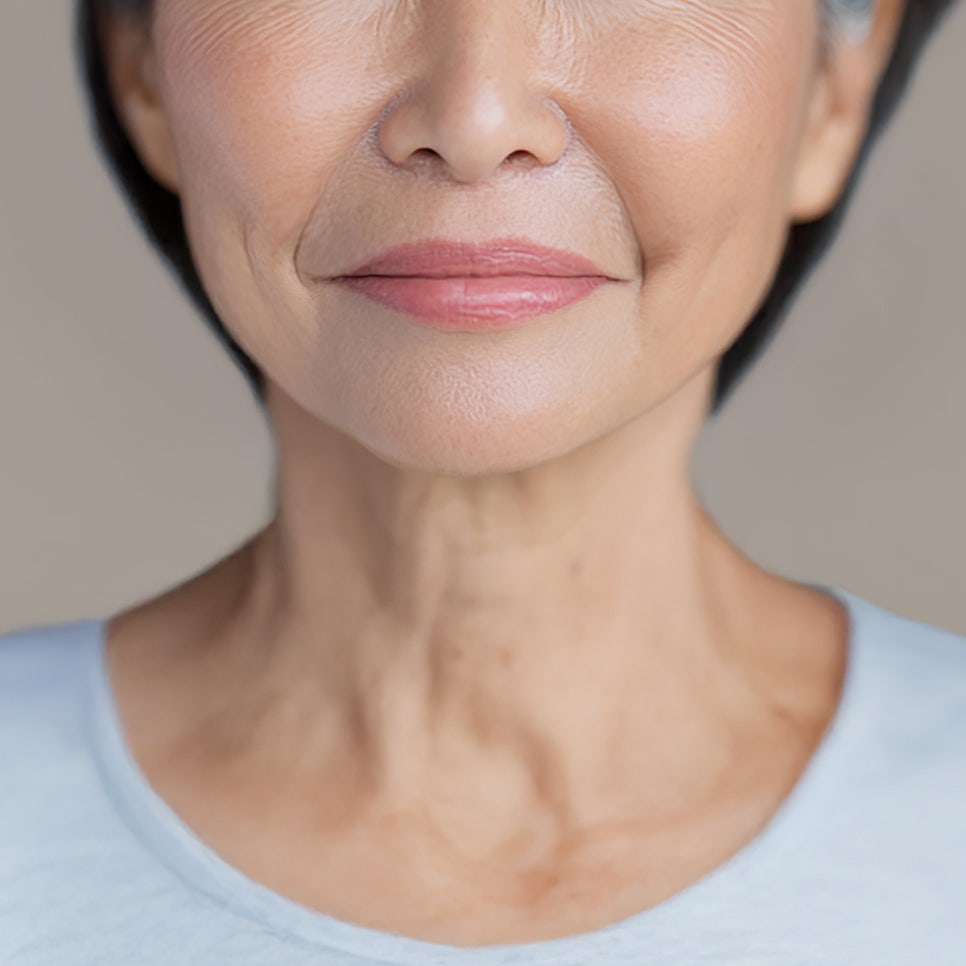
If two or three or more of the items below apply,
Ulthera is likely to help reduce the blur in the face.
�
• The cheeks below the cheekbones sag slightly and the shadows become deeper
�
• The jawline loses its definition and looks heavy downward
�
• Sagging appears before a loss of elasticity
�
• It feels less like fat has dropped and more like the structure has fallen downward
�
• You are looking for a lifting treatment with quick recovery
�
• You want a feeling of being more refined rather than a dramatic change
�
In most of these faces,
aging often begins first in the SMAS layer (the fascia layer).
�
- On the other hand, there are faces for which Ulthera alone is not enough
�
In the following cases,
another approach may look more natural than Ulthera alone.
�
- When there is a lot of cheek fat and it looks like a double chin
�
→ Fat control (fat dissolution, tightening) may come first.
�
- When sagging is deep enough that the jawline and neck line almost seem attached
�
→ A structural lift such as thread lifting or a facelift may be more stable.
�
- When the cheek volume is very small and strong output feels burdensome
�
→ Output adjustment or combination with another lifting treatment is needed.
�
- When elasticity loss, pores, or skin texture are the main concerns
�
→ A surface elasticity device may be more efficient.
�
Ulthera is not “a powerful lifting treatment for everyone”
�
It is “a lifting treatment precisely suited to faces where SMAS-layer sagging has begun.”
�
- Why Ulthera’s results differ from person to person

Previous image
Next image
Mokdong Ulthera
The reason the results and satisfaction levels differ,
even with the same Ulthera,
is that the layer where aging begins is different for each person.
�
• For some people, it is the dermis layer (surface elasticity)
�
• For some people, it is the fat layer
�
• For some people, it is the SMAS layer (the fascia layer)
�
If the layer is different, the required approach is completely different.
�
This is difficult to judge in the mirror,
and the thickness, fat layer, and fascia position must be checked by looking directly at the face to distinguish them accurately.
�
This difference determines whether Ulthera is suitable.
�
- Q&A: The questions most often asked in the clinic


Mokdong Ulthera
�
Q1. I heard Ulthera is very painful. Is that true?
�
Because it is a high-output device, it can feel intense,
but the burden can be reduced by adjusting the intensity by area.
�
Q2. I heard Ulthera can cause hollow cheeks?
�
Hollow cheeks are not caused by the device itself,
but by the combination of cheek fat amount + intensity + shot distribution.
�
For faces with little cheek volume, it can be sufficiently controlled with a conservative plan.
�
Q3. What is the difference from Shurink?
�
Shurink uses medium-to-low output and is suitable for elasticity care and light lifting.
�
Ulthera is closer to a lifting treatment that structurally addresses moderate sagging.
�
Q4. How long do the effects last?
�
In many cases, there is an immediate tightening effect + maintenance for about 6 to 12 months.
�
- To summarize

Mokdong Ulthera
�
Ulthera is a lifting treatment with a clearly defined “recommended face.”
�
• Shadows below the cheekbones
�
• Blurred jawline
�
• Structural sagging
�
For faces where these three signs are beginning to appear,
it becomes the most natural and reasonable choice.
�
The key is not whether Ulthera is a good device,
but accurately reading which layer the sagging in my face is starting from.
�
When that standard is correct,
Ulthera can be expected to provide a clear lifting effect without being excessive.
�
▼Ulthera, Shurink. Which lifting treatment is right for me?▼
�