Sleep-Anesthesia Lifting,
Who Is It the Right Choice For?
Sleep-Anesthesia Lifting

Sleep-Anesthesia Lifting
When consulting about lifting,
a question often comes up before the effects do.
"I heard it hurts."
"Do I need sleep anesthesia too?"
Especially when considering lifting procedures like Ulthera or Thermage,
which stimulate deeper layers of the skin, concerns about pain naturally grow.
That is why more and more people are recently considering sleep anesthesia together with lifting procedures.
But sleep anesthesia is not a necessary choice for every lifting treatment.
-
Why does lifting pain feel different from person to person?
-
When to consider sleep-anesthesia lifting
-
Does sleep anesthesia affect results?
-
Sleep-anesthesia lifting: questions you should definitely ask
-
Frequently asked questions
-
In closing
-
Why does lifting pain feel different from person to person?
Sleep-Anesthesia Lifting
Even with the same procedure, some people say, "It was better than I expected," while others feel, "It was really tough."
The reason is simple.
Lifting pain is an area with a large degree of individual variation.
• Skin thickness
• Amount of facial fat
• Treatment area (jawline, cheekbones, eye area, etc.)
• Pain sensitivity
• Tension and anxiety
When these factors overlap,
pain can feel more intense.
So rather than dividing lifting pain into
"bearable / unbearable,"
it is more important to first look at which side you are closer to.
2. When to consider sleep-anesthesia lifting
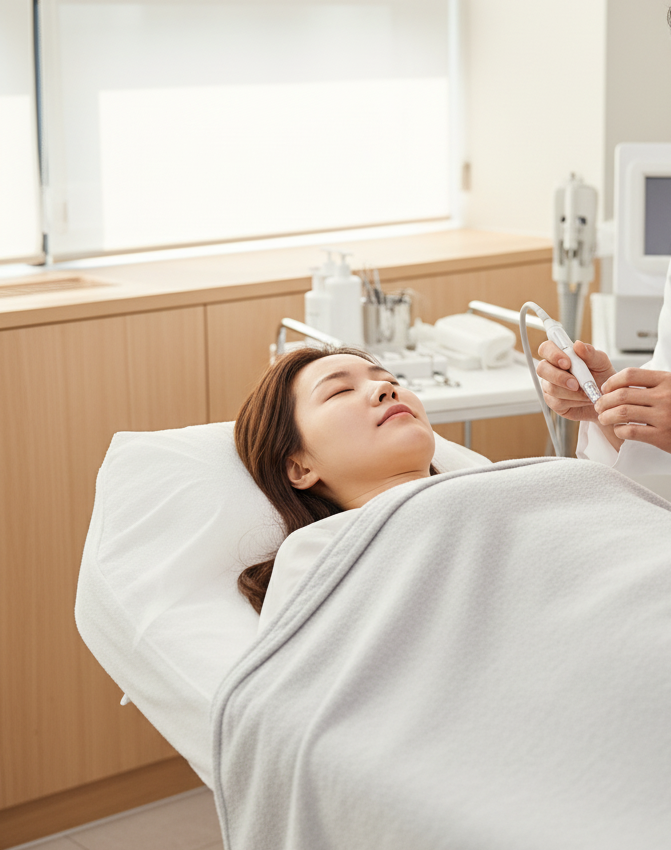
Sleep-Anesthesia Lifting
In a lifting consultation,
sleep anesthesia may be worth considering if any of the following apply:
• If you are very afraid of pain
• If a previous lifting procedure was difficult for you
• If the procedure focuses on sensitive areas such as the jawline or eye area
• If high-intensity lifting is needed
• If you are very tense and tend to strain your body during the procedure
In these situations, sleep anesthesia is not just an option chosen "for comfort,"
but can also be a way to help the procedure proceed steadily to the end.
On the other hand, in the following cases,
a procedure without sleep anesthesia is often sufficient.
• If you can tolerate pain to some extent
• If the lifting intensity is not high
• If the procedure focuses on relatively less sensitive areas
• If pain was not a major burden in previous procedures
In these cases, sufficient satisfaction may be achieved with local anesthesia or pain control alone.
3. Does sleep anesthesia affect results?
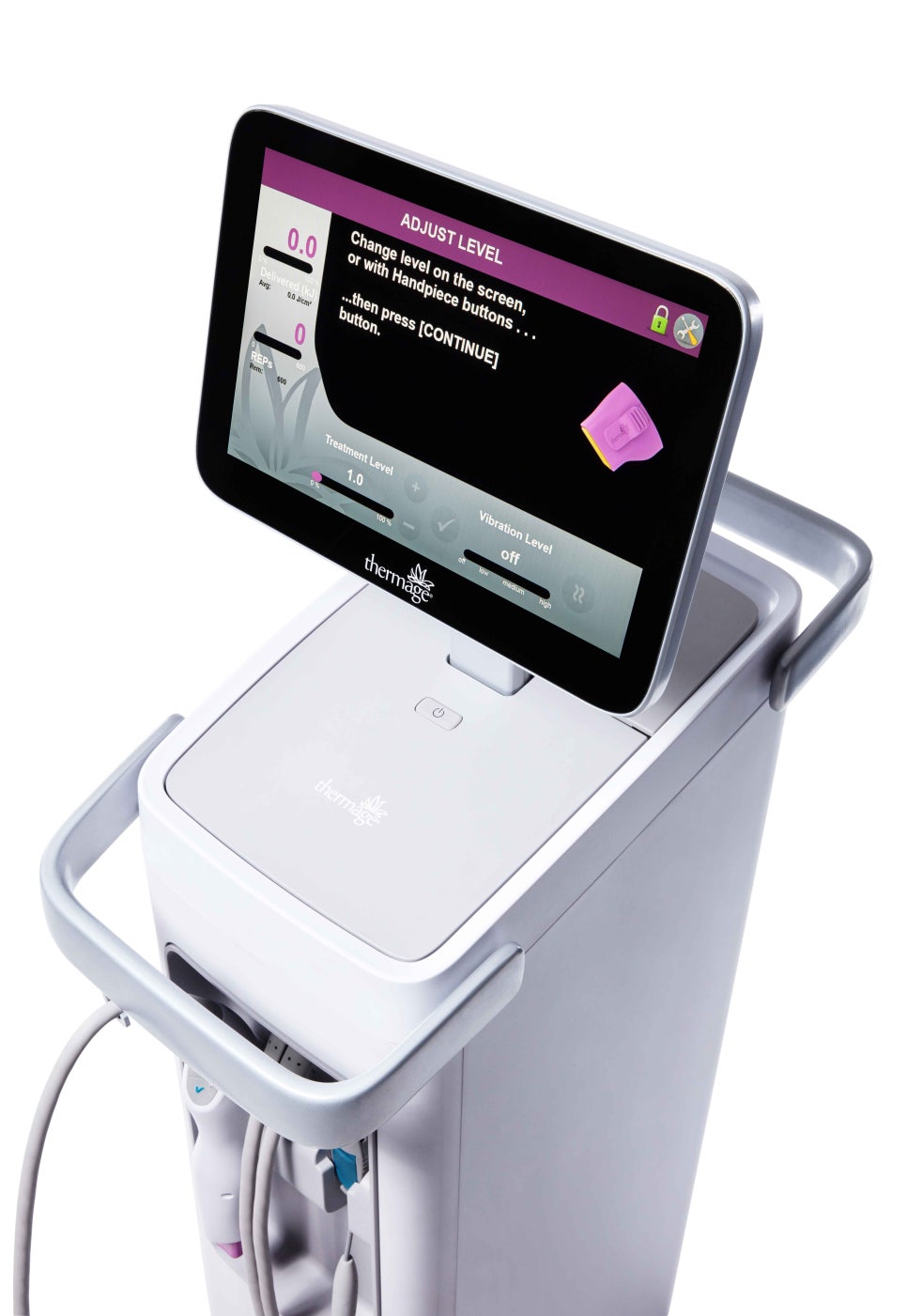
Thermage FLX, a representative lifting device
This is one of the most common questions.
Sleep anesthesia does not reduce the effects of lifting.
In fact, by reducing pain and tension,
it can often help maintain the planned range and intensity through to the end.
What matters is
not the anesthesia itself,
but whether the procedure is performed in a way that suits your condition.
- Sleep-anesthesia lifting: questions you should definitely ask
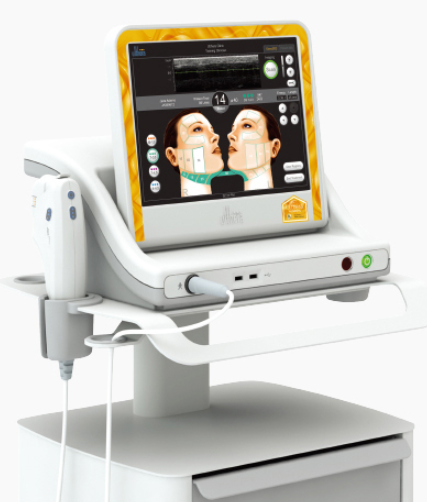
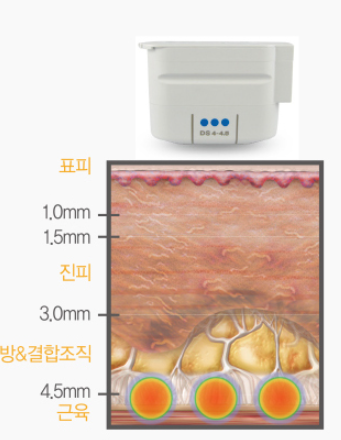
Ulthera, a representative lifting device
In a lifting consultation,
the questions below should come up.
• How intense is my lifting treatment?
• Does it include sensitive areas?
• Is pain control alone enough in my case?
• Could sleep anesthesia actually be unnecessary?
Once the answers to these questions are organized,
the decision about sleep anesthesia will also naturally become clearer.
- Frequently asked questions

Sleep-Anesthesia Lifting
Q. Is sleep anesthesia safe?
After thoroughly checking your individual condition,
it is performed only when necessary.
It is not a choice that applies to every procedure.
Q. Does recovery take longer if I use sleep anesthesia?
In most cases, no.
There are often no major differences from the recovery of the procedure itself.
Q. Do I need sleep anesthesia in order to get lifting?
No.
It is only one of the available options,
and it is not necessary in many cases.
6. In closing
Sleep-Anesthesia Lifting
Sleep-anesthesia lifting is
neither something chosen because "I'm too scared,"
nor a process that is absolutely required.
What matters is
knowing what condition you are in, and which approach is the most stable.
A lifting procedure should not be a process of enduring pain,
but a process that can be completed comfortably to the end.
During consultation, it is a good idea to discuss not only the type of procedure,
but also pain and anesthesia methods together.
In that process, the choice that suits you is often sorted out naturally.
▼There are people for whom Ulthera is not suitable▼