How to Reduce Lifting Pain in Mok-dong,
It Makes a Difference If You Know This in Advance
Mok-dong lifting pain

Mok-dong lifting pain
Among those considering lifting,
many worry about something before they even think about the results.
“Isn’t it supposed to hurt?”
“Do I just have to put up with it?”
When consulting about lifting in Mok-dong,
many people hesitate because of pain,
or start the procedure already tense even if they do go through with it.
But lifting pain
is not something you simply have to endure,
and if you know what to expect in advance, it is something that can be reduced.
-
Why does lifting pain vary from person to person?
-
How to reduce Mok-dong lifting pain ①
-
How to reduce Mok-dong lifting pain ②
-
How to reduce Mok-dong lifting pain ③
-
How to reduce Mok-dong lifting pain ④
-
How to reduce Mok-dong lifting pain ⑤
-
Lifting pain: when you definitely need a consultation
-
Frequently asked questions
-
In closing
-
Why does lifting pain vary from person to person?
Mok-dong lifting pain
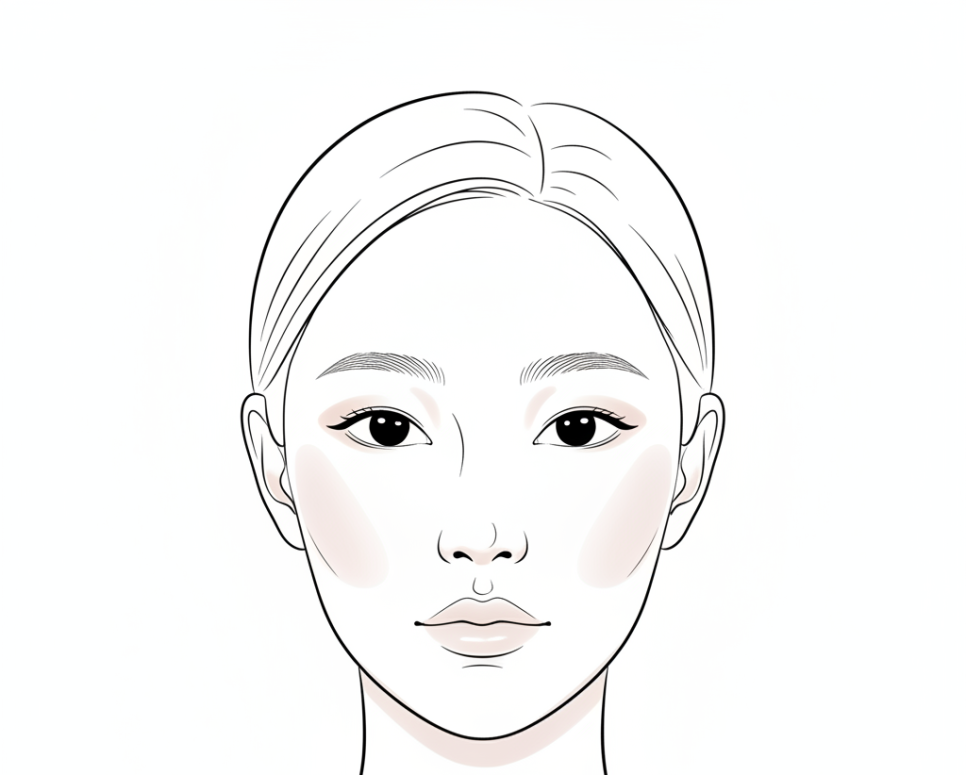
Lifting pain is not just a matter of the procedure itself.
Several factors work together.
• Skin thickness and elasticity
• Amount of facial fat
• Treatment area (jawline, cheekbones, around the eyes, etc.)
• Pain sensitivity
• Level of tension during the procedure
So even with the same lifting treatment,
one person may think, “It’s not as bad as I expected,”
while another may say, “That was tough.”
- How to reduce Mok-dong lifting pain ①
Mok-dong lifting pain
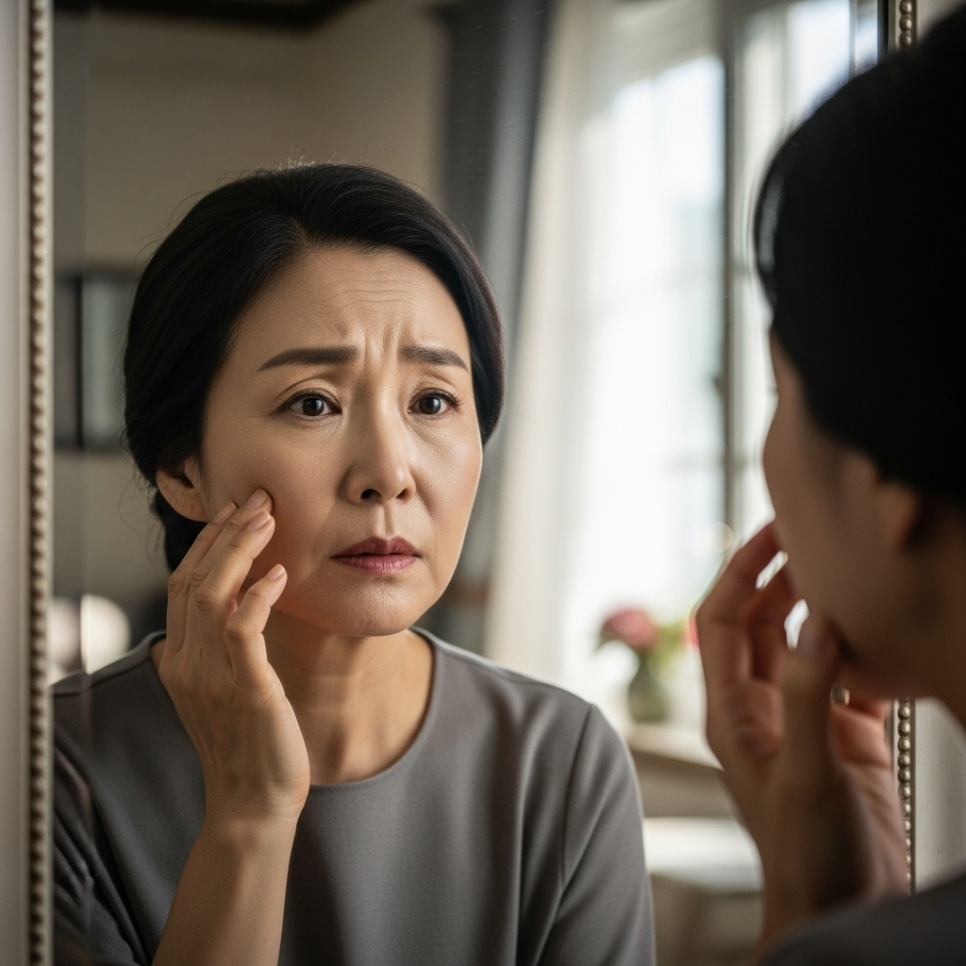
First, know your own facial condition accurately.
The first step to reducing pain
is not the anesthesia method, but understanding your facial condition properly.
• Is the skin on the thin side?
• Is the procedure focused on sensitive areas?
• Is a higher intensity needed?
If these criteria are not sorted out first,
it is difficult to adjust pain control precisely.
- How to reduce Mok-dong lifting pain ②
Previous image
Next image
Image for illustration purposes
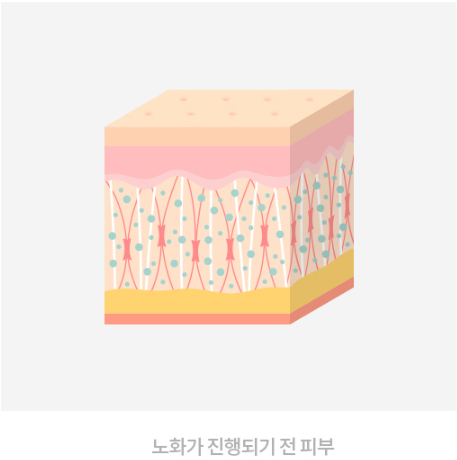
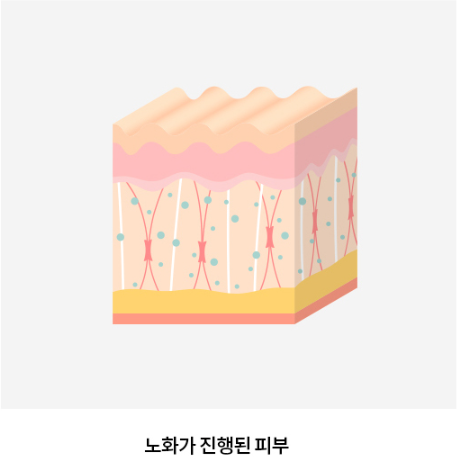
Do not simply do it as strongly as possible.
The effect of lifting is not determined by “strength” alone.
If energy is applied more strongly than necessary,
pain only increases, and in fact the results may get worse
due to tension during the procedure.
Setting the right intensity and range for your condition
is the key to managing pain and results at the same time.
- How to reduce Mok-dong lifting pain ③
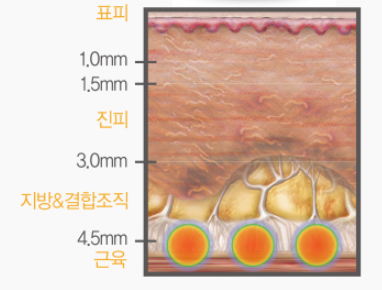
Image for illustration purposes
Consider differences in pain by area.
Lifting does not feel the same across the entire face.
• Jawline, cheekbones, around the eyes → more sensitive to pain
• Central cheeks, lower face → relatively less burden
That is why it is important to adjust speed and intensity in areas where pain is stronger.
Rather than doing the whole treatment all at once,
a step-by-step approach by area
can help reduce the burden of pain.
- How to reduce Mok-dong lifting pain ④
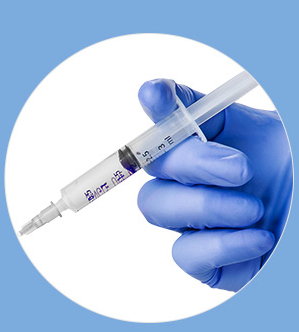
Mok-dong lifting pain
Use anesthesia as an option.
Anesthesia is a means of reducing pain,
not the essence of the procedure.
• Local anesthesia
• Pain control
• Sedation anesthesia
Which method is right depends on
pain sensitivity and the treatment plan. In particular, if you have a strong fear of pain or
need a higher-intensity lifting procedure,
considering sedation anesthesia together may be one option.
- How to reduce Mok-dong lifting pain ⑤

Mok-dong lifting pain
Relax your body during the procedure.
Unexpectedly, many people struggle more with tension than with pain itself.
• Clenching their teeth
• Tensing their hands
• Keeping their body stiff
When this happens, the pain stimulus can feel stronger.
Listening to a full explanation before the procedure
and calming your breathing alone can
make a noticeable difference in how pain is perceived.
- Lifting pain: when you definitely need a consultation

Mok-dong lifting pain
• If a previous procedure was difficult because of pain
• If you are considering lifting on thin skin
• If you are planning lifting mainly around the eyes or jawline
• If you are even considering sedation anesthesia
In cases like these, rather than asking whether you can “put up with it,”
it is better to first get a consultation on which approach is right for you.
- Frequently asked questions

Mok-dong lifting pain
Q. Is lifting normally a painful procedure?
There is a big individual difference.
In many cases, pain burden can be reduced by preparing in advance.
Q. If pain is reduced, does the effect also decrease?
No.
In many cases, the right intensity and method actually help the result.
Q. Is sedation anesthesia necessary?
It is not required.
It is an optional choice depending on your condition.
- In closing

Mok-dong lifting pain
Mok-dong lifting pain is not something you have to endure no matter what.
If you know about it in advance and prepare appropriately, it is something that can be managed.
If you are considering lifting, do not look only at the results;
you also need a consultation that discusses how to manage pain.
Lifting that is done comfortably often leads to results you can be satisfied with as well.
▼The truth and misconceptions about Ulthera cheek hollowing▼