Ulthera and Thread Lifting in Mok-dong,
Would they be more effective if done together?
Ulthera and Thread Lifting in Mok-dong

Ulthera and Thread Lifting in Mok-dong
Table of Contents
-
Medical definition of Ulthera and Thread Lifting in Mok-dong
-
Why do many people in Mok-dong consider this combination?
-
There are definitely cases where Ulthera alone is enough
-
When does disappointment remain even after Ulthera?
-
The key reason to consider Ulthera + Thread Lifting together
-
Q&A: The questions most often asked in real life
-
Medical definition of Ulthera and Thread Lifting in Mok-dong

Ulthera and Thread Lifting in Mok-dong
Considering Ulthera and thread lifting together in Mok-dong does not mean using two lifting methods that play different roles at the same time.
Rather, it refers to a “structural judgment” based on the premise that the layers where aging has begun may be different.
-
Ulthera: contracts the SMAS layer to address the “deep cause” of sagging
-
Thread lifting: physically “repositions” tissue that has already moved
In other words, the two procedures are not in competition; they are tools that address different problems.
- Why do many people in Mok-dong consider this combination?




Previous image
Next image
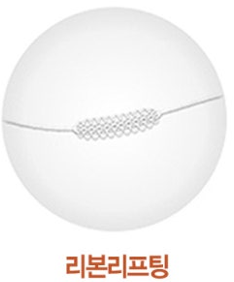
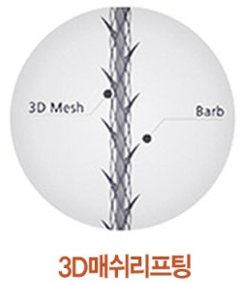
Various thread lifting methods
Mok-dong is a densely populated residential area, so many people notice that their facial contours start to look less defined even without any weight change.
In actual consultations, the common pattern is this:
• I had Ulthera,
→ the skin became firmer,
→ but the jawline or cheek position does not look much different
• If I just maintain it,
→ there is still a feeling that the face is “pulled downward”
In cases like this, the question naturally arises:
“Is Ulthera alone enough?”
- There are definitely cases where Ulthera alone is enough

Ulthera and Thread Lifting in Mok-dong
First, it is important to distinguish cases where they do not need to be done together.
If the following apply, Ulthera alone often produces sufficient change.
• When sagging has not been present for very long
• When the main issues are reduced skin elasticity + relaxation of the SMAS layer
• A face where fat migration is not significant and the cheek position is relatively maintained
• When the feeling of “looseness” is stronger than the feeling of “drooping downward”
At this stage, even if thread lifting is performed at the same time, the change may not feel large.
- When does disappointment remain even after Ulthera?
Previous image
Next image
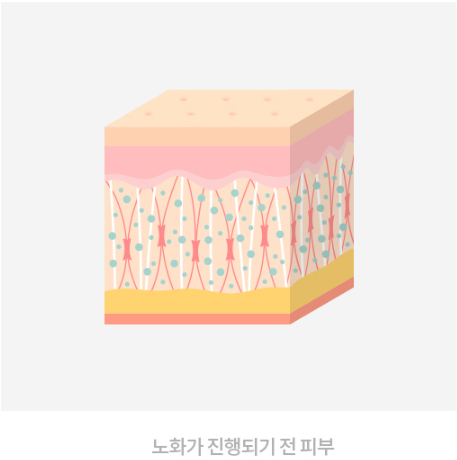
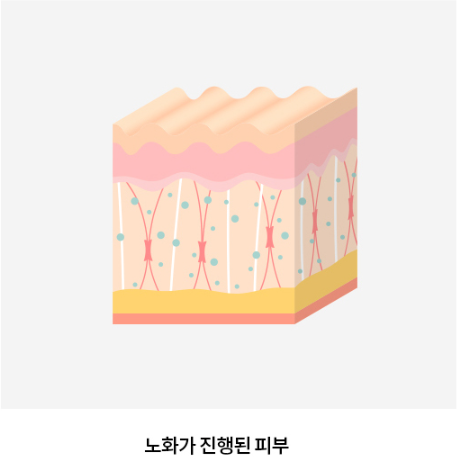
Image for explanation
If the following signs overlap, it may be a stage where SMAS contraction alone is not enough.
• The cheeks below the cheekbones have already moved downward
• The jawline has become blurred, and the skin does not seem to adhere upward
• When not smiling, the face looks pulled downward
• After Ulthera, it feels firmer, but the “lifted” feeling is weak
In this case, the problem is not only the elasticity of the SMAS, but also the fact that the tissue itself has shifted.
At this point, thread lifting is not an “additional procedure,”
but an option that addresses a different problem.
- The key reason to consider Ulthera + Thread Lifting together
Ulthera and Thread Lifting in Mok-dong
The reason this combination is discussed is simple.
-
Ulthera is a procedure that reduces the force causing sagging
-
Thread lifting is a procedure that repositions already descended structures upward
To summarize:
• Ulthera → “to keep it from dropping further”
• Thread lifting → “to tidy up what has already dropped”
Therefore,
The standard for considering both procedures together is not to “maximize the effect,” but because the stages of aging involve more than one layer.
- Q&A: The questions most often asked in real life

Ulthera and Thread Lifting in Mok-dong
Q. If Ulthera and thread lifting are done together, does the effect last longer?
A. It cannot simply be stated that it “lasts longer.”
However, when the causes of sagging are complex,
there are many cases where satisfaction increases when each cause is addressed separately.
Q. Do the two procedures have to be done at the same time?
A. No.
It is also common to observe the response after Ulthera
and consider thread lifting later if needed.
Q. Can thread lifting be done first and Ulthera later?
A. It depends on the case.
If SMAS elasticity is too weak,
it may be more stable to first organize the foundation with Ulthera.
[Doctor’s note / Key summary]
The standard for considering
Ulthera and thread lifting together
is not “to maximize the effect,”
but when the cause of sagging is not limited to a single layer.
▼Stories about lifting and skin sagging▼
This content is material intended to provide
general medical information about lifting procedures,
and diagnosis and treatment approaches may vary depending on the individual’s condition.
An accurate judgment should be made through a medical consultation at a healthcare institution.