When considering lifting in Mok-dong
Why Ulthera Is Mentioned
Mok-dong Lifting

Most people who search for “lifting” in Mok-dong are not initially looking for a specific procedure.
In most cases, they first notice changes such as:
• The jawline looks less defined than before
• Shadows appear below the cheekbones
• The face feels like it looks longer overall and droops downward
During this process, the word that naturally comes up is “Ulthera.”
Today, we’ll organize the reasons why Ulthera is mentioned whenever people consider lifting.
-
The point at which the word lifting starts to come up first
-
When thinking about lifting, you start to think about the “structure” rather than just the “skin layer”
-
Ulthera is a procedure explained in the context of “lifting”
-
Typical situations in which Ulthera is mentioned
-
Not every lifting concern leads to Ulthera
-
Q&A: Frequently asked questions when searching for lifting and Ulthera together
-
The point at which the word lifting starts to come up first
Mok-dong Lifting
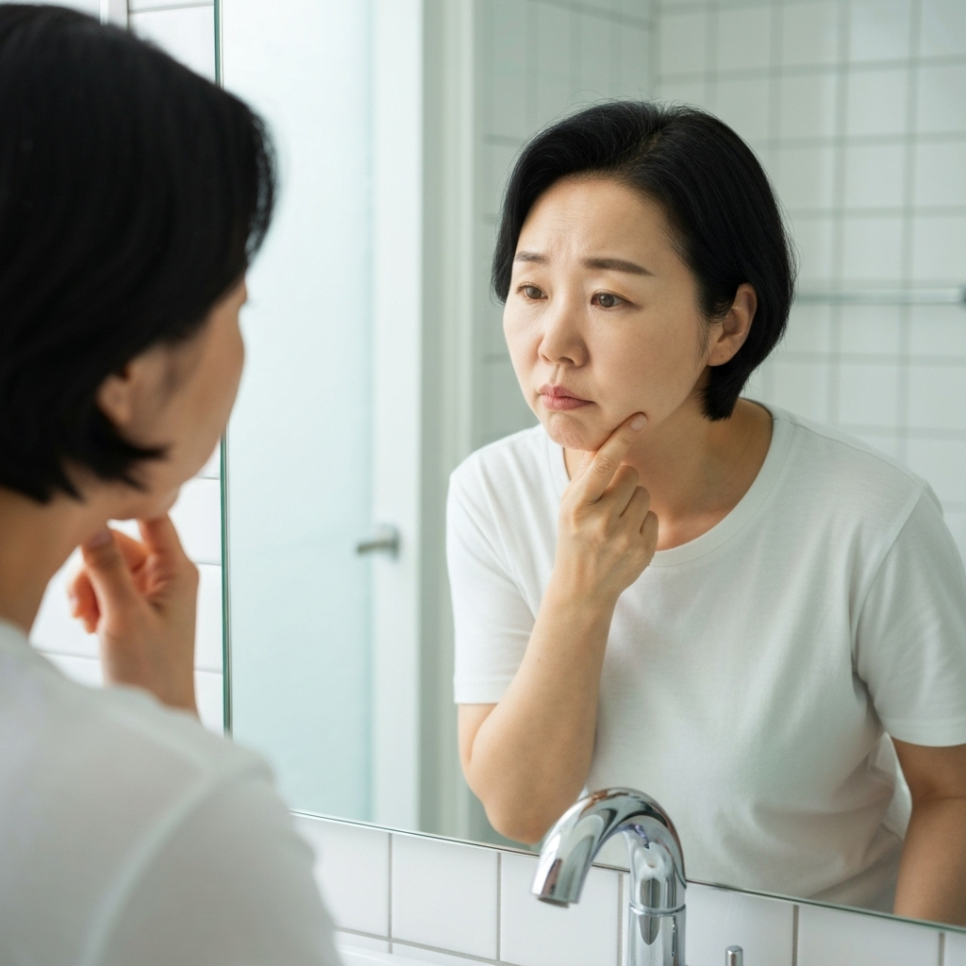
The word “lifting” appears more often when facial contours begin to fade than when wrinkles first appear.
In particular, if changes like the following are noticeable, it becomes hard to explain them as simple skin care:
• The face looks heavy even though there has been no weight change
• The jawline boundary looks like it has disappeared in photos
• You look more tired when you are not smiling
At this stage, people begin to ask, “Is my skin sagging?” and that question leads to lifting.
- When thinking about lifting, you start to think about the “structure” rather than just the “skin layer”
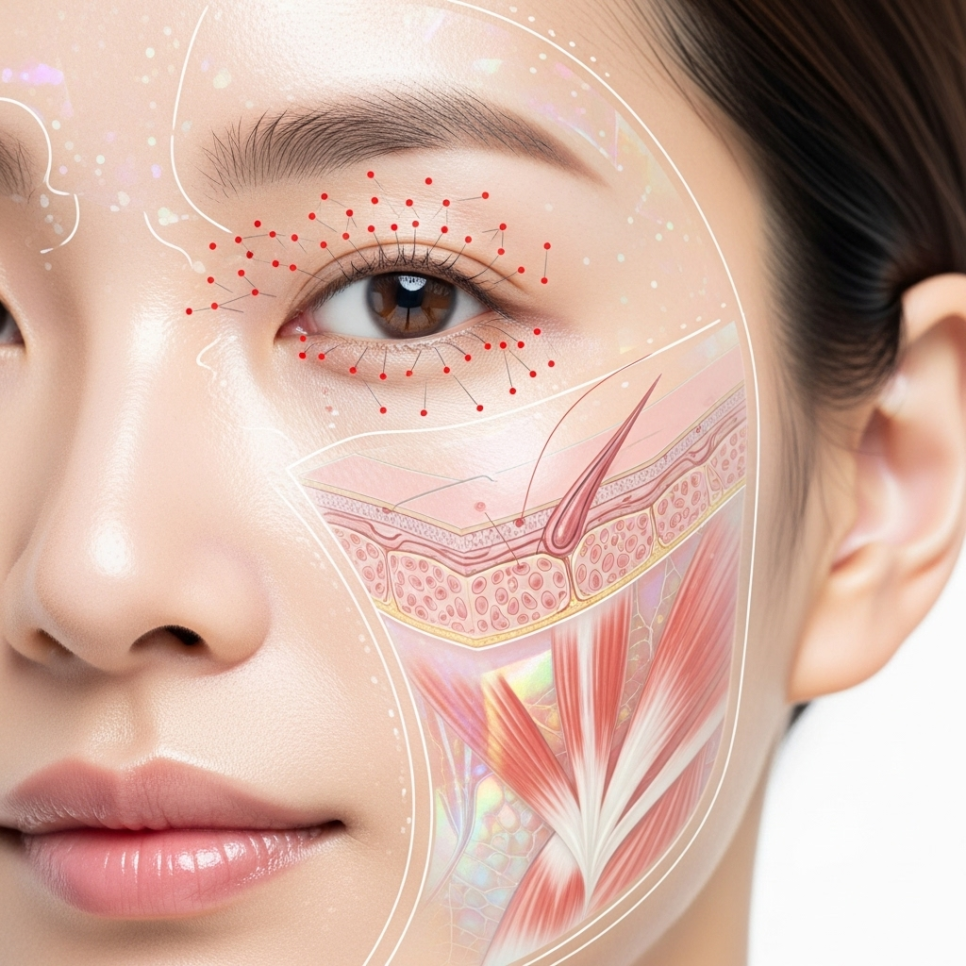
Image for reference
Skin changes can be broadly divided into two directions.
• Loss of elasticity: centered on skin texture, pores, and fine lines
• Structural changes: centered on cheek position, jawline, and facial contour
A loss of elasticity can be felt to some extent through cosmetics or care routines, but the feeling that the contour is collapsing makes you suspect changes in deeper layers rather than the skin surface.
From that point on,
“Which area should be pulled?” becomes a question, and the word Ulthera naturally appears.
- Ulthera is a procedure explained in the context of “lifting”
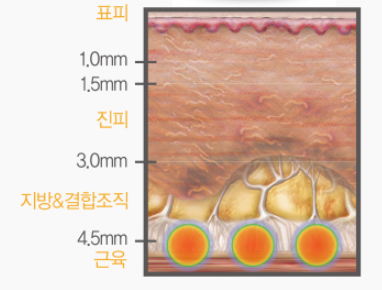
Image for reference
Ulthera is known as a method that uses ultrasound energy to stimulate the SMAS layer beneath the skin.
What matters here is that Ulthera is not a solution for every skin issue,
but rather an option that is discussed when structural sagging is suspected.
In other words, Ulthera is:
• not a procedure mentioned when the skin is dry
• often mentioned when you feel that the face’s support structure has loosened
That is why, in the process of considering lifting, Ulthera always appears not as the subject, but as the object of explanation.
- Typical situations in which Ulthera is mentioned
Mok-dong Lifting
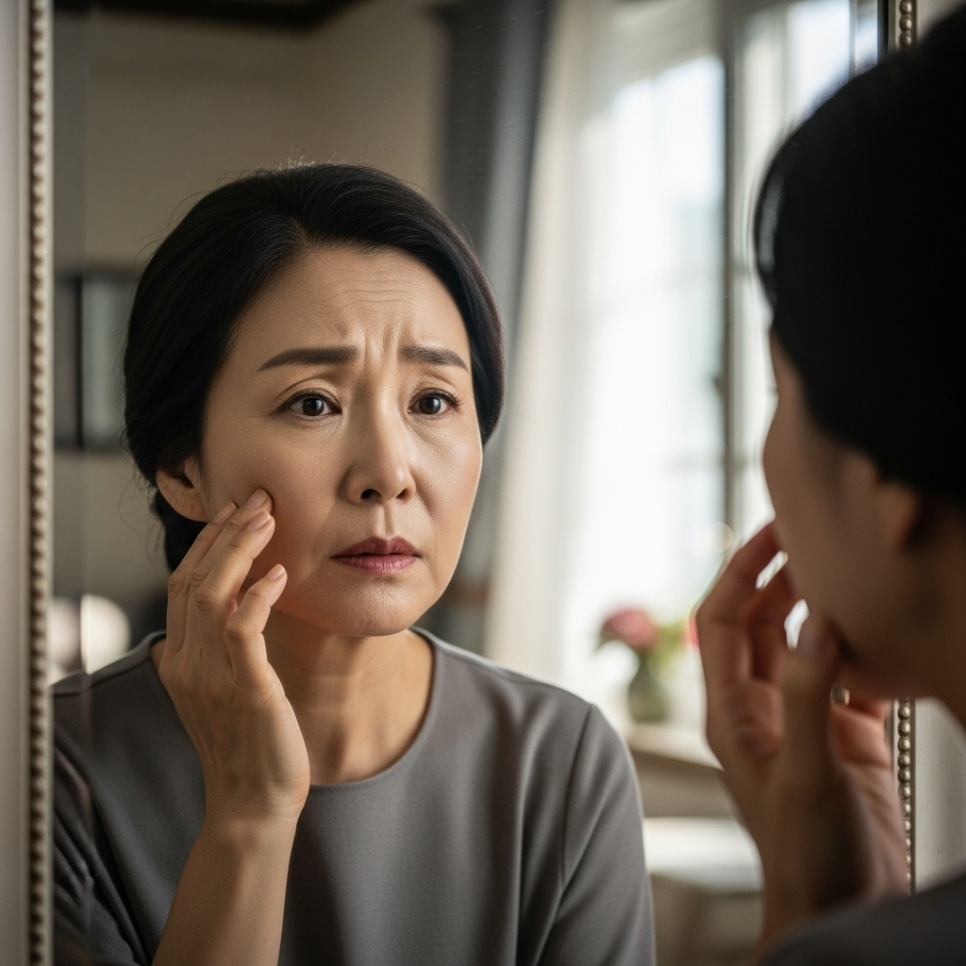
When concerns like the following overlap,
the word Ulthera naturally comes up.
• When the cheeks feel like they have moved downward
• When the jawline becomes blurred and the face looks larger
• When “position changes” are felt before a loss of elasticity
• When you feel that care routines have reached their limit
These situations are often related more to fat movement or changes in the SMAS layer than to the skin surface.
- Not every lifting concern leads to Ulthera
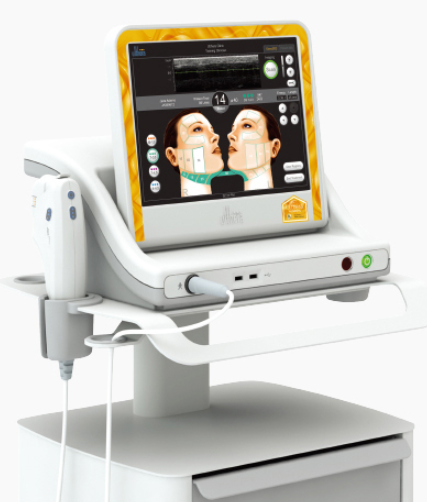

Mok-dong Lifting
The important point is that
just because you are considering lifting,
does not always mean Ulthera is necessary.
• If the main issue is skin texture or loss of elasticity
→ another approach may be considered first
• If there is not much change in contour
→ many cases remain at the care stage
So it is more accurate to understand Ulthera as a procedure explained only at a certain stage within the broader category of “lifting.”
- Q&A: Frequently asked questions when searching for lifting and Ulthera together
Q. If I’m considering lifting, do I have to get Ulthera?
A. No. The concern of lifting has many stages, and Ulthera is mentioned only in some of them.
Q. Why is Ulthera always mentioned together with lifting?
A. Because Ulthera is a procedure used to explain structural changes rather than changes on the skin surface.
Q. Is there a point when care routines are no longer enough?
A. Once the contour becomes blurred and position changes are felt, care alone often becomes harder to notice.
Key Summary
Ulthera is not a procedure that you must absolutely get when considering lifting,
but rather one option that is discussed when the direction of facial change shifts toward the structure.
▼ Curious about Thermage lifting? ▼
This content is material provided to offer general medical information about lifting and Ulthera procedures,
and the approach may vary depending on an individual's skin condition and stage of aging.
An accurate judgment should be made through a medical consultation at a healthcare institution.