Mok-dong thread lifting, before maintenance duration
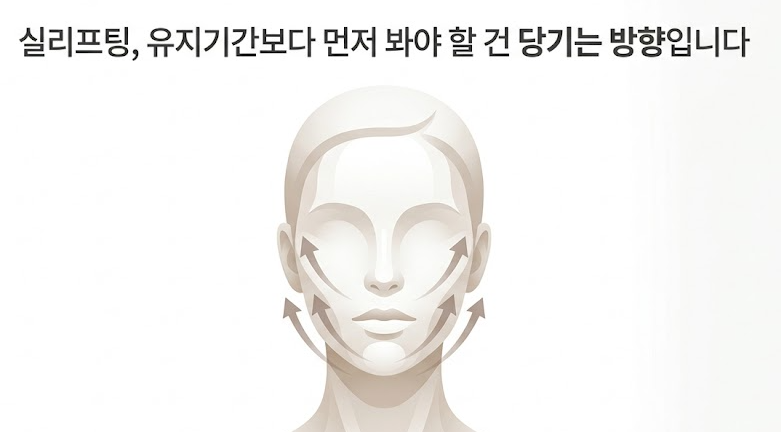
What you should look at first is the direction of pull
Thread lifting
Thread lifting
This is an AI-generated image created to help with understanding.
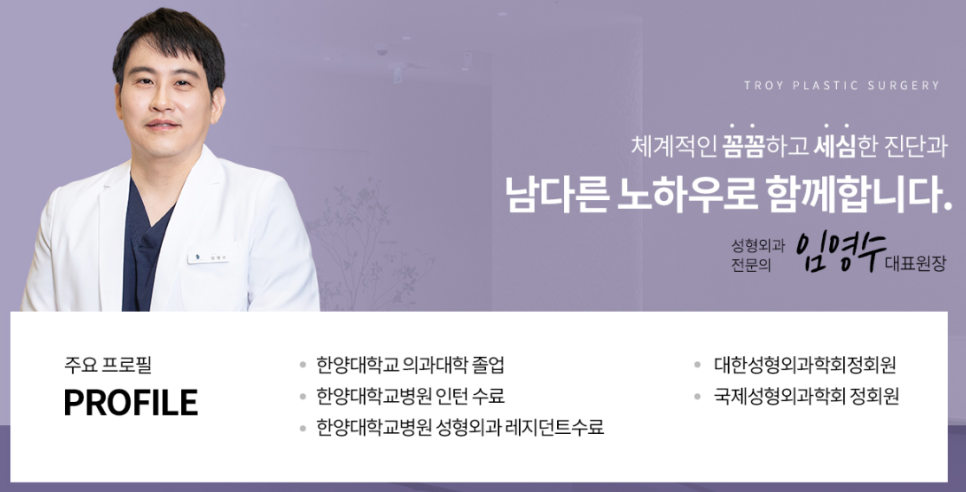
Hello, this is Im Young-soo, chief director of Troy Plastic Surgery.
When I listen to people who come in for consultations about Mok-dong thread lifting,
“I heard thread lifting loosens up quickly. Is it still okay?”
“Is it more effective than laser?”
“I don’t want anything as burdensome as a facelift, but I’d still like to feel like things are a bit more defined.”
There are really a lot of concerns like these.
But when many people look at thread lifting, they start by focusing only on how long it lasts.
My view is a little different.
With thread lifting, what should come first is not how many months it lasts, but which direction the face is sagging now, and how to guide that direction naturally.
-
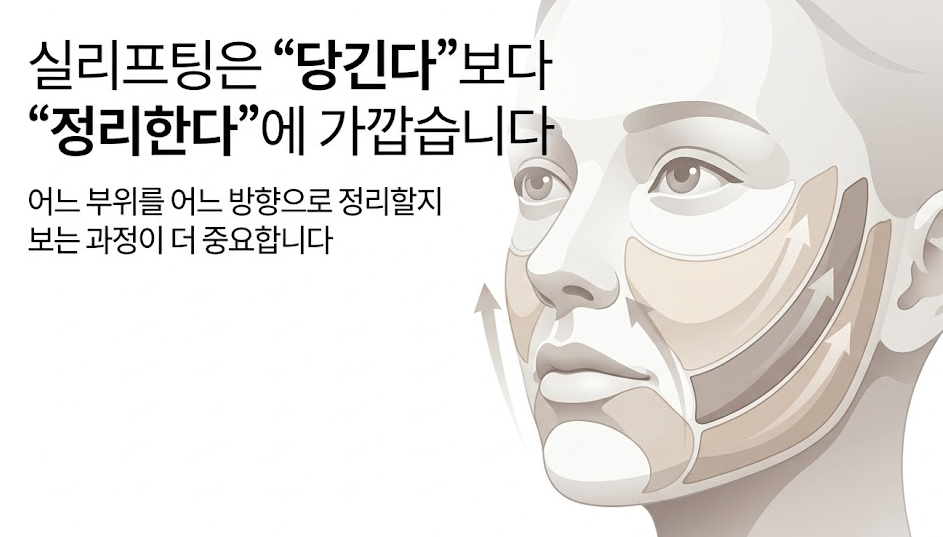
Thread lifting is closer to “refining” than “pulling”
-
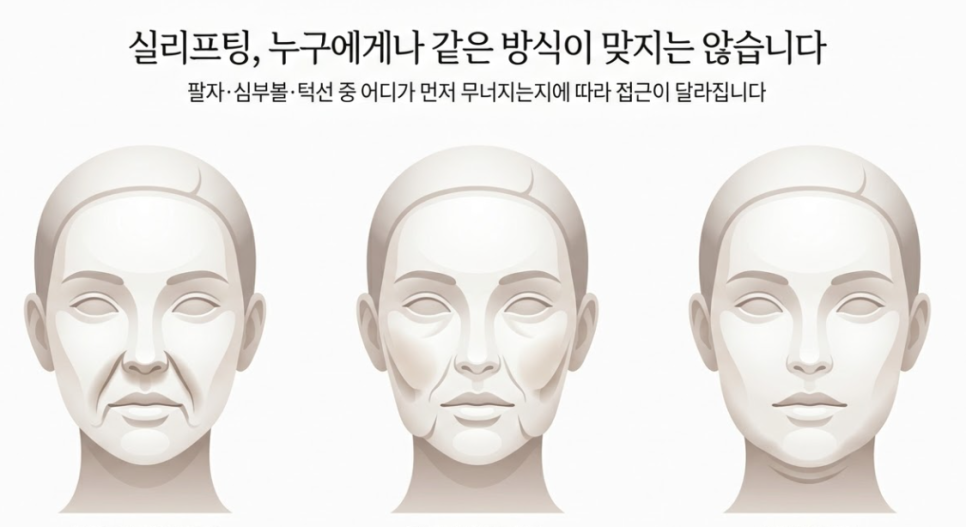
Mok-dong thread lifting is not suited to everyone in the same way
-
If the maintenance period feels disappointing,
it is often because the diagnosis, not the thread, was shaky from the start
- Before a Mok-dong thread lifting consultation,
just organize these three things
-
Q&A
-
Closing
-
Thread lifting is closer to “refining” than “pulling”
Thread lifting
This is an AI-generated image created to help with understanding.
If you think of thread lifting simply as a procedure that pulls the face upward, your expectations may be off.
In reality, the more important process is deciding in which direction to organize the sagging tissue, where to apply force, and which areas should not be pulled too much.
The question I hear most often in the clinic is,
“Nasolabial folds are showing and my jawline has become blurry too. Can’t we just pull a lot?”
That is not the case.
Even within the same Mok-dong thread lifting consultation, some people have the nasolabial area as the main issue, while for others the lower cheeks and jawline are what collapse first.
If this difference is ignored, even if the face seems lifted right after the procedure, the expression may look unnatural, or the person may feel that the change is not what they wanted.
- Mok-dong thread lifting is not suited to everyone in the same way
Thread lifting
This is an AI-generated image created to help with understanding.
There are generally cases where thread lifting works well.
These are usually cases where the skin is not yet severely loose, but the face looks heavy because of cheek sagging or a blurred jawline.
On the other hand, if there is a lot of excess skin and deep wrinkles have progressed for a long time, it may be difficult for thread lifting alone to meet expectations.
There is a reason I explain this in advance.
It is not that thread lifting is bad, but that the faces it suits and the faces it does not suit are clearly different.
In the end, what matters is not “Is thread lifting famous?” but “What stage is my sagging at right now?”
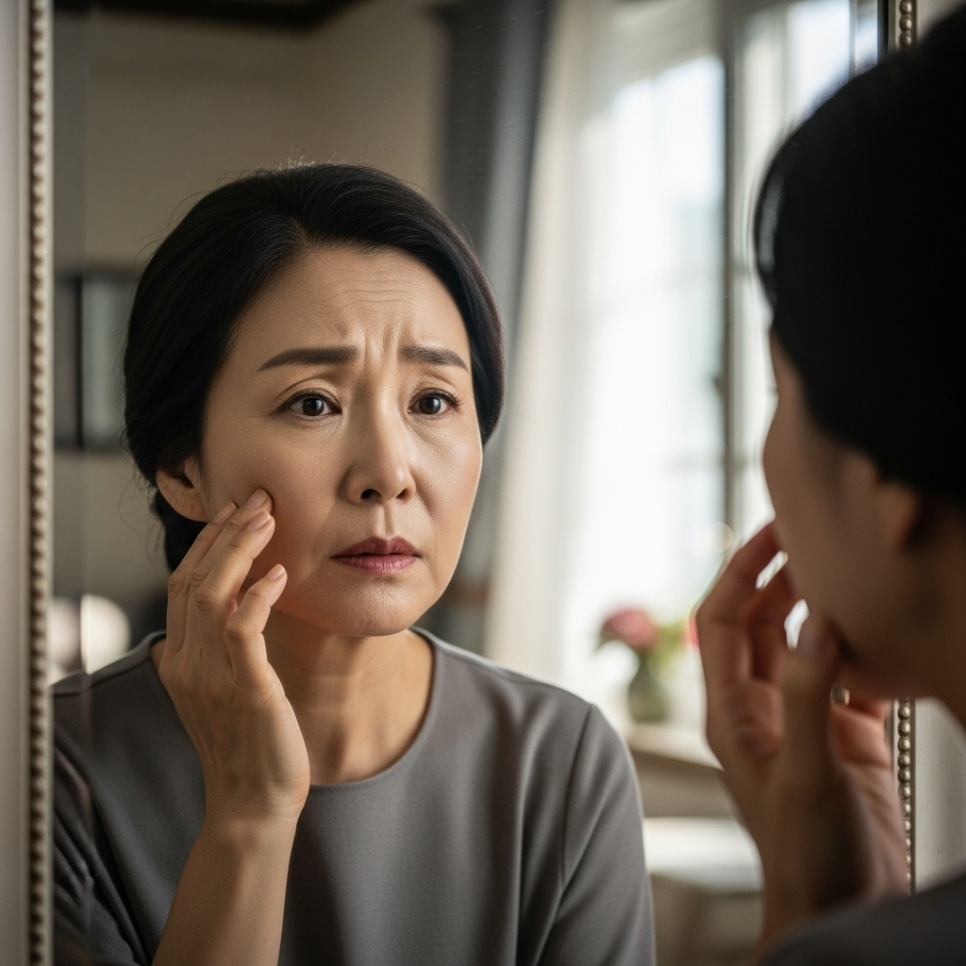
- If the maintenance period feels disappointing, it is often because the diagnosis, not the thread, was shaky from the start
Thread lifting
This image was created with AI as an illustrative cut for easier understanding.
The reason satisfaction differs after thread lifting cannot be explained by the type of thread alone.
If the area to pull is chosen incorrectly, or if there is a gap between the degree of change you want and the degree of change that is actually possible, satisfaction will drop.
For example, you may expect jawline refinement when the real source of concern is the front cheeks or nasolabial folds,
or conversely, you may want improvement in the nasolabial folds, but the skin elasticity itself is too weak and a more supportive approach is needed.
That is why, during thread lifting consultations,
right after asking, “Which area concerns you the most?”
I always check, “Does that concern become worse when you smile, or is it visible even when you are at rest?”
This difference matters quite a lot.
Sagging that looks collapsed even at rest and sagging that stands out more with facial movement may require different approaches.
- Before a Mok-dong thread lifting consultation, just organize these three things
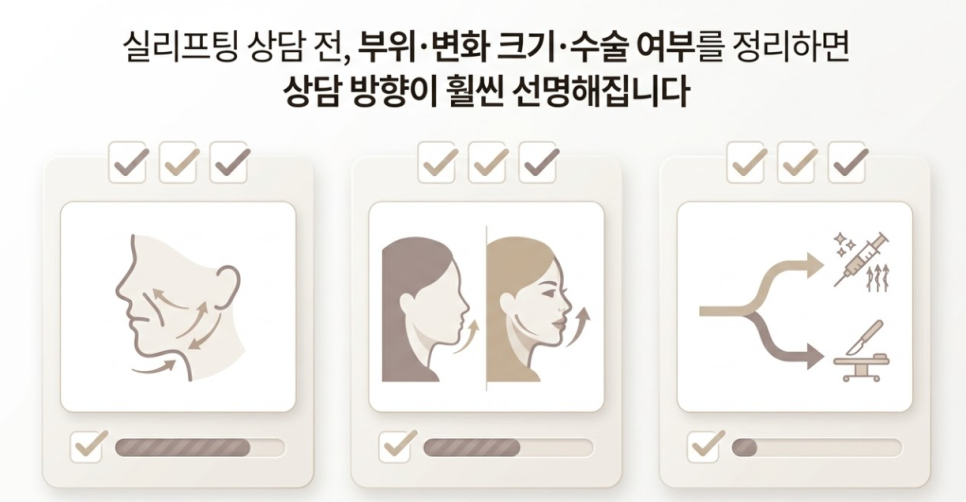
Thread lifting
This is an AI-generated image created to help with understanding.
You do not need to study everything in advance.
Instead, if you think through the three points below, the consultation becomes much more accurate.
First, whether the area that bothers you most is the nasolabial folds, the jawline, or cheek sagging.
Second, whether you want a subtle, naturally refined change or a more noticeable change.
Third, whether you are considering a surgical method as well, or whether you want to find a direction within non-surgical options.
Once these three things are organized, it becomes much clearer whether thread lifting is right for you, whether laser should come first, or whether another explanation is needed.
There is no single correct answer.
It can be different for each person.
5. Q&A

Thread lifting
Q. Does Mok-dong thread lifting help with nasolabial folds too?
A. It may help in some cases.
However, in many cases the cause is cheek sagging rather than the folds themselves, so it is better to first see where the weight is coming down from.
Q. Is thread lifting a much lighter method than surgery?
A. The burden of an incision may be less, but that does not mean it is a procedure that can be approached carelessly.
The direction of pull and the selection of the area are important.
Q. Are there times when it should be considered together with laser lifting?
A. Yes. If reduced skin elasticity is seen along with sagging, there are cases where it is judged in combination rather than on its own.
- Closing
Thread lifting
When considering Mok-dong thread lifting, many people look first at the type of thread or the maintenance period.
What should be looked at before that is which direction my face is collapsing in, and how naturally I want that change to be organized.
Rather than a dramatic change, I believe a change that is refined in a way that suits me is ultimately more satisfying.
Sincerely, Im Young-soo, Chief Director of Troy Plastic Surgery
▼What you should look at before lifting is the eyes▼
▼Features of a middle-aged face?▼