Middle-aged eye surgery
Middle-aged eye surgery
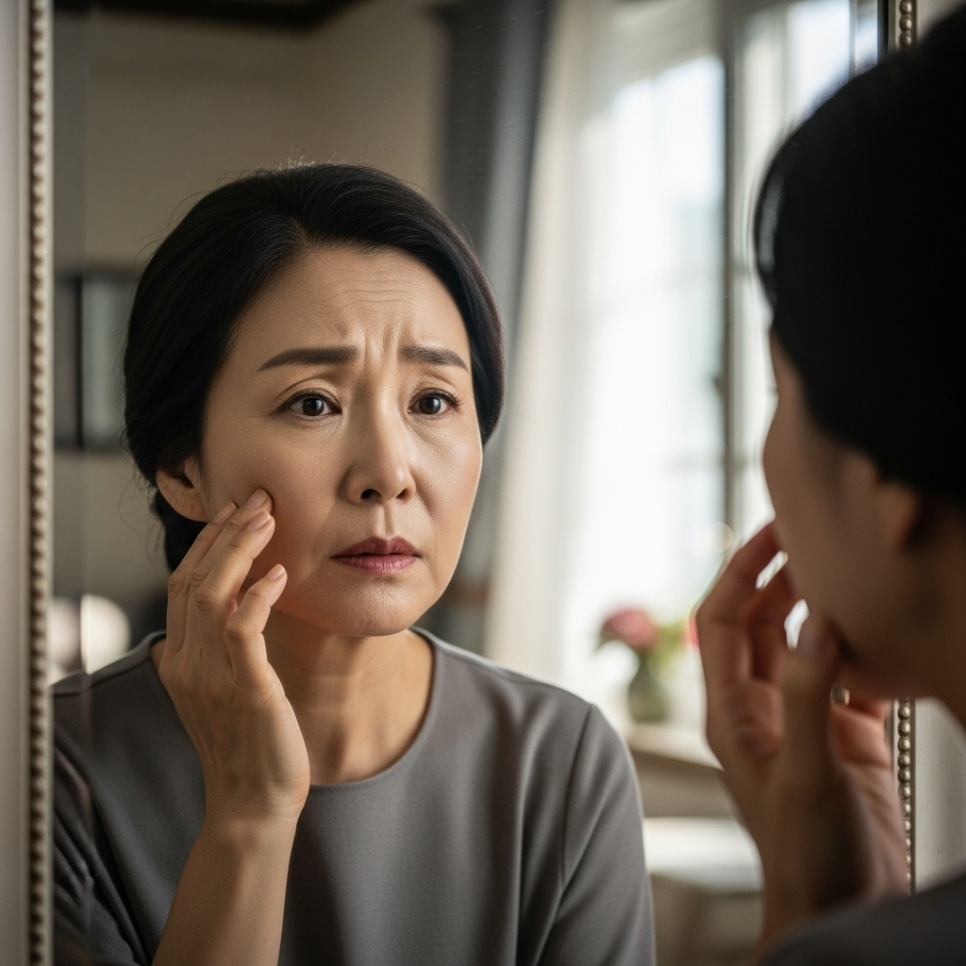
Do your eyelids feel heavier than before every time you look in the mirror, or do the bags under your eyes seem puffier and make you look tired?
Eye surgery for middle-aged patients is more than just a cosmetic procedure to look prettier; it is also a process that addresses “functional discomfort” such as limited vision or skin irritation.
Since the eyes are one of the most important areas in determining appearance, understanding the condition of your own eyes accurately should come before making a hasty decision.
Before going into surgery, here are five key points you must check for a successful result.
-
Accurately understand the condition of your eyes
-
Understand the characteristics of each surgical method and the 기준 that suit me
-
The importance of a personalized surgical plan
-
Check the recovery process and when you can return to daily life
-
The importance of choosing a specialist and consultation
-
Accurately understand the condition of your eyes

Middle-aged eye surgery
The starting point for middle-aged eye surgery is finding specific problems rather than vaguely thinking, “I want to look younger.”
• Upper eyelids: Check whether the sagging skin is hiding your existing double eyelid line, or whether the outer corner area overlaps and causes discharge and itching.
In severe cases, the sagging skin may block your field of vision, causing forehead wrinkles to deepen as you try to open your eyes wider.
• Lower eyelids: Check whether the membrane supporting the fat under the eyes has weakened, allowing the fat to bulge out, and whether this makes dark circles look darker or wrinkles appear deeper.
- Understand the characteristics of each surgical method and the criteria that suit me

Middle-aged eye surgery
Because the solution can differ completely depending on the symptoms, you need to understand the characteristics of each surgery.
• Upper blepharoplasty: Directly incises and removes sagging eyelid skin and muscle.
It is effective for addressing functional problems caused by drooping skin.
• Eyebrow lift: When the eyelid itself is thick, an incision is made along the boundary just below the eyebrow to lift the sagging skin.
Its advantages are minimal change to the eye shape and a natural result.
• Lower blepharoplasty: An incision is made below the eyelashes to reposition protruding fat or remove excess skin.
It smooths and cleans up the under-eye area, brightening the overall impression.
- The importance of a personalized surgical plan

Middle-aged eye surgery
The biggest thing to be careful about in middle-aged eye surgery is “unnaturalness.”
Rather than following the eye shape of a particular celebrity or an excessive golden ratio, you need a design that preserves the original charm of your own eyes while removing only the signs of aging.
Surgery that does not consider harmony with the anatomical structure of the entire face can end up making you look harsh or artificial, so a customized plan that matches your individual facial proportions must come first.
- Check the recovery process and when you can return to daily life
Middle-aged eye surgery
It is also important to plan your daily life after surgery in advance. This is because skin elasticity and recovery speed vary from person to person in middle-aged patients.
• Stitch removal: Usually done around 3–5 days after upper blepharoplasty and eyebrow lift, and around 5 days after lower blepharoplasty.
• Swelling and bruising: Cold compresses are essential for the first 48 hours after surgery, and after about a week, most of the swelling subsides and daily activities become possible.
• Precautions: To allow for complete settling, it is best to avoid strenuous exercise that puts strain on the eyes and saunas for one month.
- The importance of choosing a specialist and consultation

Middle-aged eye surgery
The eyes of middle-aged patients have thinner skin and weaker muscles, so delicate surgical skill is required.
Because cosmetic improvement and functional recovery must be achieved at the same time, it is most important to choose a board-certified plastic surgeon with extensive clinical experience in this field.
Check whether the process from consultation to surgery and aftercare is carried out systematically based on accurate medical knowledge.
Rather than being swayed by incorrect information, finding the solution best suited to your eye structure through a one-on-one consultation with a specialist is the final piece of the puzzle for successful middle-aged eye surgery.
▼If you are deciding between lower eyelid fat repositioning and lower blepharoplasty▼
▼A must-read if you are hesitating!▼