Tattoo removal: how many sessions does it take?
Safe removal methods explained
Tattoo removal

Tattoo removal
The one thing that requires more thought when removing a tattoo than when getting one is, of course, 'tattoo removal.'
For those who have decided to remove a tattoo, the first information they usually check is, without a doubt, “How many sessions will it take to become clean?”
However, tattoo removal is not simply a cleansing process. It is a delicate medical procedure in which laser energy breaks down pigment particles embedded deep in the skin, and then the body’s immune system works to clear them out.
If you insist on removing it as quickly as possible without caution, you may end up leaving irreversible scars or burns on the skin tissue.
Today, we will summarize the key factors that determine the number of tattoo removal sessions and explain safe procedures that can reduce concerns about scarring.
-
Key factors that determine the number of tattoo removal sessions
-
Characteristics of tattoo removal by area
-
Safe removal using high-performance laser equipment
-
Precautions that must be checked before treatment
-
Treatment intervals and care for successful removal
-
Cases where complete removal is difficult and alternative approaches
-
The skill of the medical staff determines the result
-
Key factors that determine the number of tattoo removal sessions
Tattoo removal
The number of sessions needed for tattoo removal varies greatly from person to person, and it is mainly determined by the tattoo’s qualitative characteristics.
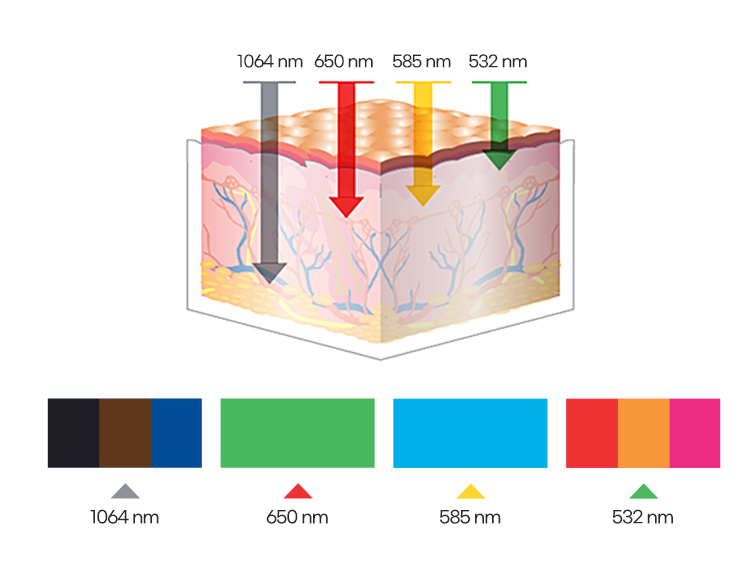
• Type and color of pigment: Black or blue pigments have a high laser absorption rate and are relatively easy to remove.
In contrast, bright and vivid colors such as red, yellow, and green have a lower laser response and therefore require many more sessions.
• Treatment area and blood flow: The body removes broken pigment particles through blood vessels and lymphatic vessels.
Therefore, areas closer to the heart and with better circulation tend to remove pigment faster, while peripheral areas such as the hands and feet or areas with thicker skin take relatively more time.
• Degree of expertise: Tattoos done by professional tattoo artists are inked at a consistent depth deep in the dermis, making them more difficult to remove than amateur tattoos.
- Characteristics of tattoo removal by area

Tattoo removal
Because skin thickness and recovery ability differ by body area, the approach should also be differentiated.
• Eyebrow and line tattoos: In most cases, the pigment is injected shallowly, so noticeable improvement can be seen with about 1–2 sessions.
If the goal is to correct the shape, partial removal is also possible.
• Body tattoos: Depending on the color and size, different laser wavelengths are used.
In general, repeated treatment of 3–5 sessions or more is required, and the darker the color, the more long-term planning is needed.
• Traumatic tattoos: These occur when soil or foreign material becomes embedded in the skin due to an accident.
Because the depth of the pigment particles is irregular, patient treatment is required until the foreign material is completely removed.
- Safe removal using high-performance laser equipment
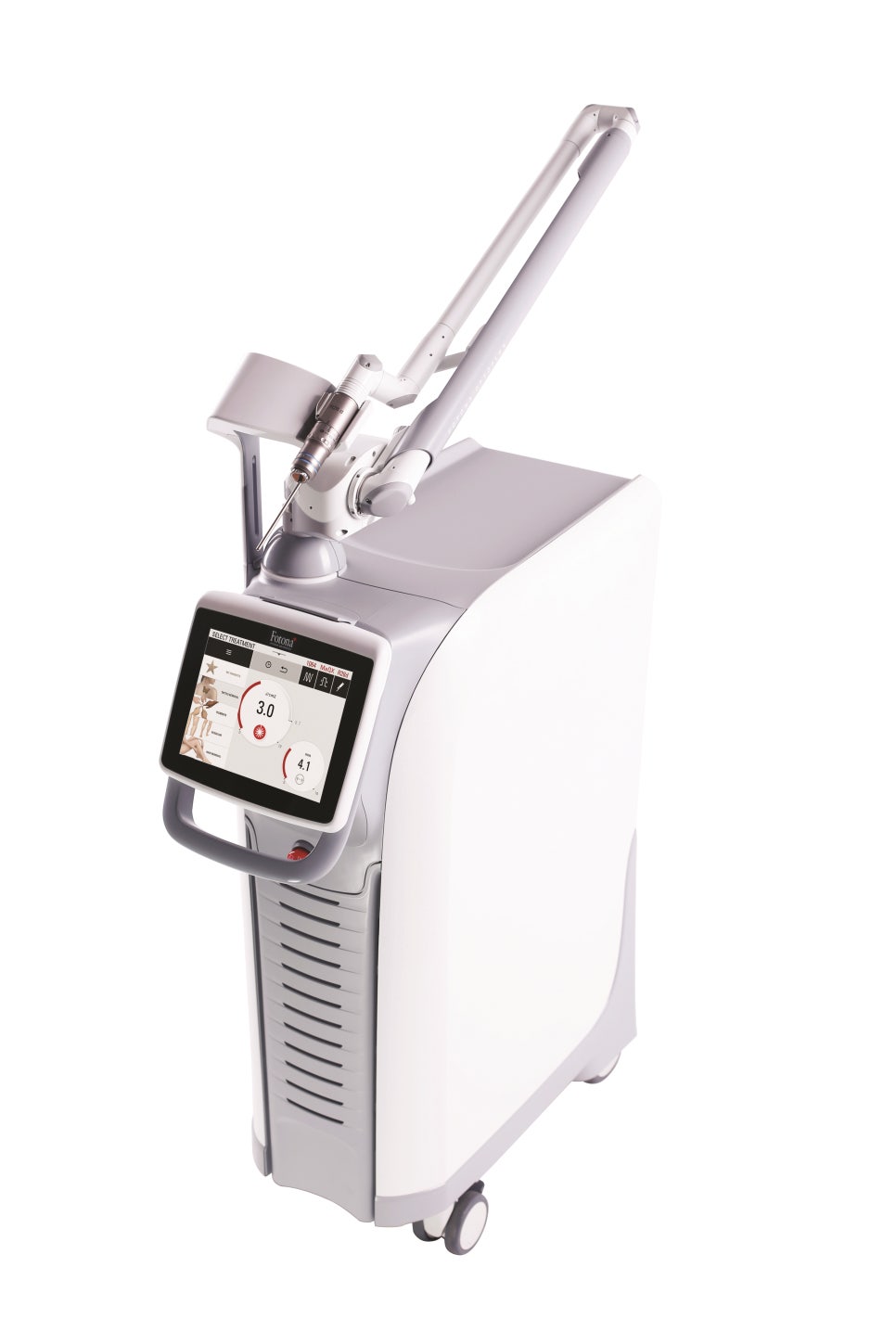
A representative tattoo removal device, StarWalker
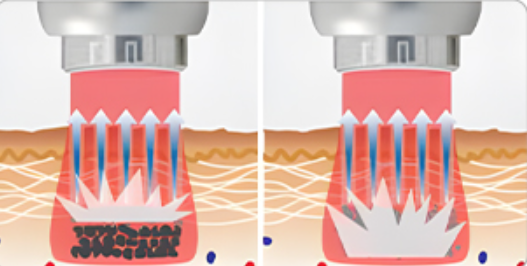
The key to successful tattoo removal is selectively destroying only the pigment while protecting the surrounding normal tissue.
Recently, high-performance devices such as 'StarWalker,' which can precisely adjust various wavelengths, have been used.
These devices deliver powerful energy in a shorter time than conventional lasers, finely fragmenting pigment particles.
This minimizes skin damage, lowers the risk of scarring, and helps reduce post-procedure pain and swelling, contributing to an earlier return to daily life.
- Precautions that must be checked before treatment

Tattoo removal
Because tattoo removal involves delivering strong energy to the skin, the skin condition before treatment is very important.
• Check for inflammation: If there is redness, swelling, or signs of infection in the tattoo area, inflammation should be treated first before starting the procedure.
• Consider individual tendencies: If you are prone to keloids or easily develop scars, more precise energy control is required.
In particular, areas where keloids commonly form, such as the chest or jawline, should be approached cautiously in stages.
• Pigment test: For primary-colored tattoos whose response is difficult to predict, it is safer to first perform a test treatment on a small area to confirm the skin’s reaction and removal efficiency.
- Treatment intervals and care for successful removal
Tattoo removal
Tattoo removal requires time for “clearance.” After the laser breaks down the pigment, it usually takes about two months for macrophages in the body to clear it away.
Rushing into frequent treatments can interfere with skin regeneration and may instead leave scars, so it is most important to follow the interval set by the medical staff.
After the procedure, sunscreen should be applied carefully and regenerative cream should be used to prevent pigmentation, and even if you feel itchy, you should not scratch to prevent secondary infection.
- Cases where complete removal is difficult and alternative approaches
Tattoo removal
If the pigment is too deep or special ink that does not respond to lasers was used, 100% complete removal may be difficult.
In such cases, the approach is to think in terms of 'fading.'
The goal is to make the tattoo as faint as possible so that cover-up over the existing tattoo becomes possible, or to lighten it to a level similar to the skin tone.
It is essential to adjust expectations realistically through consultation with the medical staff and to establish a customized plan for the best possible result.
- The skill of the medical staff determines the result

Tattoo removal
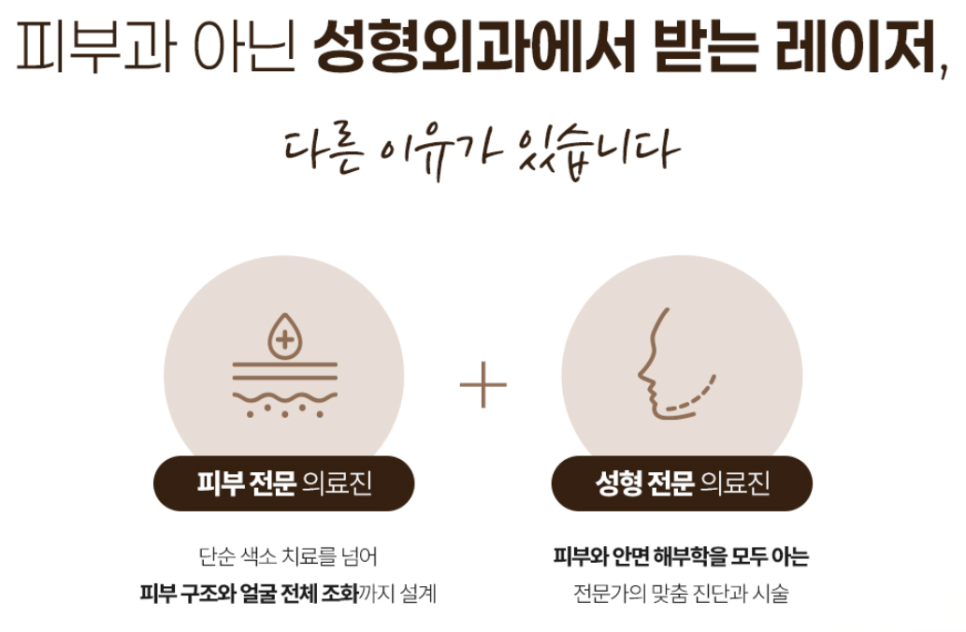
Tattoo removal is not simply a matter of applying laser energy; it is a highly advanced procedure that requires an anatomical understanding of the patient’s skin type and pigment depth.
Plastic surgery specialists perform the procedure based on deep knowledge of scar prevention and skin regeneration, which can minimize side effects while maximizing removal efficiency.
We recommend starting safe treatment tailored to your condition through a precise consultation at a medical institution with a systematic process.
▼ Eyeline tattoo removal, ▼
▼ Why does the color remain? ▼