The first thing people usually wonder about when looking into tattoo removal is the cost.
“How much would it cost for a tattoo this size?”
“Will a color tattoo take longer?”
“How many sessions will it take for the tattoo to fade?”

However, tattoo removal costs are difficult to determine based solely on the size of the tattoo.
This is because the number of sessions and laser settings required may vary depending on the color, depth, and density of the pigment, as well as the condition of the skin, even when the tattoos are the same size.
Today, for those considering tattoo removal, we will summarize the features of the StarWalker laser and the factors that determine why tattoo removal costs vary.
- Tattoo removal is not a procedure that removes the tattoo all at once

A tattoo is a condition in which pigment remains inside the skin.
Laser tattoo removal delivers energy to the pigment to break it into smaller particles and helps the body gradually process them through its metabolic processes.
Therefore, tattoo removal is closer to a process of gradually lightening the tattoo over multiple sessions than eliminating the color in a single session.
What matters here is not simply removing the tattoo quickly, but checking how the pigment responds while minimizing skin damage.
- The StarWalker laser allows a pigment-specific approach
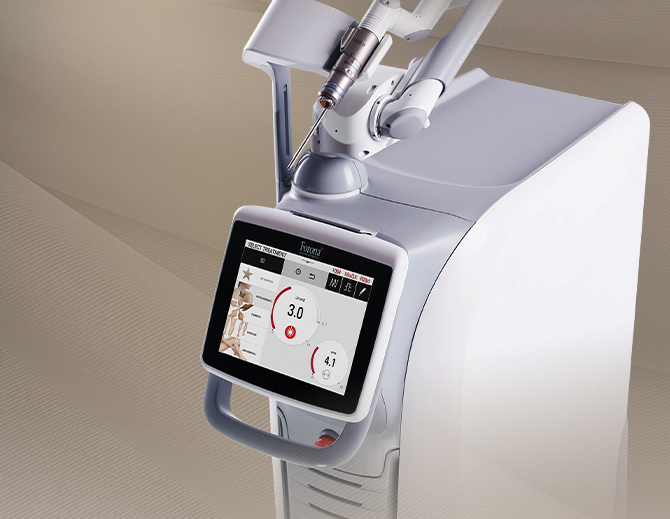
The StarWalker laser is a device that can use various wavelengths to target tattoo pigments according to their characteristics.
Tattoo pigments may respond differently to lasers depending on their color, such as black, blue, red, or green.
Black tattoos tend to respond relatively readily, while color tattoos may require more treatment depending on the pigment components.
For old tattoos or tattoos containing multiple colors, it is important to identify the types and depths of the remaining pigments and select the appropriate wavelengths.
- Why does tattoo removal cost vary?
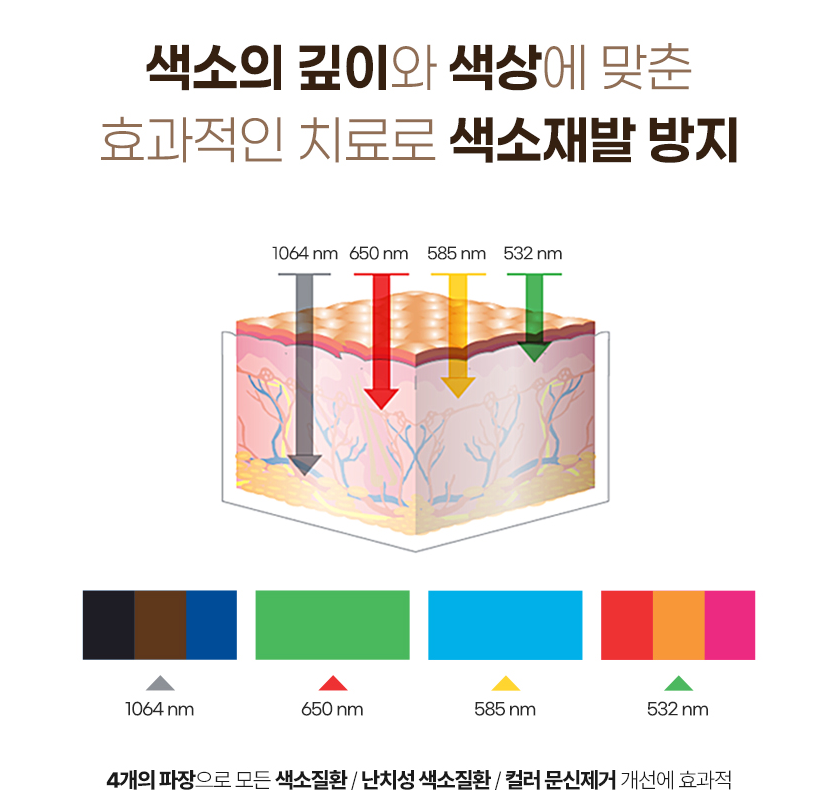
Tattoo removal costs may vary depending on the tattoo’s area, color, density, depth, and estimated number of sessions.
Even a small tattoo may require more sessions if the pigment is dense and deeply embedded.
Conversely, even if the tattoo covers a large area, the treatment plan may differ if the color is light or the skin’s response is stable.
Because each color may respond at a different rate, color tattoos are more likely to have a cost difference compared with black tattoos.
In addition, if your skin is sensitive or prone to hyperpigmentation, the laser intensity and interval between treatments need to be adjusted more carefully.
Ultimately, it is better to assess tattoo removal costs by considering the condition of the pigment and the skin’s response together, rather than looking only at the tattoo’s size.
- The number of sessions also varies from person to person

Tattoo removal is generally performed over multiple sessions.
The number of sessions needed may vary depending on the tattoo’s color and depth, as well as the skin’s recovery rate.
In particular, because color tattoos respond differently according to their colors, the treatment plan may be adjusted while monitoring the progress between sessions.
Rather than aiming only for complete removal from the beginning, it is necessary to realistically assess how much the tattoo can be lightened.
- What should you consider to reduce concerns about scarring?
When it comes to tattoo removal, the important consideration is not only how quickly the pigment is removed.
If the laser intensity is too high or treatments are repeated before the skin has recovered, blisters, scabs, hyperpigmentation, and, rarely, scarring may occur.
Therefore, instead of increasing the intensity excessively from the beginning, it is better to proceed gradually while observing the skin’s response.
Especially for color tattoos or large tattoos, it is necessary to adjust the intensity and intervals while checking both the pigment’s response and the skin’s recovery.
In summary
Tattoo removal is a process of breaking pigment particles into smaller pieces with a laser and gradually lightening the tattoo while monitoring the skin’s response.
The StarWalker laser can be considered for removing not only black tattoos but also color tattoos, as wavelength selection can be considered according to the various pigments.
Tattoo removal costs may vary depending on the tattoo’s size, color, depth, density, and the condition of the skin.
Therefore, rather than looking at the cost first, it is important to identify what type of pigment remains and at what depth, while the medical staff adjusts the intensity and intervals according to the skin’s response.
▼Do you have other concerns?▼
▼See them now▼