
What Is Dry Skin?
Have you ever worried that your skin is dry? Especially for women in their 20s to 50s, dry skin is a skin issue that often occurs depending on the season and age. Dry skin is a condition that happens when the balance of moisture and oil in the skin is disrupted, and it can cause not only a tight feeling in the skin but also flaking, itching, wrinkles, and other problems. In severe cases, the skin barrier becomes weaker, making the skin more sensitive to external irritants and increasing the risk of skin troubles and inflammation.
�

This is a medical advertising model image.
Causes of Dry Skin
Dry skin can occur due to a variety of factors.
�
As you get older, the skin's ability to retain moisture decreases. In particular, starting in the late 30s, the skin barrier function weakens, and in your 40s and 50s, the skin can become easily dry due to reduced collagen and hyaluronic acid in the skin.
In winter, humidity is low and heaters are used more often, making the skin even drier. On the other hand, even in summer, long exposure to air-conditioning can cause moisture in the skin to evaporate and dryness to worsen.
Washing your face with water that is too hot can damage the protective barrier of the skin and make dryness worse.
-
Excessive scrubbing or exfoliation weakens the skin barrier and can cause symptoms such as dry, itchy skin.
-
Frequent use of cosmetics with strong alcohol content can quickly evaporate moisture from the skin and cause persistent dryness.
-
Lifestyle habits and environment
If you do not drink enough water, moisture cannot be supplied deep into the skin, causing dryness.
-
Stress and lack of sleep can reduce the skin's regenerative ability and lead to dryness.
-
Nutritional imbalance also affects skin health. In particular, a lack of omega-3 fatty acids, vitamin C, and vitamin E worsens dryness along with reduced skin elasticity.
�

This is a medical advertising model image.
Main Symptoms of Dry Skin
- Tightness and roughness of the skin
If your skin feels strongly tight after washing your face or throughout the day, it may be a sign that dry skin is progressing.
- Flaking and white scaling
When the surface of the skin turns white or small flakes appear, it means the skin barrier has collapsed due to lack of moisture.
- Itching and sensitive skin
If the symptom of dry, itchy skin continues, the skin barrier may weaken and become more sensitive to external irritants. As a result, itching can become severe, and scratching may even lead to skin inflammation.
- Fine lines and loss of elasticity
When the skin lacks moisture, elasticity decreases and fine lines appear more easily. In particular, if wrinkles around the eyes and mouth become more noticeable, there is a high chance that the skin does not have enough moisture.
�

This is a medical advertising model image.
Dry skin is not just something that makes the skin condition worse; it can also cause discomfort in daily life. For women, makeup may sit unevenly and lose adhesion, making skin expression more difficult, and as the skin becomes more sensitive, cosmetics may sting when applied. Also, the dryness can be felt from deep within the skin to the point that the face feels tight. In addition, dry areas can become severely cracked or develop into skin inflammation.
�
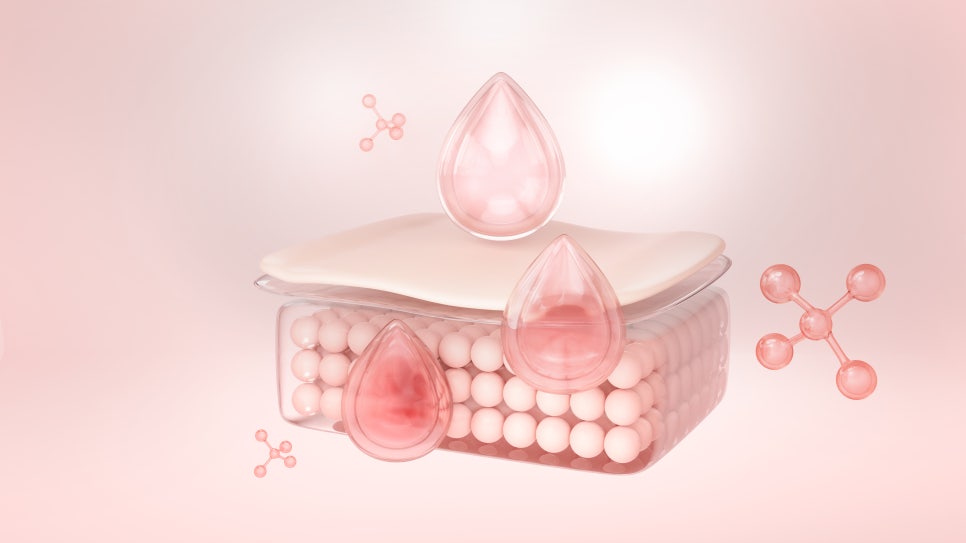
Lifestyle Habits to Improve Dry Skin
To prevent and improve dry skin, it is also very important to check your everyday habits.
�
You should drink at least 1.5 to 2 liters of water a day to provide enough moisture deep into the skin.
Apply moisturizer within 3 minutes after showering or washing your face to prevent moisture from evaporating. In particular, it is good to choose a moisturizer containing ceramides, hyaluronic acid, and glycerin.
When using heaters in winter, using a humidifier together and maintaining indoor humidity at 50-60% can help prevent dry skin.
It is important to wash your face with lukewarm water and use a cleanser that contains moisturizing ingredients.
�

In addition, you may also seek help through procedures such as Rejuran Healer, water glow injections, or skin boosters. However, above all, we recommend paying attention to your usual lifestyle habits and, when undergoing a procedure, carefully checking whether it is appropriate for you and what precautions there are before proceeding.
The concern of "my skin is dry" is not a simple issue, but an important factor that determines skin health. If dry skin persists, various problems such as itching, wrinkles, and reduced elasticity can occur, so improving lifestyle habits and providing proper skincare are essential. If the symptom of dry, itchy skin becomes severe, combining dermatologic procedures may also be a good way to manage it more effectively. Please note that maintaining skin that is moist and healthy requires consistent care.
This article was written for informational purposes in compliance with Article 56, Paragraph 1 of the Medical Service Act.
All procedures and surgeries may leave side effects and aftereffects depending on the individual, so please decide after sufficient consultation with a medical professional.
�