
As warm spring arrives, outdoor activities increase and skin is exposed to strong sunlight for longer periods of time. At this time, many people experience melasma that had faded a little during winter becoming darker again. I hope this guide, Learn the Right Way to Treat Melasma That Darkens in Spring Sunlight, helps you solve your skin concerns.
Today, we’ll take a closer look at Atone laser, which is known to be effective for melasma treatment, and also examine how to care for melasma in spring.
Why Melasma Gets Darker in Spring
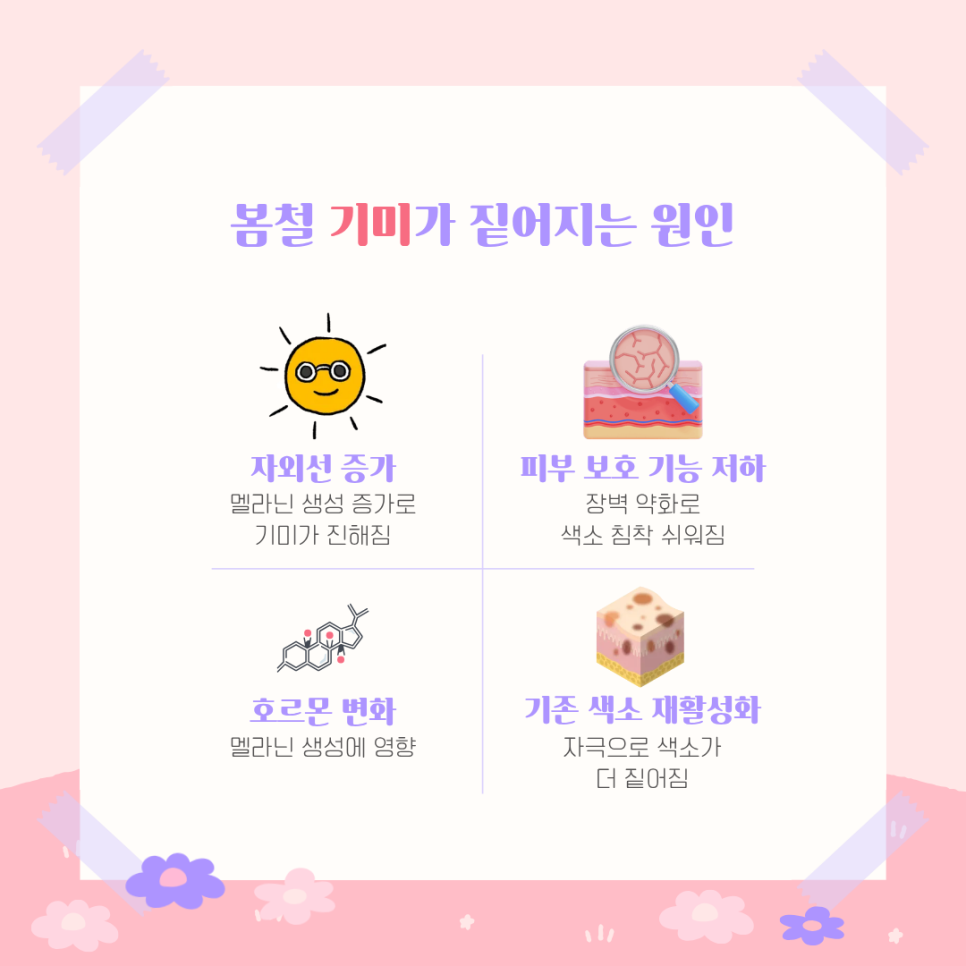
Compared with winter, spring has stronger ultraviolet rays, which leads to more active melanin production. Melasma occurs because of pigment deposited deep in the skin, and as UV exposure increases, existing melasma can become darker and new pigmentation can also appear. It is especially common in women in their 30s and older, and hormonal changes or skin irritation can also be causes.
In spring, as the skin becomes more sensitive due to seasonal changes, pigmentation tends to settle in more quickly. Whitening cosmetics alone have limitations, so many people consider laser treatment. Atone laser is one method that can help address these springtime melasma concerns.
Treatment Principles and Features of Atone Laser

| Wavelength | Main Effects |
|---|
| 583nm | Improves melasma, blemishes, and redness |
| 640nm | Skin regeneration, blood circulation, scar care |
| 432nm | Removes acne-causing bacteria, controls sebum glands |
| 532nm | Soothes deep breakouts, improves scars |
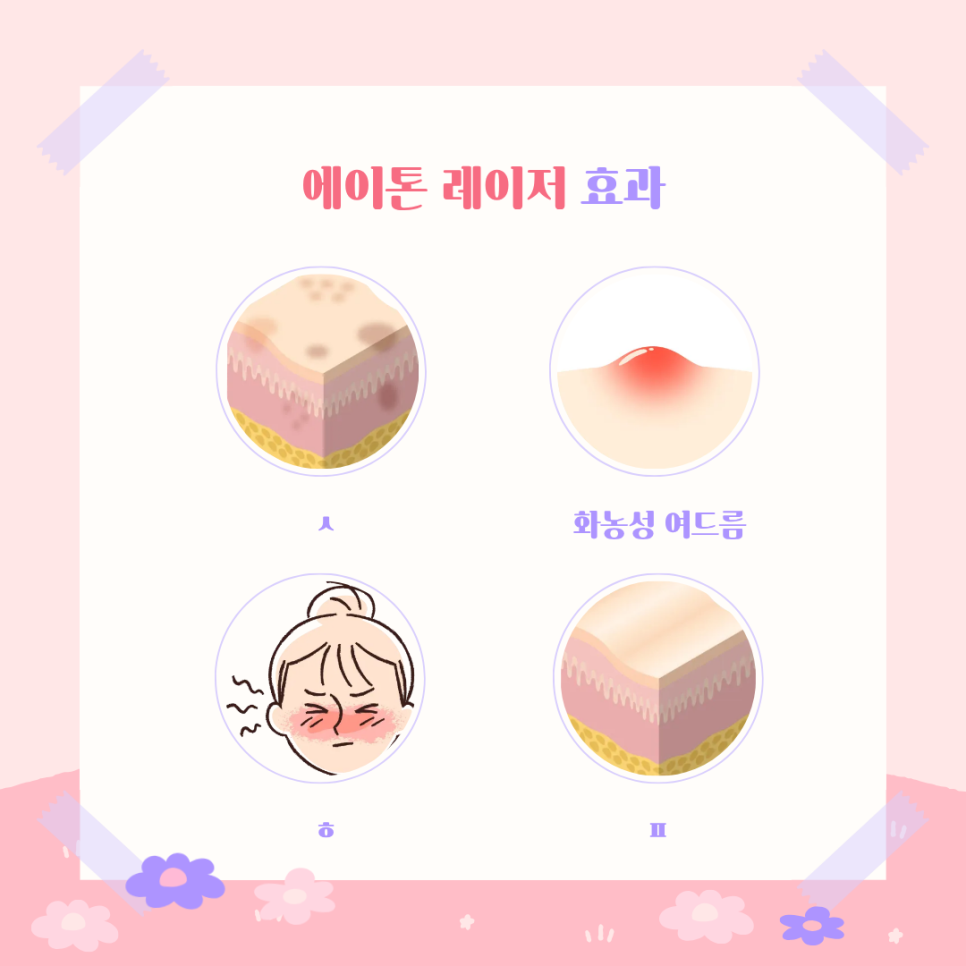
Atone laser is a combination laser device that uses multiple wavelengths to provide customized treatment tailored to skin concerns. It is effective for pigmentation and scar improvement, and because the wavelength can be adjusted according to skin depth and the type of issue, precise treatment is possible.
In particular, the 583nm wavelength is effective for treating melasma and blemishes, so it is often used to manage melasma that has darkened in spring. The 640nm wavelength helps skin cell regeneration and supports skin recovery after treatment, while the other wavelengths each play their own role, allowing for comprehensive skin improvement effects.
How Is Melasma Treatment Performed?
The key to Learn the Right Way to Treat Melasma That Darkens in Spring Sunlight begins with an accurate diagnosis. It is important to precisely identify the skin condition, the depth of the pigmentation, and the type of pigmentation before creating a personalized treatment plan.
In general, treatment is carried out 3 to 5 times or more, and the number of sessions may be adjusted depending on the skin condition. The procedure is performed delicately to minimize skin irritation while effectively targeting pigmentation. Rather than expecting all melasma to disappear after just one session, consistent care and patience are needed.
Melasma treatment using Atone laser not only removes pigmentation but also promotes skin regeneration, helping improve the overall skin tone. However, skin sensitivity may temporarily increase after the procedure, so proper care is necessary.
Post-Treatment Care and Precautions
No matter how good the laser treatment is, if post-treatment care is not properly followed, the effect may be reduced or pigmentation may reappear. The most important thing is sun protection. When going বাইরে, be sure to apply sunscreen with SPF 30 or higher thoroughly.
Immediately after treatment, the skin is in a sensitive state, so it is best to provide enough hydration and avoid actions that may irritate the skin. It is recommended to refrain for a while from hot saunas, excessive exercise, and drinking alcohol. Also, be careful not to touch or scratch the treated area with your hands.
Because the equipment and the skill of the practitioner greatly affect treatment results, it is important to establish a treatment plan that suits your skin condition through 충분한 consultation. Care before and after the procedure, as well as prevention of side effects, are also necessary to achieve good results.
How to Prevent Melasma in Daily Life
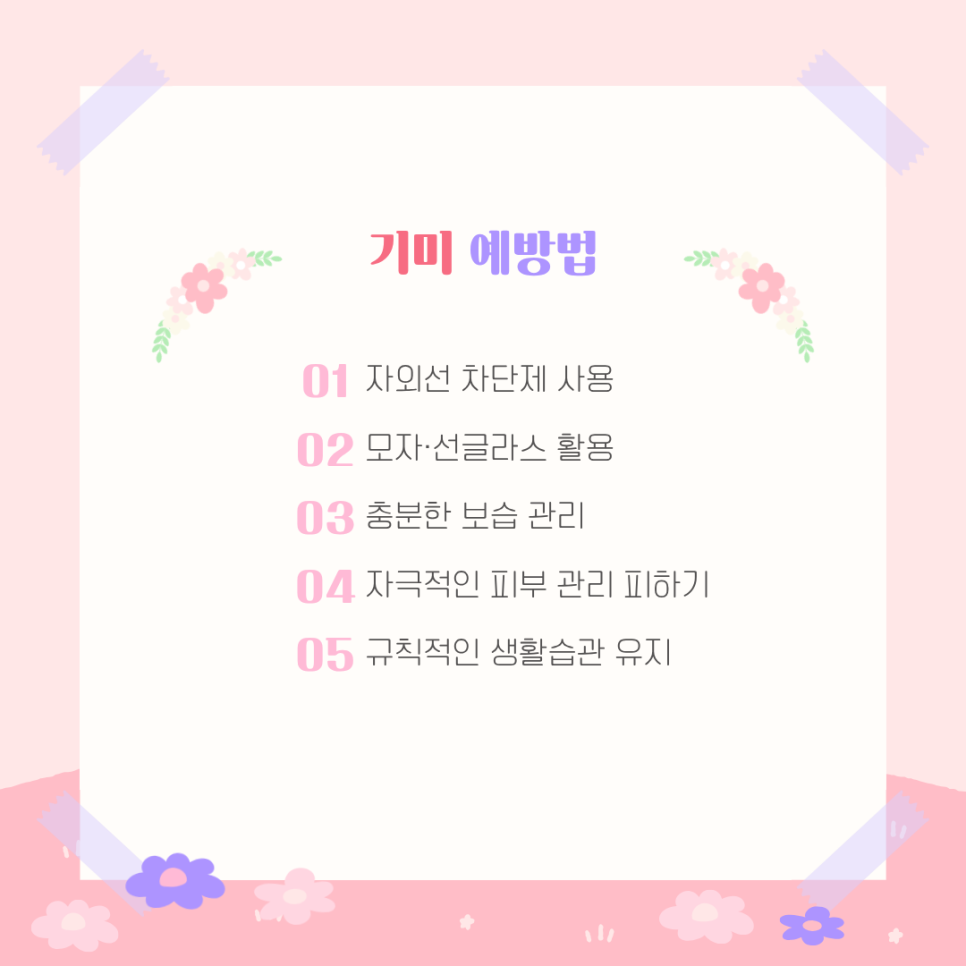
By combining laser treatment with lifestyle improvements, melasma can be managed more effectively. First, sun protection is an essential habit that should be practiced every day regardless of the season or weather. Even on cloudy days, UV rays are present, so reapply sunscreen every 2 to 3 hours when you go outside.
It is also good to use physical protection such as hats or parasols. In addition, enough sleep and a balanced diet play an important role in skin health. Eating fruits and vegetables rich in vitamin C can help improve skin tone.
Stress management is also important, because accumulated stress can lead to hormonal imbalance and worsen melasma. Manage stress through proper exercise and rest, and avoid excessive friction or strong peels that can irritate the skin.
If you have experienced melasma getting darker due to the stronger spring sunlight, considering treatment using Atone laser may be a good option. If you practice accurate diagnosis, consistent care, and preventive habits in daily life together, you may be able to regain clear and healthy skin. Do not bear skin concerns alone; start caring for them at the right time and welcome spring with confidence.
This article was written for informational purposes in compliance with Article 56, Paragraph 1 of the Medical Service Act.
All procedures and surgeries may leave side effects or aftereffects depending on the individual, so please make a decision only after sufficient consultation with medical professionals.
#MelasmaTreatment #AtoneLaser #atoneLaser