
Many women in their 30s and 40s reportedly consider reduced elasticity and fine lines to be their biggest skin concerns.
In fact, skin aging gradually begins in the late 20s. As collagen production decreases each year, sagging skin and fine lines become more noticeable. Today, we will take a step-by-step look at how skin lifting works, focusing on Oligio.
When the weather becomes dry or makeup no longer applies smoothly, we tend to pay particular attention to the condition of our skin.
It is often said that starting anti-aging care in advance can reduce the burden of future maintenance.

Why does skin aging occur?
The main causes of skin aging are the reduction of collagen and elastin fibers.
As these two components decrease, the skin's structure itself becomes weaker, making sagging and wrinkles more likely to appear.
When ultraviolet exposure, a dry environment, and irregular lifestyle habits are added, the aging process may accelerate.
Genetic factors cannot, of course, be ignored. However, when environmental stress accumulates, skin elasticity can noticeably decline regardless of an individual's constitution.
Enlarged pores and an uneven skin texture can also be viewed as part of these changes.

Oligio is a noninvasive lifting device that delivers radiofrequency energy to the dermal layer without damaging the skin's surface.
The procedure works by using thermal energy to stimulate and contract collagen fibers, followed by inducing the production of new collagen.
| Key point: This method leaves the skin's surface intact and delivers heat only to deeper layers, reducing the burden of recovery. |
The procedure is performed over the entire face or selected areas using a special tip, stamping the skin as if making marks.
A cooling system operates at the same time to reduce skin irritation. Since the treatment is relatively low in pain,
it is often performed without anesthesia, with the number of shots adjusted according to the individual's condition, generally around 300–600 shots.

The process is easier to understand when examined step by step. First, the condition of the skin needs to be assessed.
✅ Visually and manually assess skin thickness, elasticity, and the degree of fine lines
✅ If necessary, examine the internal structure of the skin through imaging or ultrasound
✅ Assess sensitivity and any damage to determine whether the procedure can be performed
✅ Perform the treatment by stamping with special tips for each area
✅ Finish with cooling care and soothing treatment
Through this process, the treatment can be adjusted to suit the individual's skin condition.
Some people also undergo the procedure in combination with Botox or fillers. It is sometimes said that combining treatments may lead to more noticeable results when the muscles in a particular area are overly developed.

Immediately after the procedure, some people may feel that their skin is slightly tighter.
However, the actual changes generally appear over the 3–6 months during which collagen is regenerated.
There may be individual differences. The time at which changes are felt may vary depending on the condition of the skin and the degree of aging.
Repeating the treatment every six months is generally recommended because this interval corresponds to the cycle in which the skin produces collagen again.
If the interval between treatments is too short, the skin may not have enough time to recover, so it is best to decide after consulting with a medical professional.

In fact, consistent care afterward often has a greater impact on the results than the procedure itself.
Skin elasticity and wrinkles do not improve suddenly one day. They require time for collagen to be replenished.
Skin lifting, including Oligio, is one method that can help support this process.
The results may vary depending on each person's skin condition and lifestyle habits.
Visible changes come from accumulating small acts of care. If you have any questions, we recommend receiving a consultation for more detailed information.









Previous image
Next image
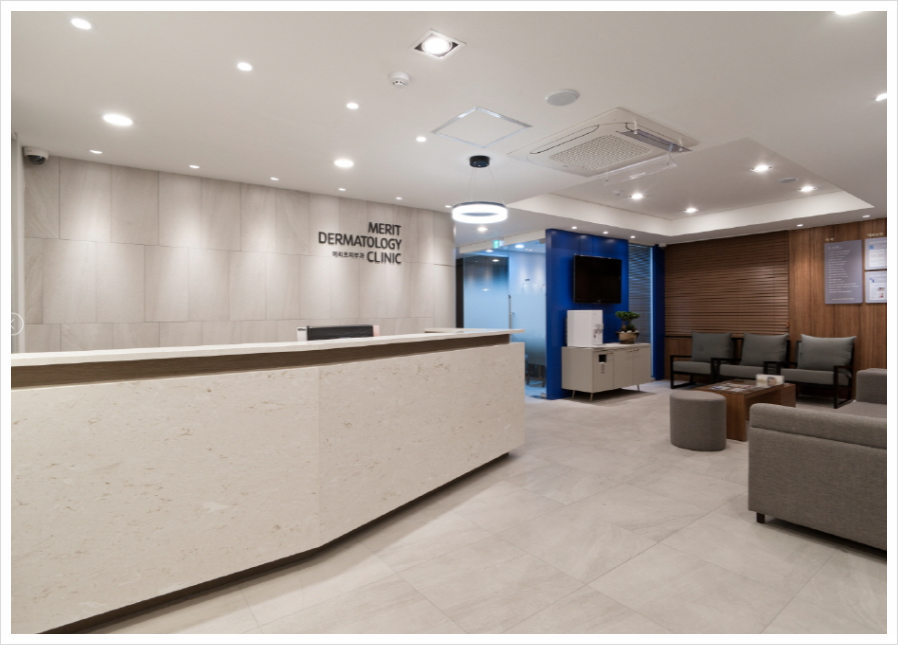
Interior guide to the dermatology clinic at Bangbae Station

#BangbaeDongDermatology #BangbaeDermatology #BangbaeDongBoardCertifiedDermatologist #BangbaeBoardCertifiedDermatologist