
Among the patients I see, there are often cases where someone comes in after using acne medication for several months without improvement and is then diagnosed with flat warts. Although the two conditions may look similar on the surface, their causes and treatments are completely different, so accurate differentiation is important.
| Category | Flat warts | Closed-comedone acne (non-inflammatory) |
|---|
| Cause | HPV infection | Follicular keratinization and sebum production |
| Surface | Flat and smooth | Round and slightly raised |
| Distribution | Arranged in lines and spreading in clusters | Scattered around pores |
| Contagiousness | Yes (contact, autoinoculation) | No |
| Natural resolution | Occasionally possible, but may persist for a long time | May improve with proper care |
| ⚠️ If flat warts spread in a line along areas shaved, waxed, or touched and scratched by hand—known as the “Koebner phenomenon”—the condition is more likely to be viral. Rather than continuing to apply acne ointment based on self-diagnosis, I recommend getting a medical evaluation. |
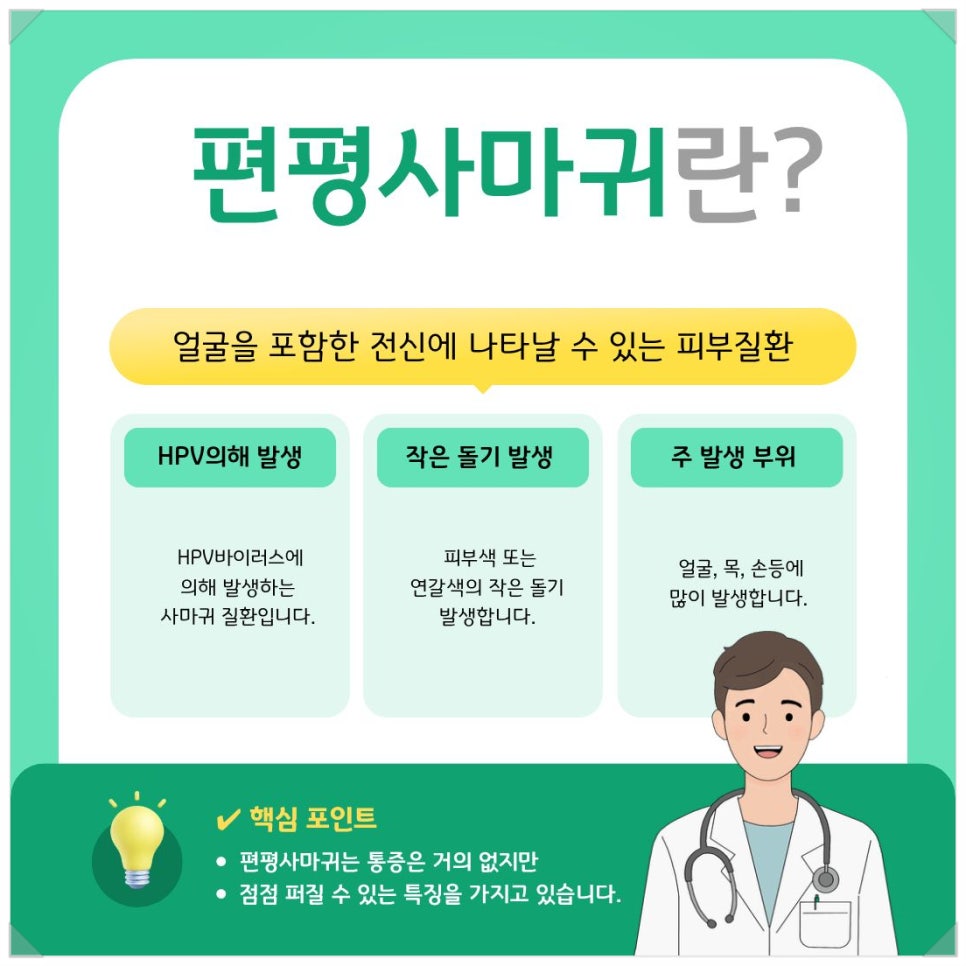
You may have felt startled at least once after looking in the mirror and noticing multiple tiny, bumpy growths on your face, neck, or the backs of your hands.
At first, it is easy to dismiss them as dry skin or acne, but if they do not disappear over time
and instead increase in number, it is worth considering flat warts.
Flat warts are a viral skin disease caused by infection with the human papillomavirus (HPV). As the name suggests, unlike other types of warts, they have a flat, smooth surface and are relatively small, measuring about 1–5 mm. They are often similar in color to the surrounding skin or slightly brown or light gray, and tend to appear in clusters rather than as just one or two lesions. They commonly develop on frequently exposed areas such as the face, forehead, neck, and backs of the hands. In particular, multiple flat warts often occur on the face in younger people, frequently leading to significant cosmetic stress.
| Causes of Flat Warts |
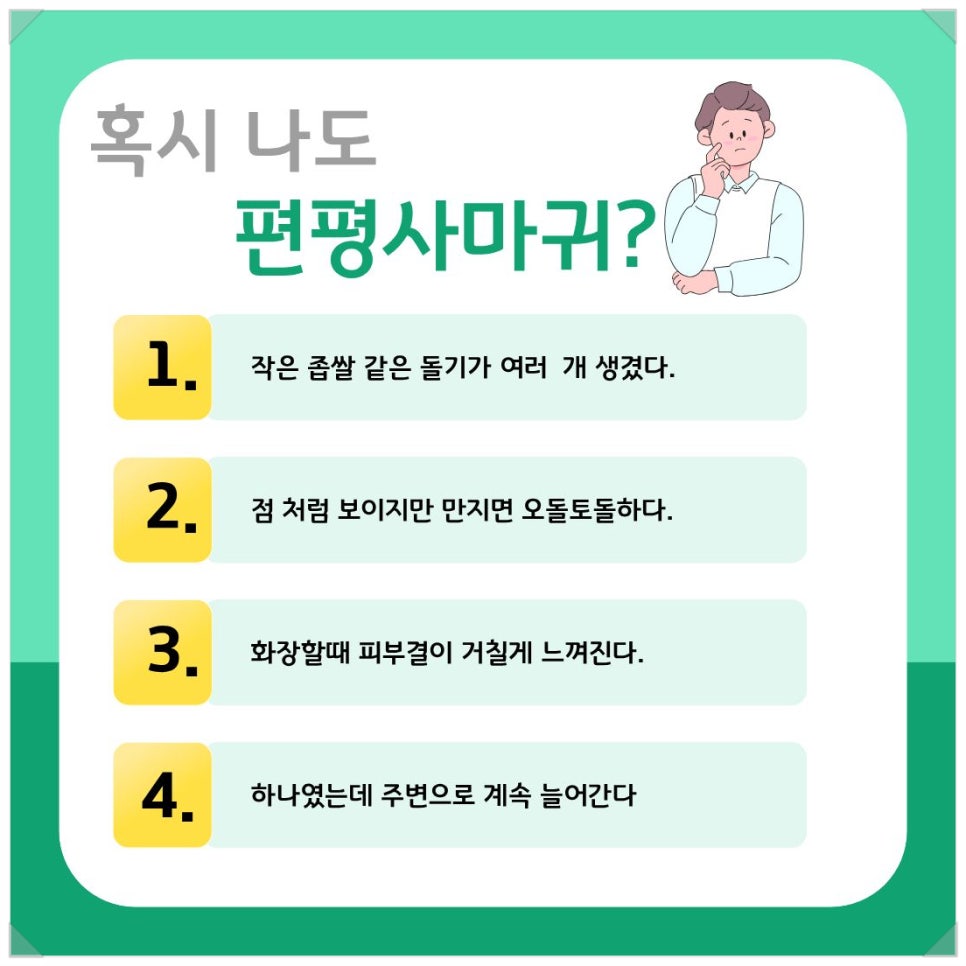
Flat warts are primarily caused by HPV subtypes such as types 3 and 10. The virus enters through tiny wounds or cracks in the skin. The problem is that symptoms do not appear immediately after infection, as the virus goes through an incubation period. This period can last anywhere from a few weeks to several months.
| 🪒 Skin irritation Shaving, hair removal, exfoliation, and similar activities can create tiny wounds that make it easier for the virus to enter. |
| 🤝 Direct contact Touching an infected area and then touching another area can spread the virus through autoinoculation. |
| 🛡️ Reduced immunity The condition may be more likely to appear or worsen when immunity is reduced due to fatigue, stress, or lack of sleep. |
| 🧴 Shared personal items Sharing towels, razors, and similar items can provide an indirect route of infection. |
| Comparison of Flat Wart Treatment Methods |
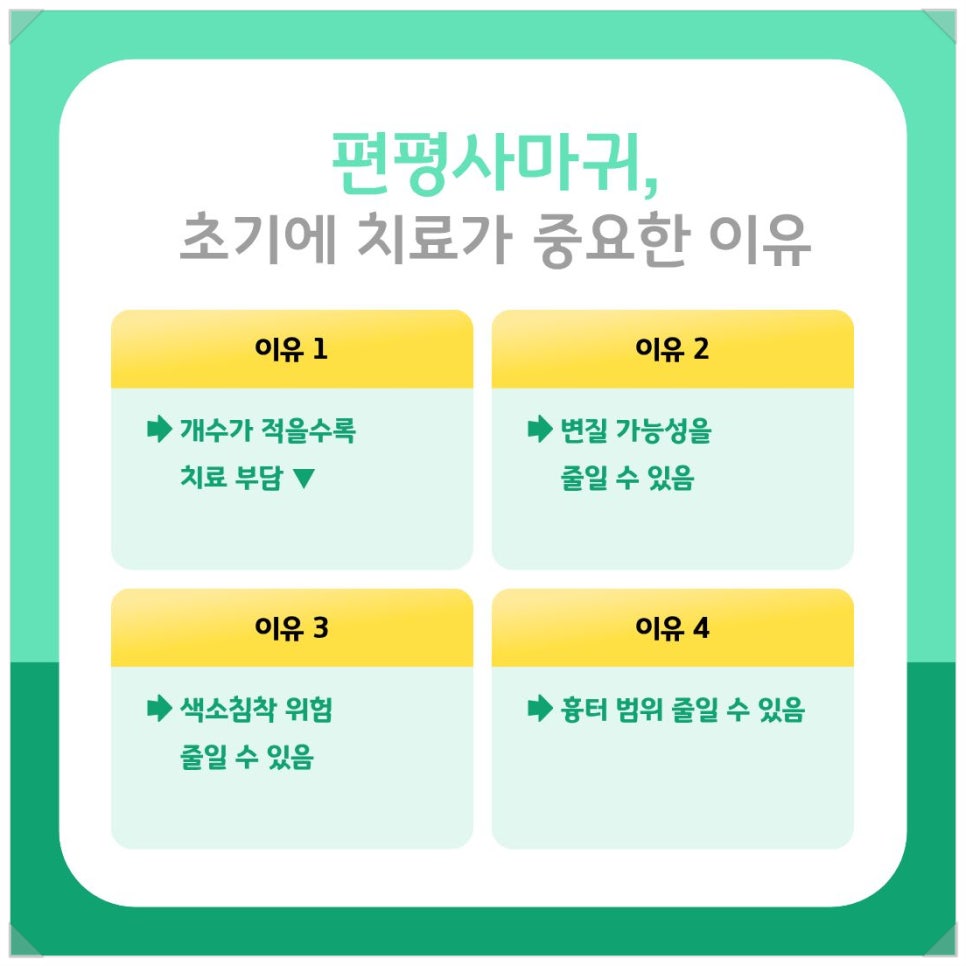
If left untreated, flat warts may increase in number or spread to other areas. When they occur on the face in particular, it is important to manage them without concern about scarring, so it is best to seek medical attention early. The treatment method is selected according to the number, extent, and location of the lesions.
| Treatment | Features | Points to consider |
|---|
| Cryotherapy (liquid nitrogen) | Freezes and removes the lesions; a common first-line treatment | Several sessions may be needed; temporary hyperpigmentation is possible |
| Laser treatment | Allows precise removal and is efficient for multiple lesions | Several sessions may be required when the affected area is extensive |
| Immunotherapy | Suppresses the virus by inducing a local immune response | May be considered in combination therapy when recurrence is frequent |
| Medication | Helps improve lesions with topical agents | Suitable for mild or early lesions |
| 💡 Rather than insisting on just one treatment method, a combination approach tailored to the condition of the lesions is often used. During the consultation, it is most important to assess the condition accurately through visual examination and, when necessary, dermoscopic examination before establishing a treatment plan. |
| Post-Treatment Care and Recurrence Prevention |
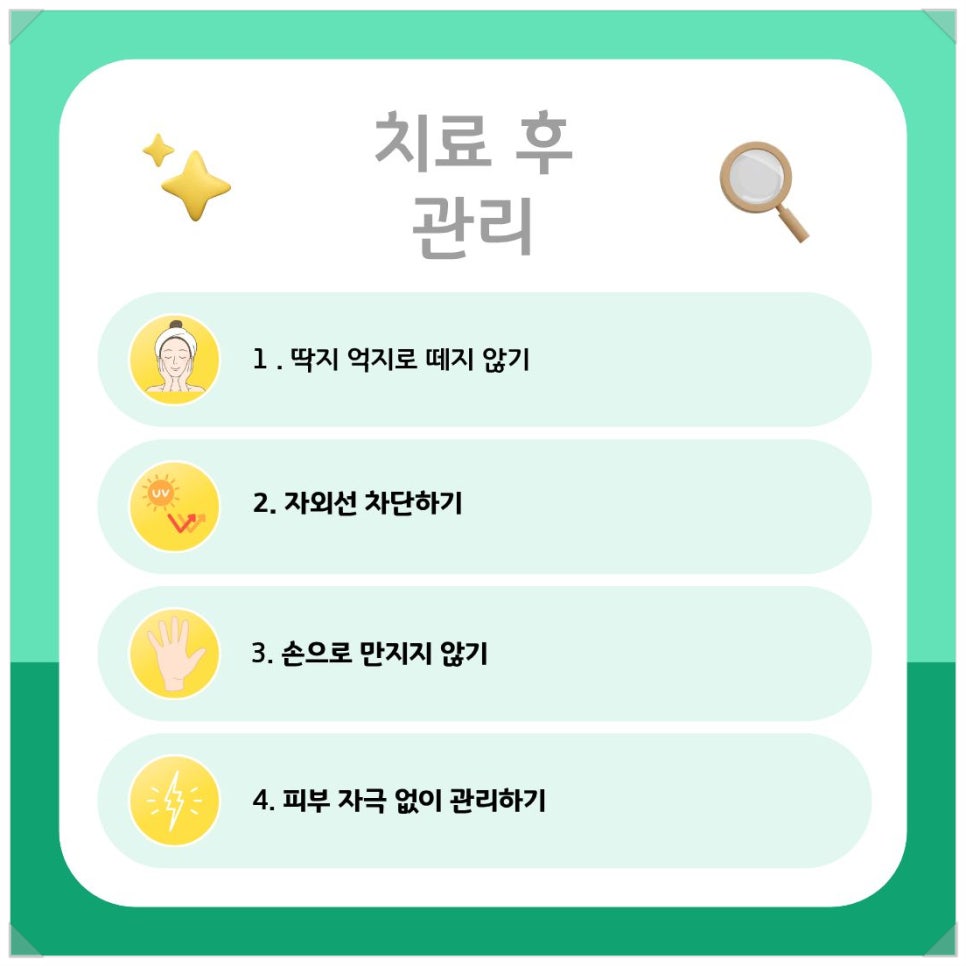
Treatment does not necessarily mark the end of the process once the visible lesions have been removed. Because HPV can remain as an invisible latent infection, recurrence is not uncommon, so care after treatment is also important.
The treated area may become more vulnerable to UV exposure, so apply sunscreen thoroughly. Avoid scratching or touching the lesions, as this can cause autoinoculation. It is best to use personal items such as razors and towels separately. Maintaining your immune health through adequate sleep and a balanced diet may also help prevent recurrence.
| Frequently Asked Questions Q&A |
Q. Can flat warts disappear on their own?
A. Cases of spontaneous resolution have been reported in people with good immunity, but this is difficult to predict, and the lesions may spread in the meantime. Rather than leaving them untreated, I recommend receiving an evaluation and monitoring their progress afterward.
Q. Can I squeeze or pick them off?
A. Squeezing or picking them with your hands can transfer the virus to the surrounding skin and may actually increase the number of lesions, so you should absolutely avoid doing so.
Q. Can treatment leave scars?
A. This depends on the treatment method and how the area is managed, but appropriate procedures combined with proper aftercare can reduce the risk of scarring.
Q. Can flat warts spread between family members?
A. They can spread through direct contact or by sharing items such as towels and razors, so we recommend keeping personal items separate.
This post was written to provide information in compliance with Article 56, Paragraph 1 of the Medical Service Act. All procedures and surgeries may cause side effects or aftereffects depending on the individual, so please make a decision only after having a thorough consultation with a medical professional.
#FlatWarts #FlatWartTreatment #FacialWarts #FlatWartsAndAcne #ViralSkinDisease