Hello.
I’m Director Ahng Young-seok, the representative doctor at Make Dental Clinic.
Many people think laminate veneers are simply a design process for the outer surface of the teeth.
However, the front teeth serve as a “guide” for the lower teeth when we open and close our mouths, and when we move the jaw left and right.
In dentistry, this is called “anterior guidance,” and even a very slight difference in the angle or length of the front teeth can affect the entire path of movement of the temporomandibular joint.
Therefore, when choosing a clinic, it is important not only to look at design skills, but also to check whether the clinic has a deep understanding of the jaw joint and occlusion.
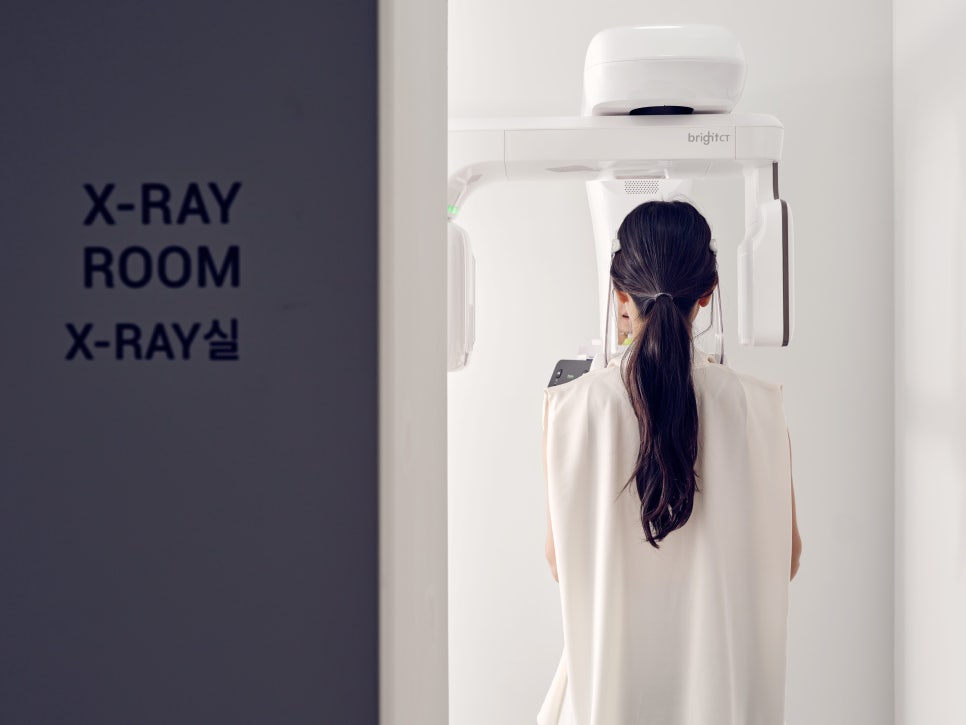
We provide personalized tooth design that takes into account the patient’s face shape, lip line, and smile habits.
- Is laminate veneer a direct cause of jaw joint pain?
To begin with the conclusion, if the procedure is carried out under sufficient diagnosis and planning, laminate veneers themselves are unlikely to cause pain.
However, the situation changes if the height or angle of the teeth is set improperly during the procedure.
If the thickness or length of the restoration is not appropriate, the teeth may collide each time the jaw moves, which can change how the jaw muscles are used.
In particular, if the restoration protrudes slightly beyond the teeth or its angle does not match the individual’s occlusion characteristics, the lower teeth may contact the inner side of the upper front teeth during jaw movement, transmitting irritation.
For people who grind their teeth at night or clench their teeth tightly, this burden can feel greater.
In addition, when the height at which the upper and lower teeth meet changes from before the procedure, a change in the sensation of chewing may also be felt.

- If there are temporomandibular joint symptoms, what should be checked before the procedure?
If you often hear sounds when opening your mouth or frequently feel tension or discomfort in the muscles around the jaw, it is helpful to fully inform the medical staff of these symptoms during the consultation.
This is because a more detailed evaluation may be required when there are related symptoms.
Before the procedure, the process may include first checking whether the joint position is stable and whether there is any asymmetry in movement when opening and closing the mouth.
If the condition is judged to be relatively unstable, depending on the situation, evaluation or management of the joint may be discussed first rather than proceeding directly with laminate veneer treatment.

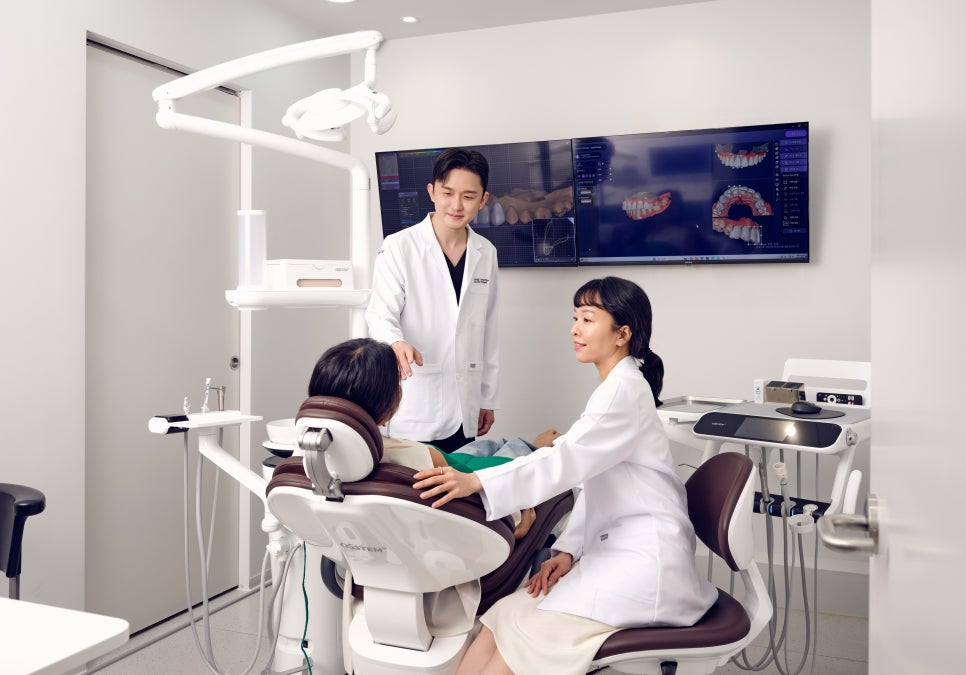
A certified doctor in clear aligners and lingual orthodontics works together to satisfy both aesthetics and function.
- Considerations when designing laminate veneers for temporomandibular joint patients ① Anterior guidance and guidance
When planning laminate veneers for people with sensitive jaw joints, it is necessary to carefully examine how “anterior guidance” is formed.
This is because if, when moving the lower jaw forward, the lower teeth do not move naturally along the inner surface of the upper front teeth and instead feel blocked partway, unnecessary stress can be transferred to the joint or surrounding muscles.
Taking this into account, it is desirable for the angle of the inner surface of the restoration to be finely designed so that it harmonizes with the individual’s joint movement path.
If the slope is too steep or, conversely, too shallow, discomfort may also appear during chewing, so the process of finding the right balance is important.
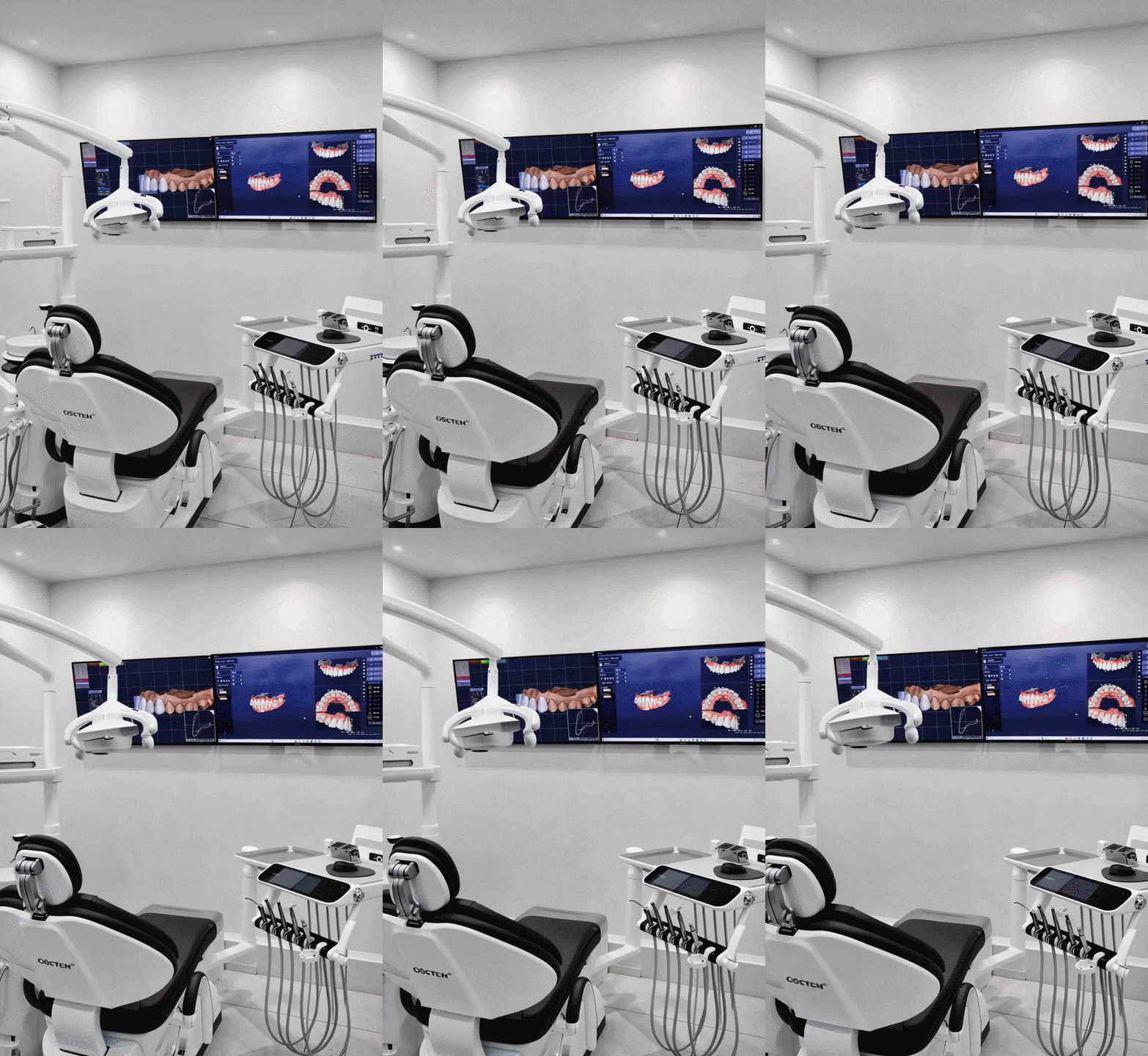
Recently, digital analysis equipment has also been used to three-dimensionally understand the movement of the lower jaw and reflect that information in restoration design, allowing a design that considers function as well.
- Considerations when designing laminate veneers for temporomandibular joint patients ② Thickness and angle of the restoration
As methods that avoid or minimize tooth reduction have become more common, consideration of the restoration’s thickness has become increasingly important.
If the restoration is attached while the teeth are barely prepared, the volume of the teeth may feel different from before the procedure, and careful design is needed so that this change does not burden joint movement or occlusion.
In particular, if the inner surface of the teeth becomes excessively thick, discomfort may be felt in jaw movement, requiring delicate adjustment.
The angle of the teeth is also an element that must be considered together in terms of harmony with the temporomandibular joint.
From an aesthetic standpoint, a neat and straight alignment of the teeth may be preferred, but depending on the anatomical structure and the individual’s jaw movement, slight differences in angle can affect chewing comfort.
- If your jaw feels stiff after the procedure, does it need treatment?
Immediately after the procedure, temporary fatigue may be felt in the muscles around the jaw.
This may be due to having kept the mouth open for a relatively long time during the procedure, or it may be a reaction that appears during the process of adapting to the changed tooth shape.
Such discomfort usually improves gradually if you observe it for about 1 to 2 weeks and also get enough rest and eat soft foods.
However, if the discomfort does not lessen over time, or if the feeling of the teeth contacting a specific area is repeatedly felt, it may be a sign that occlusal adjustment is needed. In that case, it is advisable to check the condition through consultation with the treating medical staff.
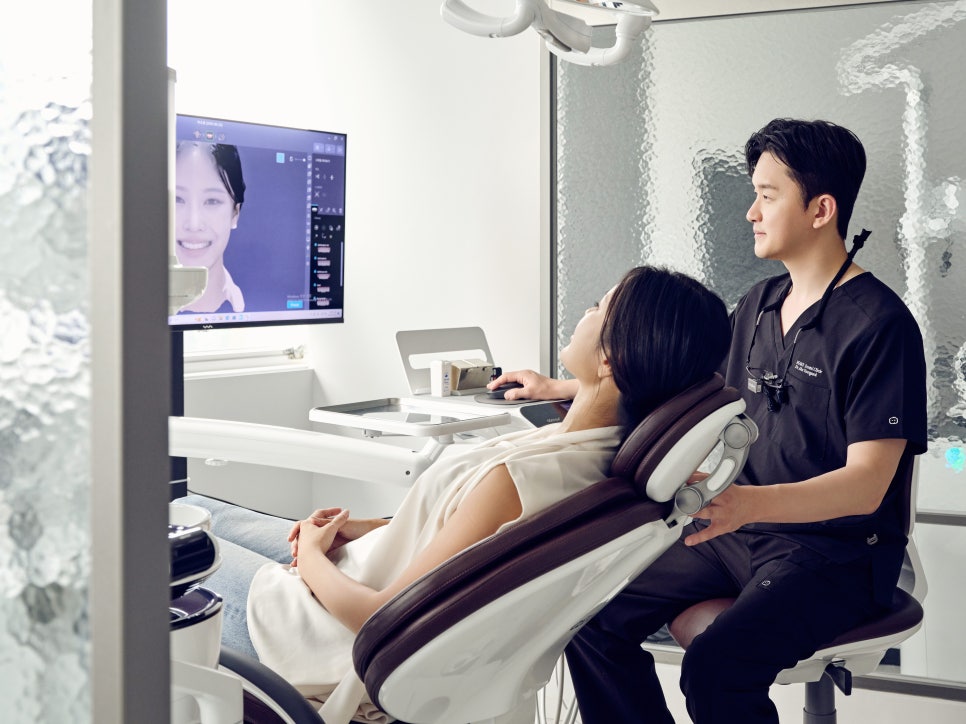
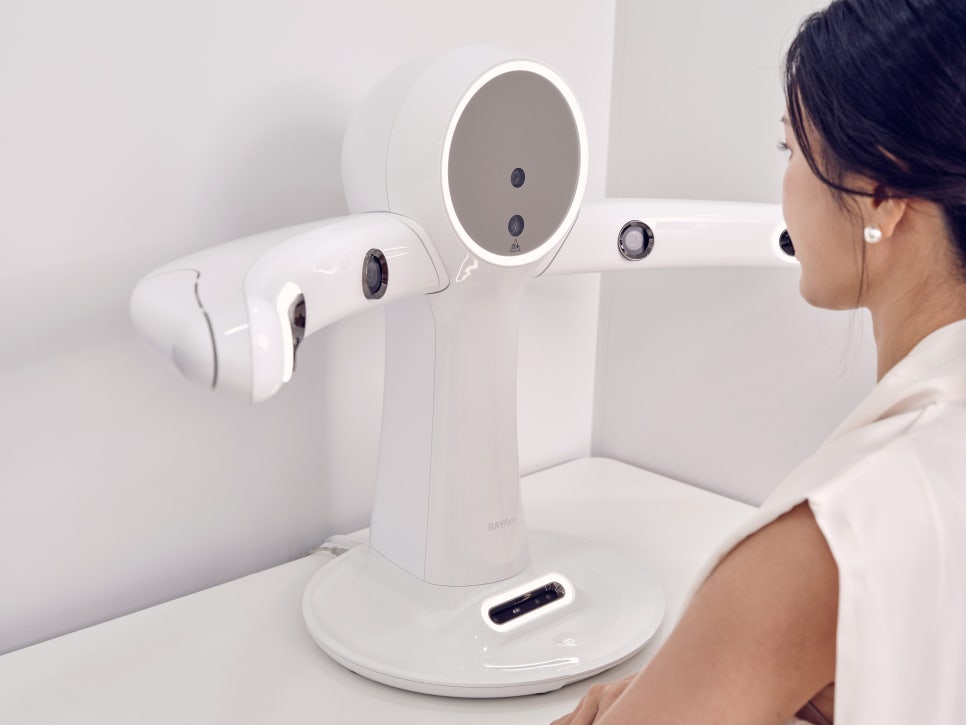
We analyze your smile in three dimensions with the RAYFace 3D facial scanner and Trios 5 oral scanner.
The ultimate purpose of laminate veneers is healthy aesthetics.
That is why, especially for those with sensitive jaw joints, it is important that sufficient diagnosis before the procedure, careful occlusal consideration during the procedure, and follow-up care to check the condition after the procedure are all carried out in a balanced way.
I hope today’s content helps you organize your concerns and make a more careful choice before deciding on the procedure.
Thank you.












Previous image
Next image
Gangnam Sinsa-dong Dental Clinic Laminate, Why It Also Takes the Jaw Joint Into Account
Gangnam Sinsa-dong Dental Clinic Laminate, Why It Also Takes the Jaw Joint Into Account
Gangnam Sinsa-dong Dental Clinic Laminate, Why It Also Takes the Jaw Joint Into Account
Gangnam Sinsa-dong Dental Clinic Laminate, Why It Also Takes the Jaw Joint Into Account
Gangnam Sinsa-dong Dental Clinic Laminate, Why It Also Takes the Jaw Joint Into Account