Hello.
I’m Ahn Young-seok, the chief director of Make Dental Clinic.
For those who had been struggling with a dental complex,
after getting laminates,
when they feel that the smile in the mirror has changed,
it can naturally lift their mood.
At the same time,
thoughts like
“Will it come off quickly?”
and “What if it breaks while eating?”
can also arise.
Laminate treatment is a careful procedure in which,
as much as the treatment itself,
aftercare right after the procedure and the adjustment process
can have a major impact on the results.
In particular, the first month after the procedure
can be seen as the period when the restoration adapts to the teeth
and stabilizes.
Today, I’ll organize the
‘4 care points’ that are helpful to know during the first month.

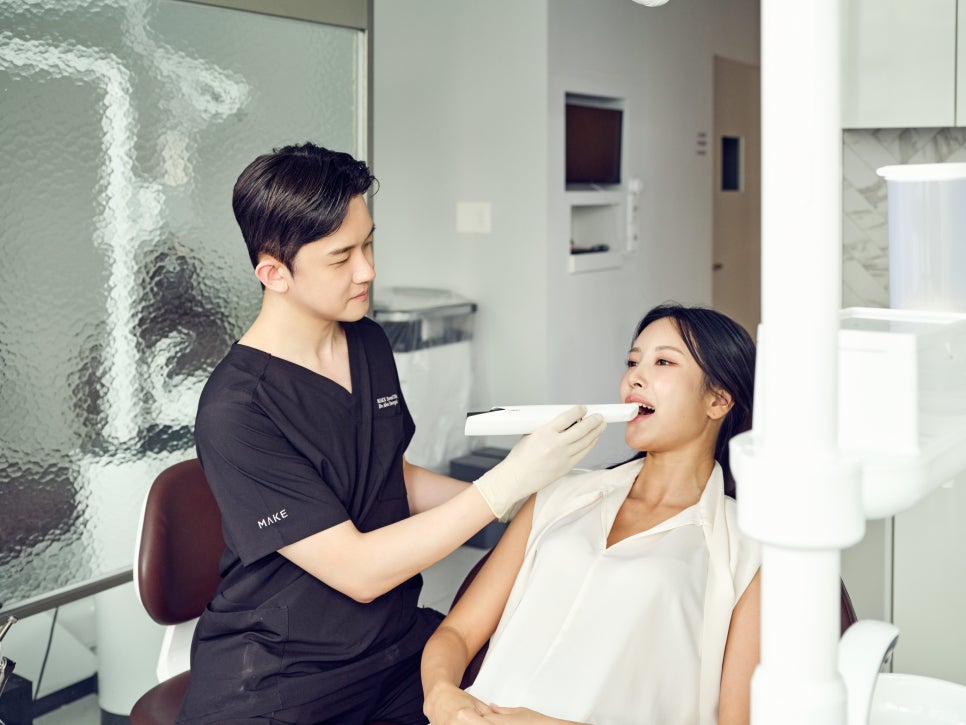
Don’t compare only the price.
What matters is the philosophy and technical skill behind the treatment.
- POINT 1. ‘Chewing caution’ so the restoration and teeth fit together stably
Laminates
are restorations that improve the surface of the front teeth,
so actions that place excessive force on the front teeth
require caution.
Especially during the first month after the procedure, it is best to avoid biting into or tearing tough dried squid,
hard candy, nuts, and the like with the front teeth.
Foods that should be bitten into, such as apples or kimchi,
should be cut into small pieces as much as possible
and eaten by chewing with the molars.
Laminates are relatively strong against vertical pressure,
but they can be vulnerable to sideways twisting forces or
sudden impact, so it is better to refrain from
biting with chopsticks or opening bottle caps.

- POINT 2. ‘Brushing method and temperature management’ to protect sensitive gums and teeth
Right after the procedure, the tooth surface may become slightly
more sensitive to temperature changes because it has been subtly
smoothed.
So during the first month, rather than extremely hot or
cold foods, eating foods at a lukewarm temperature
can help reduce stimulation to the pulp.
That is because sudden temperature changes can cause
expansion and contraction of the teeth, which may have a subtle effect on the bonding interface.
Also, when brushing,
it is better to use a soft-bristled toothbrush and gently clean
the area where the gums and teeth meet.
Right after the procedure, the gums around the restoration
may be slightly swollen or sensitive,
and rubbing too hard in a horizontal direction
may increase the risk of gum recession.
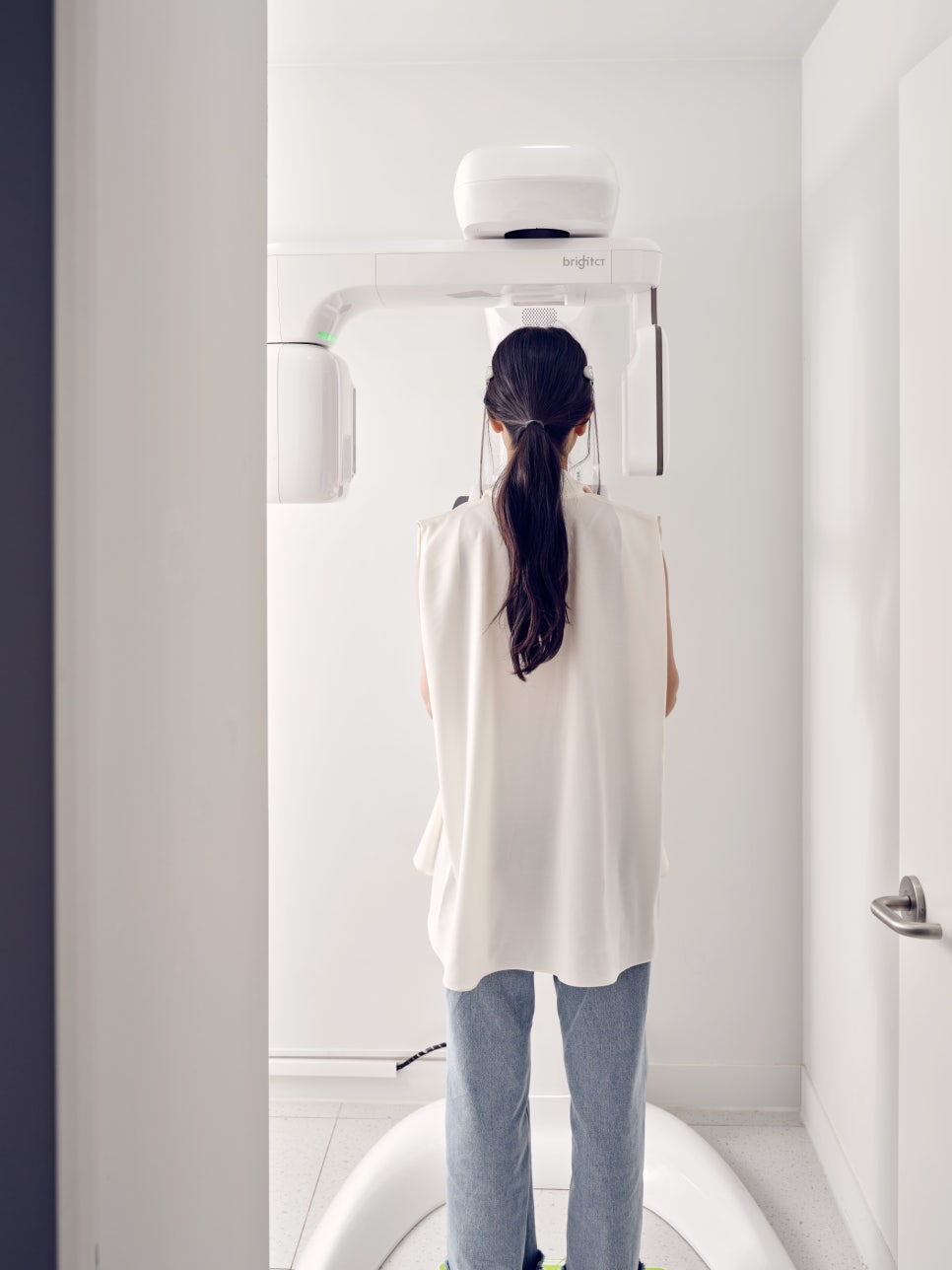
It is not simply about making teeth white;
it is about achieving harmony with the face and a natural translucency.
- POINT 3. ‘Caution with foods that cause staining’ to keep the white smile longer
The ceramic material used for laminates itself
is resistant to discoloration, but the boundary where the restoration
meets the natural tooth is a little different.
For one month after the procedure, there may be tiny gaps
around the adhesive, and if you frequently consume foods or drinks
with strong pigments at this time, the border may become stained.
Typical examples include
coffee, curry, wine, and jjajang, and smoking also requires caution.
In particular, immediately after the procedure,
as the gum line is in the process of stabilizing,
staining substances can more easily seep into the gaps in the gums.
If you must consume staining foods or
drinks, it is better to rinse your mouth with water or brush your teeth to minimize the time the pigments remain.
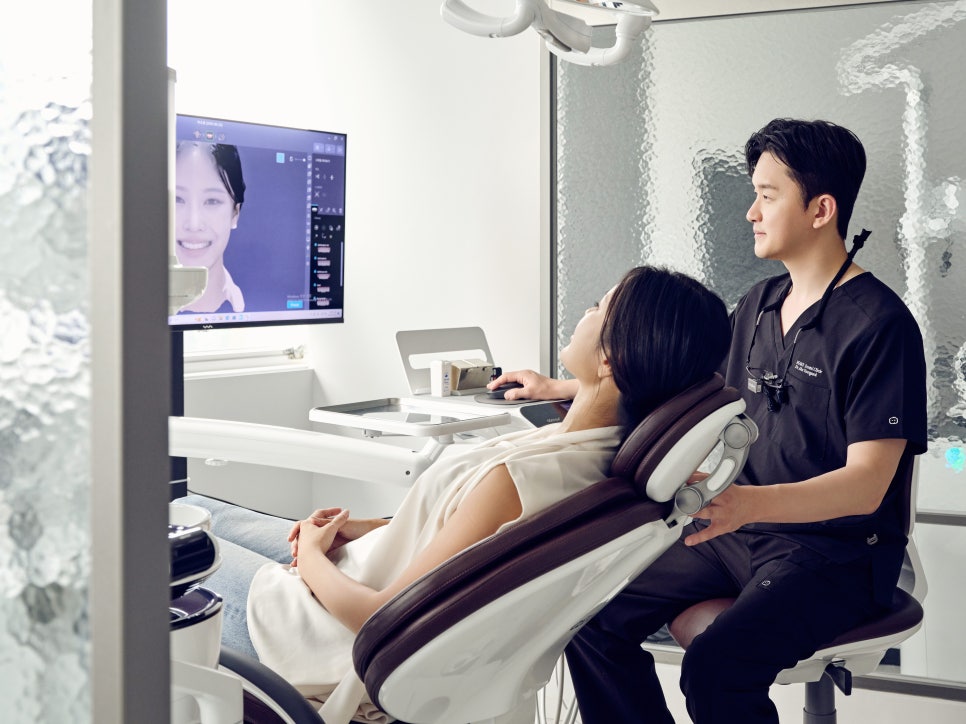
- POINT 4. Check ‘micro-occlusion’ through regular examinations
Finally, an important point is to check the examination schedule
provided by the dental clinic.
Even if the bite seems perfect right after the procedure,
subtle changes can occur over about a month as you eat and go about daily life.
Depending on jaw joint movement or muscle adaptation,
you may feel that certain areas touch first.
At this time, the process of checking and adjusting the subtle bite at the clinic
plays an important role in maintaining the stability and function
of the laminate restoration.
Even a very small occlusal interference, if prolonged,
can put stress on the restoration, so it is necessary to confirm through an examination whether normal contact and function are being maintained.
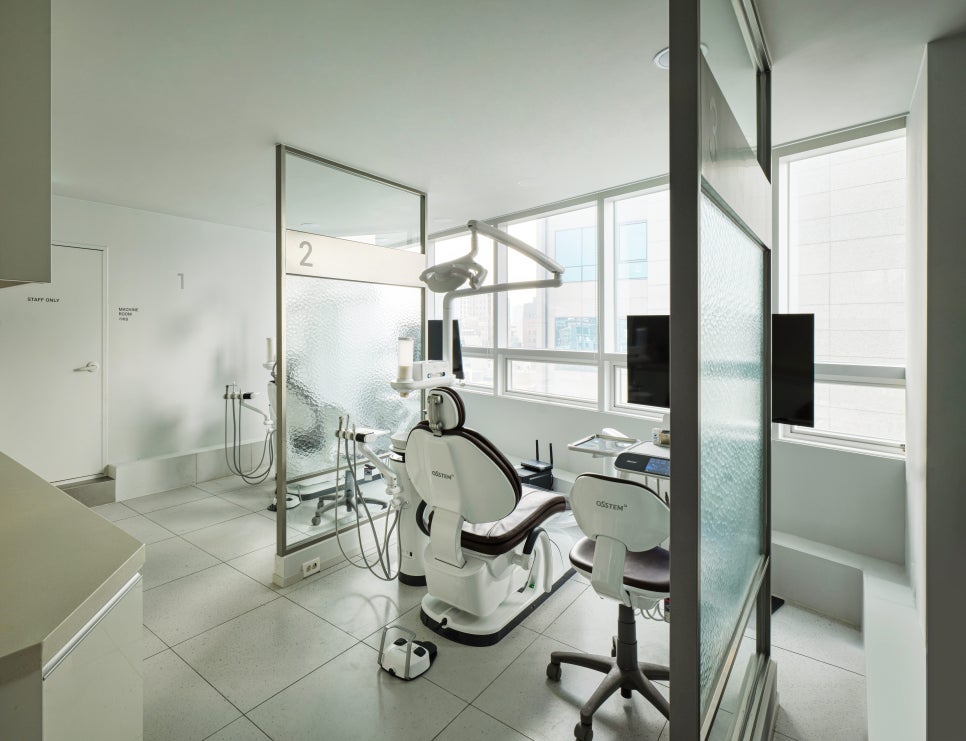
We are reducing errors and improving completeness through a team-based collaboration system.
- Why is the first month after the procedure such an important period?
Laminate restorations are firmly bonded to the tooth surface
with adhesive.
However, it takes about one month for the adhesive to fully harden,
for the restoration to settle into place,
and for the surrounding gum tissue to adapt to the new shape
and stabilize.
Therefore, how you spend this period
can affect the lifespan of the restoration and its post-treatment stability.
Small impacts or bad habits during this time can lead to subtle lifting
or detachment of the restoration, so caution is needed.
Of course, conversely, if this period is managed carefully,
it can help the laminate settle stably onto the teeth.

- Habits that place excessive force on the teeth need to be corrected
In our daily lives, there are more habits than we might think
that can affect dental health.
In particular, unconsciously clenching your teeth in stressful situations,
or grinding your teeth during sleep,
can cause microcracks in laminate restorations.
If you have such habits,
you may consider using a protective device or a custom appliance
as needed through consultation.
Also, biting nails, holding pens in your mouth,
or chewing ice are habits that require caution.
Even small habits, if repeated,
can affect the stability and lifespan of the restoration,
so it is important to keep this in mind.
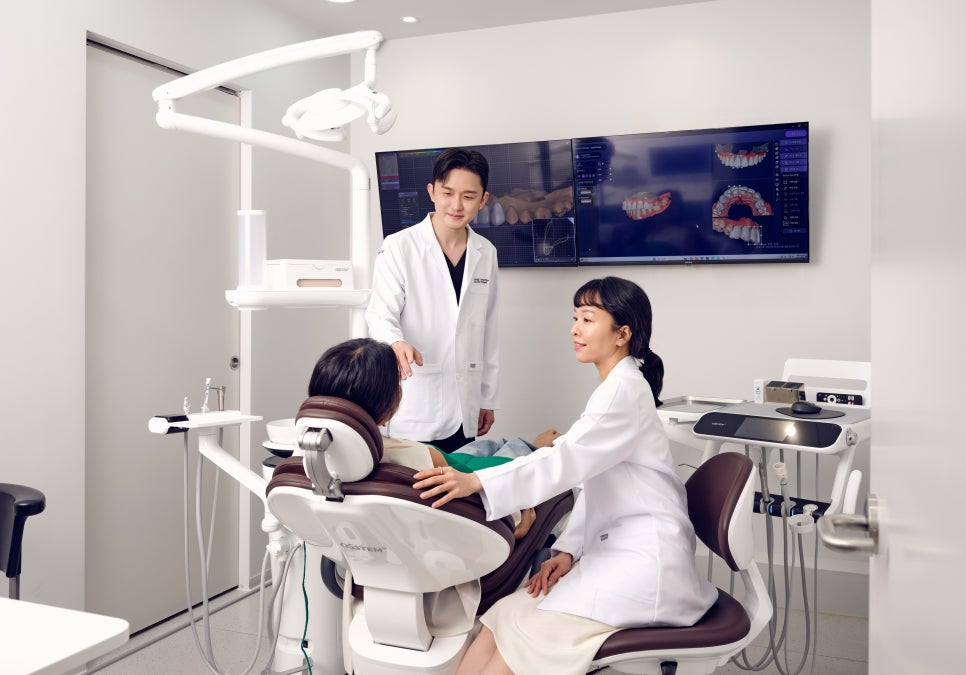
We create the treatment together while communicating with the patient at every stage.
The smile changed through laminates
can also become an opportunity to feel positive changes in daily life.
The aftercare rules for the first month after the procedure,
outlined today, may require a bit of attention,
but they can help with the long-term stable maintenance of the restoration and the oral environment.
I hope this information helps you maintain a comfortable and natural smile over time.
Thank you.










Previous image
Next image
Apgujeong-dong Dental Clinic Laminate Aftercare: Why the First Month Matters
Apgujeong-dong Dental Clinic Laminate Aftercare: Why the First Month Matters
Apgujeong-dong Dental Clinic Laminate Aftercare: Why the First Month Matters
Apgujeong-dong Dental Clinic Laminate Aftercare: Why the First Month Matters
Apgujeong-dong Dental Clinic Laminate Aftercare: Why the First Month Matters