
Hello.
I am Director Ahn Young-seok, the chief dentist at Make Dental Clinic.
Until just a few years ago,
when people thought of dental treatment, many would remember
having to hold rubber material in their mouth
and wait for a set amount of time.
Recently, digital technology has been introduced across dental care,
and the discomfort felt during treatment
has been gradually decreasing.
Today, for those considering laminate treatment,
I would like to explain in detail
how an intraoral scanner and CAD/CAM equipment
can help in actual treatment.
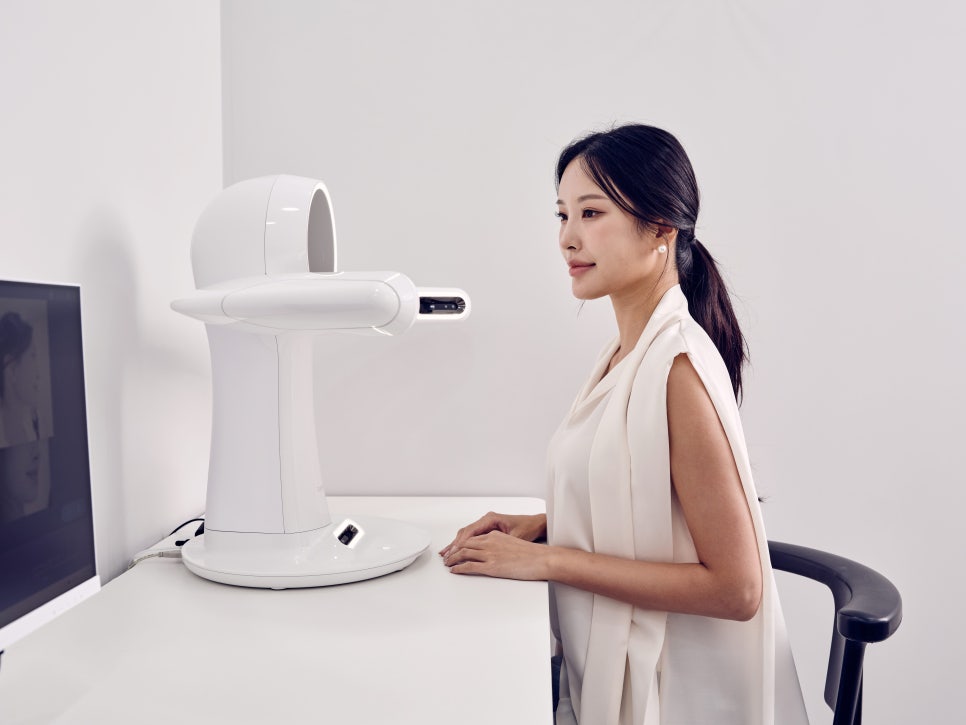 The Make Dental Clinic is here to help keep your smile healthy and beautiful for a long time.
- Digital changes in dental care
Digital dental care
means more than simply changing equipment.
It is meaningful in that
it allows objective information to be used
in diagnosis and treatment planning.
In the past, much of the process depended on
medical staff’s experience and sense,
but now it has become possible
to accurately check oral conditions
through optical equipment and software.
Even in laminate treatment,
such digital equipment can help reduce treatment time
and ease patient discomfort during the process.
It is also used to help understand vague anxiety about the results
through information that can be explained.
- How impression taking changed with an intraoral scanner
The very first step in laminate treatment
is the process of taking an impression,
which involves making a mold of the teeth.
In the past, sticky silicone material was placed in a tray,
inserted into the mouth, and you had to wait for it to harden.
At that time, some patients felt discomfort,
such as difficulty breathing.
An intraoral scanner uses a camera
to scan the tooth surface,
so there is no need to wait for the material to harden,
and dental information can be obtained
in a relatively comfortable state.
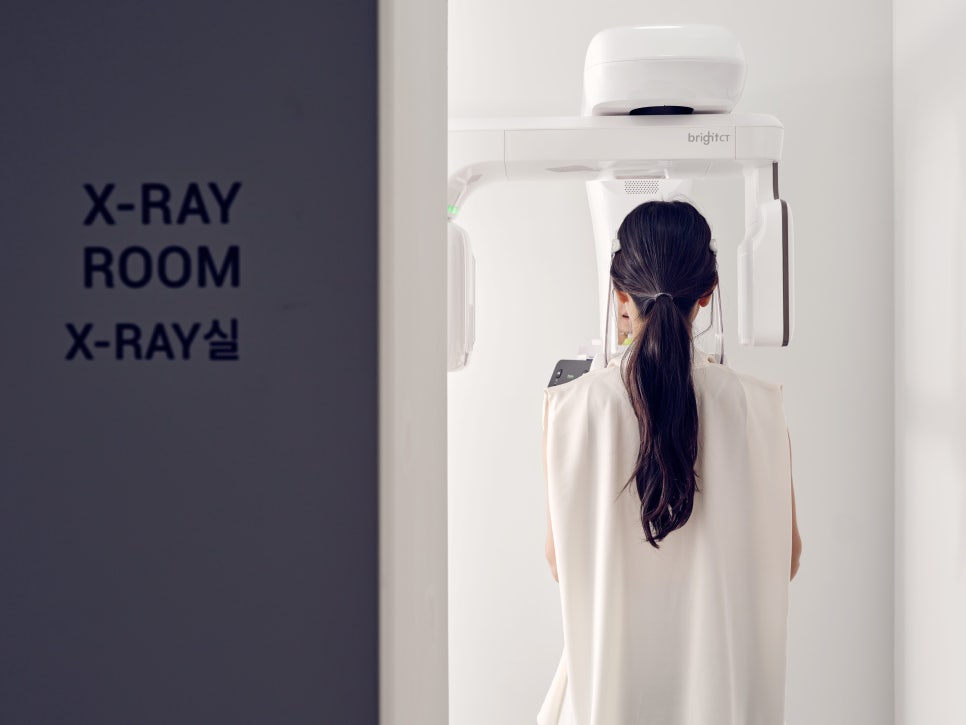 Sincere consultations from the medical staff,
listen to your concerns and help find the answer.
- A digital system that reduces the burden of treatment schedules
For busy modern people,
visiting the dentist multiple times is a major burden.
With the conventional method,
after taking an impression, it had to be sent to a dental lab,
where the prosthesis was made and then sent back to the clinic,
which took at least a week.
However, when digital equipment is used,
the scan data can be used to continuously carry out
prosthesis design and fabrication,
allowing the treatment schedule to be arranged more efficiently.
Depending on the condition, there may be differences,
but a same-day system is now possible,
allowing same-day prosthesis placement after treatment.
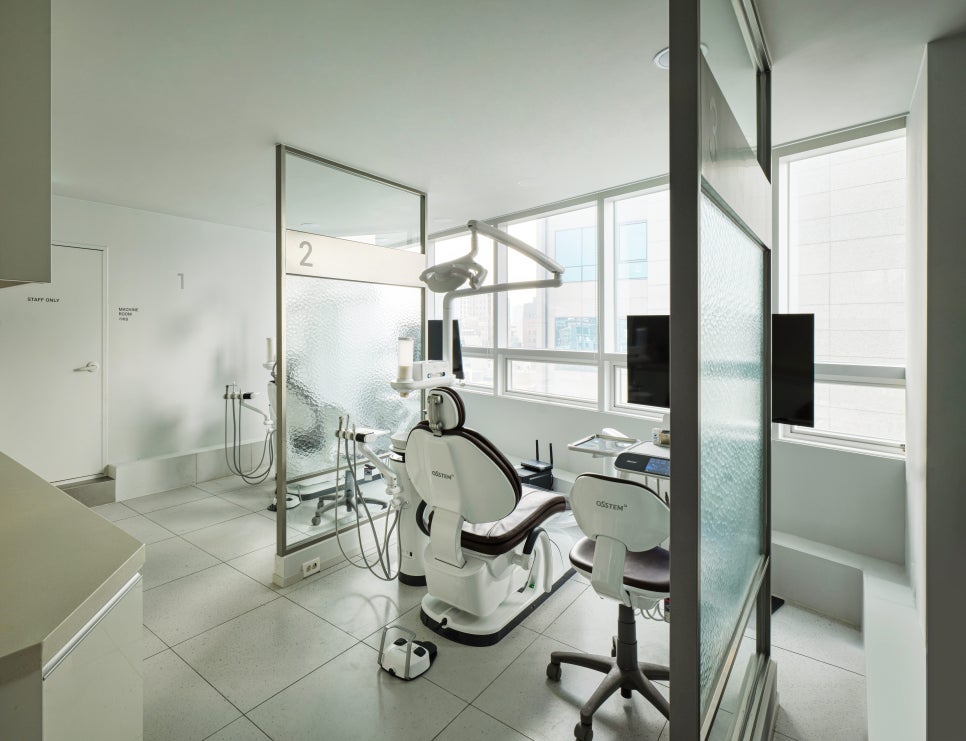
- The precise design process supported by CAD/CAM
For laminate to be used stably,
how well the prosthesis fits the tooth
is also one of the important factors.
If there is a tiny gap between the tooth and the prosthesis,
food particles or bacteria can remain in that space,
which may lead to cavities or gum discomfort.
In traditional manual methods,
there was room for minor deformation or error
during the process of hardening the plaster model
or during fabrication.
In the digital method, based on data obtained
through an intraoral scanner,
a relatively precise design is possible,
and computer software can be used to carefully analyze
the tooth shape and contact relationships.
When fabrication is carried out based on the data designed in this way,
the foreign-body sensation felt when the prosthesis is fitted
may be relatively reduced.
- Simulation that lets you preview before and after treatment
One of the things people considering laminate treatment
often wonder about is whether the appearance after treatment
will suit their face well.
In the past, you could only check the result after the procedure was completed,
but with digital technology,
a process of previewing the post-treatment appearance
has become possible during the treatment planning stage.
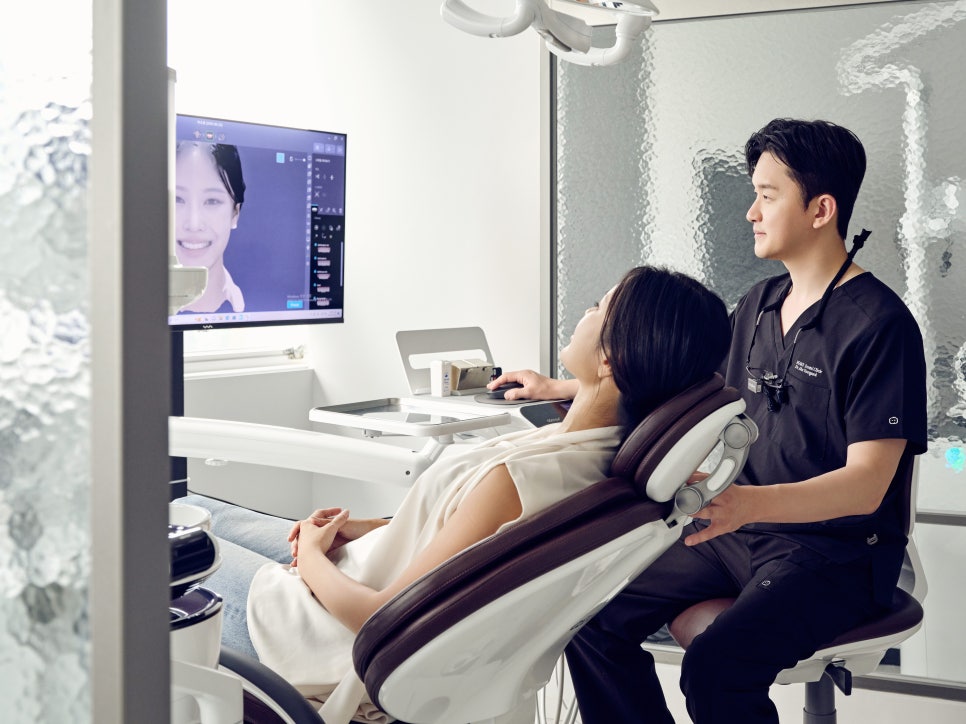
By referring to the patient’s facial photos
along with the oral scan data,
the expected smile line after treatment
can be simulated on a monitor.
Since preferences regarding tooth length and shape
can be adjusted with the medical staff while looking at the screen,
it helps create a treatment plan that reflects both
the patient’s aesthetic expectations and the medical factors
that need to be considered.
- The meaning of digital data storage
When laminate is used for a certain period,
unexpected situations may occur,
and the prosthesis may break or come off.
With the conventional analog method,
in such cases you would need to visit again
and go through the impression-taking process from the beginning,
and time was also needed to make the prosthesis.
However, when a digital system is used,
the patient’s oral information is stored in digital data form
and can later be used as reference material for treatment.
This allows the tooth shape and design information
from the time of the procedure to be checked again,
and it is used as material that helps in planning subsequent treatment.
Depending on the situation,
the existing data can be used to efficiently proceed with prosthesis fabrication,
which may help reduce the burden of clinic visits
and the treatment process.
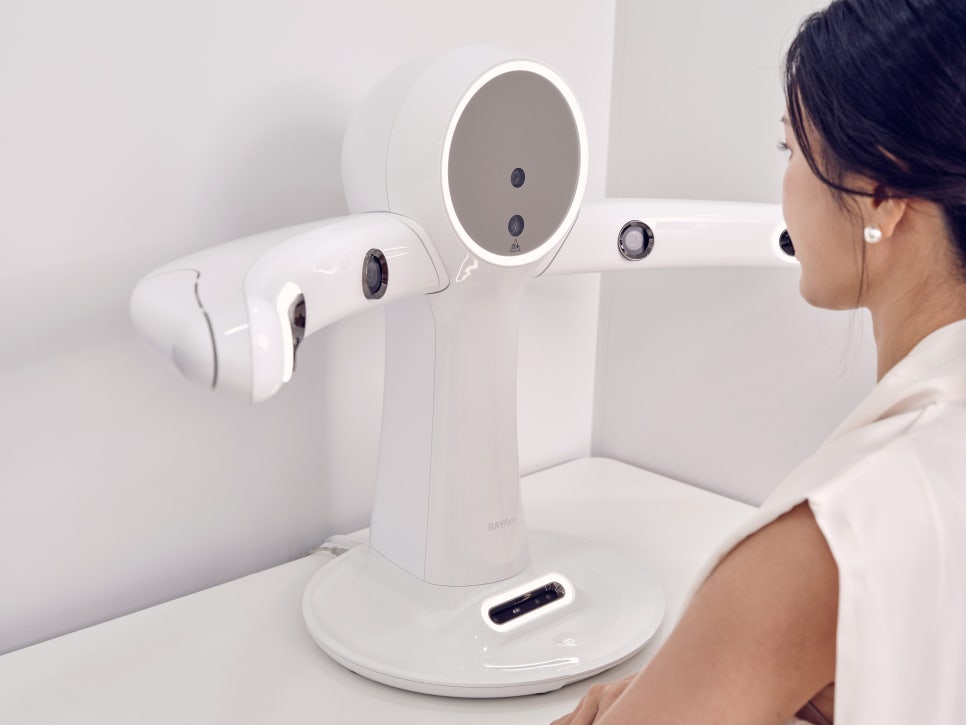
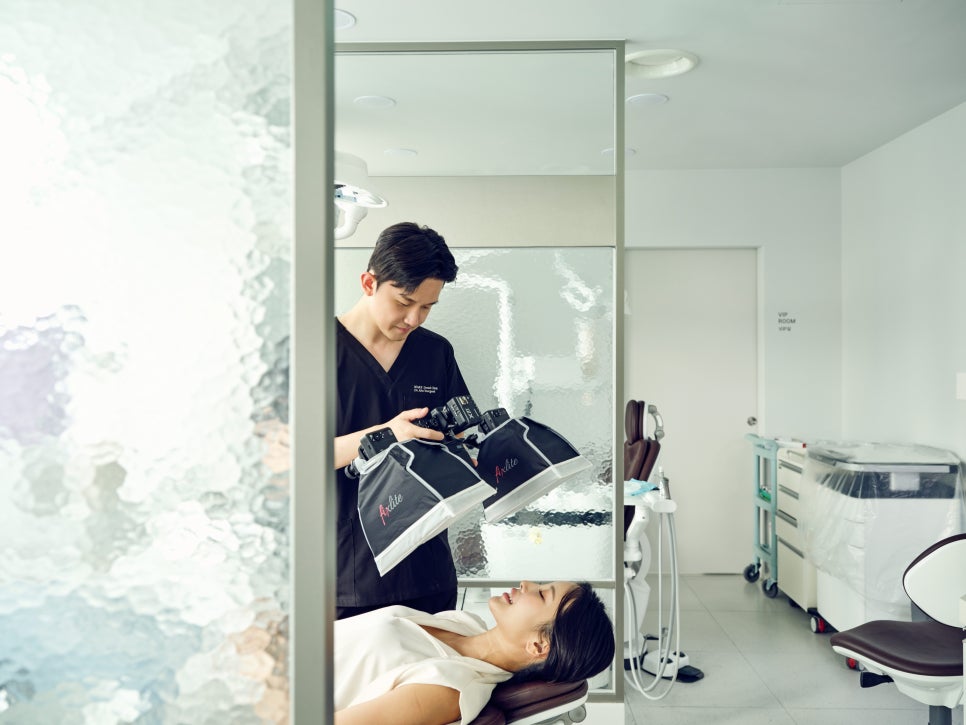
 RAYFace 3D facial scanner and Trios 5 intraoral scanner
analyze your smile in three dimensions.
While digital technology is advancing rapidly,
there are also points that need to be considered
during treatment.
Intraoral scanners and CAD/CAM equipment
are used as tools to assist treatment,
and how they are applied and interpreted
can vary depending on the judgment and experience
of the medical staff.
No matter how sophisticated the equipment is,
the clinician’s judgment plays an important role
in planning and adjusting tooth shape and proportions.
Therefore, when choosing a dental clinic,
we recommend looking not only at whether the equipment is available,
but also at the treatment process of the medical staff,
who provide sufficient explanations and maintain communication
based on the data.
Thank you.









 Previous image
Next image
Previous image
Next image
How the Laminate Procedure Changes with Digital Care at a Dental Clinic Near Sinsa Station
How the Laminate Procedure Changes with Digital Care at a Dental Clinic Near Sinsa Station
How the Laminate Procedure Changes with Digital Care at a Dental Clinic Near Sinsa Station
How the Laminate Procedure Changes with Digital Care at a Dental Clinic Near Sinsa Station
How the Laminate Procedure Changes with Digital Care at a Dental Clinic Near Sinsa Station