
Hello.
I am Ahn Young-seok, the chief director of Make Dental Clinic.
When you first decided on laminate treatment,
many of you may have expected
a positive change in your smile.
However, as time passes,
discoloration may appear,
or damage may occur depending on external impact
or the usage environment,
leading you to consider retreatment.
Since you have already experienced the procedure once,
the process of deciding on treatment again
may bring a sense of burden or concern
about the condition of your teeth.
Today, we would like to explain the overall treatment process
from removing the existing laminate
to placing the new prosthesis,
in four steps.
 Young, trendy medical staff
accurately understand your needs and reflect current trends.
Young, trendy medical staff
accurately understand your needs and reflect current trends.
- Why should it be approached more carefully than the first procedure?
Laminate retreatment
is not simply a process of removing the existing prosthesis
and attaching a new one.
Because tooth reduction has already been performed once,
it is important to plan treatment while preserving
the remaining tooth structure as much as possible.
For this reason, a more careful diagnosis and approach
may be required than for the initial procedure.
It is also necessary to accurately identify
the reason retreatment is being considered.
That is because the treatment direction may change
depending on whether the issue is simply reduced aesthetic satisfaction
or whether a functional problem also exists,
such as internal decay or changes in gum condition.

- In what cases do people consider it?
One relatively common cause is changes over the period of use.
Laminate itself is fairly resistant to discoloration,
but color changes may occur in the adhesive area
that connects the prosthesis and the tooth,
causing the border line to appear dark.
A more medically urgent situation is when a gap forms inside,
causing sensitivity,
or when decay is suspected.
That is because, even if nothing major seems wrong on the surface,
it is impossible to rule out the possibility that changes are progressing internally.
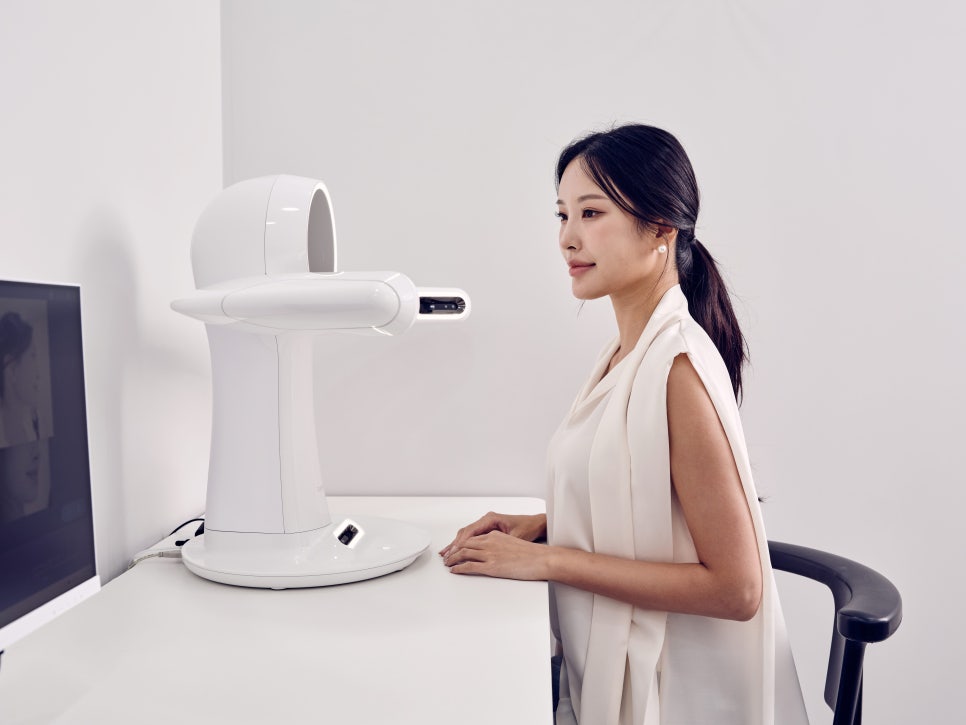 The confidence to openly share even photos after tooth reduction,
is Make Dental Clinic's honesty.
The confidence to openly share even photos after tooth reduction,
is Make Dental Clinic's honesty.
- [Step 1] Removal of the existing prosthesis
The first stage of retreatment
is the process of removing the existing prosthesis.
The important point here is to separate the prosthesis
from the adhesive area while being careful
not to cause unnecessary damage to the tooth structure.
Forced removal can affect the remaining enamel,
so a delicate approach is necessary.
Recently, some cases have used lasers or precision equipment
to separate the adhesive layer,
or have carefully removed the prosthesis while checking the border area
through magnification equipment.
In particular, after removal,
the tooth may appear smaller than before
or may temporarily feel more sensitive,
so some patients may feel psychological 부담감.
As a preparation step for the next treatment,
it is meaningful for cleaning up the remaining adhesive material
and checking the condition of the tooth surface.
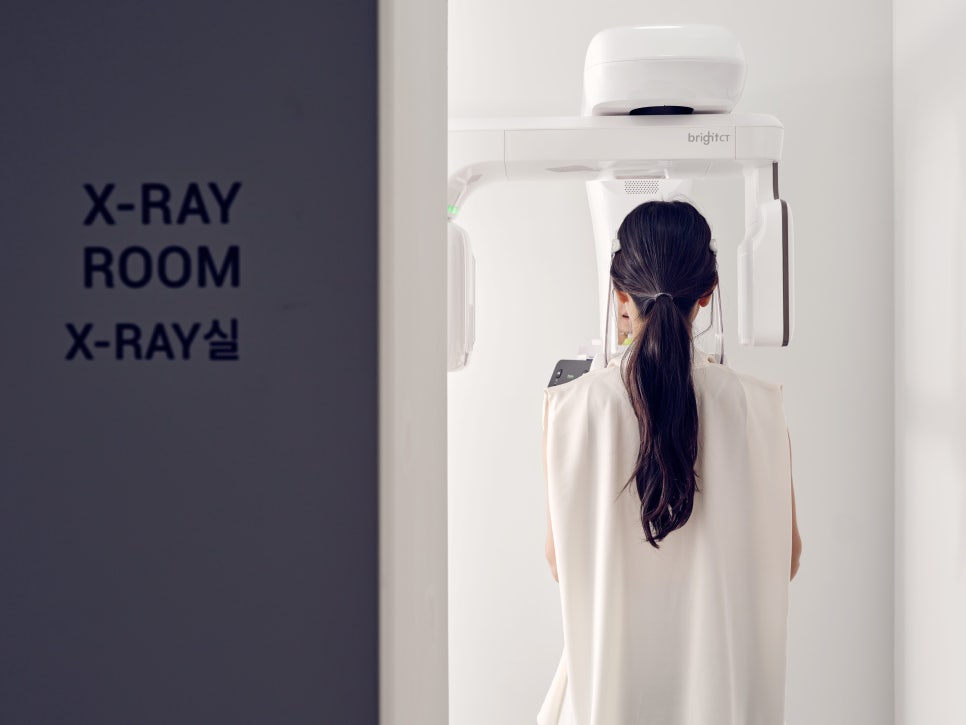
- [Step 2] New design and precise impression taking
After the basic oral condition has been checked,
the design process for the new prosthesis begins.
At this stage, one characteristic is that
the aspects that felt disappointing or uncomfortable in the previous treatment
can be reflected in the treatment plan.
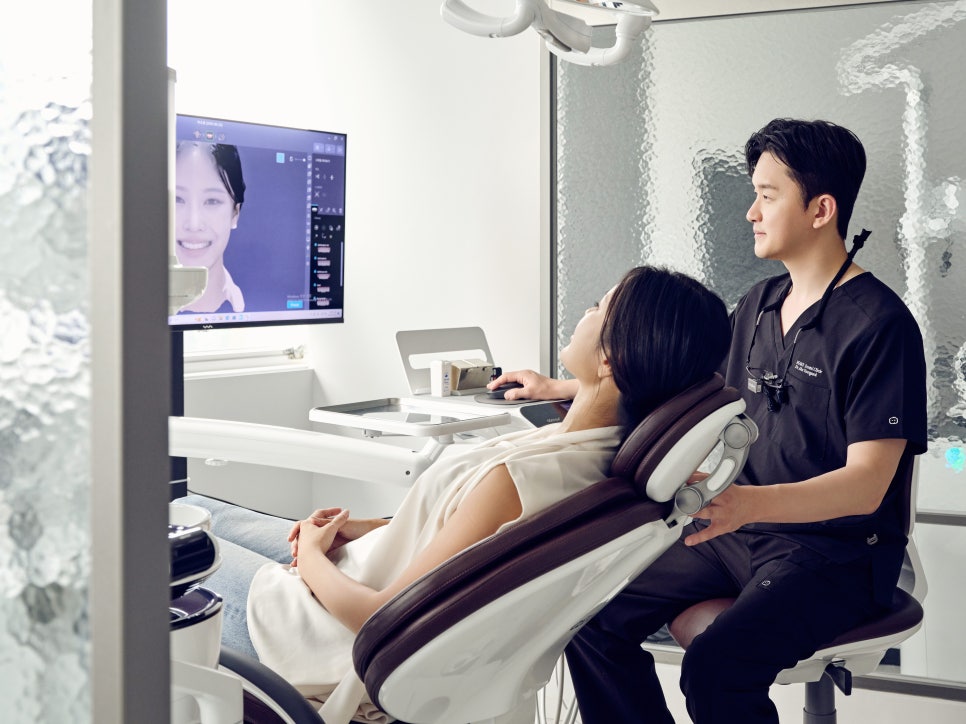
The design is carried out by comprehensively considering
the patient's preferences,
the current oral condition,
and the facial image,
with regard to the length, shape, and shade of the teeth.
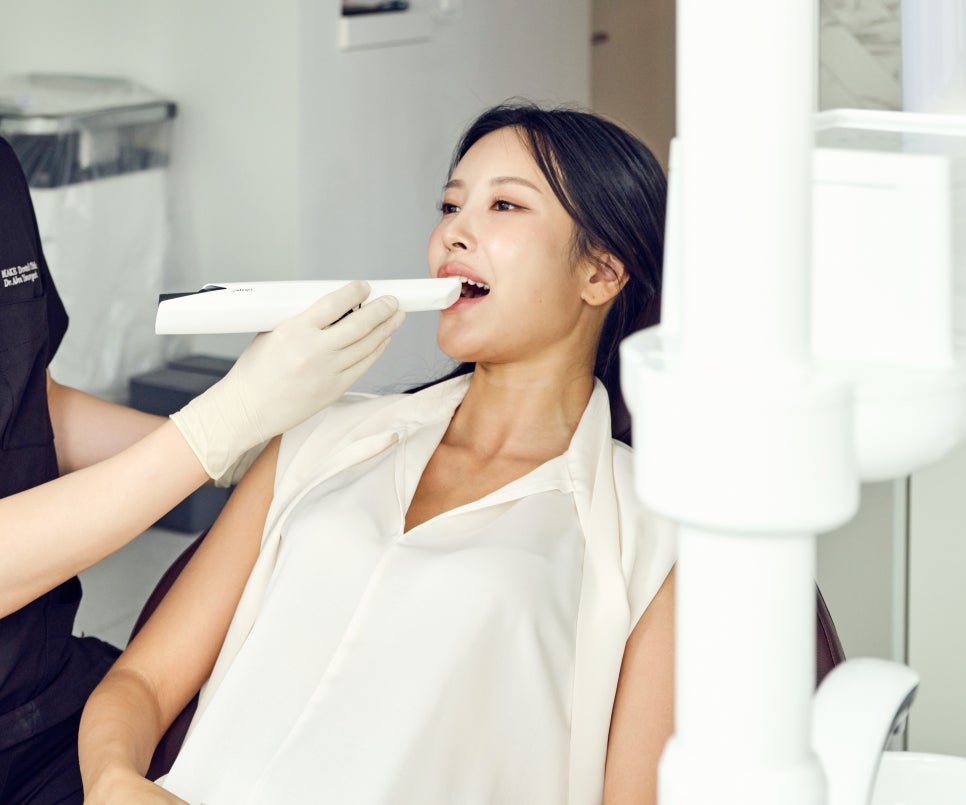
In this process, digital equipment such as an oral scanner
is used to record the tooth shape,
and the resulting data is used to analyze the tooth contours and alignment
more precisely for prosthesis fabrication.
 Comparison photos before and after treatment,
Make Dental Clinic's confidence shown through results, not just words.
Comparison photos before and after treatment,
Make Dental Clinic's confidence shown through results, not just words.
- [Step 3] Wearing a temporary prosthesis
While the final prosthesis is being fabricated
based on the precise design,
the patient will wear a temporary prosthesis.
Because the teeth may be in a relatively sensitive state
from the previous treatment,
this can help reduce external stimulation and maintain the tooth position stably.
It is also used not only for functional purposes,
but as a process of previewing the new design.
You can check for yourself whether the tooth shape matches the lip line well,
and whether there are any difficulties with pronunciation or daily life,
and if necessary, you can consult with the medical staff
and make adjustments when producing the final prosthesis.
 Does the 'no-prep' advertisement work in every case?
Make Dental Clinic explains honestly.
Does the 'no-prep' advertisement work in every case?
Make Dental Clinic explains honestly.
- [Step 4] Final prosthesis placement and bite adjustment
In the final stage,
the completed final prosthesis is attached to the teeth.
Since there is a history of prior treatment,
it is important to carry out the entire bonding process even more carefully.
After placement is complete,
the next step is to check and adjust the bite.
When the upper and lower teeth come together,
adjustments are made with fine differences in mind
so that excessive force is not concentrated on any specific area.
In particular, because the temporomandibular joint or chewing muscles
may also be sensitive,
adjustments are made while repeatedly checking
whether there is any discomfort when moving the jaw forward, backward,
or side to side.
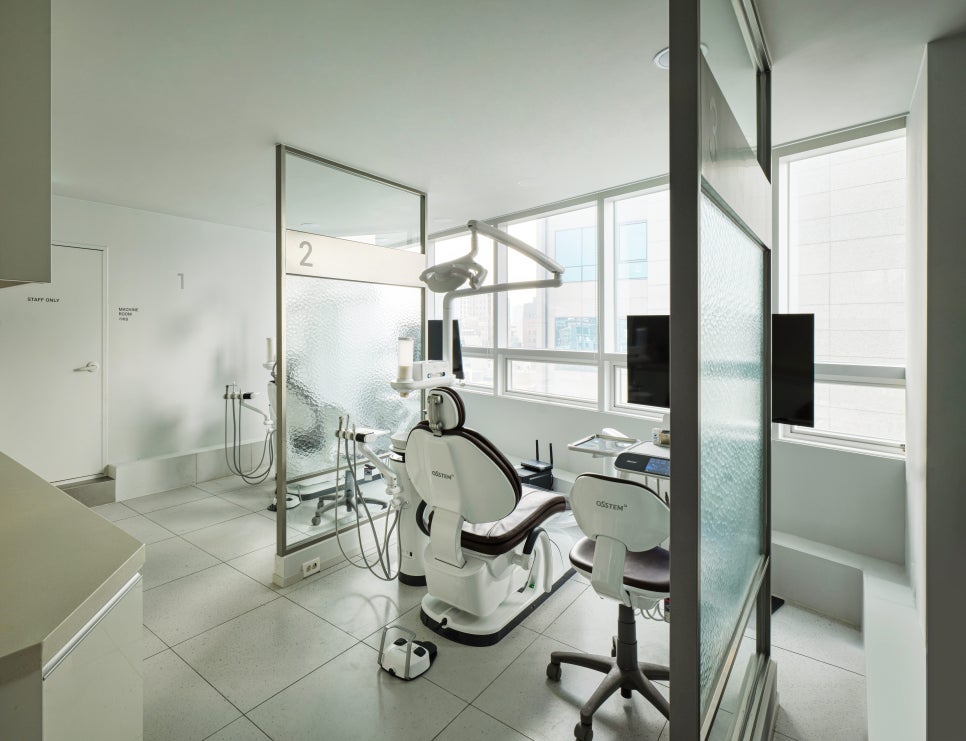 Tooth reduction is performed precisely, only as much as is necessary.
Retreatment is not simply a process of replacing the prosthesis,
but rather a treatment process in which we review the discomfort felt after the previous treatment
and reset the direction to fit the current condition of the teeth.
Therefore, what must be considered most important throughout the various stages
is an approach that stays faithful to the basic principles.
It is necessary to remove the prosthesis while fully considering the condition of the teeth,
make a diagnosis based on the current oral environment,
and maintain meticulous care during the fabrication and placement process.
When these processes are carried out carefully,
retreatment can also be planned in a stable direction.
I hope this explanation will be helpful for those considering laminate retreatment
as they make their treatment decision.
Thank you.









 Previous image
Next image
Previous image
Next image
Banpo-dong Dental Clinic Laminate Retreatment: 4 Steps to Know
Banpo-dong Dental Clinic Laminate Retreatment: 4 Steps to Know
Banpo-dong Dental Clinic Laminate Retreatment: 4 Steps to Know
Banpo-dong Dental Clinic Laminate Retreatment: 4 Steps to Know
Banpo-dong Dental Clinic Laminate Retreatment: 4 Steps to Know